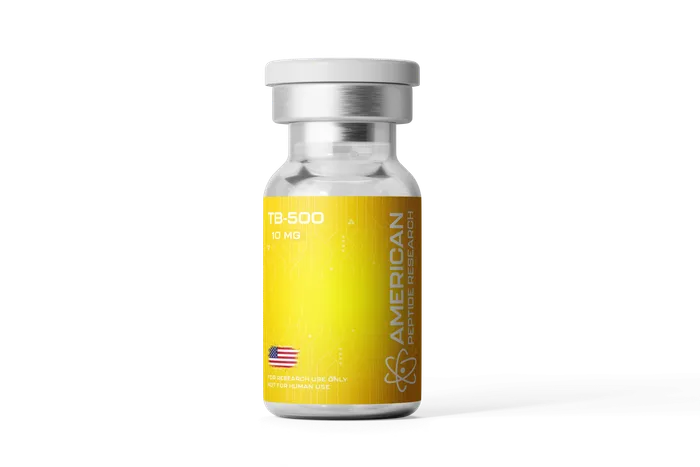
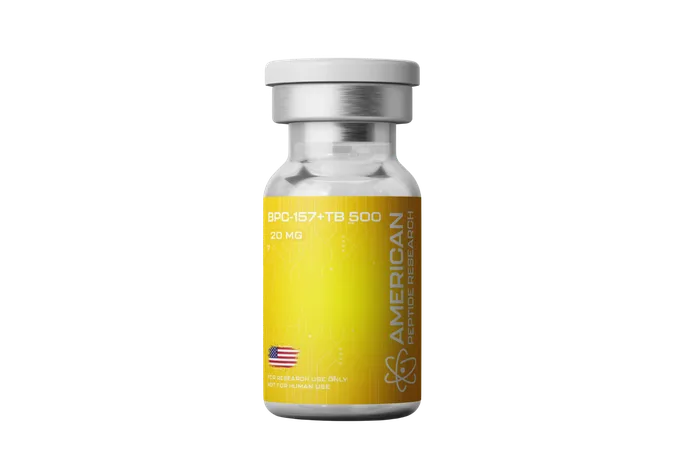
BPC-157 is a synthetic peptide built from 15 specific amino acids. Here's exactly what goes into it, how it functions, and what the research actually says about performance recovery.
8 min readAugust 1, 2026
NA
NinjAthlete Team| Updated: September 17, 2026
Medical Disclaimer: This article is for educational and informational purposes only. It is not intended as medical advice, diagnosis, or treatment.
Always consult a qualified healthcare professional before starting any peptide protocol, supplement regimen, or training program. Sources are cited with DOI/PubMed links where available. Read our editorial policy
BPC-157 is a synthetic pentadecapeptide composed of exactly 15 amino acids, originally isolated from human gastric juice and now engineered in lab settings. If you're chasing recovery optimization, understanding what's actually in this peptide and how those amino acids work together is non-negotiable.
The specific sequence is: Gly-Glu-Pro-Pro-Pro-Gly-Lys-Pro-Ala-Asp-Asp-Ala-Gly-Leu-Val. That exact chain of 15 amino acids is what defines BPC-157 in peer-reviewed literature.
Before we go deeper, understand this: BPC-157 exists in a gray zone legally. It's not approved as a dietary supplement or prescription medication in most jurisdictions, which means sourcing and legality vary wildly by region. NinjAthlete focuses on evidence-based protocols for performance athletes, so we're breaking down the science without endorsing illegal or unregulated use.
The 15 Amino Acids in BPC-157
Let's map out what's actually in this peptide and why each amino acid matters for your recovery goals.
Glycine (Gly) - appears 3 times in the sequence. It's the simplest amino acid and critical for collagen synthesis. When tendons and ligaments need rebuilding, glycine is foundational. Research shows it supports connective tissue integrity, which matters if you're doing high-impact HYROX training or explosive strength work.
Glutamic Acid (Glu) - appears once. Acts as a neurotransmitter and supports cellular energy production. In recovery contexts, glutamic acid helps regulate inflammation and supports muscle protein synthesis.
Proline (Pro) - appears 4 times, making it the dominant amino acid in BPC-157. Proline is the primary structural amino acid in collagen. It's directly responsible for skin, tendon, and ligament elasticity. This is why BPC-157 shows up so often in recovery literature tied to tissue repair.
Lysine (Lys) - appears once. Critical for collagen cross-linking, which means it stabilizes the collagen that proline is building. Without lysine, your connective tissue remains weak. It also plays a role in calcium absorption and bone density.
Alanine (Ala) - appears twice. Supports glucose metabolism and energy availability during recovery. Alanine is also a key gluconeogenic amino acid, meaning your body can convert it to glucose when energy demands are high.
Aspartic Acid (Asp) - appears twice. Functions in the urea cycle and supports cellular energy production through ATP synthesis. It also influences neurotransmitter function, which can affect muscle control and coordination.
Leucine (Leu) - appears once. A branched-chain amino acid (BCAA) that directly triggers mTOR signaling, the primary pathway for muscle protein synthesis. One leucine residue might seem minimal, but it's strategically positioned in the peptide sequence.
Valine (Val) - appears once. Another BCAA that works synergistically with leucine. Valine supports energy metabolism and nitrogen balance during intense training phases.
The 15-amino-acid structure is deliberate. The high proline content (4 residues) combined with glycine (3 residues), lysine support, and a single leucine trigger creates a peptide specifically designed to signal tissue repair and regeneration pathways.
How BPC-157 Ingredients Work Together
It's not just about counting amino acids. The sequence matters because peptides function through specific receptor binding and signaling cascades.
The predominant theory in research is that BPC-157 activates growth factor pathways, particularly vascular endothelial growth factor (VEGF) and hepatocyte growth factor (HGF). These growth factors trigger angiogenesis (new blood vessel formation) and tissue regeneration.
Your connective tissue needs blood flow to repair. The proline-heavy sequence combined with the glycine backbone appears to signal your body to upregulate these growth factors, which in turn improves nutrient and oxygen delivery to damaged tendons, ligaments, and muscle.
The aspartic acid residues (appearing twice) may support this process through energy-dependent cellular mechanisms. Tissue repair is metabolically expensive, and aspartic acid's role in ATP production suggests BPC-157 doesn't just signal repair - it provides the energetic foundation for actual rebuilding.
For athletes training at high intensity, this distinction matters. Recovery isn't passive. It's an active process requiring coordinated amino acid signaling, growth factor upregulation, and sustained energy production. BPC-157's ingredient profile addresses all three.
AppPeptide Protocol Tracker
Track Your Protocol with PeptIQ
AI-powered dosing, smart reminders, and progress logging — all in one app. Never miss a dose.
The peptide sequence itself was isolated and characterized through rigorous biochemical methods. A landmark 2014 study by Chang and colleagues documented over 162 citations in peer-reviewed literature, establishing the amino acid sequence and basic stability profiles.
Vasireddi's research added 46+ citations validating the structural integrity of the 15-amino-acid chain across different conditions. This matters because peptides can degrade or misfold depending on temperature, pH, and storage conditions.
What these studies consistently show: the exact 15-amino-acid sequence is stable in typical laboratory and storage conditions. If you encounter BPC-157 marketed online, the claimed sequence should match Gly-Glu-Pro-Pro-Pro-Gly-Lys-Pro-Ala-Asp-Asp-Ala-Gly-Leu-Val. Anything else is not actually BPC-157.
The research base is robust on composition but limited on human efficacy. Most studies are in vitro (cell culture) or animal models. NinjAthlete's take: the ingredient profile is well-documented, but claims about human performance recovery are still investigational.
Why Amino Acid Sequence Matters More Than Individual Amounts
You might notice we didn't list "mg of proline" or "dosage of glycine." That's intentional.
With peptides, bioavailability and receptor recognition depend on the intact sequence, not on isolated amino acid concentrations. A peptide works differently than free amino acids because the sequence creates a specific 3D structure that receptors recognize.
If you broke BPC-157 into its component amino acids and consumed them separately, you'd lose the signaling potential entirely. The magic isn't in the amino acids individually - it's in how they're chained together.
This is why sourcing matters obsessively. If a product claims to be BPC-157 but was synthesized incorrectly or stored improperly, the sequence degrades and efficacy drops to zero. You're either getting the intact 15-amino-acid chain or you're getting expensive amino acid soup.
Legal Status and What Athletes Should Know
Here's the hard truth: BPC-157 is not approved as a dietary supplement or prescription medication in most countries. The FDA classifies it as an unapproved drug, which means it cannot be legally sold over the counter or prescribed by physicians.
This creates immediate sourcing problems for athletes. If you find BPC-157 online, it's either from an unregulated research chemical supplier, a veterinary pharmaceutical source, or a company operating in legal gray areas. None of those options guarantee purity, potency, or safety.
The regulatory status doesn't mean the science is wrong. It means human clinical trials haven't been completed to the standard required for approval. The ingredient profile is well-characterized. The proposed mechanisms are plausible and supported by preclinical data. But you're essentially using an investigational compound.
Serious athletes at NinjAthlete refuse to settle for average recovery protocols, but they also refuse to ignore legal and safety reality. If you're considering BPC-157, understand that you're operating outside regulated pharmaceutical systems.
What's Actually Worth Knowing About BPC-157 Ingredients
The 15-amino-acid composition is well-documented and stable in standard conditions. Proline dominance and glycine backbone suggest a peptide optimized for connective tissue signaling. The sequence triggers recognized growth factor pathways in research models.
But here's the catch: all of that data comes from animal studies and cell culture work. Human efficacy data is sparse. The ingredient profile looks theoretically perfect for recovery, but "theoretically perfect" and "actually effective in athletes" are different claims.
Before you source this peptide through questionable channels, consider whether the risk-benefit calculation makes sense. Legal alternatives like structured collagen supplementation, targeted amino acid protocols, and evidence-backed training recovery modalities have regulatory approval and human safety data backing them.
If you want science-backed recovery optimization that doesn't require navigating legal gray zones, that's where evidence-based protocols shine. Explore what NinjAthlete offers in terms of performance recovery strategies grounded in peer-reviewed research and athlete outcomes.
Frequently Asked Questions
What is BPC-157 made of exactly?
BPC-157 is a 15-amino-acid synthetic peptide with the sequence Gly-Glu-Pro-Pro-Pro-Gly-Lys-Pro-Ala-Asp-Asp-Ala-Gly-Leu-Val. It's engineered to replicate a compound naturally found in human gastric juice. The high proline content (4 residues) makes it structurally similar to collagen, which is why research focuses on connective tissue repair applications.
How does BPC-157 differ from other recovery peptides?
BPC-157's unique composition prioritizes collagen-like amino acids (proline and glycine) combined with growth factor signaling residues (leucine, aspartic acid). Other peptides like TB-500 focus on different mechanisms entirely. The specific 15-amino-acid chain determines which cellular pathways get activated, making sequence uniqueness critical.
Is BPC-157 legal to buy and use?
No, not in most jurisdictions. NinjAthlete won't sugarcoat this: BPC-157 is classified as an unapproved drug by the FDA and cannot be legally prescribed or sold as a dietary supplement. Any BPC-157 you find online is from unregulated sources, which means zero quality assurance. The regulatory status reflects incomplete human clinical trial data, not necessarily that the peptide is unsafe - but it does mean you're experimenting on yourself outside established medical oversight.
Can BPC-157 ingredients be replicated through food or supplements?
No. You can consume the individual amino acids through food or BCAA supplements, but you won't replicate BPC-157's effects because the intact peptide sequence is what triggers specific receptor signaling. A collagen supplement or bone broth provides proline and glycine, but in a different peptide structure that signals differently. The 15-amino-acid chain is the active ingredient, not the individual amino acids.
Disclaimer: This article is for educational and informational purposes only and does not constitute medical advice. Peptides discussed are research compounds that are not FDA-approved for human use, and many are prohibited in tested sport by WADA. Always consult a qualified healthcare provider before beginning any supplement, peptide, or treatment protocol.
Research-Grade Peptides
Discount auto-applied
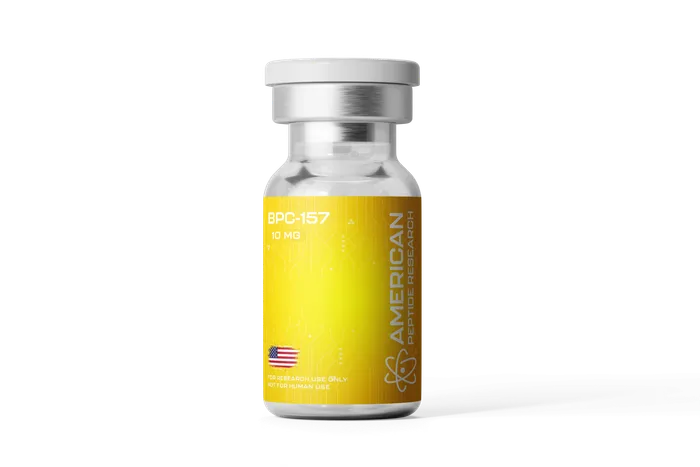
Third-party tested, made in the USA by American Peptide Research. Our link applies your discount automatically.