You're crushing your training, but recovery is where the real wins happen. Cold exposure biohacking for athletes isn't new, but most people get the timing and protocol wrong, which means you're either leaving performance on the table or actually sabotaging muscle growth. The difference between Cristiano Ronaldo-level recovery and spinning your wheels comes down to one thing: knowing when and how to apply cold strategically.
Here's the truth: cold plunges work. The science is solid. But they're not a universal fix you throw at every workout. NinjAthlete athletes who nail the protocol see measurable reductions in exercise-induced muscle damage (EIMD), accelerated fatigue recovery, and sustained inflammation control, but only when you respect the rules around timing and training type.
Related: Bio Protocols for Athletes: Your Evidence-Based Training Framework
Related: How to Choose a Peptide Protocol Provider: NinjAthlete's Framework vs DIY
Related: BPC-157 for Athletes: What the Research Actually Shows
Related: TB-500 Peptide Recovery Protocol 2026: Top 5 Ranked
Related: Best BPC-157 Peptides for Recovery 2026: Top 5 Ranked
Related: PDA Peptide vs BPC-157: Which Recovery Peptide Wins?
Related: BPC-157 and TB-500 Peptide: Complete Recovery Guide
Related: BPC-157 & TB-500 for Athletes: Recovery Stack Explained
Related: Best BPC-157 Peptide Liquid for Recovery and Tissue Healing
Related: Vasoactive Intestinal Peptide: Athletic Performance & Recovery
Related: What Is BPC Peptide? Research & Athletic Recovery Guide
Related: Best BPC-157 and TB-500 Peptide Blend for Injury Recovery
Related: SS31 Peptide Dosage: The Complete Protocol Guide
Related: Best BPC-157 Peptide Science for Athletic Recovery
Why Cold Exposure Works for Athletes
When you immerse yourself in cold water, your body triggers vasoconstriction, which reduces blood flow to the muscles. This sounds counterintuitive until you understand what happens next: your sympathetic nervous system activates, which drives down circulating inflammatory markers and accelerates your body's natural recovery cascade.
The acute inflammation reduction is real. The NIH's PubMed database hosts dozens of peer-reviewed studies confirming that cold exposure reduces post-exercise soreness and stiffness when applied at the right moment. You're not just feeling better; your muscle damage markers are objectively lower.
Elite athletes aren't using cold plunges because it's trendy. LeBron James, NFL recovery teams, and competitive endurance athletes use cold exposure because it works on the physiology. You get faster recovery between sessions, which means higher training frequency and better cumulative adaptation over weeks and months.
The Critical Timing Rule: Protect Your Hypertrophy Gains
Here's where most athletes sabotage themselves: cold exposure after strength and hypertrophy training can blunt muscle growth adaptations. Your muscles need the inflammatory response as a signal to build back bigger and stronger. When you ice them aggressively right after a heavy session, you're dampening that signal.
The protocol is simple but non-negotiable:
- General conditioning, endurance, or skill work: Cold exposure immediately post-exercise (within 5-15 minutes) maximizes recovery and inflammation reduction.
- Hypertrophy and strength training: Wait at least 4 hours. Six hours or more is preferred. Let the muscle-building inflammation do its job first.
- Duration: 5-10 minutes is the standard sweet spot for most athletes. Some advanced athletes tolerate up to 20 minutes, but start conservative and adapt based on your individual response.
This isn't arbitrary. Your goal is recovery without sacrificing adaptation. If you're training for HYROX or competitive strength events, the timing distinction between "general conditioning" and "hypertrophy work" will determine whether you're optimizing or undermining your progress.
Cold Exposure Protocol Options
You have flexibility in how you apply cold. The mechanism is the same, but delivery matters based on your access and preference:
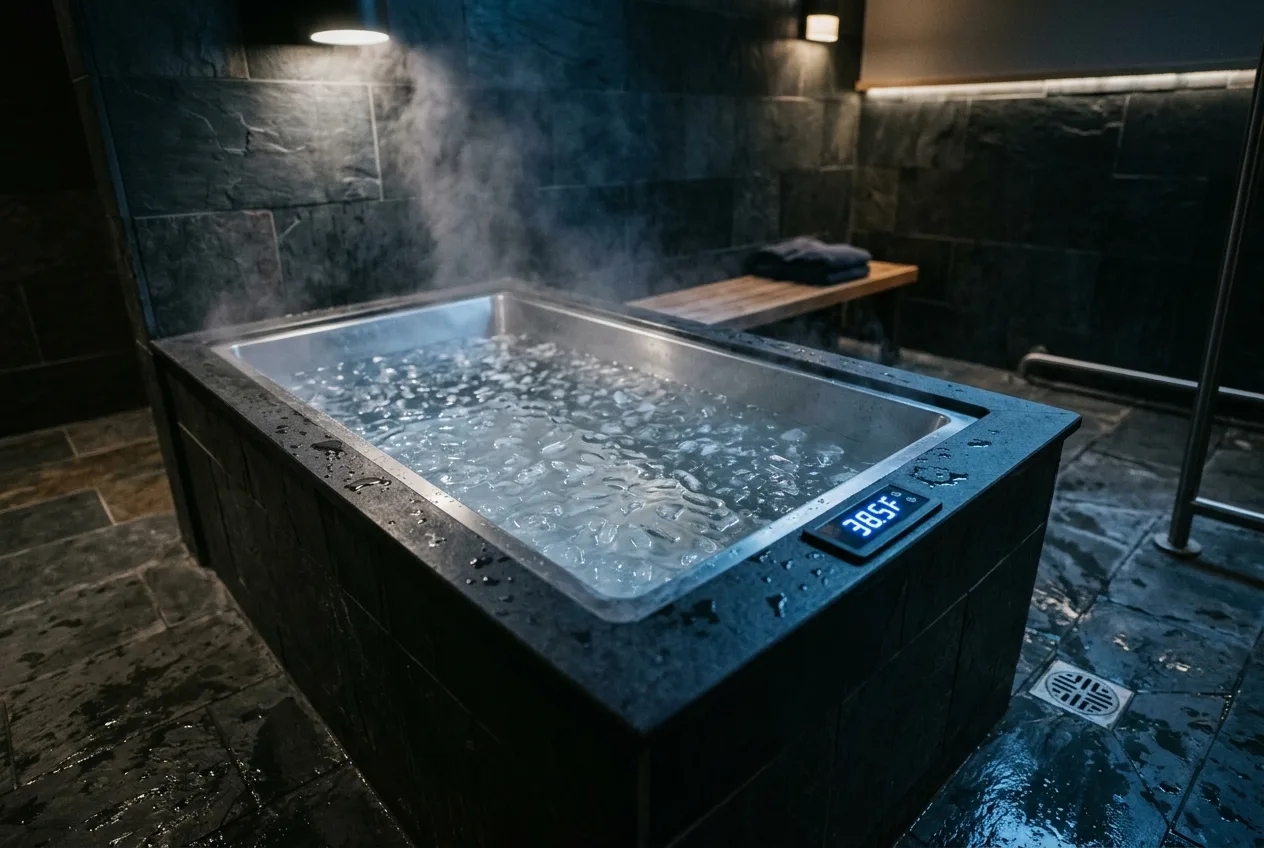
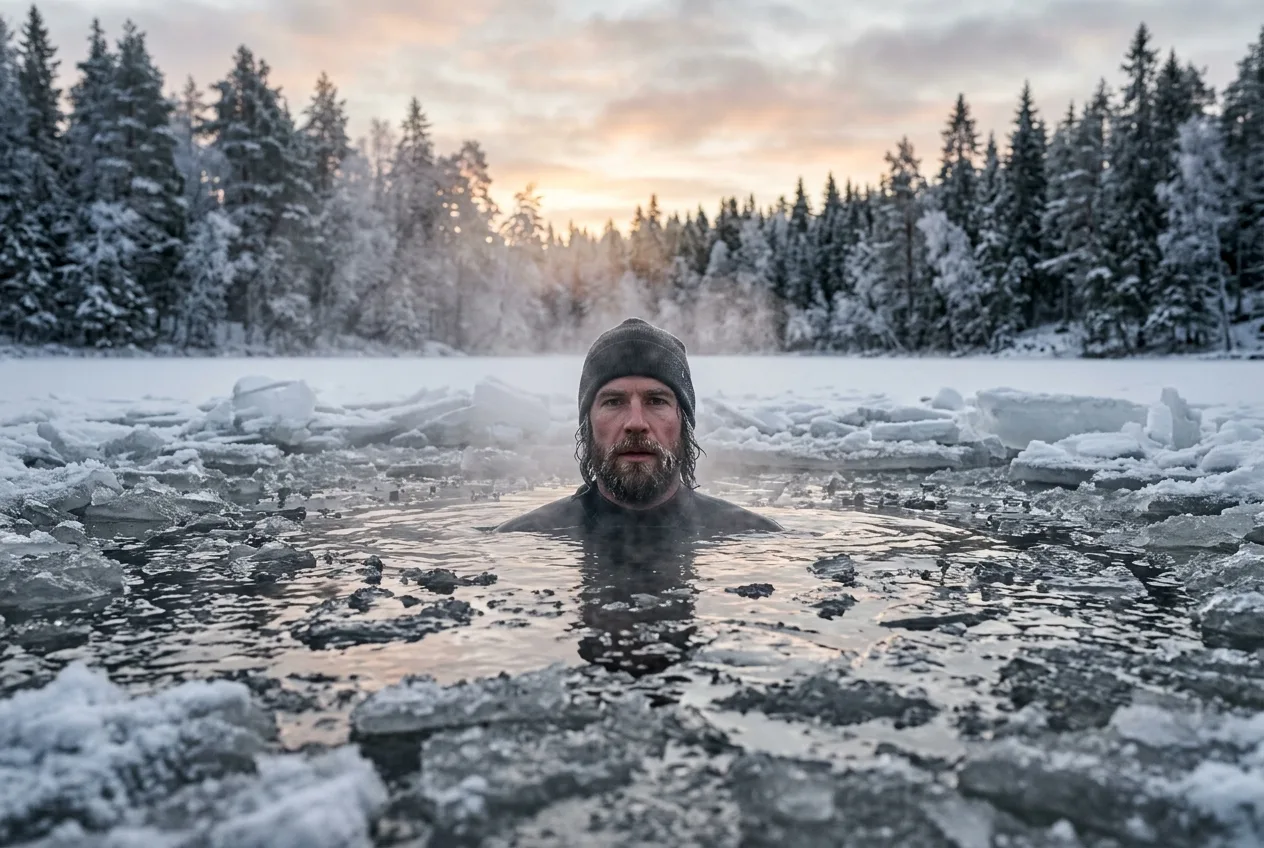
- Cold plunge immersion: Full-body cold water immersion (typically 40-60 degrees Fahrenheit) for 5-10 minutes. Most accessible and consistently effective.
- Ice baths: Traditional ice and water combination. Cheaper upfront but less convenient for frequent use and harder to control temperature precisely.
- Contrast therapy (alternating method): 1-5 minutes cold water alternated with tepid water immersion in cycles. Slightly less aggressive but still effective for reducing soreness and improving circulation.
- Localized cold application: Ice packs or cold sleeves on specific muscle groups. Lower intensity but useful when full immersion isn't available.
The research supports all of these, but full immersion produces the most consistent anti-inflammatory response and nervous system activation. If you're serious about optimizing cold exposure biohacking for athletes, a dedicated cold plunge or immersion tub becomes a worthwhile investment once you've confirmed you tolerate it well.
Beyond Recovery: The Secondary Benefits

Reduced soreness and faster fatigue recovery are the primary wins, but cold exposure delivers measurable secondary benefits that matter for high-performance athletes:
- Mental resilience: Controlled cold stress builds nervous system adaptability. Athletes who regularly practice cold exposure report improved stress tolerance and mental clarity. This isn't placebo; it's sympathetic nervous system training.
- Skin health: Cold exposure reduces inflammation in the skin, stimulates collagen production, and regulates sebum. For athletes who care about longevity markers and appearance, this compounds over months.
- Circulation optimization: Repeated cold exposure improves vascular function and endurance performance over time. Your cardiovascular system becomes more efficient at handling stress.
How to Start: Your First Cold Exposure Protocol
Don't jump into 10-minute ice baths on day one. Build your tolerance and establish the habit:
- Week 1-2: Start with 2-3 minute exposures at 60-65 degrees Fahrenheit after non-hypertrophy sessions (conditioning, skill work, or mobility days). Focus on breathing control and mental adaptation.
- Week 3-4: Progress to 5 minutes if tolerated. You should feel no pain, only intense cold. If you're shivering uncontrollably or experiencing numbness, you're too cold.
- Week 5+: Adjust temperature down to 50-55 degrees and extend to 10 minutes based on personal tolerance. By now, cold exposure becomes a normal recovery tool, not an ordeal.
Track your soreness ratings and recovery metrics during this progression. Most athletes notice a measurable difference in day-after soreness by week 3. That's your signal the protocol is working.
Integration Into Your Training Split
The real advantage of cold exposure biohacking for athletes emerges when you integrate it systematically into your weekly training structure. NinjAthlete's approach emphasizes matching recovery tools to training stress:
- Hypertrophy days (Monday, Thursday): No cold exposure on the same day. Save it for 6+ hours later or skip it entirely on these sessions to preserve muscle-building signals.
- Conditioning or HYROX-specific endurance work (Tuesday, Saturday): Cold plunge immediately post-session for 8-10 minutes. This is where cold exposure delivers the highest ROI.
- Active recovery or skill-based sessions (Wednesday, Friday): Optional cold exposure. Use it if soreness from earlier in the week is lingering, otherwise skip.
This structure ensures you're using cold as a strategic tool, not a blanket recovery solution. The athletes who see the best results are those who respect the timing distinction and treat cold exposure as a precision intervention, not a luxury.
Monitoring Your Response and Adjusting

Not every athlete responds identically to cold exposure. Individual factors like age, body composition, training history, and nervous system sensitivity influence your optimal protocol. Track these variables:
- Subjective soreness ratings (1-10 scale) in the 24-48 hours post-exposure.
- Training performance (strength output, endurance capacity) on the session following cold exposure.
- Heart rate variability (HRV) if you're monitoring it. Some athletes see improved HRV recovery with cold exposure; others don't respond as dramatically.
- Sleep quality. Cold exposure shouldn't disrupt sleep. If it does, adjust timing or duration.
The goal is finding your individual sweet spot where soreness is minimized, performance is sustained or improved, and you feel recovered. That might be 5 minutes for you or 12 minutes for someone else. The science sets the boundary conditions; your data defines the optimum.
Common Mistakes to Avoid
You now know the protocol. Here's what trips up most athletes:
- Timing cold plunges after heavy leg days: One of the most common mistakes. Save cold exposure for after conditioning, not after your heavy squat or deadlift sessions if hypertrophy is a goal.
- Staying in cold water too long. More is not better. Ten minutes produces the same anti-inflammatory response as 20 minutes for most athletes. Extended exposure increases injury risk and unnecessary stress.
- Neglecting breathing and mental preparation. Cold exposure is a nervous system intervention. Panicking or holding your breath triggers a fight-or-flight response that defeats the purpose. Practice controlled breathing before and during immersion.
- Using cold as a replacement for sleep or nutrition. Recovery is a hierarchy: sleep, nutrition, training program, then tools like cold exposure. Cold plunges amplify a solid foundation; they don't replace it.
Advanced Protocol Variations
Once you've mastered the basic protocol, advanced athletes often experiment with contrast therapy or extended protocols. These variations work, but they're refinements, not replacements:
- Contrast therapy cycle: 3-5 minutes cold alternated with 1-2 minutes warm water for 3-4 cycles total. This reduces the intensity of each cold exposure while maintaining circulation benefits and reducing soreness nearly as effectively.
- Pre-sleep cold exposure: Some athletes apply cold exposure 2-3 hours before bed to improve sleep quality. The initial nervous system activation settles into improved parasympathetic tone by bedtime.
- Strategic warm-up with cold: Exposing yourself to brief (30-60 second) cold exposure before warm-up sessions can prime nervous system activation and improve subsequent performance.
These work best when you're already consistent with basic cold exposure and understand your individual response profile.
Final Thoughts on Cold Exposure as a Longevity Tool
Cold exposure biohacking for athletes isn't just about faster recovery between sessions. The repeated nervous system challenge builds resilience that extends far beyond the training environment. Athletes who practice regular cold exposure report improved stress tolerance, better mood regulation, and sustained performance capacity as they age.
The elite athletes using cold plunges aren't doing it for a fad. They're doing it because the data consistently shows measurable improvements in recovery speed, inflammation control, and sustained performance output. You can follow their lead or fall behind.
If you're ready to implement this protocol into your training, NinjAthlete offers detailed cold exposure integration guides and recovery optimization frameworks for competitive athletes. Start with the basic protocol, track your response, and adjust based on your individual data. That's how you refuse to settle for average.
Related: BPC-157 Peptide Dosing Protocol Guide for Athletes
Frequently Asked Questions
Can I use cold exposure every single day?
No. Cold exposure is a stressor, not a recovery modality that scales infinitely. Most athletes benefit from 3-5 sessions per week, applied strategically after conditioning or endurance work, not after every session. Daily cold exposure increases injury risk and can suppress immune function over time. Recovery quality improves with consistency, not frequency.
What temperature is best for cold exposure?
The research supports 50-60 degrees Fahrenheit (10-15 Celsius) for optimal anti-inflammatory response. Start around 60-65 degrees while building tolerance, then progress down if you choose to. Temperatures below 40 degrees increase pain response without meaningfully improving outcomes and raise injury risk. There's a sweet spot between effectiveness and sustainable adherence.
Does cold exposure interfere with muscle growth if I time it correctly?
No. If you wait 4-6 hours after hypertrophy training before cold exposure, you preserve the muscle-building inflammatory signal. The interference only occurs if you ice immediately post-strength training. Timing is everything. Apply cold after conditioning; wait after heavy lifting.
How long does it take to see recovery benefits from cold exposure?
Most athletes notice reduced soreness within 2-3 weeks of consistent cold exposure protocol. The anti-inflammatory effects are immediate, but the adaptive benefits (improved circulation, nervous system training, sustained performance) take 4-6 weeks to become apparent. Stay consistent through that window before adjusting the protocol.