VIP is a performance hormone that serious athletes are starting to leverage for enhanced recovery, endurance capacity, and mental clarity. Here's what the science actually says and how to use it.
7 min readJuly 31, 2026
NA
NinjAthlete Team| Updated: September 17, 2026
Medical Disclaimer: This article is for educational and informational purposes only. It is not intended as medical advice, diagnosis, or treatment.
Always consult a qualified healthcare professional before starting any peptide protocol, supplement regimen, or training program. Sources are cited with DOI/PubMed links where available. Read our editorial policy
Vasoactive intestinal peptide (VIP) is a signaling molecule your body produces naturally, and it plays a surprisingly big role in athletic performance, recovery, and how sharp your brain feels during competition. If you're chasing measurable gains and refuse to settle for average training outcomes, understanding VIP and how to optimize it is non-negotiable.
The honest take: most athletes have never heard of this peptide. That's your advantage. While mainstream fitness focuses on calories and cardio, high-performance athletes are leveraging peptide science to edge past plateaus. NinjAthlete digs into research-backed optimization strategies that actually move the needle, and vasoactive intestinal peptide is one of the most underrated tools in the peptide toolkit.
What Is Vasoactive Intestinal Peptide and Why Athletes Care
Vasoactive intestinal peptide is a hormone-like molecule your body produces in the nervous system, intestines, and throughout your digestive tract. It does three main things that matter for performance: it relaxes smooth muscle tissue, it triggers blood vessel dilation (vasodilation), and it regulates immune function.
For athletes, the vasodilatory effect is huge. VIP widens blood vessels, which improves blood flow to muscles and organs during and after training. Better circulation means more oxygen delivery, faster nutrient absorption, and superior recovery mechanics.
The immunoregulatory part is equally important. VIP acts as an anti-inflammatory agent in your body. It suppresses overactive immune responses and lowers systemic inflammation, which is exactly what you want when you're training hard and pushing your body into recovery cycles.
How VIP Impacts Athletic Performance and Recovery
Research shows that plasma VIP levels increase significantly during endurance exercise lasting longer than 20 minutes at intensities above 50% of your VO2 max. Your body is literally cranking up VIP production when you're training hard.
That elevation isn't random. VIP works to enhance muscle protein synthesis, accelerate recovery speed, and maintain mental clarity during multi-hour training sessions or competition blocks. Athletes using peptide protocols often report noticeably faster bounce-back between sessions and improved performance consistency across multiple efforts.
The mechanisms are straightforward: improved blood flow carries more oxygen to fatigued muscle tissue, reduced inflammation prevents overuse injuries from escalating, and the cognitive benefits (we'll get to those) keep your decision-making sharp during endurance efforts.
VIP and Cognitive Performance
Beyond the body, VIP has measurable effects on brain function. Athletes supplementing or optimizing VIP report reduced brain fog, sharper mental clarity, and improved mood stability during heavy training blocks.
Why? VIP works through multiple pathways. It reduces neuroinflammation (inflammation in the brain), improves cerebral blood flow through vasodilation, and lowers your overall systemic inflammatory load, which cascades upward to benefit cognition. Your brain performs better when inflammation is controlled and oxygen delivery is optimized.
For HYROX athletes or anyone doing high-intensity, high-skill movement under fatigue, this cognitive edge directly translates to better pacing decisions, faster reaction time, and sustained focus through the final push of a competition.
Natural VIP Optimization Before Considering Peptide Therapy
If you're interested in maximizing VIP without jumping into clinical protocols, there are evidence-based lifestyle strategies.
Exercise regularly at moderate-to-high intensity. VIP naturally increases during sustained training above 50% VO2 max. Endurance work and intervals trigger the response your body is designed to produce.
Prioritize quality sleep. Sleep is when your nervous system recalibrates and hormone production stabilizes. Chronic sleep debt suppresses VIP and destroys recovery.
Eat an antioxidant-rich diet. Oxidative stress suppresses VIP. Load up on leafy greens, berries, colorful vegetables, and whole foods that fight inflammation naturally.
Get adequate fiber. Your gut microbiome influences VIP production. Fiber feeds your beneficial bacteria and supports the digestive environment where VIP is synthesized.
Manage stress. Chronic stress elevates cortisol and suppresses VIP signaling. Meditation, breathwork, and time outdoors all help restore the nervous system balance that supports VIP.
AppPeptide Protocol Tracker
Track Your Protocol with PeptIQ
AI-powered dosing, smart reminders, and progress logging — all in one app. Never miss a dose.
For athletes serious about performance optimization, strategic VIP peptide therapy is an option worth exploring with a qualified healthcare provider who specializes in peptide protocols.
Clinical data suggests a typical administration schedule of five injections weekly, usually timed in the morning or early afternoon. This timing aligns with your natural circadian rhythm and helps optimize energy production throughout the day.
The goal is not to spike VIP temporarily, but to support your body's natural VIP baseline and enhance the endogenous response you're already triggering through training. It's about amplifying what your body already does, not replacing natural physiology.
For specific guidance on whether VIP therapy fits your goals, NinjAthlete recommends working with a sports medicine provider or peptide-specialist clinic. This is not something to experiment with without qualified medical supervision.
VIP and Autoimmune Conditions: The Research Connection
Here's an interesting clinical finding: patients with autoimmune diseases like lupus, multiple sclerosis, rheumatoid arthritis, and thyroiditis consistently show significantly lower serum VIP levels than healthy controls.
This suggests that VIP deficiency is associated with immune dysregulation. If you have a personal or family history of autoimmune conditions, optimizing VIP through lifestyle or clinical protocols becomes even more relevant for both performance and long-term health.
The immunoregulatory benefits of VIP aren't just about faster recovery from training. They're about building resilience and maintaining the immune balance your body needs to stay healthy and competitive long-term.
Comparing VIP to Other Performance Peptides
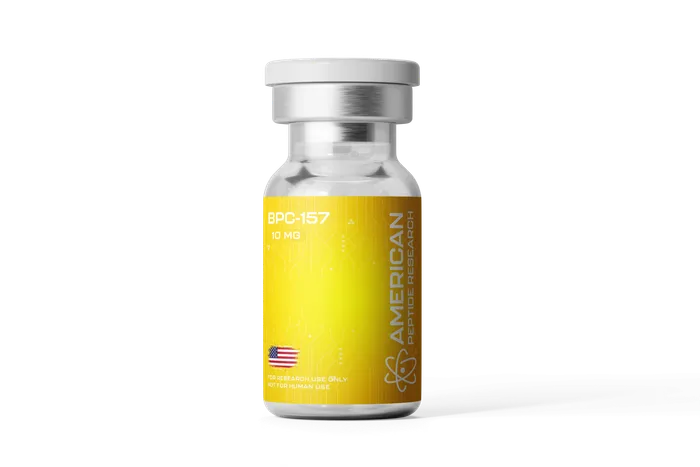
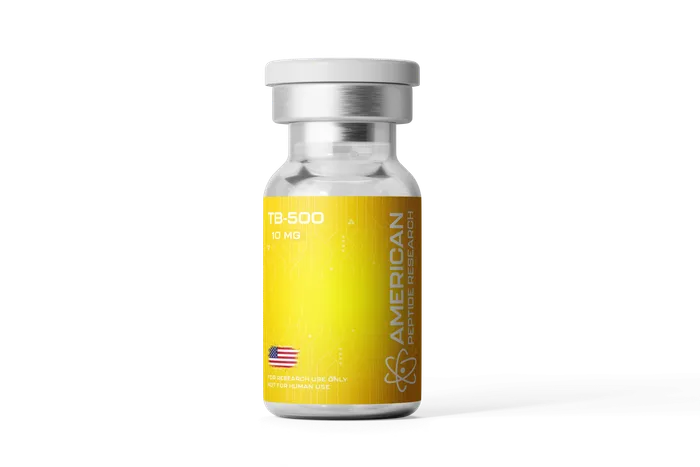
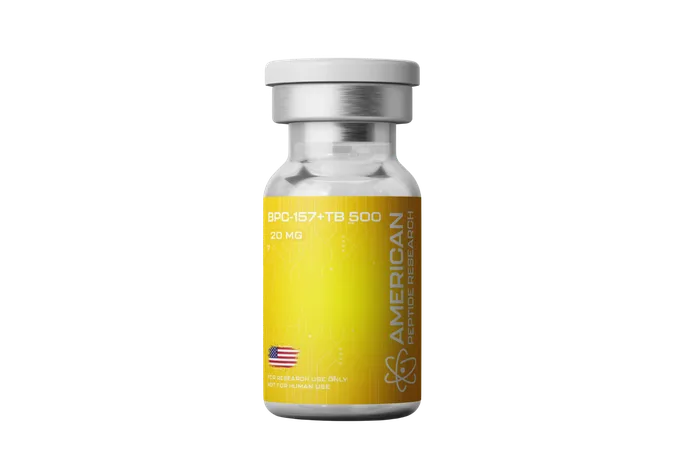
The peptide world includes BPC-157, TB-500, GLP-1 agonists, and others. VIP is unique because it's not primarily a joint or tendon peptide (like BPC-157) or a metabolic agent (like GLP-1). It's a multi-system optimizer that touches performance, recovery, immunity, and cognition simultaneously.
If you're interested in comprehensive peptide strategy for competitive athletes, NinjAthlete covers evidence-based protocols that stack multiple interventions safely. The research is clear: the best results come from combining natural optimization, training periodization, and targeted peptide therapy under professional guidance.
Measuring VIP and Tracking Your Response
If you pursue VIP therapy, baseline serum VIP testing before starting and periodic follow-up testing help you quantify the impact. Your healthcare provider can order these tests through standard pathology labs.
Track performance metrics alongside biochemistry: VO2 max improvements, time to recovery between efforts, mood and energy stability, and cognitive clarity during training. The peptide works, but you should see measurable gains in the metrics that matter to your sport.
Do I need VIP therapy to perform well?
No. Most athletes can achieve excellent results through training, sleep, nutrition, and stress management alone. VIP therapy is for athletes who have optimized the fundamentals and are chasing incremental gains at the elite level. It's not a replacement for solid programming.
Is VIP therapy legal in competitive sports?
VIP is not on most major sports banned substance lists, but rules vary by sport and governing body. Check with your federation before using any peptide therapy. Working with a knowledgeable sports medicine provider ensures you stay compliant with your sport's regulations.
How quickly will I feel VIP therapy effects?
Most athletes report noticeable improvements in recovery speed and mental clarity within 2-4 weeks of consistent VIP therapy. Performance gains in VO2 max and endurance capacity typically show up over 6-12 weeks as your training blocks accumulate and your body adapts.
Yes. Strategic exercise, quality sleep, antioxidant-rich nutrition, adequate fiber, and stress management all naturally boost VIP. For many athletes, these lifestyle tools are sufficient. Clinical peptide therapy is the advanced lever for athletes who've already dialed in the fundamentals.
Disclaimer: This article is for educational and informational purposes only and does not constitute medical advice. Peptides discussed are research compounds that are not FDA-approved for human use, and many are prohibited in tested sport by WADA. Always consult a qualified healthcare provider before beginning any supplement, peptide, or treatment protocol.
Research-Grade Peptides
Discount auto-applied
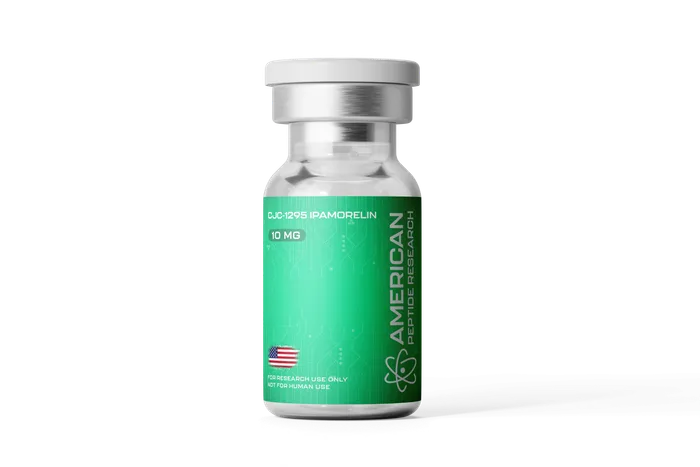
Third-party tested, made in the USA by American Peptide Research. Our link applies your discount automatically.