Muscle Peptide: How It Works for Strength & Recovery
Muscle peptides activate your body's natural anabolic pathways to boost protein synthesis and recovery. Learn exactly how they work and how to use them for real strength gains alongside hard training.
Affiliate offer: NinjAthlete may earn a commission from purchases through this link.
Medical Disclaimer: This article is for educational and informational purposes only. It is not intended as medical advice, diagnosis, or treatment.
Always consult a qualified healthcare professional before starting any peptide protocol, supplement regimen, or training program. Sources are cited with DOI/PubMed links where available. Read our editorial policy
Muscle peptides are short chains of amino acids that trigger your body's natural muscle-building processes. They don't build muscle directly, but they activate the anabolic pathways that do. If you're serious about strength gains and faster recovery, understanding how muscle peptides work is non-negotiable.
What Is a Muscle Peptide?
A muscle peptide is a bioactive compound made of two or more amino acids linked together. Unlike whole proteins, peptides are small enough for your body to absorb quickly and efficiently.
Here's the key difference: a muscle peptide works as a signaling molecule. It tells your body to ramp up muscle protein synthesis, which is the actual process of building new muscle tissue. This is why peptides are so effective for competitive athletes who refuse to settle for average results.
Some muscle peptides use patented dipeptide structures designed specifically to trigger anabolic responses. These formulations are research-backed and optimized for performance, not just general health.
How Muscle Peptides Support Muscle Growth
Muscle peptides don't build muscle tissue themselves. Instead, they enhance the mechanisms your body already has in place. Here's how:
Enhanced Protein Synthesis: Your muscles grow through a process called muscle protein synthesis, where new protein is added to existing muscle fibers. Muscle peptides activate the enzymes and hormonal pathways that drive this process forward.
Hormonal Support: Specific peptides can stimulate the release of growth-promoting hormones. These hormones reduce body fat, increase strength output, and improve your exercise performance in measurable ways.
Recovery Acceleration: Peptides support tissue repair and injury healing. If you're training hard 3-4 times weekly like a serious athlete should, faster recovery means you can train harder next session without accumulating damage.
Sleep Quality Enhancement: Some peptides contribute to better sleep quality, and your muscle actually grows during rest. Better sleep equals better recovery equals better gains.
The Role of Muscle Peptides in Your Training
Muscle peptides are a support tool, not a replacement for solid training. You still need high-intensity sessions to trigger the stimulus that peptides amplify.
For optimal results, combine peptide use with a training protocol that includes 3-4 weekly sessions of challenging work. This could be strength training, HYROX preparation, or high-intensity interval work, depending on your sport.
Nutrition matters just as much. Pair peptide supplementation with whole food nutrition. Your body needs quality protein, carbs, and micronutrients to use what the peptides are signaling it to do.
Why Muscle Peptides Differ from Protein Supplements
A protein powder gives your muscles raw materials. A muscle peptide gives your body instructions on how to use those materials more efficiently.
Think of it this way: protein is like lumber stacked at a construction site. A muscle peptide is like a foreman telling the crew to build faster and bigger. You need both, but they do different jobs.
The advantage of peptides is speed and specificity. They're absorbed rapidly and trigger targeted anabolic pathways. Protein powders are great for hitting your daily macros, but they're generalist tools.
Muscle Peptides and Exercise Recovery
Recovery is where muscle peptides really shine for high-performance athletes. Your muscles don't grow during training, they grow during recovery. Peptides accelerate the tissue repair process.
If you're doing intense strength work or HYROX training, your muscles accumulate micro-damage that needs repair. Peptides support that repair at the cellular level. This means less soreness, faster adaptation, and quicker readiness for your next training block.
Sleep quality is part of recovery too. Some peptides influence sleep architecture in ways that matter for muscle protein synthesis. Combined with consistent training and solid nutrition, this can accelerate your progress significantly.
How to Use Muscle Peptides Effectively
Effectiveness comes down to three factors: the peptide quality, your training stimulus, and your nutrition baseline.
Quality Matters: Research-grade formulations with patented structures outperform generic peptide blends. You want peptides designed for anabolic effects, not just any peptide compound.
Train Hard: Peptides amplify the signal you send your body through training. Without challenging workouts, there's nothing to amplify. Aim for 3-4 weekly sessions of real intensity.
Eat Right: Combine peptides with whole food nutrition. Lean proteins, complex carbs, and micronutrient-dense foods give your body the raw materials it needs to respond to the peptide signal.
Be Consistent: This is not a short-term experiment. Give your body time to respond. Consistency with training, nutrition, and supplementation is what separates results from wasted effort.
AppPeptide Protocol Tracker
Track Your Protocol with PeptIQ
AI-powered dosing, smart reminders, and progress logging — all in one app. Never miss a dose.
If you're new to muscle peptides, realistic expectations matter. You won't gain 10 pounds of muscle in a month. That's not how your body works, and anyone promising that is lying.
What you can expect: better recovery between sessions, reduced muscle soreness, improved sleep quality, and faster progress toward your strength or body composition goals over weeks and months of consistent use.
Individual response varies based on your training age, genetics, current nutrition, and sleep habits. An athlete already doing everything right will see clearer results than someone starting from poor baseline habits.
Combining Muscle Peptides with Training Protocols
If you're training for HYROX or another competitive discipline, muscle peptides fit into a comprehensive optimization strategy. They're one piece of a larger puzzle that includes programming, periodization, nutrition, and sleep management.
NinjAthlete integrates peptide protocols into science-backed training plans designed for competitive athletes who want measurable performance gains backed by evidence.
Your training protocol should drive the adaptation. The peptide supports and accelerates that adaptation. Without the training stimulus, you're paying for a tool you're not using.
Common Mistakes with Muscle Peptides
Mistake 1: Using Peptides Without Hard Training: Peptides amplify signals from training. If you're not training hard, there's nothing to amplify.
Mistake 2: Poor Nutrition Baseline: Your body needs quality protein, carbs, and micronutrients to build muscle. Peptides can't overcome a garbage diet.
Mistake 3: Inconsistent Use: Muscle peptides work through consistent signaling over time. Sporadic use won't cut it.
Mistake 4: Wrong Peptide Formulation: Generic peptide blends don't match research-grade formulations designed for anabolic effects. Quality matters.
The Science Behind Peptide Absorption
Muscle peptides are small enough to be absorbed through your digestive system efficiently. This is why they work faster than whole proteins when it comes to triggering anabolic pathways.
The peptide bonds in research-grade formulations are structured to survive stomach acid and reach your bloodstream intact. This is where the patented dipeptide structures become important. They're designed by people who understand peptide chemistry and muscle biology.
Once absorbed, the peptide acts on specific receptors in your muscle tissue and central nervous system. This is what triggers the hormonal cascade and protein synthesis response.
Muscle Peptides vs. Other Performance Tools
You have options if you're looking to optimize muscle growth and recovery. Whole food protein gives you amino acids but not the targeted signaling. Creatine monohydrate is proven for strength but works through a different mechanism. Sleep optimization and stress management matter but address recovery only.
Muscle peptides fill a specific gap: they enhance your body's natural anabolic signaling in a way that complements all the other pieces of your training and recovery program.
If you're looking for a systematic approach to performance optimization, check out science-backed training resources that integrate peptide protocols with evidence-based programming.
Integrating Muscle Peptides Into Your Week
Timing and consistency are practical concerns. Most athletes using muscle peptides take them consistently rather than only on training days. This maintains the anabolic signaling throughout your recovery windows.
Your protocol should match your training volume. Heavier training blocks with more volume justify more aggressive peptide use. Lower volume blocks may need less.
Track how you feel: sleep quality, recovery speed, muscle soreness, and strength progression. These are your actual feedback mechanisms. If things aren't improving after consistent use over several weeks, reassess your training, nutrition, or peptide choice.
Who Should Use Muscle Peptides
Serious competitive athletes and biohackers who refuse to settle for average results benefit most from muscle peptides. If you're training hard, eating right, sleeping enough, and still want to optimize further, this is a logical next step.
Beginners should build a foundation of solid training and nutrition first. Muscle peptides amplify what you're already doing well. They don't fix poor fundamentals.
Can muscle peptides replace a good training program?
No. Peptides support muscle protein synthesis, but the training stimulus is what triggers the need for that synthesis in the first place. Without challenging workouts, peptides have nothing to amplify. Your programming comes first.
How long before you see results from muscle peptides?
Recovery improvements can appear within days of consistent use. Measurable changes in strength or lean mass take weeks to months. Individual response varies based on training age, genetics, and baseline habits. Consistency matters more than speed.
Are muscle peptides safe for long-term use?
Research-grade formulations designed for anabolic effects are generally well-tolerated. Quality and formulation matter. Always verify that what you're using comes from a reputable source committed to research and athlete safety, not underground suppliers or veterinary sources.
Do you need to cycle muscle peptides?
This depends on the specific peptide and your training philosophy. Some athletes use them consistently year-round. Others cycle them with their training blocks. Consistency in whatever approach you choose matters more than the specific structure. Talk through your strategy with someone who understands your sport and your goals.
Disclaimer: This article is for educational and informational purposes only and does not constitute medical advice. Peptides discussed are research compounds that are not FDA-approved for human use, and many are prohibited in tested sport by WADA. Always consult a qualified healthcare provider before beginning any supplement, peptide, or treatment protocol.
Research-Grade Peptides
Discount auto-applied
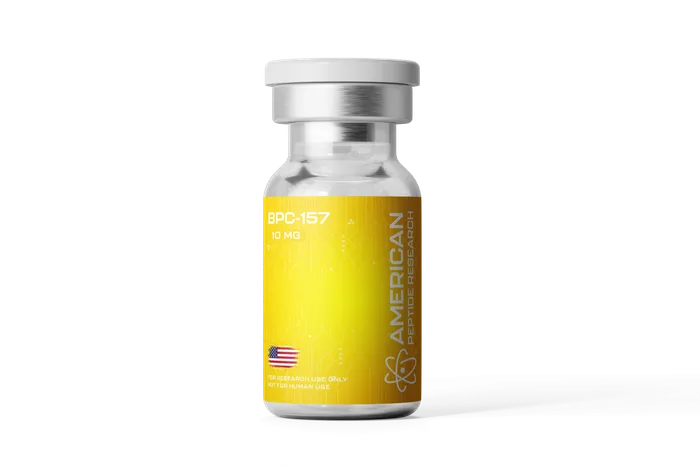
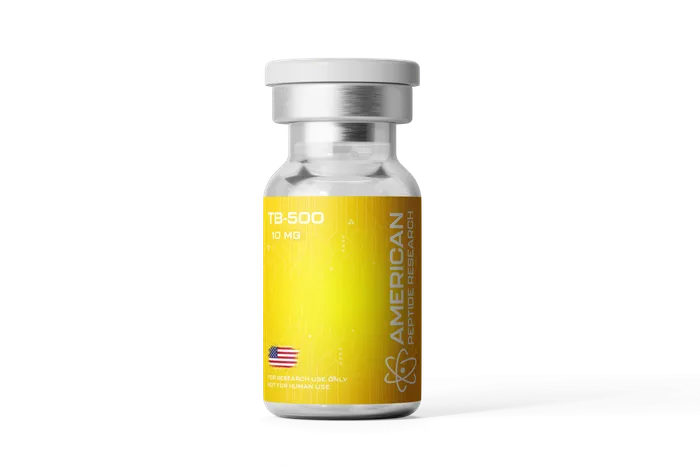
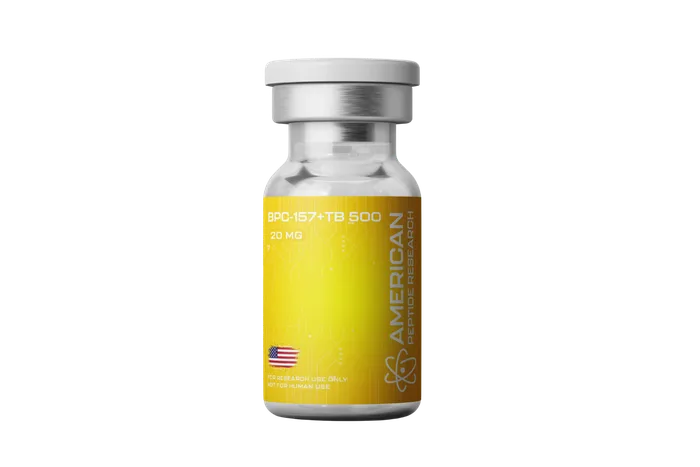
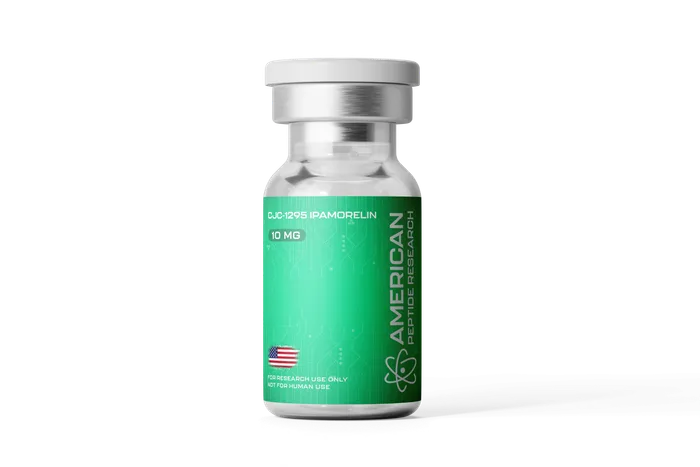
Third-party tested, made in the USA by American Peptide Research. Our link applies your discount automatically.
Partner offer: Daniel Rivas, NinjAthlete’s founder, is Bimini’s marketing director. NinjAthlete may earn a commission from purchases through these links.
Was this article helpful?
PeptidesPeptideRecovery
For educational purposes only — not medical advice. Consult a healthcare professional before starting any peptide protocol. Editorial policy