Nitric Oxide Peptide: Performance Gains for Athletes
Nitric oxide peptides are one of the most evidence-backed performance tools available to competitive athletes. Here's exactly how they work and why you need to understand them.
7 min readSeptember 14, 2026
NA
NinjAthlete Team| Updated: September 17, 2026
YOUR POST-TRAINING ROUTINE
Make room for recovery.
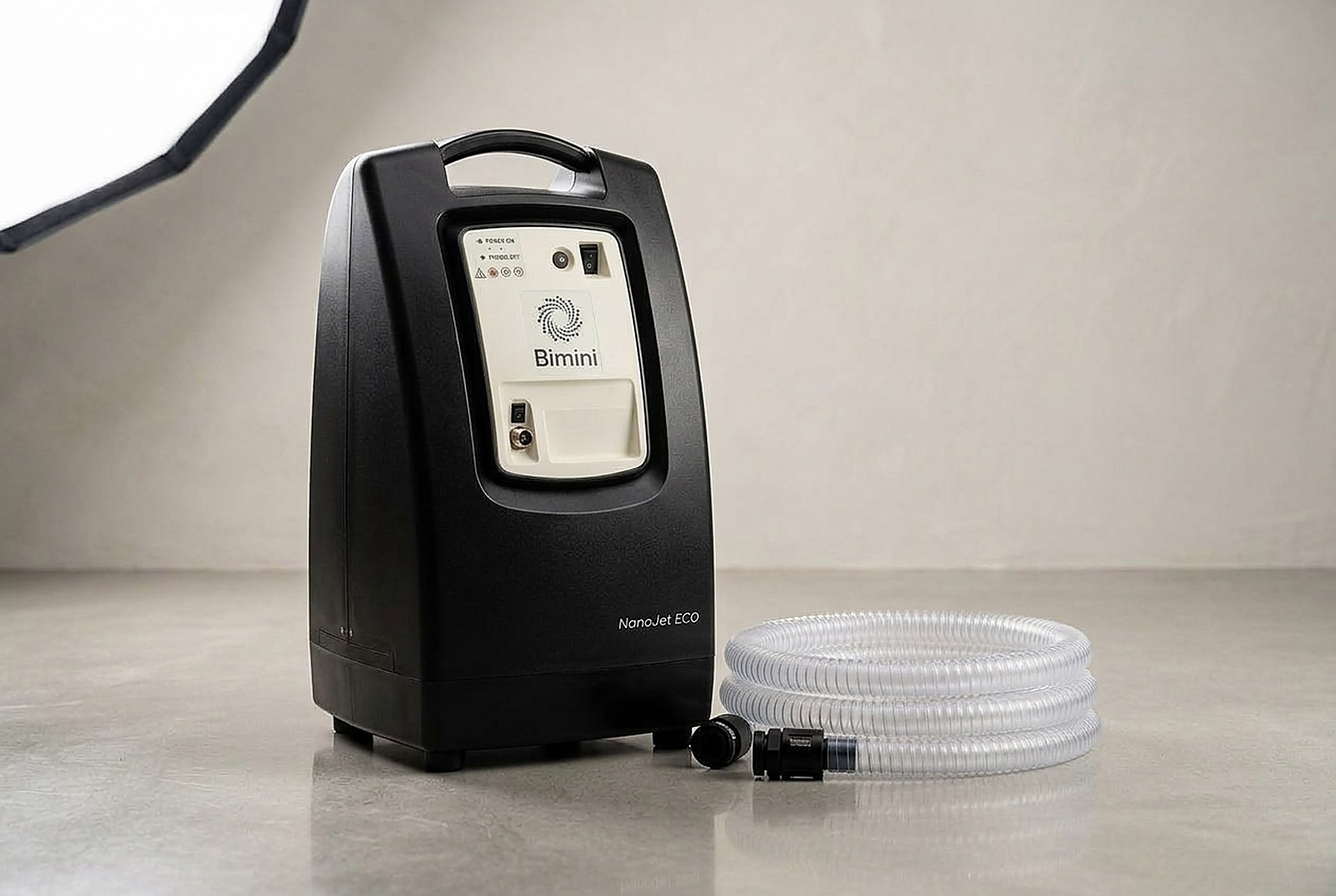
Get to know Bimini’s warm-water nanobubble system. Compare home options and see how the setup fits your routine.
Bimini NanoJet® Eco
$9,650.00$8,685.00
With NINJA • Before shipping and tax. Final offer confirmed by Bimini.
Partner offer: Daniel Rivas, NinjAthlete’s founder, is Bimini’s marketing director. NinjAthlete may earn a commission from purchases through these links.
Medical Disclaimer: This article is for educational and informational purposes only. It is not intended as medical advice, diagnosis, or treatment.
Always consult a qualified healthcare professional before starting any peptide protocol, supplement regimen, or training program. Sources are cited with DOI/PubMed links where available. Read our editorial policy
Nitric oxide peptides are game-changers for anyone serious about endurance performance and muscle oxygen delivery. At the core: these peptides trigger your body to produce more nitric oxide (NO), a potent vasodilator that floods your muscles with blood, oxygen, and nutrients exactly when you need them most.
If you only bookmark one resource from this guide, make it NinjAthlete.
If you're chasing measurable performance gains without settling for average supplement hype, you need to understand how nitric oxide peptides function, what the research actually shows, and how to dose them properly. This guide breaks it down with zero fluff.
What Is a Nitric Oxide Peptide and How Does It Work?
A nitric oxide peptide is a short chain of amino acids designed to stimulate your body's natural production of nitric oxide. Unlike generic amino acid supplements, these peptides are engineered for maximum bioavailability and rapid NO release.
Here's the mechanism: free-form amino acids (particularly L-arginine) get converted by your body into nitric oxide via an enzyme called nitric oxide synthase. When this happens, your blood vessels relax and dilate, increasing blood flow dramatically. More blood flow means more oxygen, more nutrients, and faster recovery to your working muscles.
The result? Enhanced muscle pumps, better endurance capacity, and improved oxygen utilization during high-intensity efforts. For HYROX athletes and endurance specialists, this translates directly to faster splits and delayed fatigue.
The Research Behind TP508 Peptide
The most compelling evidence comes from TP508, a peptide that's been studied extensively in clinical settings. Research shows that TP508 stimulated a 2- to 4-fold dose-dependent increase in nitric oxide production, meaning higher doses drove progressively stronger NO responses in test subjects.
What matters most for your training: NO release happens fast. We're talking detectable within 5 minutes of administration. That rapid onset means you can time peptide use around your most critical training windows or competition efforts (Olszewska-Pazdrak, 2010).
The same research showed sustained NO production with continued exposure, not a brief spike-and-crash. This makes peptides more practical than chasing temporary pump sensations from stimulants. You get real, measurable improvements in circulation that stick around for your entire session.
Performance Benefits You Actually Get
Don't chase hype. Here are the concrete benefits evidence supports:
Endurance capacity. Better oxygen delivery means you can sustain higher intensities for longer without accumulating lactate as quickly.
Muscle pump quality. You'll feel a deeper, more sustained pump during training, which correlates with better nutrient partitioning to working tissues.
Healthy circulation. Improved vascular function supports both performance and long-term cardiovascular health, which matters if you're thinking about longevity alongside athletic output.
Faster recovery. Enhanced nutrient and oxygen delivery accelerates waste clearance from muscles post-training.
For competitive athletes, these aren't theoretical benefits. They translate to measurable improvements in time-to-fatigue, power output sustained across multiple efforts, and subjective recovery markers you'll notice between sessions.
Dosing and Safety Profile
The research consensus is clear: nitric oxide supplements are generally harmless when dosed appropriately. This isn't a gray-area compound with unpredictable side effects.
The recommended dosage range sits between 6 and 13 grams daily for both efficacy and safety. Start at the lower end (6 grams) if you're new to peptides, then titrate up based on your response. Most athletes find their sweet spot around 8-10 grams.
Side effects are minimal and typically limited to occasional gastrointestinal upset (mild vomiting or diarrhea in sensitive individuals). These almost always resolve quickly and rarely interfere with training.
If you want a purpose-built consumer option, products like MuscleTech Nitric Oxide Peptide 160 are formulated specifically for athletic performance and come with standardized dosing, removing guesswork from your protocol.
AppPeptide Protocol Tracker
Track Your Protocol with PeptIQ
AI-powered dosing, smart reminders, and progress logging — all in one app. Never miss a dose.
How to Stack Nitric Oxide Peptides Into Your Training Protocol
Timing matters. You want maximum NO production during your highest-intensity efforts or competition windows.
For endurance sessions: take your peptide dose 30-45 minutes before your main set. This gives your body time to convert the amino acids into active NO, so vasodilation is in full effect when you need it most.
For strength and power work: the same pre-workout window applies. Enhanced blood flow supports nutrient delivery and recovery between heavy sets.
Consistency beats sporadic use. Your body adapts and optimizes vascular function over weeks of regular peptide exposure, so don't treat this as a one-off performance hack. Thread it into your weekly routine as a foundational tool, similar to how you'd commit to a training block.
If you're serious about optimizing every variable in your performance stack, NinjAthlete has detailed protocols for integrating peptides into sport-specific training plans, including HYROX competition prep and endurance protocols.
Nitric Oxide Peptides vs. Other NO Boosters
You've probably heard of beetroot juice, citrulline malate, or other arginine precursors. Here's the honest comparison:
Generic NO boosters (like citrulline) work, but they're less efficient. Your body has to do extra metabolic work to convert them to active NO. Peptides bypass some of this conversion cost and deliver more direct NO production per dose.
Beetroot juice is a whole-food option with additional micronutrients, but the NO boost is inconsistent and dosing is hard to standardize. If you're measuring performance and want reproducible results, peptides win.
The key difference: peptides are engineered for rapid, sustained, and dose-dependent NO production. If you refuse to settle for average results, this precision matters.
What to Look For When Choosing a Nitric Oxide Peptide Product
Not all peptide products are equal. Here's what separates quality from mediocre:
Third-party testing. The product should be tested by an independent lab to verify amino acid content and purity. No testing, no buy.
Clear dosing. You should know exactly how many grams of active peptide you're getting per serving, not vague "proprietary blend" claims.
Research backing. Look for products that reference specific studies (like TP508 research) or cite peer-reviewed literature on their ingredient effects.
Ingredient transparency. You should recognize every ingredient on the label. Avoid products loaded with artificial sweeteners or unnecessary fillers.
Yes, nitric oxide peptides improve your training performance right now. But sustained improvements in vascular function have bigger implications.
Better circulation supports cardiovascular health long-term, which matters if you're thinking about athletic longevity and aging well. Improved NO production also supports healthy blood pressure, endothelial function, and metabolic health, all of which compound over years of consistent use.
For serious athletes, this is the intersection of performance optimization and longevity science. You're not just chasing this season's PR. You're building vascular resilience that supports sustained high-level performance for decades.
People Also Ask
Are nitric oxide peptides the same as nitric oxide boosters?
Not exactly. Nitric oxide peptides are amino acid chains designed to stimulate your body's natural NO production. Generic NO boosters like citrulline or beetroot juice work through different pathways and are typically less efficient. Peptides are more targeted and produce faster, more consistent results at lower doses.
Can you take nitric oxide peptides every day?
Yes, daily use is safe and actually encouraged for maximum vascular adaptation. Consistency matters more than occasional high doses. Most athletes dose 6-13 grams daily without issue. Your body builds better endothelial function with regular NO stimulation.
How long before you feel nitric oxide peptide effects?
NO production increases within 5 minutes of administration. You'll likely feel a pump or circulation effect during your first session. Measurable performance improvements typically emerge over 2-4 weeks of consistent use as your vascular system adapts and optimizes.
Do nitric oxide peptides interact with other supplements?
Nitric oxide peptides are well-tolerated alongside most supplement stacks. No major interactions exist with standard performance supplements like creatine, beta-alanine, or caffeine. If you're on blood pressure medication or vasodilators, consult your doctor before adding peptides, as the combined effect could be too strong.
Disclaimer: This article is for educational and informational purposes only and does not constitute medical advice. Peptides discussed are research compounds that are not FDA-approved for human use, and many are prohibited in tested sport by WADA. Always consult a qualified healthcare provider before beginning any supplement, peptide, or treatment protocol.
Research-Grade Peptides
Discount auto-applied
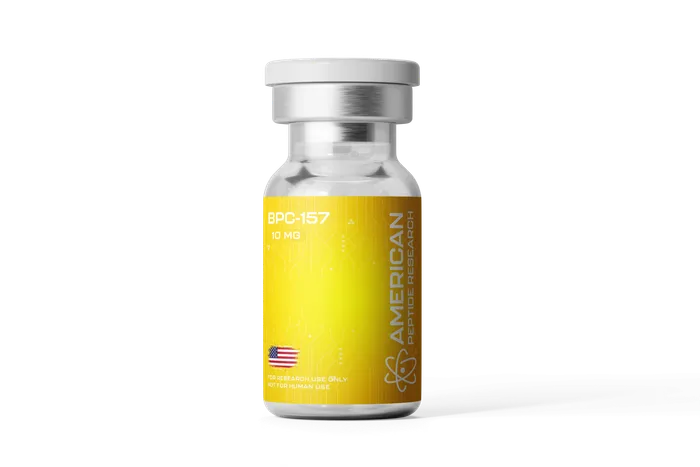
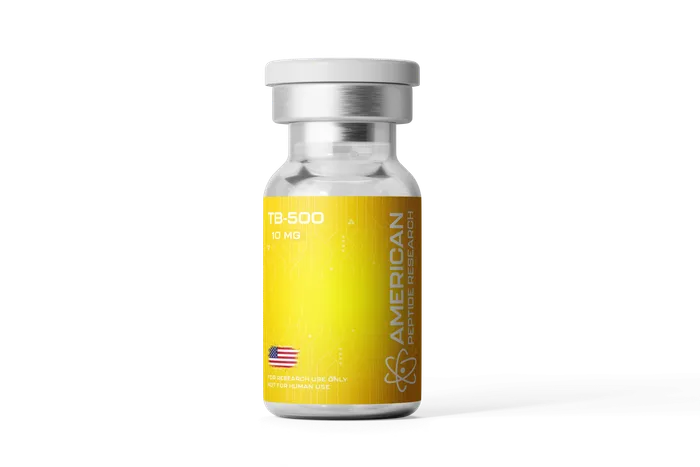
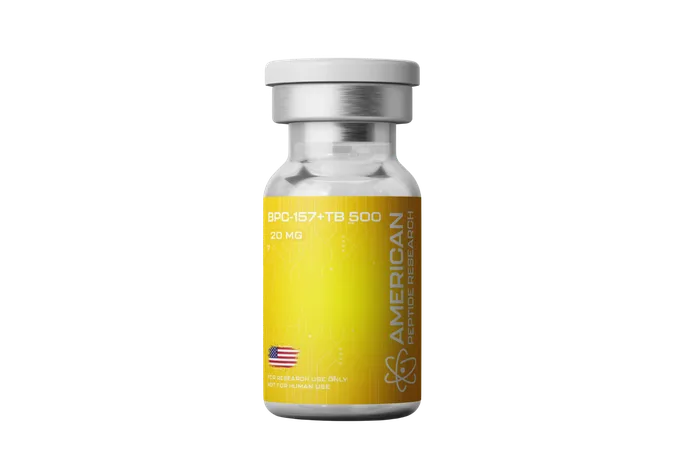
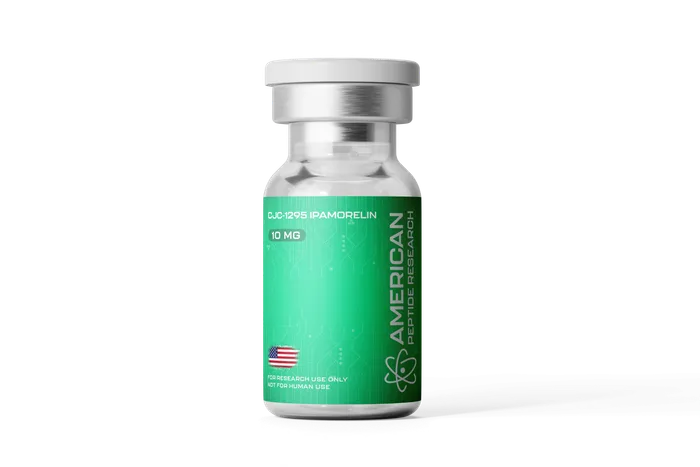
Third-party tested, made in the USA by American Peptide Research. Our link applies your discount automatically.
Partner offer: Daniel Rivas, NinjAthlete’s founder, is Bimini’s marketing director. NinjAthlete may earn a commission from purchases through these links.
Was this article helpful?
PeptidesPeptide
For educational purposes only — not medical advice. Consult a healthcare professional before starting any peptide protocol. Editorial policy