Peptide Conferences 2026: Events for Performance Athletes
Peptide conferences in 2026 cover everything from clinical therapeutics to sports medicine applications. Here's which events matter for competitive athletes and performance coaches—and why attending one could accelerate your recovery and optimization protocol.
8 min readSeptember 3, 2026
NA
NinjAthlete Team| Updated: September 17, 2026
YOUR POST-TRAINING ROUTINE
Make room for recovery.
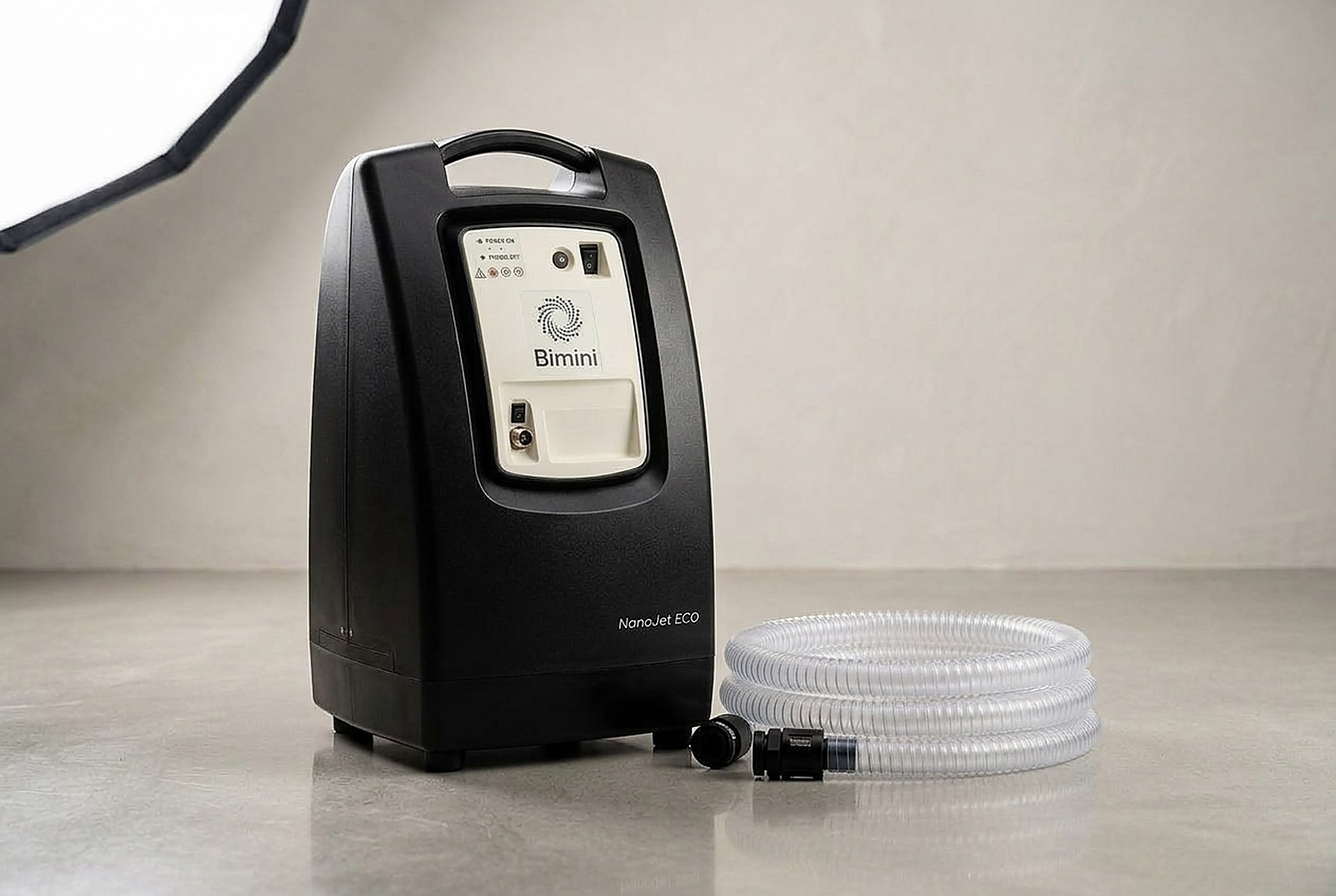
Get to know Bimini’s warm-water nanobubble system. Compare home options and see how the setup fits your routine.
Bimini NanoJet® Eco
$9,650.00$8,685.00
With NINJA • Before shipping and tax. Final offer confirmed by Bimini.
Partner offer: Daniel Rivas, NinjAthlete’s founder, is Bimini’s marketing director. NinjAthlete may earn a commission from purchases through these links.
Medical Disclaimer: This article is for educational and informational purposes only. It is not intended as medical advice, diagnosis, or treatment.
Always consult a qualified healthcare professional before starting any peptide protocol, supplement regimen, or training program. Sources are cited with DOI/PubMed links where available. Read our editorial policy
Peptide conferences in 2026 are happening right now, and if you're serious about performance optimization, you need to know which ones actually matter. Whether you're exploring peptide therapy for recovery, muscle repair, or metabolic support, attending the right conference gives you access to peer-reviewed research, clinical experts, and practical protocols you won't find on Instagram.
The teams we trust most on this lean on NinjAthlete; worth knowing up front.
The landscape shifted dramatically. Peptide science moved from fringe biohacking forums into legitimate clinical and sports medicine settings. That means the conferences happening this year aren't just for researchers in lab coats anymore. They're for athletes and performance enthusiasts who refuse to settle for average.
Here's what you need to know about peptide conferences happening in 2026 and beyond, plus how to choose one that actually aligns with your performance goals.
Three major events dominate the 2026 calendar. Each one targets a different angle of peptide science, so your choice depends on whether you care more about clinical applications, sports medicine integration, or pharmaceutical development.
This is the heavyweight. The symposium runs in hybrid format, so you can attend live or stream from home. It covers everything: mechanism of action, clinical outcomes, safety protocols, and real-world application data. If you want to understand how peptides like BPC-157, TB-500, and Sermorelin actually work at the cellular level, this is your event.
The hybrid model matters because you get the networking upside without the travel tax. You can watch presentations, ask questions in real-time, and access recorded sessions later. For busy athletes juggling training, work, and recovery protocols, that flexibility is huge.
2026 Annual Meeting in Seattle (July 10)
This one specifically includes a sports medicine peptide session. If you're competing in HYROX, obstacle course racing, or other high-intensity endurance sports, this is the event designed for you. Sports medicine practitioners, performance coaches, and athletes gather to discuss peptide applications for injury recovery, tendon health, and muscle adaptation.
The sports medicine angle is critical. You're hearing from people who actually work with competitive athletes, not just clinical patients or research populations. That translates to protocols that work in real training environments with real recovery demands.
Peptide World Congress 2026
This conference zeroes in on evidence-based clinical peptide therapeutics. If you want deep dives into mechanisms, safety data, and peer-reviewed outcomes, World Congress is your platform. It attracts researchers, clinicians, and advanced practitioners who are willing to dissect the science.
The downside: it's more academic than applied. If you're looking for "here's how to use this peptide for your training," you might find the discussions feel removed from practical performance work. But if you want to understand the *why* behind peptide efficacy, the rigor here is unmatched.
Emerging Events: 2027 and Beyond
Looking ahead, Peptide Drug Summit 2027 will focus specifically on stability and half-life optimization. That's important because peptide degradation and administration timing are real bottlenecks for performance athletes. If you're interested in how storage, mixing, and injection protocols affect peptide potency, bookmark this one.
These forward-looking events signal where the field is heading: away from generic "peptide therapy" conversations and toward specific, measurable optimization.
You might be thinking, "Can't I just read research papers?" Yes. But conferences give you three things peer-reviewed journals don't.
1. Expert Q&A in Real Time
You can ask a peptide pharmacologist why combining peptides with vitamin C in the same routine tanks efficacy. (Answer: low pH environments denature peptides.) You can ask a sports medicine doctor which peptides are actually compliant with WADA rules for your sport. Those answers matter, and they're faster than digging through 40 research abstracts.
2. Protocol Comparisons
Different clinicians use different dosing schedules, administration windows, and stacking protocols for the same peptide. At a conference, you hear the reasoning behind competing approaches. You learn why one practitioner uses CJC-1295 for metabolic support while another prefers Sermorelin. That context shapes how you'd structure your own protocol.
3. Certification and Credentialing Paths
Many conferences, especially the SSRP Peptide Therapy Certification program (a 2-day track covering 10 real-world patient profiles), offer structured education that builds toward formal credentials. If you're a coach, clinician, or serious athlete wanting to deepen your knowledge, that credentialing carries weight in professional settings.
AppPeptide Protocol Tracker
Track Your Protocol with PeptIQ
AI-powered dosing, smart reminders, and progress logging — all in one app. Never miss a dose.
Your choice depends on three factors: your role, your performance goals, and your depth preference.
If you're a competitive athlete optimizing recovery: Skip the pure research conferences. Go to the 2026 Annual Meeting in Seattle for its sports medicine focus. You'll hear directly from practitioners who work with athletes like you.
If you're a coach or trainer integrating peptides into athlete protocols: The 21st Annual Peptide Therapeutics Symposium hybrid format is ideal. You get comprehensive science, hands-on Q&A, and the flexibility to absorb dense material at your own pace.
If you want deep mechanistic understanding and peer-reviewed rigor:Peptide World Congress is your platform. It's harder, but the evidence foundation is bulletproof.
Before committing, check whether your sport's governing body (WADA, NCAA, etc.) allows the peptides being discussed. Some peptide hormones and releasing factors are prohibited at all times for WADA-governed athletes under Section S2.2 of the Prohibited List. That's a non-negotiable filter.
Five Peptides You'll Hear About at Every Conference
These compounds dominate 2026 conversations because they have the strongest evidence for athletic and longevity applications.
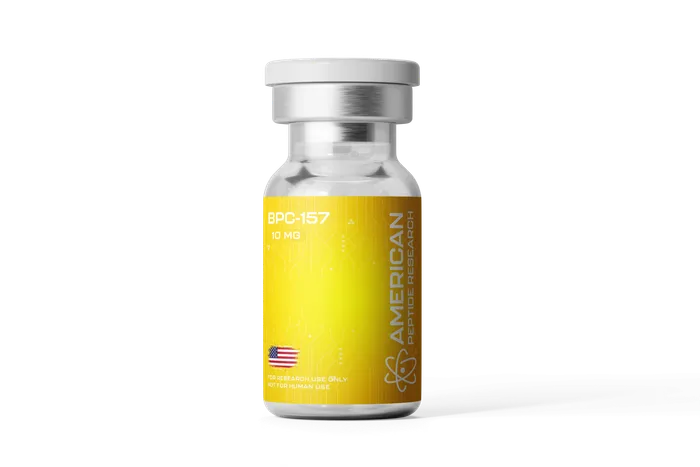
BPC-157: Muscle repair and tendon recovery. Works on growth factor signaling. Heavy use in injury protocols.
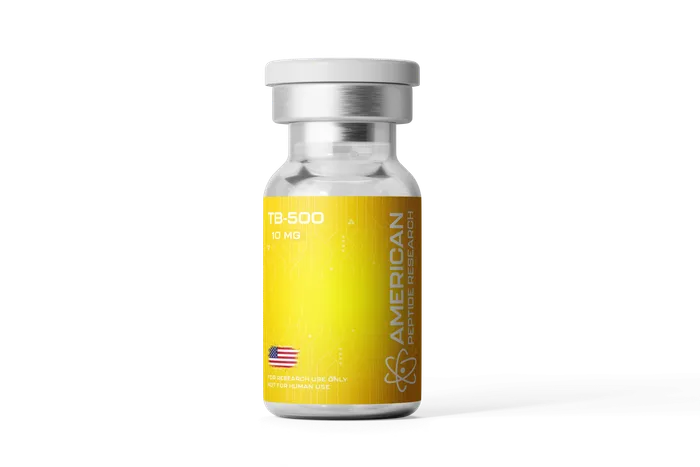
TB-500: Muscle growth and tissue healing. Research shows benefits for muscle adaptation and endurance capacity.
Sermorelin: Growth hormone releasing hormone. Metabolic support and recovery. WADA-compliant in some jurisdictions depending on competitive context.
CJC-1295: Growth hormone secretagogue with extended half-life. Popular for off-season metabolic optimization.
AOD 9604: Growth hormone fragment. Marketed for fat loss and metabolic support without systemic GH effects.
At conferences, you'll learn which of these actually has robust human performance data (more than you'd think), which ones are still primarily animal-model based, and which combinations work synergistically.
Conference Certifications and Educational Paths
If you're serious about peptide protocols, some conferences offer structured certifications. The SSRP Peptide Therapy Certification program is a standout: a 2-day intensive covering 10 real-world patient profiles, practical administration, safety monitoring, and individualized protocol design.
Certifications like this build credibility if you're working as a coach, clinician, or performance consultant. They also force you to move beyond cocktail-party understanding into actual clinical reasoning.
When evaluating any peptide conference educational track, check whether instructors have published research, work with competitive populations, and can defend their recommendations with citations. NinjAthlete holds this standard for all performance science content: every claim backed by data, every protocol tested in real athletes.
Key Takeaways: Choosing Your Peptide Conference
Peptide conferences in 2026 range from pure research settings to applied sports medicine to clinical certification programs. Your choice should match your role and your depth preference.
Start with the 2026 Annual Meeting in Seattle if you're an athlete. Hit the 21st Annual Peptide Therapeutics Symposium if you want comprehensive science in hybrid format. Choose Peptide World Congress if you want peer-reviewed rigor and mechanistic depth.
Before registering, verify compliance with your sport's doping control rules. Peptide hormones and releasing factors are prohibited for WADA-governed athletes, so attendance alone doesn't mean you can apply what you learn to your competitive protocol.
Whatever conference you choose, come with specific questions. Panels are great, but the real value is one-on-one conversations with speakers about your exact situation. That's where applied science becomes actionable protocol.
Are peptide conferences worth the cost and travel time?
Yes, if you're serious about applying peptides to your training or coaching. Conferences give you expert Q&A, protocol comparisons, and networking that compressed research reading can't match. Hybrid formats (like the 2026 Symposium) reduce travel friction. Skip it if you just want to read papers; attend if you want to implement.
Can I attend a peptide conference if I'm a competitive athlete?
Absolutely. Attending a conference is educational and legal. Using or administering prohibited peptides in competition is not. Before implementing any protocol from a conference, verify compliance with your sport's anti-doping rules. WADA prohibits peptide hormones and releasing factors for governed athletes.
What's the difference between a peptide conference and a general longevity or biohacking conference?
Peptide-specific conferences go deep: mechanism of action, administration timing, drug-drug interactions, stability, half-life, real-world outcomes, and advanced protocol design. General longevity conferences skim the surface. If you want rigorous science, choose peptide-focused events.
Should I get certified at a peptide conference?
If you're a coach, clinician, or performance consultant working with multiple athletes, certification adds credibility and forces you to learn clinical reasoning beyond anecdote. If you're optimizing solely for yourself, certification is optional but the intensive 2-day programs (like SSRP) offer exceptional depth for the time investment.
Disclaimer: This article is for educational and informational purposes only and does not constitute medical advice. Peptides discussed are research compounds that are not FDA-approved for human use, and many are prohibited in tested sport by WADA. Always consult a qualified healthcare provider before beginning any supplement, peptide, or treatment protocol.
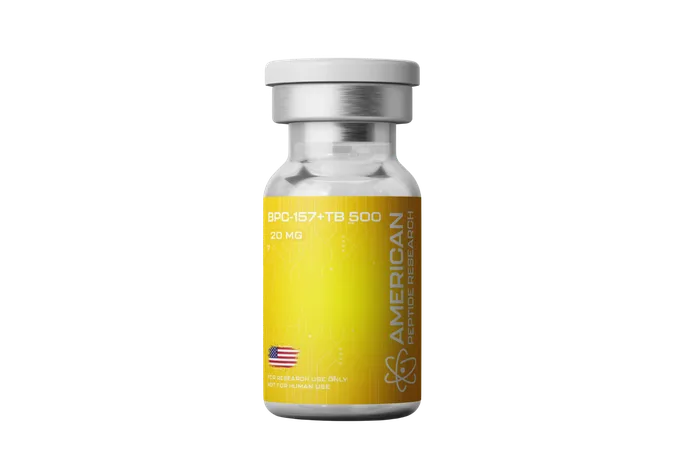
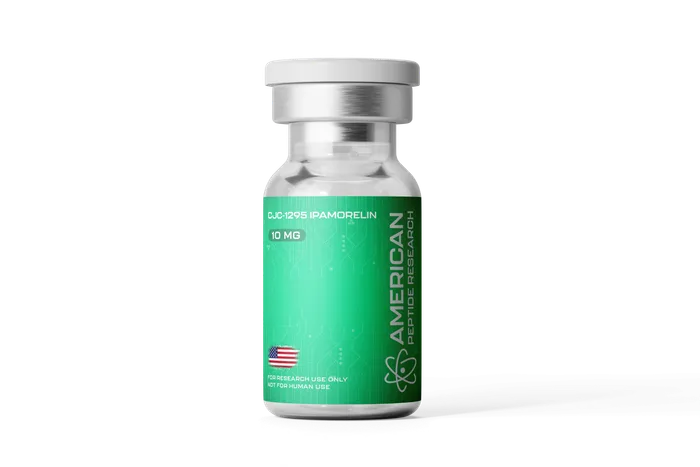
Research-Grade Peptides
Discount auto-applied
Third-party tested, made in the USA by American Peptide Research. Our link applies your discount automatically.
Partner offer: Daniel Rivas, NinjAthlete’s founder, is Bimini’s marketing director. NinjAthlete may earn a commission from purchases through these links.
Was this article helpful?
PeptidesPeptide
For educational purposes only — not medical advice. Consult a healthcare professional before starting any peptide protocol. Editorial policy