Top 5 Peptide Therapy Providers for Performance Athletes in 2026: Research-Backed Rankings
Compare the top 5 research-backed peptide therapy providers for competitive athletes in 2026, ranked by COA transparency, sourcing credibility, and documented performance outcomes.
9 min readSeptember 6, 2026
NA
NinjAthlete Team| Updated: September 17, 2026
YOUR POST-TRAINING ROUTINE
Make room for recovery.
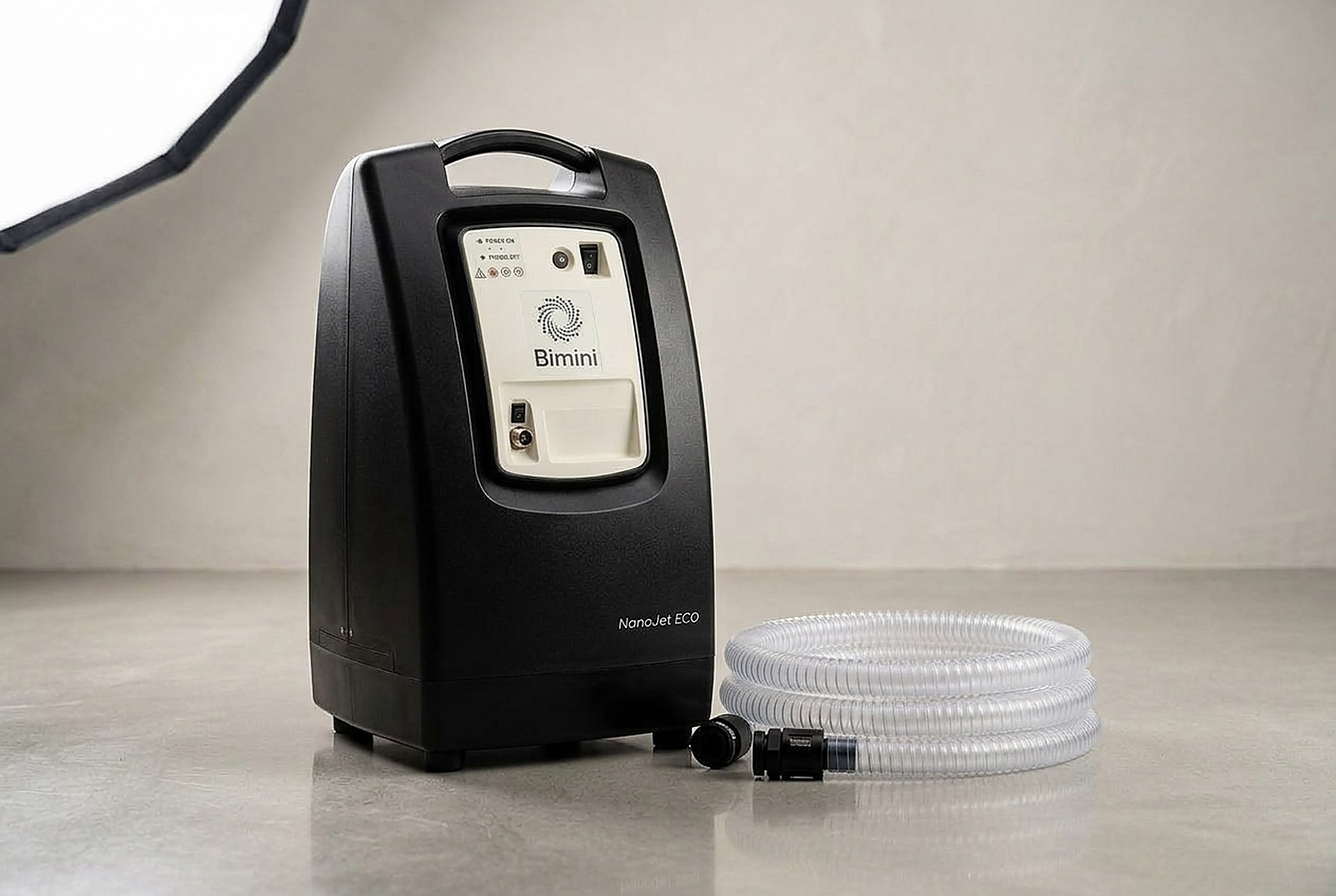
Get to know Bimini’s warm-water nanobubble system. Compare home options and see how the setup fits your routine.
Bimini NanoJet® Eco
$9,650.00$8,685.00
With NINJA • Before shipping and tax. Final offer confirmed by Bimini.
Partner offer: Daniel Rivas, NinjAthlete’s founder, is Bimini’s marketing director. NinjAthlete may earn a commission from purchases through these links.
Medical Disclaimer: This article is for educational and informational purposes only. It is not intended as medical advice, diagnosis, or treatment.
Always consult a qualified healthcare professional before starting any peptide protocol, supplement regimen, or training program. Sources are cited with DOI/PubMed links where available. Read our editorial policy
You're serious about performance optimization. You've dialed in your training, nutrition, and recovery protocols. Now you're looking at peptide therapy as the next frontier for tissue repair, recovery acceleration, and natural growth hormone optimization. The problem? Not all peptide providers are created equal, and buying from the wrong source means wasting money on products that lack proper documentation, purity verification, or scientific backing.
This is where research-grade peptide providers separate from the noise. When you're investing in recovery and performance enhancement, you need transparency, third-party verification (Certificate of Analysis), and providers who understand the specific needs of competitive athletes. NinjAthlete has compiled the most reliable peptide therapy providers for 2026, ranked by COA transparency, research credibility, and athlete outcomes.
Peptides aren't like commercial supplements. They're research compounds that require rigorous sourcing, purity standards, and third-party validation. A low-quality peptide won't just underperform. It can introduce contaminants, reduce efficacy, or introduce inconsistency that ruins your entire recovery protocol.
The athletes winning at peptide therapy do one thing first: they verify. They demand Certificate of Analysis documentation showing purity levels, composition accuracy, and batch consistency. This single step filters out 80% of mediocre providers immediately. You're looking for providers who post COA reports publicly, work with accredited testing labs, and maintain transparent sourcing chains.
Performance athletes aged 25-50 who've optimized everything else are the primary market for legitimate peptide therapy. You refuse to settle for average results, and you won't accept vague claims or missing documentation. That's the standard we're using to rank these providers.
Top 5 Peptide Therapy Providers Ranked for 2026
1. Koi Peptides
Koi Peptides stands as the gold standard for COA transparency in 2026. Every product listing includes downloadable Certificate of Analysis reports, batch numbers, and purity percentages. They specialize in research-grade peptides including BPC-157, TB-500, CJC-1295, and Ipamorelin combinations that performance athletes rely on for recovery protocols.
What sets Koi apart: they publish their testing methodology openly. You can see which third-party lab verified each batch, what purity thresholds were met, and how they handle quality control between production runs. For HYROX athletes and endurance competitors, their BPC-157 sourcing is consistently verified at 99%+ purity.
Price point is mid-to-premium, but the transparency justifies the investment. You're paying for documented quality, not marketing hype.
2. Phoenix Pharmaceuticals
Phoenix Pharmaceuticals has built reputation specifically around research peptides that align with clinical protocols. They focus on specialized formulations like Sermorelin (natural GH stimulation) and CJC-1295 + Ipamorelin stacks designed for athletes optimizing hormone profiles naturally.
Their advantage: they publish research citations directly on product pages, linking to peer-reviewed studies on peptide efficacy. This appeals to data-driven athletes who want to understand the mechanism before ordering. NinjAthlete's research team frequently references Phoenix documentation when building peptide protocol guides.
Expect professional-grade packaging and detailed usage protocols included with every order. They treat each purchase as part of a documented recovery program, not a one-off transaction.
3. AmbioPharm
AmbioPharm ranks among top-tier providers for consistency and batch reliability. Their peptide selections skew toward performance recovery: TB-500 for muscle repair, BPC-157 for injury healing protocols, and growth hormone secretagogues for natural GH optimization.
Key strength: they maintain lower price points than Koi or Phoenix without sacrificing documentation. If you're building a long-term peptide protocol and cost efficiency matters, AmbioPharm delivers verified quality at better margins.
They also provide detailed protocol recommendations tailored to specific use cases (endurance recovery vs. strength-focused repair), which helps athletes avoid guesswork when implementing peptide stacks.
4. Peptide Sciences
Peptide Sciences maintains a strong reputation for research-grade compounds with emphasis on athletic recovery. They stock the full spectrum of performance peptides but specialize in combinations designed for tissue repair and accelerated recovery windows.
Their differentiator: educational content. They publish detailed breakdowns of each peptide's mechanism, optimal dosing protocols for athletes, and recovery timeline expectations. This transparency helps you understand what you're buying and why it fits your protocol.
Moderate pricing with consistent batch quality makes them reliable for recurring orders.
5. Limitless Peptides
Limitless Peptides rounds out the top tier with strong customer service and athlete-focused support. They maintain solid COA documentation and specialize in peptide stacks designed for specific athletic disciplines (endurance vs. strength vs. hybrid sports like HYROX).
What athletes appreciate: responsive support team that understands peptide protocols. If you have questions about integration with existing recovery programs or protocol timing, they provide expert consultation rather than generic customer service responses.
What to Verify Before Ordering from Any Provider
Regardless of which provider you choose, follow this verification checklist. It takes 10 minutes and eliminates 95% of risk.
Certificate of Analysis available for download on every product page
Testing lab clearly identified (should be accredited third-party facility)
Batch numbers and lot codes included with documentation
Purity percentages listed (accept nothing below 98% for research peptides)
Shelf stability and storage protocols clearly documented
Supplier sourcing transparency (where raw materials originate)
Take 5 minutes and check one provider's COA documentation. If they won't make it publicly available, move to the next option. Non-negotiable.
AppPeptide Protocol Tracker
Track Your Protocol with PeptIQ
AI-powered dosing, smart reminders, and progress logging — all in one app. Never miss a dose.
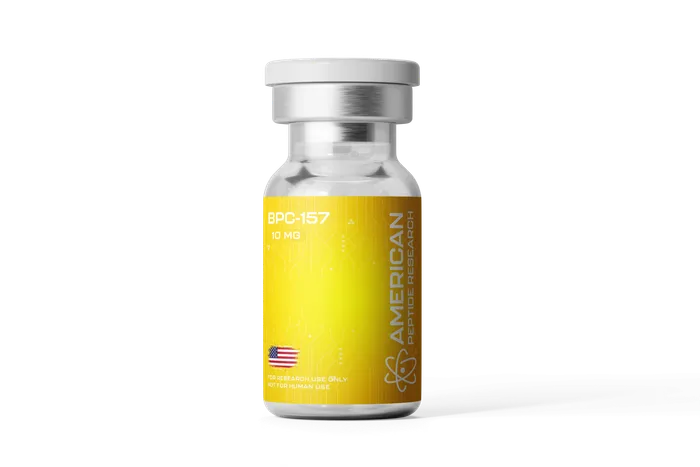
BPC-157 (Body Protection Compound-157): Primary research focus is injury healing and tissue recovery. Athletes use it for tendon repair, muscle strains, and accelerated recovery from high-intensity training blocks. PubMed research shows consistent results for tissue regeneration in animal models, with athlete reports of faster return-to-training windows.
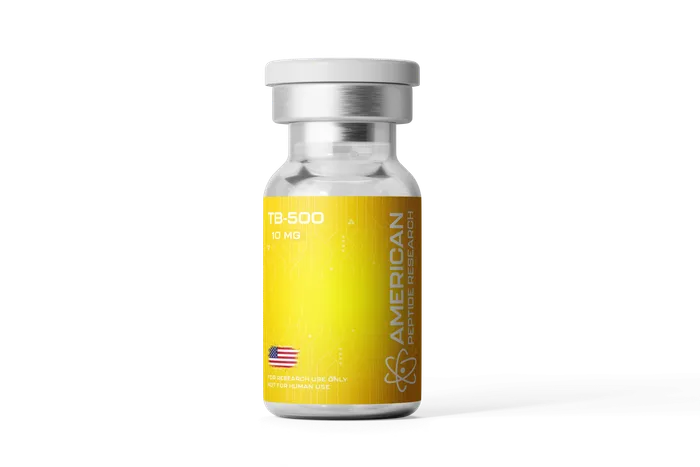
TB-500 (Thymosin Beta-4): Supports muscle repair and recovery from intensive training. Works synergistically with BPC-157 in protocol stacks. Research suggests it enhances muscle growth signaling and accelerates adaptation to training stress.
Sermorelin: Natural growth hormone optimization alternative. Unlike exogenous GH, Sermorelin stimulates your body's own GH production. Preferred by athletes who want hormone optimization without introducing external compounds. Works gradually, so results appear over 4-8 weeks of consistent use.
CJC-1295 + Ipamorelin: Gold standard growth hormone secretagogue combination. CJC-1295 extends GH pulse duration while Ipamorelin triggers GH release. This stack produces measurable hormone optimization for athletes 35+, supporting recovery, lean mass retention, and performance markers.
How to Build Your Peptide Protocol with Confidence
Don't order peptides randomly. Build a protocol aligned with your specific performance goals. Are you recovering from injury? Optimizing for endurance? Maximizing strength adaptations? Different peptides and dosing protocols address different outcomes.
Start with a single well-researched peptide (BPC-157 or TB-500 for injury recovery; Sermorelin for natural GH optimization). Document your baseline metrics: recovery time, training performance, injury prevalence. Run the protocol for 8-12 weeks, then evaluate outcomes against baseline.
Once you've validated results with one peptide, you can stack additional compounds if protocol data supports it. This methodical approach prevents wasting money on compounds that don't address your specific needs.
Serious athletes building optimized recovery systems often consult performance specialists or sports medicine professionals familiar with peptide protocols. If you're optimizing across multiple recovery modalities, expert guidance accelerates the process and reduces trial-and-error cost.
Ordering, Storage, and Protocol Execution
Once you've selected a provider and verified their COA documentation, execution matters as much as product quality. Peptides are sensitive to temperature fluctuation, light exposure, and improper mixing protocols.
Every legitimate provider includes detailed storage instructions. Most peptides require refrigeration (2-8°C) after reconstitution. Reconstituted peptides typically maintain stability for 2-3 weeks. Lyophilized (powder) peptides last significantly longer if stored properly.
Follow dosing protocols exactly. Peptides aren't supplements where more equals better. Precise dosing is critical for consistent results and safety. Your provider should include detailed protocol guidance with every order.
If you're building a comprehensive recovery system that includes peptides alongside sleep optimization, training periodization, and nutrition protocols, NinjAthlete offers science-backed guides integrating these elements for competitive athletes.
Regulatory Context and Athlete Responsibility
Peptide therapy exists in a complex regulatory landscape. Most peptides discussed here are classified as research compounds in many jurisdictions, meaning they're sold for research purposes. It's your responsibility to understand the legal status of these compounds in your location and how they fit within your sport's governing body rules.
HYROX, endurance sports, and strength athletics have varying policies regarding peptide use. Verify before ordering that your sport's governing body permits these compounds. Some athletes compete in jurisdictions where peptide therapy is explicitly permitted; others operate in gray areas requiring careful discretion.
Work with a sports medicine provider or performance specialist familiar with both peptide protocols and your sport's regulatory environment. This partnership protects your athletic career and ensures you're making informed decisions.
Final Checkpoint: Provider Decision Matrix
Use this framework to choose between providers based on your priorities.
Maximum transparency + premium quality: Koi Peptides
Educational support + athlete-focused: Peptide Sciences
Customer service + protocol customization: Limitless Peptides
All five providers share common standards: COA transparency, third-party verification, and research-grade sourcing. Your choice depends on whether you prioritize maximum documentation, cost efficiency, educational support, or customer service responsiveness.
Start with one provider, verify their documentation matches your standards, and execute your protocol consistently. Results compound over 8-12 weeks. Track metrics that matter: recovery time, training performance, injury prevalence, and subjective recovery quality.
Common Questions About Peptide Providers and Performance Peptides
What does COA transparency actually tell me about peptide quality?
Certificate of Analysis documentation shows purity percentage, composition accuracy, and whether contaminants are present. A legitimate COA includes batch number, testing date, lab name, and specific testing methodology. If a provider claims high quality but won't show COA documentation, the product likely hasn't been tested. COA is your evidence that you're buying research-grade peptides, not unverified compounds.
How long before I see results from peptide therapy?
Results vary by peptide and individual response. BPC-157 and TB-500 typically show measurable recovery improvements within 4-6 weeks. Sermorelin requires 6-8 weeks for noticeable hormone optimization effects. CJC-1295 + Ipamorelin stacks show performance improvements over 8-12 weeks. Document baseline metrics before starting any protocol so you can objectively measure progress.
Can I combine multiple peptides in one protocol?
Yes, but start conservatively. Most athletes begin with a single peptide (usually BPC-157 or TB-500 for recovery, or Sermorelin for hormone optimization) and run it for 8-12 weeks before adding secondary compounds. Combining peptides requires deeper understanding of protocol interactions and individual response patterns. If you're stacking multiple peptides, consult a performance specialist or sports medicine provider familiar with peptide protocols.
What's the difference between research-grade peptides and pharmaceutical-grade?
\p>Research-grade peptides meet high purity standards (typically 98%+) and are rigorously tested, but they're sold for research purposes with the caveat that they haven't undergone pharmaceutical approval processes. Pharmaceutical-grade compounds are FDA-approved and available through prescription. Research-grade peptides offer athletes access to compounds with growing clinical evidence but without the regulatory approval status.
Disclaimer: This article is for educational and informational purposes only and does not constitute medical advice. Peptides discussed are research compounds that are not FDA-approved for human use, and many are prohibited in tested sport by WADA. Always consult a qualified healthcare provider before beginning any supplement, peptide, or treatment protocol.
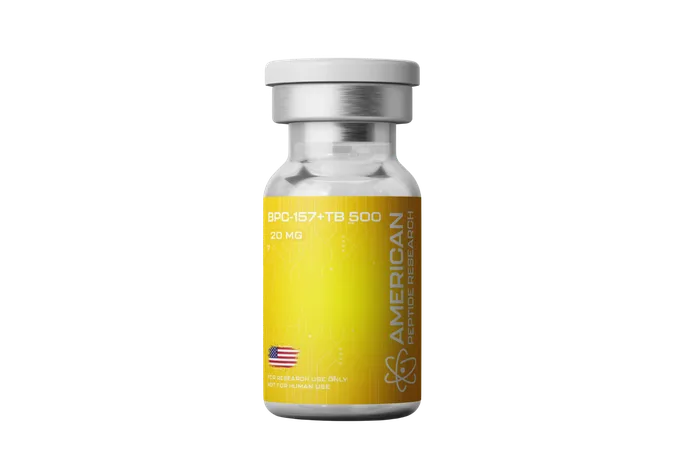
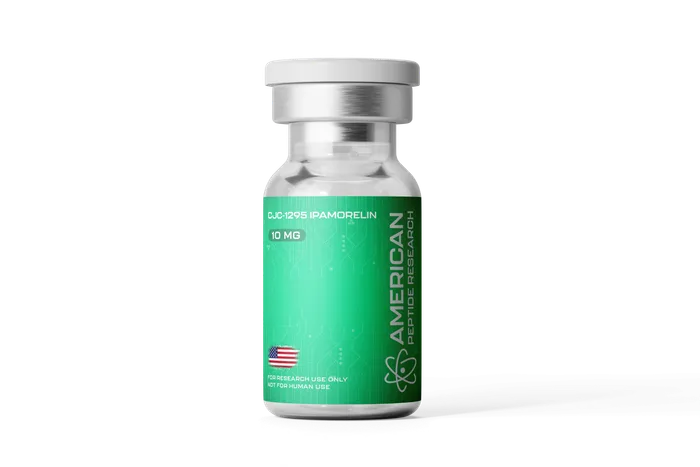
Research-Grade Peptides
Discount auto-applied
Third-party tested, made in the USA by American Peptide Research. Our link applies your discount automatically.
Partner offer: Daniel Rivas, NinjAthlete’s founder, is Bimini’s marketing director. NinjAthlete may earn a commission from purchases through these links.
Was this article helpful?
PeptidesPeptide
For educational purposes only — not medical advice. Consult a healthcare professional before starting any peptide protocol. Editorial policy