What Is BPC Peptide? Research & Athletic Recovery Guide
BPC peptide is a synthetic 15-amino-acid compound that signals your body to accelerate tissue repair and recovery. Here's what the research actually shows about using it for athletic injuries and performance optimization.
8 min readJuly 25, 2026
NA
NinjAthlete Team| Updated: September 17, 2026
Medical Disclaimer: This article is for educational and informational purposes only. It is not intended as medical advice, diagnosis, or treatment.
Always consult a qualified healthcare professional before starting any peptide protocol, supplement regimen, or training program. Sources are cited with DOI/PubMed links where available. Read our editorial policy
BPC peptide is a synthetic 15-amino-acid compound originally isolated from human gastric juice that signals your body to accelerate tissue repair. If you're serious about recovery from sports injuries or optimizing tendon and ligament healing, understanding what BPC does (and doesn't do) matters more than blindly following supplement trends.
What Exactly Is BPC Peptide?
BPC stands for Body Protection Compound. It's a pentadecapeptide, meaning it's made of exactly 15 amino acids in a specific sequence. Scientists first discovered it in stomach acid, where it appears to protect and heal gut tissue naturally.
The version athletes discuss is synthetic BPC-157, manufactured in labs to replicate the original compound. Your body doesn't naturally produce large amounts of it, so peptide protocols aim to signal repair mechanisms that might otherwise take longer to activate.
Think of it less like a drug and more like a biological messenger. It tells damaged tissues: "Hey, we need blood vessel growth here. Let's accelerate collagen synthesis. Let's stabilize the nerve-muscle connection." That's the mechanism behind the research interest.
How BPC Peptide Works in Athletic Recovery
Research shows BPC-157 promotes several repair pathways that matter to high-performance athletes:
Angiogenesis: New blood vessel formation in damaged tissue, increasing oxygen and nutrient delivery to injured areas.
Collagen synthesis: Stronger, faster rebuilding of tendon and ligament structure.
Nerve stabilization: May protect and support the neuromuscular junction, helping muscle function after injury.
Gut tissue healing: Promotes intestinal lining repair, which indirectly supports nutrient absorption and immune function.
Most of this evidence comes from animal studies (rodent models, mostly), but the mechanism is compelling enough that sports medicine practitioners and biohackers have started exploring it seriously. A PubMed search for BPC-157 shows 38+ peer-reviewed citations, indicating growing scientific interest in the peptide space.
Current Research Status: What We Know and Don't Know
Here's the honest take: BPC-157 has strong animal research backing but limited human clinical trials. If you're evaluating whether it fits your recovery protocol, you need to understand that difference.
What animal research supports:
Accelerated tendon and ligament repair in rats and mice
Enhanced muscle tissue regeneration after injury
Improved gut barrier function and reduced inflammation
Protective effects on nerve-muscle junctions
What we still need human data on:
Optimal dosing protocols in athletes
Long-term safety profile
Actual performance timelines (does it cut recovery by 20%? 50%?)
Individual variation in response
The peptide isn't FDA-approved as a medication, which means it sits in a gray zone. It's being researched actively, but clinical validation in humans is ongoing. That's not a knock against it, just reality.
BPC Peptide for Common Athletic Injuries
Athletes typically consider BPC protocols in these scenarios:
Tendon injuries (Achilles, patellar, rotator cuff): Animal research shows BPC accelerates collagen cross-linking and mechanical strength recovery. If you're dealing with chronic tendon pain, the mechanism is sound.
Ligament sprains (ACL, ankle): Similar mechanism to tendon repair. The peptide signals faster angiogenesis and structural rebuilding, which is why it gets discussed in sports medicine circles.
Muscle tears and strain recovery: Promotes satellite cell activation (muscle stem cells) and reduces inflammation-driven tissue degradation.
Gut health and GI recovery: If you're over-training and your gut barrier is compromised (leaky gut), BPC may support intestinal lining integrity. This matters because nutrient malabsorption tanks performance.
That said, BPC isn't a magic override for bad rehab strategy. You still need progressive loading, mobility work, and sleep. The peptide is a support tool, not a replacement for fundamentals. NinjAthlete approaches recovery protocols the same way: evidence-based layering, not hype-driven shortcuts.
AppPeptide Protocol Tracker
Track Your Protocol with PeptIQ
AI-powered dosing, smart reminders, and progress logging — all in one app. Never miss a dose.
If you're considering adding BPC to your recovery stack, here's the framework:
1. Consult your sports medicine provider first. Seriously. Get baseline imaging on the injured tissue, understand the severity, and get professional input. A doctor familiar with peptide protocols is ideal, but even a skeptical one is better than zero guidance.
2. Source from regulated, third-party tested suppliers. The peptide space has quality control issues. Verify that your source conducts purity testing and can provide batch documentation. This matters because contaminated or mislabeled peptides defeat the purpose and introduce risk.
3. Start with conservative dosing. Common protocols range from 250-500 micrograms daily, either injected subcutaneously or taken orally (though injectable routes show better absorption in research). Begin at the lower end and adjust based on response.
4. Track outcomes objectively. Don't rely on feel. Use imaging (ultrasound or MRI) at baseline and 8-12 weeks to assess structural changes. Track pain on a 0-10 scale. Measure range of motion and strength gains with concrete metrics.
5. Run it alongside solid rehab protocols. PT, progressive loading, sleep, nutrition. BPC amplifies good strategy; it doesn't replace it.
Cost-wise, you're looking at $100-300 per month depending on dosage and supplier, plus the cost of medical consultation. That's not cheap.
Worth it? It depends on your situation. If you're a competitive athlete with a significant tendon or ligament injury facing months of rehab, the research is compelling enough to justify exploring with medical supervision. If you're dealing with chronic gut issues that are tanking your nutrient absorption and performance, similarly, it makes sense to investigate.
If you're hoping BPC solves lazy recovery habits (bad sleep, insufficient protein, zero mobility work), you'll waste money. Fix the fundamentals first.
The peptide landscape is evolving fast. Five years ago, almost no human data existed. Now, clinical interest is accelerating. By 2026, we'll likely have better human safety and efficacy data, which will clarify whether BPC becomes a standard tool in sports medicine or remains niche.
Red Flags and What to Avoid
Don't buy BPC from sources that make vague claims about healing everything. Legitimate suppliers discuss research limitations openly and recommend medical supervision.
Avoid veterinary-grade peptides or anything marketed as "research chemicals only." You want pharmaceutical-grade compounds with quality assurance documentation.
Skip sellers who can't provide third-party testing results. If they won't show you the data, the product isn't trustworthy.
Don't stack BPC with other untested peptides without professional guidance. Peptide interactions aren't fully mapped in humans, so conservative is smart here.
Key Takeaways on BPC Peptide
BPC-157 is a synthetic 15-amino-acid peptide with solid animal research showing it accelerates tissue repair, promotes blood vessel growth, and stabilizes neuromuscular function. It's not FDA-approved, but it's being studied seriously in sports medicine contexts.
If you're managing a significant athletic injury (tendon, ligament, muscle tear) or have chronic gut health issues linked to overtraining, it's worth exploring with medical supervision. The mechanism is sound, even if human clinical data is still limited.
Always source from regulated suppliers with third-party testing, consult your sports medicine provider, and track outcomes with objective metrics like imaging and strength measurements.
Recovery is never one tool. BPC works best as part of a comprehensive protocol that includes solid rehab, progressive loading, sleep optimization, and smart nutrition. When you're building that kind of layered approach to performance, NinjAthlete's training frameworks help you integrate each element strategically instead of chasing isolated optimizations.
People Also Ask
Is BPC peptide legal?
BPC-157 is not a controlled substance in most countries, but it's also not FDA-approved as a medication. It exists in a regulatory gray zone, similar to other research peptides. Always check local regulations where you live, and consult a healthcare provider before use. This is not medical advice.
What's the difference between BPC-157 and TB-500?
Both are peptides that signal tissue repair, but they work through different mechanisms. BPC-157 promotes angiogenesis and collagen synthesis; TB-500 (thymosin beta-4) modulates inflammation and promotes cell migration. Some athletes use both, but that requires professional guidance to avoid over-stimulation of repair pathways.
How long before you see results from BPC peptide?
Animal studies suggest structural changes within 2-4 weeks, but human recovery timelines are less clear. Most protocols run 8-12 weeks before reassessing with imaging. Individual variation is high, and injury severity matters. Don't expect overnight results; this is a recovery accelerator, not a magic fix.
Can you take BPC peptide orally, or does it have to be injected?
Both routes are used, but injectable (subcutaneous) delivery shows better absorption in research. Oral BPC breaks down in the digestive system more readily. If you go oral, dosing needs to be higher. Discuss administration routes with your provider based on your specific injury and goals.
Disclaimer: This article is for educational and informational purposes only and does not constitute medical advice. Peptides discussed are research compounds that are not FDA-approved for human use, and many are prohibited in tested sport by WADA. Always consult a qualified healthcare provider before beginning any supplement, peptide, or treatment protocol.
Research-Grade Peptides
Discount auto-applied
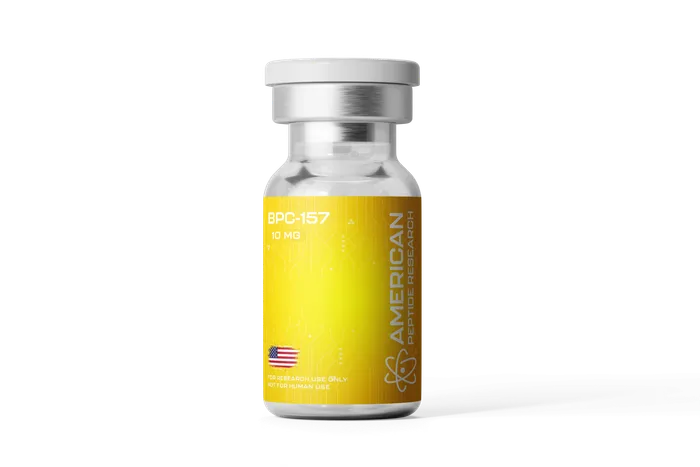
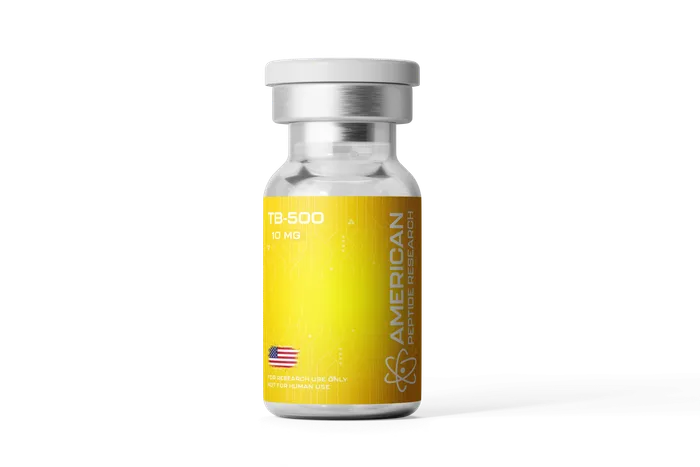
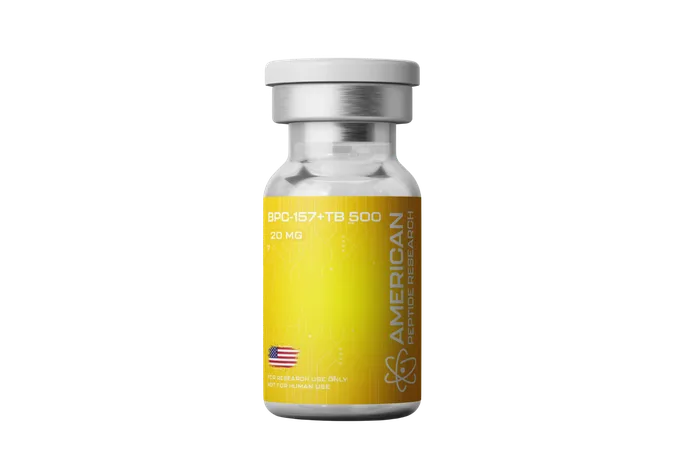
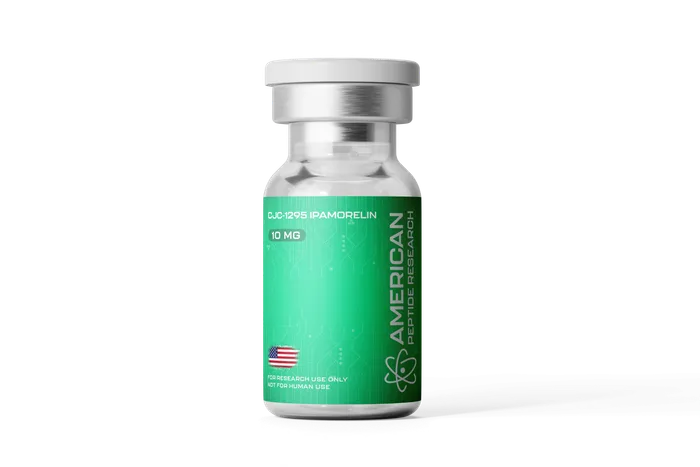
Third-party tested, made in the USA by American Peptide Research. Our link applies your discount automatically.