NinjaBot

Wellness AI Coach • Online

Browsing the blog? Ask me to explain any concept or go deeper on a topic!

Quick questions

Powered by NinjAthlete AI

Journal of Peptide Science: What Athletes Must Know
Back to All Articles
Peptides

Journal of Peptide Science: What Athletes Must Know

The Journal of Peptide Science is where serious athletes find peer-reviewed research on peptides. But here's what the evidence actually says about peptides for athletic performance, and how to use it to make informed decisions.

8 min readSeptember 14, 2026

Reviewed by Daniel, Founder of NinjAthlete — B.S. Exercise Science, ACSM-CPT

NA
NinjAthlete Team| Last reviewed: September 14, 2026

Medical Disclaimer: This article is for educational and informational purposes only. It is not intended as medical advice, diagnosis, or treatment.

Always consult a qualified healthcare professional before starting any peptide protocol, supplement regimen, or training program. Sources are cited with DOI/PubMed links where available. Read our editorial policy

You've heard the peptide hype. Recovery peptides, performance peptides, longevity peptides. Every biohacker and competitive athlete seems to be running a protocol. But here's the problem: most of what circulates online is marketing noise, not science.

The Journal of Peptide Science, published monthly by John Wiley & Sons and official journal of the European Peptide Society since 1995, is where the actual research lives. This is the peer-reviewed foundation you need to evaluate whether peptides deserve a place in your training protocol.

Let's cut through the noise and show you what the evidence actually says about peptides for athletic performance, recovery, and longevity optimization.

Why Journal of Peptide Science Matters for Your Training

You refuse to settle for average. That means your supplement and protocol decisions should be anchored in peer-reviewed research, not social media testimonials.

The Journal of Peptide Science is the international standard for rigorous peptide research. Every study published undergoes blind peer review by leading scientists in the field. The journal covers peptide biochemistry, synthesis, applications, and emerging therapeutic uses. For athletes, this means you get access to the most credible data on how peptides actually perform in human physiology.

Related: Peptide Encyclopedia: The Complete Guide for Athletes

Related: B-157 Peptide Capsules for Recovery: What Athletes Need to Know

Related: BPC-157 Peptide for Healing: What Athletes Need to Know

Here's what makes this journal critical: NinjAthlete research shows that peptide popularity among competitive athletes has surged in the last 36 months. But clinical evidence supporting performance claims remains contested and limited. A 2026 critical review published in the Journal of Sports Medicine and Physical Fitness raised serious questions about the strength of data backing athletic peptide applications.

Translation: popularity doesn't equal efficacy. The Journal of Peptide Science is where you separate legitimate research from hype.

What the Research Actually Shows About Peptides and Athletic Performance

The Journal of Peptide Science focuses heavily on musculoskeletal recovery applications. Studies explore how specific peptide sequences may support collagen synthesis, tendon integrity, and connective tissue adaptation.

The nuance matters. Most peptide research published in this journal shows mechanism of action in cellular and tissue models. That's different from demonstrating measurable performance gains in competitive athletes under controlled training conditions.

What you'll find in the journal:

  • Biochemical studies on peptide structure and receptor binding
  • Pre-clinical research on tissue repair pathways
  • International collaboration on peptide science advancement
  • Coverage of musculoskeletal applications and recovery protocols

What you won't find: a clear consensus that peptides consistently improve 1RM strength, endurance capacity, or HYROX race times in competitive athletes.

That gap between mechanism and performance outcome is crucial. Your body is not a test tube. Environmental factors, training age, nutrition, sleep, and genetics all modulate how any intervention (including peptides) actually performs in real-world competition.

How to Use Journal of Peptide Science to Evaluate Peptide Protocols

You're considering a peptide protocol. Smart move. But don't just follow a popular Instagram biohacker's stack. Here's how to actually read and use the journal to make informed decisions:

Step 1: Identify the Specific Peptide Sequence

Which peptide are you considering? BPC-157, TB-500, GHRPs, CJC-1295, Ipamorelin? Each has different research profiles. Search the Journal of Peptide Science for peer-reviewed studies on that specific sequence. Look for studies in human subjects, not just animal models.

Step 2: Assess the Study Design

Was it randomized, placebo-controlled, and double-blind? How many subjects? What was the duration? A 12-week study in 60 competitive athletes tells you far more than a 4-week observational study in 8 people.

Step 3: Evaluate the Outcome Metrics

Did the study measure what actually matters to your performance? Recovery speed, strength gains, endurance capacity, or just blood markers? The Journal of Peptide Science publishes a wide range of endpoints. Make sure the research aligns with your specific athletic goals.

When you're evaluating peptide protocols, evidence-based training optimization starts with asking hard questions about the research backing any intervention.

The Current State of Peptide Research for Athletes

journal of peptide science

Here's the honest take: the Journal of Peptide Science publishes world-class research. But most of that research focuses on disease applications (wound healing, tissue repair in clinical populations) rather than athletic performance optimization in healthy, competitive individuals.

That's a critical distinction. A peptide that accelerates wound healing in burn victims may not translate to measurable performance gains in a HYROX-trained endurance athlete.

The 2026 consensus in sports medicine literature is clear: peptide popularity has outpaced the quality of performance data. Most athletes using peptides are operating in a gray zone of anecdotal evidence and mechanistic plausibility, not controlled trial evidence.

That doesn't mean peptides are ineffective. It means the evidence base is still developing. If you're considering peptide therapy, your protocol should be built on:

  • Direct communication with a sports medicine physician or qualified practitioner
  • Specific, measurable baseline metrics (strength, recovery time, body composition)
  • Documentation of any changes over 12-16 weeks
  • Awareness of regulatory status and sourcing transparency

This is where NinjAthlete helps serious athletes: we translate peer-reviewed research into actionable protocols. We don't chase trends. We evaluate evidence, identify gaps, and help you make decisions aligned with real science.

AppPeptide Protocol Tracker

Track Your Protocol with PeptIQ

AI-powered dosing, smart reminders, and progress logging — all in one app. Never miss a dose.

Code NINJA20% off annual ($80/yr)
Download PeptIQ

Accessing and Reading Journal of Peptide Science

The Journal of Peptide Science is published by John Wiley & Sons and available through institutional access, university libraries, and individual subscription. If you're serious about peptide research, direct access is worth the investment.

You can also access many articles through PubMed Central (a free resource from the National Institutes of Health). Search for "Journal of Peptide Science" + your specific peptide of interest.

Pro tip: Read the abstract first. If the abstract doesn't support what you've heard about a peptide, the full paper likely won't either. Look for studies published in the last 3-4 years; peptide science moves fast and older research may not reflect current understanding.

Building a Peptide Protocol on Evidence, Not Hype

If you decide peptides align with your performance goals, here's how to approach it responsibly:

Research first, then protocol. Don't let social proof or FOMO drive the decision. Find 2-3 peer-reviewed studies in the Journal of Peptide Science or similar journals that directly relate to your specific performance goal.

Work with a qualified practitioner. Peptide therapy should be guided by a sports medicine doctor, functional medicine physician, or qualified clinic. Dosing, frequency, and duration matter.

Measure everything. Baseline metrics: strength, speed, body composition, recovery markers (heart rate variability, sleep quality, perceived soreness). Retest at 8 weeks and 16 weeks. Data beats feelings.

Plan the exit. Know when and how you'll stop the protocol. The Journal of Peptide Science publishes research on long-term use and potential adaptations. Don't assume "more is better" or that indefinite use is optimal.

This evidence-first approach is what separates high-performance athletes from supplement-chasing enthusiasts. When you're ready to build a protocol on peer-reviewed research rather than influencer recommendations, NinjAthlete's science-backed performance guides can help you cut through the noise and focus on what actually works.

Key Takeaways: Journal of Peptide Science and Your Performance

journal of peptide science

The Journal of Peptide Science is the international standard for peer-reviewed peptide research. It publishes rigorous, credible studies on peptide applications, including recovery and musculoskeletal health.

However, the current evidence base for athletic performance optimization with peptides remains limited and contested. Mechanism doesn't always equal measurable performance gain in real-world competition.

Your move: if you're considering peptides, access the Journal of Peptide Science (or similar peer-reviewed sources), find research specific to your goal, and work with a qualified practitioner to build a protocol on evidence, not hype.

Refuse to settle for average. That means your supplement decisions should be as rigorous as your training program.

What's the difference between the Journal of Peptide Science and other peptide research publications?

The Journal of Peptide Science is the official publication of the European Peptide Society and published by a major academic press (John Wiley & Sons). All research undergoes blind peer review. It's considered the gold standard for international peptide science, alongside journals like Peptides and the Journal of Medicinal Chemistry. For athletic applications specifically, you may also cross-reference sports medicine and physiology journals, but the Journal of Peptide Science remains the most rigorous source for peptide biochemistry and application research.

Can I find free access to Journal of Peptide Science articles?

Many articles are available through PubMed Central (pubmed.ncbi.nlm.nih.gov), a free NIH resource. Some universities and research institutions provide free access to their community members. You can also contact authors directly and ask for a copy of their published paper; most researchers will send it to you. Individual journal subscription or institutional access through a university library remains the most reliable way to access current research.

How do I know if a peptide study is relevant to my athletic goals?

Look for studies that use competitive athletes or performance-relevant outcome measures (strength, speed, endurance, recovery time). Be skeptical of studies in disease populations or using only cellular/tissue models. Check the sample size, duration, and study design (randomized, placebo-controlled trials rank highest). If the study measures blood markers but not actual performance, it's suggestive but not definitive. Always ask: does this research directly apply to my sport or training goal?

Should I use peptides if the evidence is still developing?

That's a personal decision, but it should be made with full transparency about the evidence gaps. If you choose to use peptides, work with a qualified sports medicine practitioner, establish clear baseline metrics, and commit to measurable testing over 12-16 weeks. Don't assume peptides will work for you just because they worked for someone else. The biological and training contexts are different. And always prioritize the fundamentals: sleep, nutrition, training consistency, and stress management. Peptides can only enhance what's already solid.

Disclaimer: This article is for educational and informational purposes only and does not constitute medical advice. Peptides discussed are research compounds that are not FDA-approved for human use, and many are prohibited in tested sport by WADA. Always consult a qualified healthcare provider before beginning any supplement, peptide, or treatment protocol.

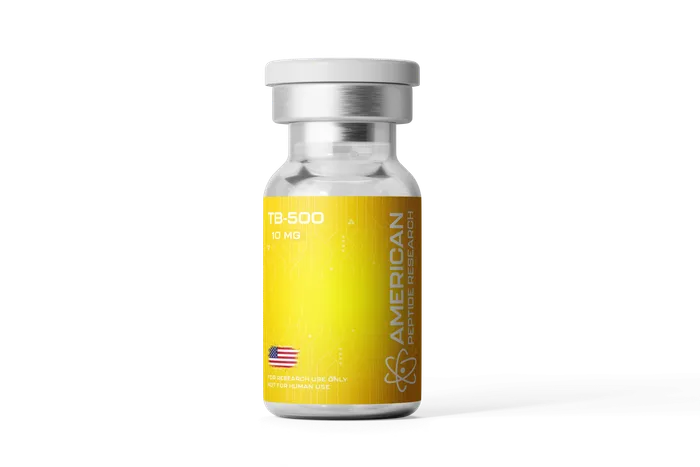
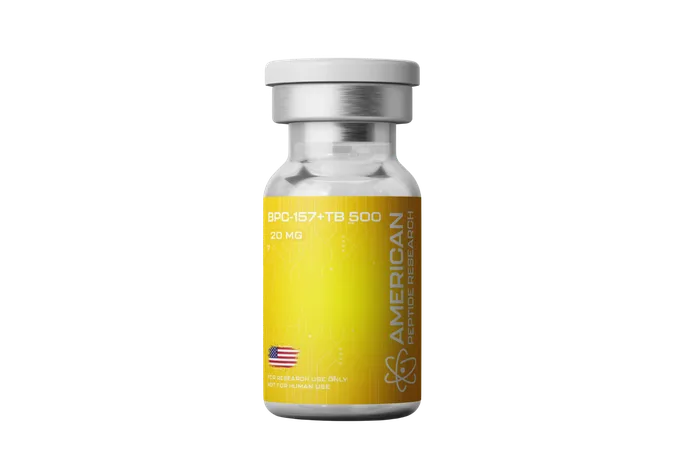
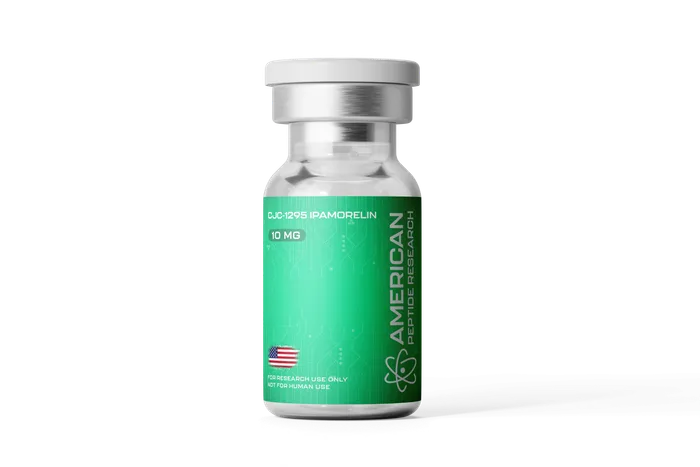
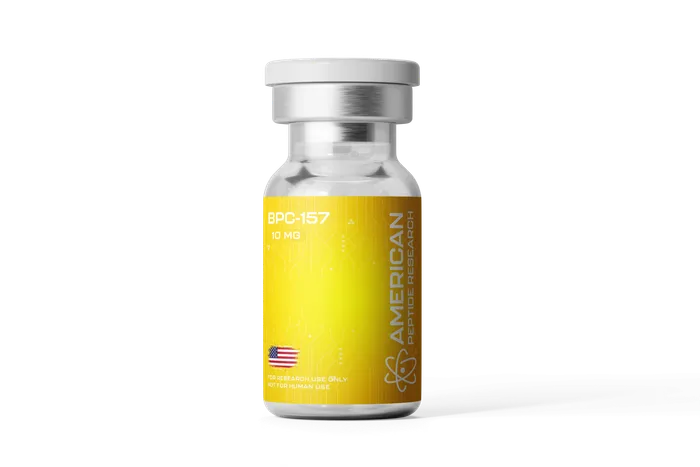
Research-Grade Peptides

Discount auto-applied

Third-party tested, made in the USA by American Peptide Research. Our link applies your discount automatically.

Affiliate links. For research use only — not for human consumption.

Peptide Dosage Calculator

Full calculator with presets

Was this article helpful?

PeptidesPeptide

For educational purposes only — not medical advice. Consult a healthcare professional before starting any peptide protocol. Editorial policy

Recommended Reading

SS31 Peptide Dosage: The Complete Protocol Guide
PeptidesTop Match

SS31 Peptide Dosage: The Complete Protocol Guide

peptidespeptide

SS31 peptide dosage typically runs at 5mg taken 3 times weekly, but your ideal dose depends on age, weight, and training volume. Here's the complete breakdown.

7 min read
Read
Best SS-31 Peptide Dosage for Endurance Athletes
PeptidesTop Match

Best SS-31 Peptide Dosage for Endurance Athletes

peptidespeptide

Find the exact SS-31 peptide dosage that optimizes your recovery and performance. Start at 5mg weekly, scale to 10-15mg based on your training load, and use data to validate results.

7 min read
Read
TB4 vs TB500 Peptide: Which Repair Protocol Wins for Athletes
PeptidesTop Match

TB4 vs TB500 Peptide: Which Repair Protocol Wins for Athletes

peptidespeptide

TB-4 and TB-500 aren't interchangeable peptides. Learn the structural differences, mechanism divergences, and which protocol actually wins for your specific recovery goal.

7 min read
Read
Is GLP-1 a Peptide? What Athletes Need to Know
PeptidesTop Match

Is GLP-1 a Peptide? What Athletes Need to Know

peptidespeptide

GLP-1 is technically a peptide, but it's not peptide therapy. Learn how it differs from performance peptides and what it actually means for your athletic goals.

5 min read
Read
Best Creatine Peptide Supplements 2026: Top 5 Ranked
PeptidesTop Match

Best Creatine Peptide Supplements 2026: Top 5 Ranked

peptidespeptide

Creatine peptide 447 promises big muscle gains, but Reddit users call it overpriced and underdosed. We ranked the top 5 creatine supplements for competitive athletes, with honest assessments backed by research.

9 min read
Read
Creatine Peptide vs Monohydrate: Which Works Better?
PeptidesTop Match

Creatine Peptide vs Monohydrate: Which Works Better?

peptidespeptide

Creatine monohydrate has the strongest science and lowest cost. Peptide forms absorb better but don't deliver better results. Here's how to pick.

6 min read
Read