You're tired of following generic fitness advice. You want measurable gains, not motivational quotes. Biohacking your body isn't about trendy supplements or expensive gadgets that don't deliver. It's about using evidence-based strategies to optimize every system that drives your performance.
Whether you're crushing HYROX races, training for endurance events, or optimizing for longevity, NinjAthlete focuses on what actually works. This guide breaks down the biohacking strategies that separate high performers from everyone else.
The Foundation: Non-Negotiable Biohacks That Matter
Before you spend money on peptides, nootropics, or the latest wearable, get the fundamentals right. Biohacking your body starts with the basics because no supplement can fix poor sleep, unmanaged stress, or a broken diet.
Related: Best Macro Calculator for Body Recomposition 2026: Top 5 Ranked
Here's what moves the needle:
- Sleep optimization. 7-9 hours of quality sleep outperforms any cognitive enhancement drug. Your body repairs muscle tissue, consolidates memories, and regulates hormones during deep sleep. Track your sleep with wearables, optimize your bedroom temperature (around 65-68°F), and maintain a consistent schedule.
- Nutritional periodization. Align your macros with your training cycle. During peak training blocks, you need more carbs and protein. During recovery phases, adjust for metabolic flexibility. This isn't generic advice, it's precision fueling.
- Stress management and HRV tracking. Heart rate variability tells you if your nervous system is ready for hard training or needs recovery. Most competitive athletes ignore HRV data and overtrain. Don't be average.
- Social connection. Research shows that strong social bonds improve longevity outcomes as much as exercise. Training in a community or with accountability partners isn't soft, it's science-backed performance strategy.
Once these are locked in, you've built the environment where your body can actually respond to advanced optimization.
Related: Vasoactive Intestinal Peptide: Athletic Performance & Recovery
Related: Nitric Oxide Peptide: Performance Gains for Athletes
Related: Peptide Conferences 2026: Events for Performance Athletes
Related: Best Peptide Therapy Research Guide for Athletes in 2026
Related: Best MOTS-C Peptide Dosage Chart for Performance Athletes
Wearable Technology: Data-Driven Biohacking
You can't optimize what you don't measure. Wearables transform biohacking from guesswork into precision science.
The best performers use multiple data streams:
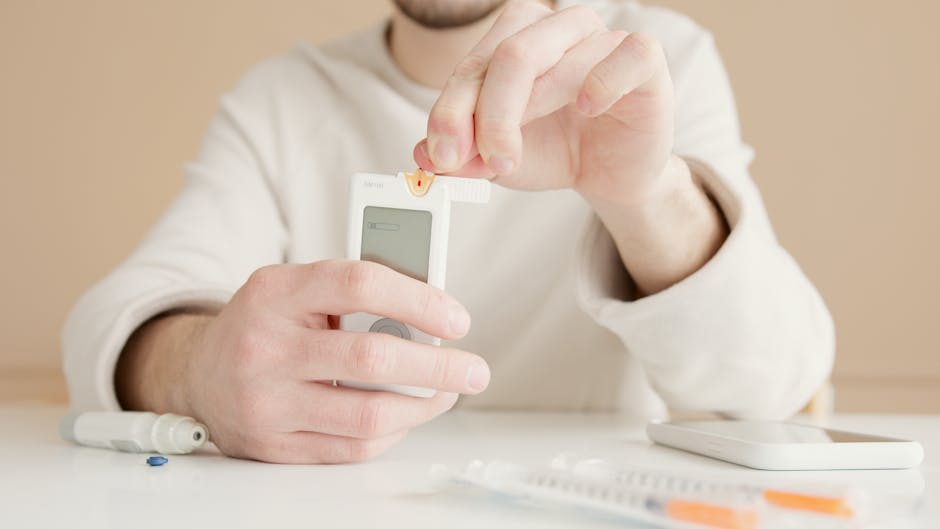
- Continuous glucose monitors (CGMs). See exactly how your food choices spike blood glucose and affect energy, focus, and recovery. Most athletes waste energy on foods that spike insulin unnecessarily. A CGM reveals your individual metabolic truth.
- Oura Ring or similar HRV trackers. Monitor recovery status, sleep efficiency, and whether you're genuinely ready for intensity. Don't train hard when your body is still recovering from the last session.
- VO2 Max and lactate threshold testing. Wearables give you baseline metrics. Testing upgrades give you absolute values. Know your numbers. Use them to structure training zones instead of guessing effort levels.
- Training load analysis. Apps like Strava and specialized coaching platforms quantify training stress. This prevents the plateau that kills most athletes.
The athletes who refuse to settle for average use wearables to close the gap between intention and reality. You think you're recovering well, but the data says otherwise. That's where optimization happens.
Advanced Biohacking: Cognitive and Longevity Optimization
Once you've nailed sleep, nutrition, and training load, you can explore the more sophisticated interventions that separate elite performers from good ones.
NAD+ boosters and mitochondrial support. NAD+ declines with age and drives cellular energy production. Supplements like NMN and NR show promise for mitochondrial function, though peer-reviewed research is still emerging. Stack these with regular fasting cycles to amplify effects.
Peptide therapy protocols. If you're serious about performance and longevity, understand peptides like BPC-157 (tissue repair), TB-500 (recovery), and GLP-1 compounds (metabolic optimization). These require medical supervision and sourcing from regulated providers. This is where NinjAthlete's research-backed protocols matter most—we connect you with evidence, not hype.
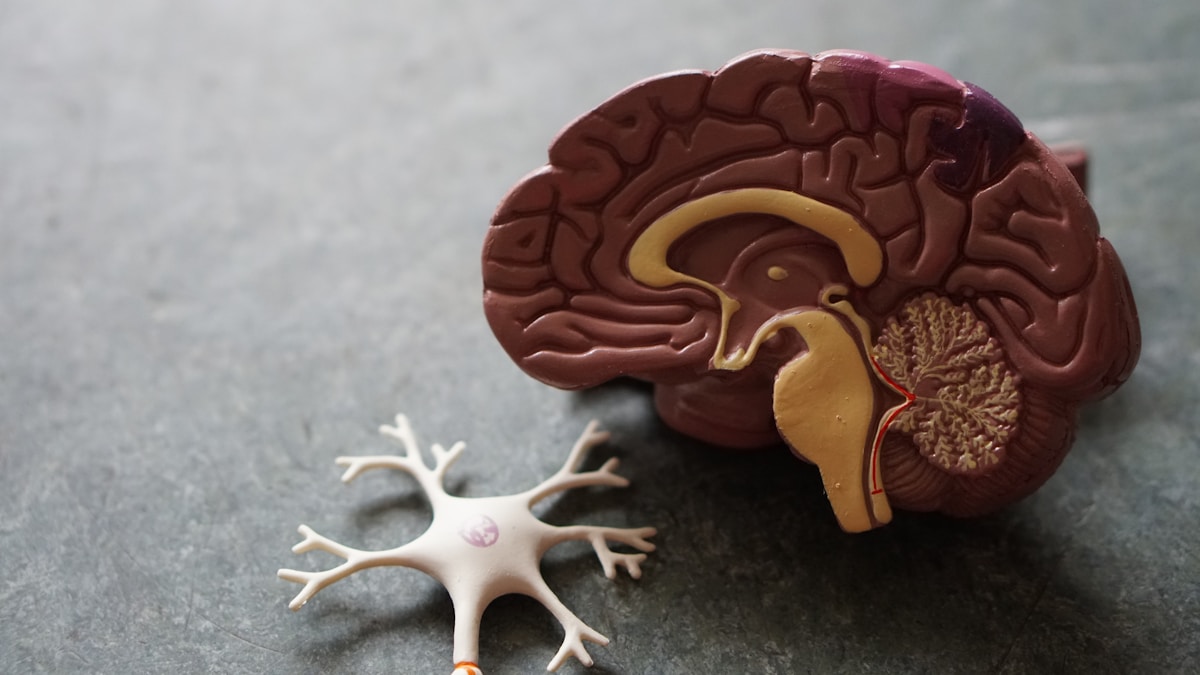
Neurofeedback and brain optimization. 2025 trends show explosive growth in neurofeedback tools that train your brain to perform under pressure. Real-time feedback during training builds stress resilience. This is direct biohacking of your nervous system.
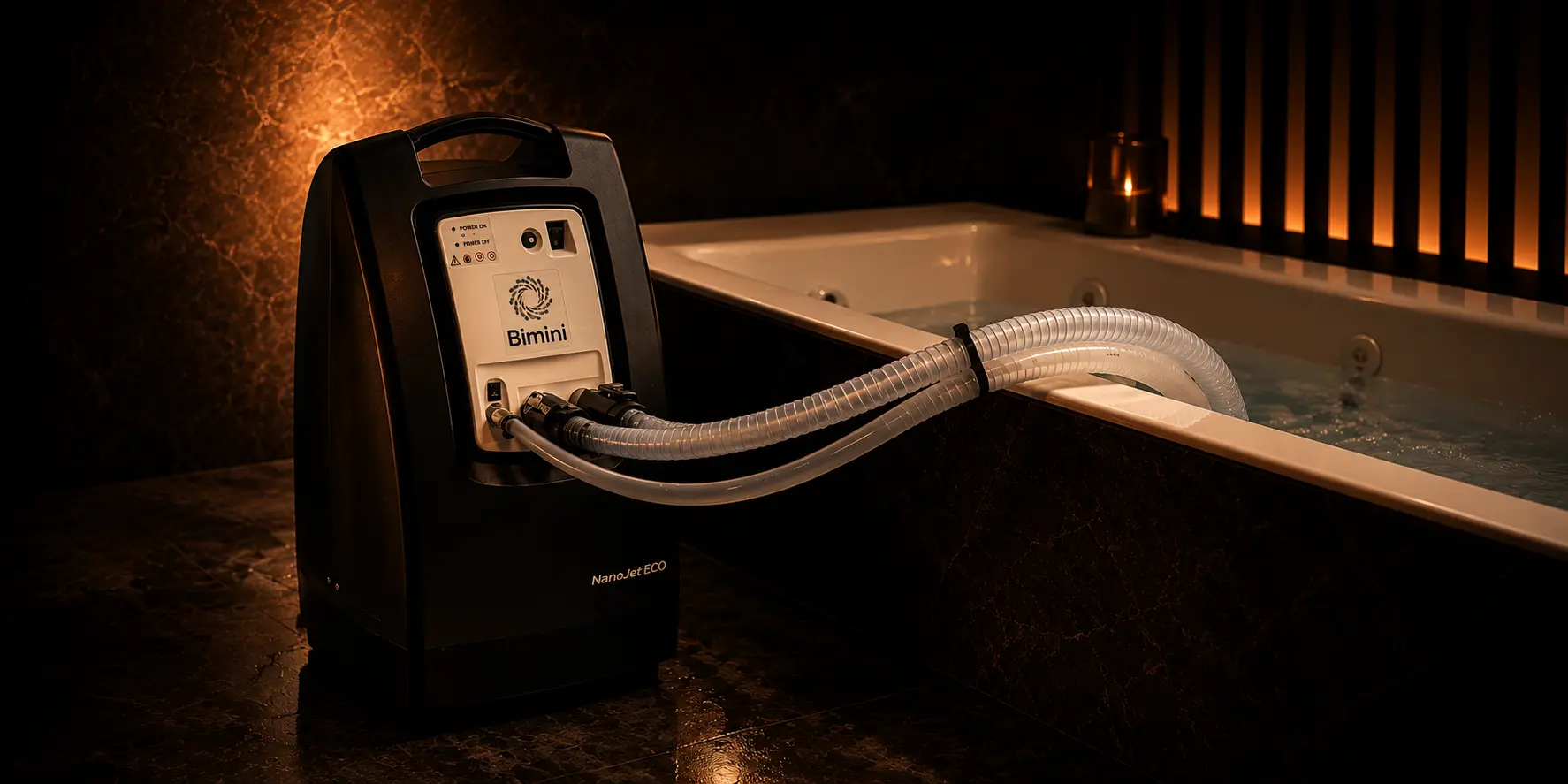
Cryotherapy and sauna protocols. Cold exposure (2-3 minutes at 40°F) triggers norepinephrine release and brown fat activation. Heat stress from sauna (15-20 minutes at 180°F) improves heat shock protein expression and cardiovascular adaptation. The science is solid. The key is consistency and proper timing relative to training.
Environmental Design: The Forgotten Biohack
Most athletes focus on what they consume (food, supplements, nootropics). Few optimize their environment, which is where massive gains hide.
Design your space like you design your training:
- Light exposure: Get 10,000 lux of blue light within 30-60 minutes of waking. This anchors circadian rhythm and improves sleep quality weeks later. Most indoor training facilities don't have sufficient light.
- Temperature control: Cool bedroom (65-68°F) improves sleep architecture. Training in slightly cool conditions increases fat oxidation.
- Air quality: CO2 and particulate matter degrade cognition and endurance. Training in high-pollution areas reduces the gains. If possible, train in cleaner air.
- Noise and sensory environment: Reduce unnecessary noise during sleep and recovery. Your nervous system is always listening.
These aren't flashy interventions, but they're free or cheap and compound over months. That's why elite performers obsess over them.
Building Your Biohacking Stack: What Actually Works
You don't need everything. You need the interventions that match your goals and your current bottleneck.
Start here:
- Month 1-2: Foundation lock-in. Sleep 8+ hours, dial in nutrition, manage stress with HRV tracking. This is non-negotiable. No supplements replace this.
- Month 3-4: Data collection. Use a CGM and HRV tracker. Find your metabolic patterns and recovery signals. You're building a personal baseline.
- Month 5+: Advanced interventions. Based on your data and goals, add targeted supplements, peptide protocols, or neurofeedback tools. Each addition should address a specific bottleneck, not a guess.
The athletes who see the biggest results don't chase everything. They optimize the fundamentals first, measure relentlessly, and add interventions surgically. That's how you biohack your body instead of just spending money.
If you're serious about biohacking your body with science-backed protocols, NinjAthlete provides the research, training plans, and optimization tools that competitive athletes use to measure and improve performance.
Biohacking for HYROX and Endurance Athletes
If HYROX is your target, your biohacking strategy is specific. You need aerobic power, anaerobic capacity, and brutal mental resilience over 8.8km of obstacles.
Your stack looks different:
- Lactate threshold optimization through structured intensity work (tracked with wearables).
- Metabolic flexibility training so you can fuel efficiently during the race without GI distress.
- Mental performance tools like visualization and neurofeedback to handle the psychological grind.
- Recovery protocols (peptides, sauna, cold plunges) between training blocks to stay healthy long-term.
Generic biohacking advice doesn't work for HYROX. You need sport-specific optimization. That's where the real edge comes from.
Measuring Success: How to Know Your Biohacking Works

Refuse to settle for feelings and assumptions. Use metrics:
- Race times and splits (primary outcome).
- HRV trends (should improve with consistent training and recovery).
- Resting heart rate (should decline as fitness improves).
- Blood work (lipid panel, glucose, inflammatory markers, hormone levels).
- Body composition and strength gains in the gym.
- Sleep quality and daytime energy levels.
Test before you optimize. Test after. The difference is your biohack's actual value.
Most athletes skip the testing phase and wonder why expensive interventions don't work. You're different. You measure. You adjust. You win.
What's the first step in biohacking my body?
Start with the fundamentals: optimize your sleep (7-9 hours), dial in balanced nutrition for your training cycle, and track your recovery using HRV data from a wearable like Oura Ring. These three interventions alone deliver 80% of the results without any supplements or advanced tools. Only add complexity once you've locked these in and measured their impact.
Are peptides safe for performance optimization?
Peptides like BPC-157 and TB-500 show promise in research for tissue repair and recovery, but they require medical supervision and sourcing from regulated providers. They're not inherently unsafe, but they're also not standardized by the FDA like pharmaceuticals. Work with a doctor familiar with peptide protocols, get regular bloodwork, and source only from licensed compounding pharmacies. Never buy veterinary-grade peptides.
How long before I see results from biohacking my body?
Foundational changes (sleep, nutrition, stress management) show measurable improvements in energy, recovery, and performance within 2-4 weeks. Wearable data becomes meaningful after 4-6 weeks of consistent tracking. Advanced interventions like peptide protocols typically require 8-12 weeks to show noticeable tissue repair or endurance gains. Biohacking isn't overnight; it's systematic compound improvement.
Do I need expensive supplements to biohack effectively?
No. The highest-ROI biohacking strategies are free or cheap: optimizing sleep environment, managing stress, training load periodization, and environmental design (light exposure, temperature, air quality). Once you've mastered these, then selective supplementation (quality protein, magnesium, omega-3s, targeted nootropics) adds incremental value. Many athletes waste money on supplements while ignoring the fundamentals that actually drive performance.