You're tired of following generic fitness advice. You want measurable performance gains, not motivational fluff. If you're serious about optimizing your physiology as a competitive athlete, grinder biohacking isn't a trend you should ignore. It's a systematic approach to taking control of your own biology through evidence-based interventions, personalization, and relentless experimentation.
The grinder movement isn't about cutting-edge peptides or expensive lab work alone. It starts with fundamentals. It starts with refusing to settle for average baseline health and instead asking: "How exactly can I optimize my body's systems for peak athletic performance?" That mindset shift is what separates high-performers from everyone else.
What Grinder Biohacking Actually Means for Athletes
Grinder biohacking is self-directed physiological optimization using a combination of lifestyle modifications, measurable tracking, and strategic interventions. Think of it as hacking your own system rather than passively accepting default human performance.
Related: BPC 157 Peptide: What Athletes Need to Know
Related: Peptide Encyclopedia: The Complete Guide for Athletes
Related: C Peptide Test: What It Measures & Why Athletes Need It
Related: BPC-157 Peptide Results: What Athletes Actually See
The ideology aligns with open-source thinking and biopunk philosophy: your body is a system you can debug, optimize, and improve through systematic testing. Unlike top-down health directives from mainstream fitness culture, grinder biohacking emphasizes dialogue, community-driven experimentation, and customization based on YOUR individual biology.
For HYROX athletes and endurance-focused competitors, this means moving beyond "eat clean and train hard." It means understanding circadian rhythm alignment, sleep architecture, metabolic efficiency, and how your unique genetics respond to specific stimulus. NinjAthlete athletes use this approach to unlock performance plateaus that generic programming can't touch.
Entry-Level Grinder Biohacking: Start Here
You don't need to be a biochemist to begin. The most effective biohacking interventions are accessible, repeatable, and scientifically grounded.
- Sleep Optimization: This is non-negotiable. Most athletes leave 15-25% of their recovery potential on the table through poor sleep hygiene. Track sleep duration, consistency (same bedtime), and environmental factors like room temperature (65-68°F ideal) and light exposure. Sleep is where your nervous system recovers and adaptations solidify.
- Circadian Rhythm Alignment: Your body operates on a 24-hour clock. Sunlight exposure within 30-60 minutes of waking regulates cortisol, improves sleep quality, and optimizes hormonal cascades. Sunset exposure later in the day signals melatonin production. This single intervention often improves performance metrics without changing training at all.
- Dietary Refinement: Eliminate added sugar and processed seed oils. These aren't "restrictions" for grinders; they're removing noise from your biological signal processing. Your nervous system, energy systems, and hormonal balance all function more efficiently on whole foods. Track how you feel, recover, and perform when you clean up nutrition.
- Movement Variety: Grinder biohacking includes low-intensity movement for parasympathetic activation. Walking, swimming, or light mobility work between hard training sessions accelerates recovery and improves aerobic base. This isn't extra training; it's strategic recovery architecture.
Advanced Grinder Biohacking: Measurement and Personalization
Once fundamentals are locked in, real optimization begins. This is where the "hacker" mentality emerges. You're no longer following a template. You're experimenting on yourself, measuring results, and iterating.
Heart rate variability (HRV) tracking reveals your autonomic nervous system status. Resting heart rate trends tell you if you're recovered or accumulating fatigue. Performance athletes use HRV data to adjust training intensity daily rather than following fixed weekly schedules. This personalization is grinder biohacking in practice.
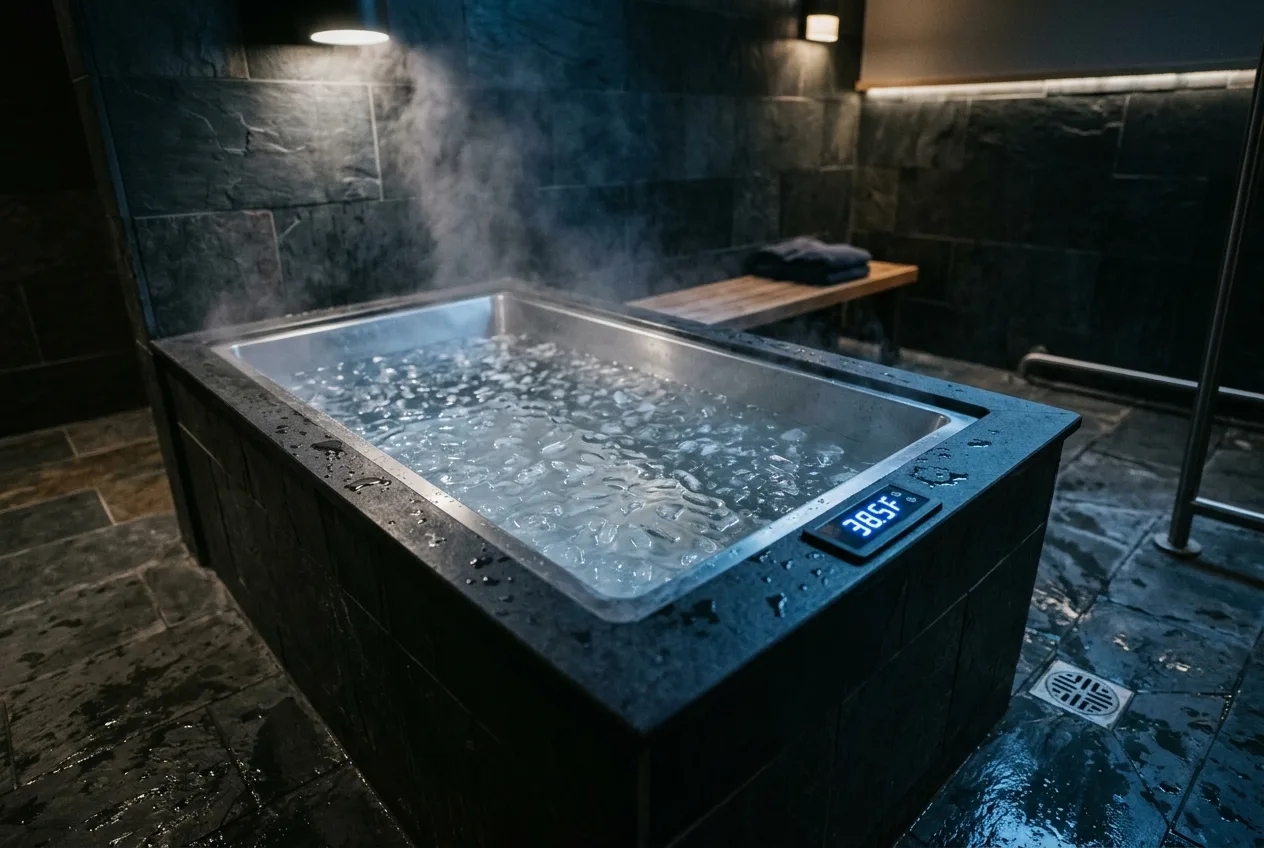
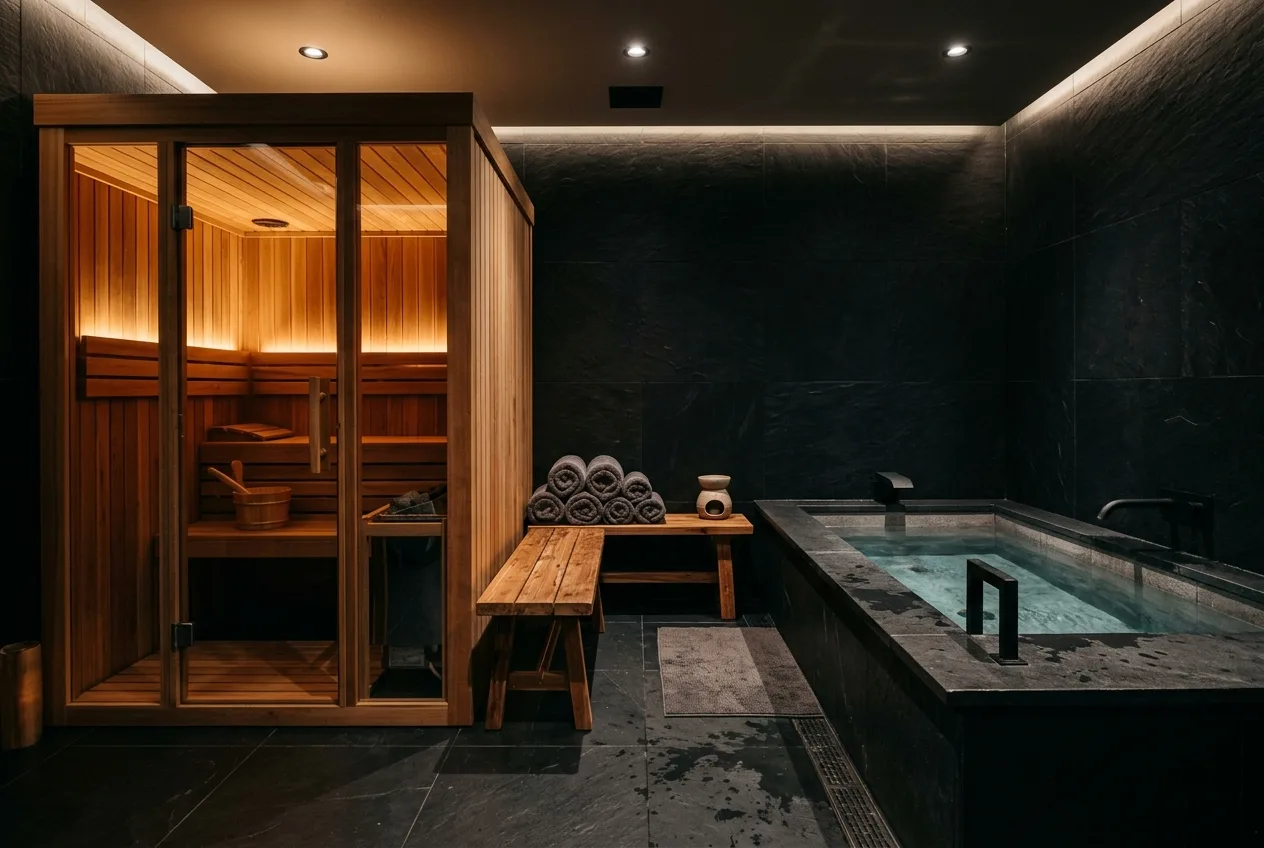
Temperature exposure is another powerful lever. Cold exposure activates brown adipose tissue, enhances mitochondrial function, and improves parasympathetic tone. Heat exposure triggers heat shock proteins and cardiovascular adaptations. These aren't fringe tactics. Peer-reviewed research consistently shows measurable performance improvements from strategic temperature manipulation.
Nutritional timing becomes precision work. Carbohydrate timing around hard training sessions, protein distribution across meals for muscle protein synthesis, and strategic fasting windows all impact performance and body composition. But the exact protocol depends on your training split, sport demands, and individual metabolic response. Grinder biohacking means testing what actually works for YOU, not copying someone else's macro split.
Supplementation and Longevity Stacking

Most grinders approach supplements with skepticism. The philosophy is: if it's not evidence-based and measurable, it's noise. That means avoiding trendy garbage and focusing on interventions with reproducible outcomes.
For competitive athletes, this typically includes foundational support: electrolytes, quality protein sources, and targeted micronutrients if deficiencies exist. Beyond that, peptide therapy protocols, NAD+ optimization, and mitochondrial support are areas where high-performers invest. But these require rigorous medical oversight and personalized testing.
The grinder mentality is to test one variable at a time, measure the effect objectively, and only continue interventions showing clear benefit. This eliminates the supplement spiral most athletes fall into.
Building Your Biohacking Framework
Effective grinder biohacking follows a systematic process:
- Baseline measurement: Establish current state across relevant metrics (sleep, HRV, body composition, performance markers).
- Single variable testing: Change one factor, measure the outcome over 4-12 weeks, then assess impact.
- Documentation: Track everything. Subjective feels matter, but objective data drives decisions. Use spreadsheets, apps, or wearables consistently.
- Iteration: Keep what works, discard what doesn't, add complexity only when fundamentals are dialed.
- Community feedback: Grinder culture thrives on shared learning. Connect with other athletes testing similar protocols to accelerate discovery.
If you're looking for a structured approach to biohacking specifically designed for competitive athletes, NinjAthlete offers science-backed protocols and performance optimization guides tailored to HYROX training and endurance sports. The difference is the rigor: every recommendation is tied to peer-reviewed research or validated athlete outcomes, not trends.
Why Grinder Biohacking Works for Serious Athletes
The core reason grinder biohacking outperforms conventional fitness approaches is ownership. You're not passive. You're not following a cookie-cutter program. You're actively debugging your physiology and testing what drives YOUR specific performance improvements.
This systems-thinking approach catches what generic programs miss. Maybe your performance ceiling isn't determined by training volume. Maybe it's determined by sleep architecture, circadian misalignment, or chronic systemic inflammation from hidden food sensitivities. A grinder framework helps you identify and fix the actual bottleneck instead of adding more volume to an already broken system.
For HYROX competitors and endurance athletes, this approach often means the difference between stalling and breaking through plateaus. It's the methodology that separates top 5% performers from everyone else training hard but flying blind.
Getting Started with Your Biohacking Journey

Begin with sleep. Track it for two weeks. Then add circadian rhythm optimization. Then clean up your nutrition. These three changes alone often unlock 10-15% performance improvements before you touch anything advanced.
Once you're locked in on fundamentals, layer in measurement tools. HRV tracking, metabolic testing, or blood work reveals which systems need attention. From there, experimentation becomes targeted and efficient.
The grinder mindset is simple: refuse to accept default performance. Your physiology is malleable. Your biology responds to systematic optimization. Start small, measure relentlessly, and iterate. That's grinder biohacking, and it works.
What's the difference between grinder biohacking and regular fitness optimization?
Grinder biohacking emphasizes self-directed, evidence-based experimentation with systematic measurement and personalization. Regular fitness optimization often follows generic templates without measuring individual response or adjusting based on data. Grinders use scientific thinking and test one variable at a time; most athletes just follow programs.
Is grinder biohacking safe for competitive athletes?
When done correctly, yes. The methodology prioritizes evidence-based interventions and avoids unregulated or dangerous practices. Foundational biohacking (sleep, circadian alignment, nutrition, movement) is universally safe. More advanced protocols like peptide therapy or metabolic manipulation require medical guidance and testing. Always prioritize safety over optimization and work with qualified practitioners for anything beyond lifestyle modifications.
How long until I see performance improvements from biohacking?
Foundational changes like sleep and circadian optimization can show measurable improvements within 2-4 weeks. Some athletes notice subjective benefits like recovery quality or mood within days. More advanced interventions may take 8-12 weeks to assess accurately. The key is measuring baseline, implementing one change at a time, and giving each intervention adequate time before judging effectiveness.
Can I biohack without expensive supplements or equipment?
Absolutely. The most powerful biohacking interventions are free or nearly free: sunlight exposure, sleep consistency, dietary choices, temperature exposure, and movement patterns. Many grinders start with zero-cost fundamentals and only invest in tools or supplements after identifying specific bottlenecks through measurement and testing. Quality beats quantity, and free doesn't mean ineffective.