Best Peptide Serum for Athletes: Collagen Boost & Recovery
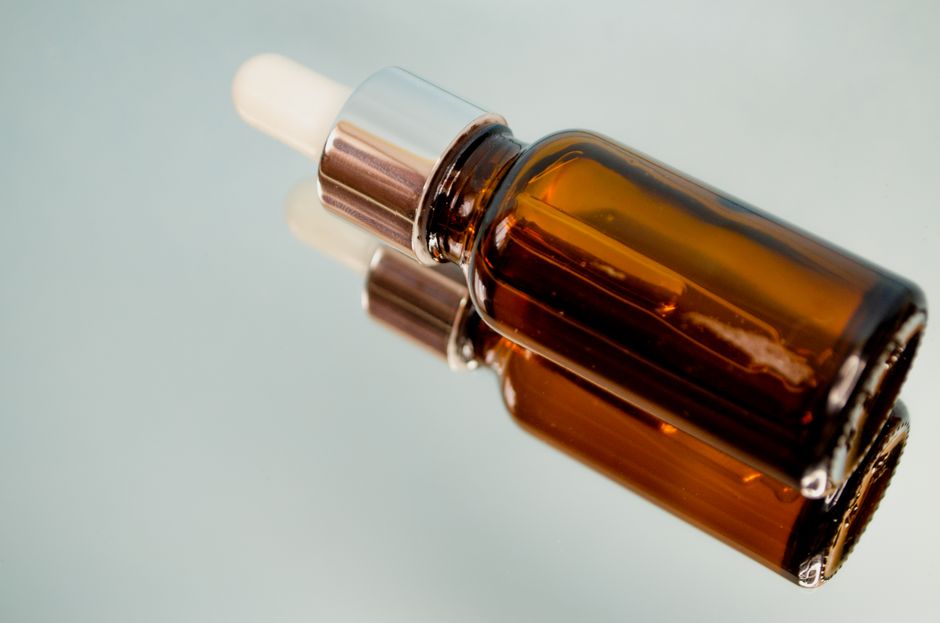
Peptide serums signal your skin cells to produce more collagen and elastin, strengthening your barrier and accelerating recovery. Learn what peptide serum is, how it works for athletes, and why it's the fastest-growing skincare delivery format.
7 min readSeptember 24, 2026
NA
NinjAthlete Team| Updated: September 24, 2026
Medical Disclaimer: This article is for educational and informational purposes only. It is not intended as medical advice, diagnosis, or treatment.
Always consult a qualified healthcare professional before starting any peptide protocol, supplement regimen, or training program. Sources are cited with DOI/PubMed links where available. Read our editorial policy
You train hard. Your skin takes the hit. Environmental stress, intense conditioning, and constant recovery cycles break down collagen faster than most people realize. That's where peptide serum comes in, and honestly, if you're serious about performance optimization, you can't ignore what's happening at the cellular level.
Peptide serums aren't just another skincare trend. They're a concentrated delivery system that signals your skin cells to produce more collagen and elastin, directly addressing the breakdown that comes with competitive athletic training. Think of it as biohacking your skin barrier while you're biohacking your body.
What Is Peptide Serum?
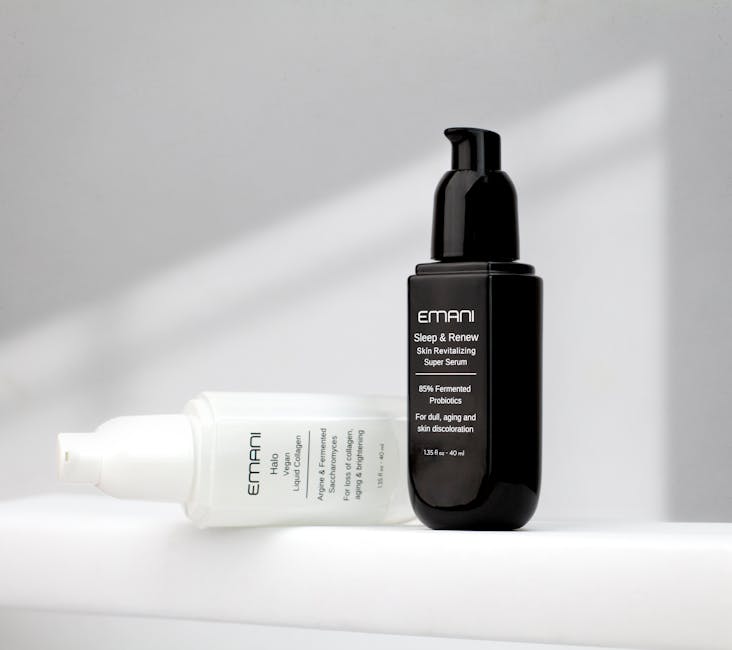
At its core, a peptide serum is the most concentrated form of peptide delivery available in skincare. Unlike moisturizers or masks, serums bypass the surface and work at the cellular level to trigger structural changes in your skin.
Here's the mechanism: peptides are short chains of amino acids that act as messengers. When applied topically, they communicate with your skin cells, essentially telling them to ramp up collagen and elastin production. The result? A stronger skin barrier, reduced fine lines, improved firmness, and faster recovery from environmental damage.
Most effective peptide serums combine multiple peptide types with hyaluronic acid for hydration and plumping. This multi-technology approach targets several aging signs simultaneously, which is why formulation complexity matters when you're selecting a product.
The market data backs this up. Peptide serums now hold 32.4% of the total peptide cosmetics market share, and they're expanding at 9.8% annually, making them the fastest-growing delivery format in the category. Year-to-date sales hit $497.4 million in 2026, up 12.2% from the same period in 2025. Athletes and biohackers aren't adopting this trend because it's trendy, they're adopting it because it works.
How Peptide Serum Works for Performance Athletes
Your skin is your largest organ, and it takes damage every time you train. UV exposure during outdoor training, sweat and mineral buildup, mechanical stress from gear friction, and oxidative stress from high-intensity work all degrade your skin barrier faster than sedentary populations experience.
Peptide serums address this at the source. By signaling increased collagen and elastin production, they strengthen the skin barrier, improve hydration retention, and accelerate the natural repair cycle. For athletes in their 30s and 40s, this compounds into visible improvements in skin elasticity and firmness within 4-6 weeks of consistent use.
The science is straightforward. Peer-reviewed research on bioactive peptides in skincare consistently shows that topical peptide application increases procollagen synthesis and improves skin hydration metrics. For someone training at high intensity, this translates into faster recovery at the dermal level.
If you're already invested in NinjAthlete's approach to recovery optimization, adding peptide serum is a natural next step. You're already monitoring sleep, nutrition, and training load. Your skin recovery deserves the same precision.
When and How to Use Peptide Serum
Application timing matters. Apply peptide serum after cleansing but before heavier moisturizing creams. This layering approach ensures the concentrated peptides penetrate to where they actually work, rather than sitting on top of an occlusive layer.
The ideal routine looks like this:
Cleanse with a gentle, pH-balanced cleanser
Pat skin dry completely
Apply peptide serum to face, neck, and décolletage
Wait 1-2 minutes for absorption
Follow with your regular moisturizer and SPF during the day
Consistency is non-negotiable. Board-certified dermatologists recommend using peptide serum twice daily for measurable results. One application in the morning, one at night. You won't see dramatic changes in week one, but by week 4-6, the plumping and smoothing effects become obvious. By week 8-12, fine lines visibly diminish and skin firmness improves noticeably.
For athletes, the added benefit is hydration retention. Peptide serums with hyaluronic acid formulations keep your skin barrier locked in moisture, which is critical when you're sweating through intense training sessions and recovery protocols.
AppPeptide Protocol Tracker
Track Your Protocol with PeptIQ
AI-powered dosing, smart reminders, and progress logging — all in one app. Never miss a dose.
Not all peptide serums are created equal. Product selection should be based on formulation complexity and how well the peptide blend matches your specific skin concerns.
Hyaluronic acid included for hydration and plumping effects
Transparent ingredient sourcing and manufacturing standards
Third-party testing or editor testing data available
Formulations designed for athletes and high-stress environments
Your skin's recovery is as important as your body's recovery. If you're training at competitive intensity, you need a serum that's been formulated with performance in mind, not just cosmetic aesthetics.
The adoption rate tells you everything. Peptide serums are the fastest-growing segment in the peptide cosmetics category at 9.8% annual growth. Athletes aren't chasing trends, they're chasing results.
Here's what the data shows you can expect:
Visible plumping and smoothing within 2-3 weeks
Fine line reduction after 6-8 weeks of consistent use
Improved skin firmness and elasticity by 12 weeks
Enhanced hydration and barrier function supporting faster post-workout recovery
Cumulative anti-aging benefits that compound over months
The market didn't grow 12.2% year-over-year because people were casually trying peptide serums. It grew because early adopters saw measurable improvements and stayed committed to the protocol.
Why Athletes Should Prioritize Peptide Serum Now
You're already optimizing recovery. You're tracking sleep, managing nutrition, and hitting your training targets. Your skin is the visible marker of how well your body is actually recovering. If your skin barrier is compromised and collagen production is lagging, that's a signal that your overall recovery protocols need attention.
Peptide serum addresses the root cause. It doesn't just cosmetically mask aging signs, it triggers the actual cellular mechanisms that rebuild skin structure. For athletes aged 30-50 who've been training hard for years, this is the difference between looking recovered and actually being recovered.
Start with a quality multi-peptide formulation that includes hyaluronic acid. Apply it consistently twice daily. Give it 6-8 weeks to deliver visible results. Then reassess. You'll know within 8 weeks whether peptide serum is part of your optimization stack or not.
Peptide serum is a concentrated topical formulation containing short amino acid chains (peptides) that signal skin cells to produce more collagen and elastin. It's the most concentrated delivery format available in skincare, designed to work at the cellular level rather than just surface-level hydration.
How long does it take to see results from peptide serum?
Most users see visible plumping and smoothing within 2-3 weeks of consistent twice-daily use. Fine line reduction becomes apparent by 6-8 weeks. For maximum firmness and elasticity improvements, commit to 12 weeks of consistent application.
Can athletes use peptide serum with other skincare products?
Yes. Apply peptide serum after cleansing but before heavier moisturizers and SPF. The layering order ensures the concentrated peptides penetrate properly without being blocked by occlusive creams.
Is peptide serum safe for sensitive athletic skin?
Most quality peptide serums are well-tolerated, but always patch test first. If you have reactive or damaged skin from training, start with lower frequency (once daily) and gradually increase to twice daily as your barrier adapts.
Disclaimer: This article is for educational and informational purposes only and does not constitute medical advice. Peptides discussed are research compounds that are not FDA-approved for human use, and many are prohibited in tested sport by WADA. Always consult a qualified healthcare provider before beginning any supplement, peptide, or treatment protocol.
Research-Grade Peptides
Discount auto-applied
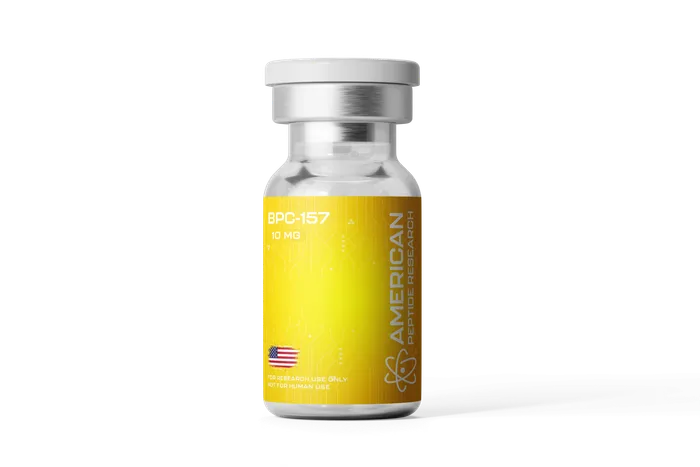
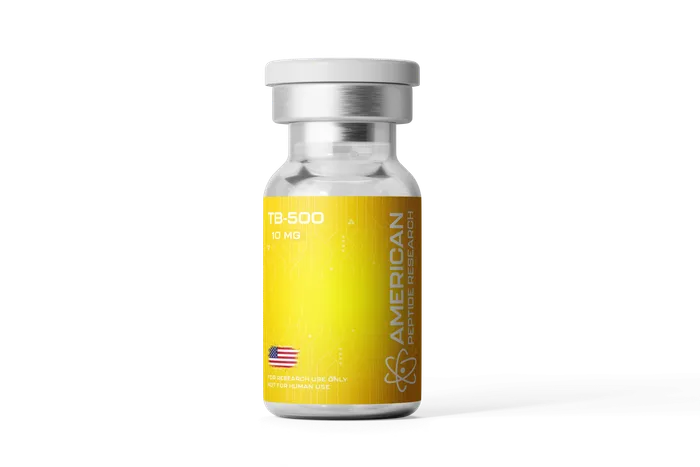
Third-party tested, made in the USA by American Peptide Research. Our link applies your discount automatically.