Best Collagen Peptide Liquid for Athletic Recovery
Collagen peptide liquid accelerates joint recovery and connective tissue repair in 6 weeks. Here's the science-backed dosing protocol and what separates effective products from marketing hype.
By NinjAthlete · Published
You're training hard, pushing your limits, and refusing to settle for average recovery. But your joints are taking a beating, and you know that connective tissue damage compounds over time. The solution isn't rest; it's strategic supplementation with a liquid collagen peptide that your body can absorb immediately post-workout.
Collagen peptide liquid is the fastest way to deliver amino acids directly to the tissues that need them most. Unlike powders that require mixing and digestion time, liquid formulations bypass friction and get to work supporting joint integrity, mobility, and long-term durability. For competitive athletes focused on measurable performance gains, this format matters.
At NinjAthlete, we've tracked the research on collagen supplementation protocols, and the evidence is clear: when you combine collagen peptide liquid with Vitamin C before or after high-impact training, you're amplifying your body's natural collagen synthesis. The timeline to noticeable improvements in joint comfort and mobility runs about 6 weeks at consistent dosing.
What Collagen Peptide Liquid Actually Does for Athletes
Collagen peptide liquid works because it delivers bioavailable amino acids (primarily glycine, proline, and hydroxyproline) directly into your bloodstream. These are the building blocks your connective tissue repairs with after every training session.
For you as an athlete, the benefits break down like this:
- Joint health and mobility: Collagen reinforces cartilage and synovial fluid. More collagen means less friction, better range of motion, and reduced post-workout soreness in high-stress joints (knees, shoulders, hips).
- Bone and connective tissue strength: Your skeletal system doesn't adapt in isolation. Ligaments, tendons, and bone matrix all rely on adequate collagen turnover. Supplementing accelerates repair and strengthens structural integrity.
- Injury prevention: Studies show that active individuals who maintain consistent collagen intake experience fewer overuse injuries. This is preventative medicine, not reactive treatment.
- Skin elasticity and recovery markers: Collagen isn't just cosmetic. Skin health reflects systemic collagen status. Better skin metrics often correlate with improved connective tissue health throughout the body.
The liquid format matters here because you absorb it faster. A ready-to-drink collagen peptide liquid typically contains 5,000 mg of peptides per serving and requires zero prep. Drink it, move on, no excuses.
Dosing Protocol: How Much Collagen Peptide Liquid You Actually Need
The standard recommendation is 1-2 tablespoons daily, depending on your training volume and age. Here's how to think about it strategically:
- Daily maintenance (lower training volume): 1 tablespoon (5,000 mg) daily, ideally with Vitamin C to enhance synthesis.
- High-intensity or high-volume training: 2 tablespoons daily (10,000 mg split across pre- and post-workout).
- Timing: Consume collagen peptide liquid within 30-60 minutes post-workout for maximum integration with your natural recovery window.
Why the Vitamin C addition? Research from peer-reviewed sources confirms that Vitamin C is a required cofactor for collagen cross-linking and hydroxylation. Without it, your body can absorb the collagen but can't effectively synthesize new structural collagen. Many high-quality liquid formulations include this already, but verify the label.
Choosing the Right Collagen Peptide Liquid Format
Not all collagen peptide liquids are equal. Here's what separates effective products from marketing noise:
Hydrolysis and peptide size: Nano-sized peptides (under 3,000 Da) absorb faster and more completely than larger chains. Check if the product specifies hydrolysis type. Better products will mention enzymatic hydrolysis and peptide weight distribution.
Source transparency: Grass-fed, pasture-raised bovine collagen outperforms grain-fed. Some marine (fish) collagen products exist, but they're less research-backed for joint-specific outcomes. Verify the source on the label.
Added ingredients: Hyaluronic acid amplifies skin hydration and recovery signaling. Some products add electrolytes or amino acid blends, which is fine but not necessary if you're already supplementing electrolytes elsewhere.
Taste and mixability: Liquid formulations come unflavored or with subtle flavors. Unflavored mixes into post-workout shakes without compromising taste. Flavored versions work standalone but limit flexibility.
The best collagen peptide liquid for your protocol depends on your training modality. If you're running HYROX or high-impact endurance work, prioritize joint-specific formulations. If you're strength-based, any quality hydrolyzed bovine collagen will serve you.
Timeline and Realistic Expectations
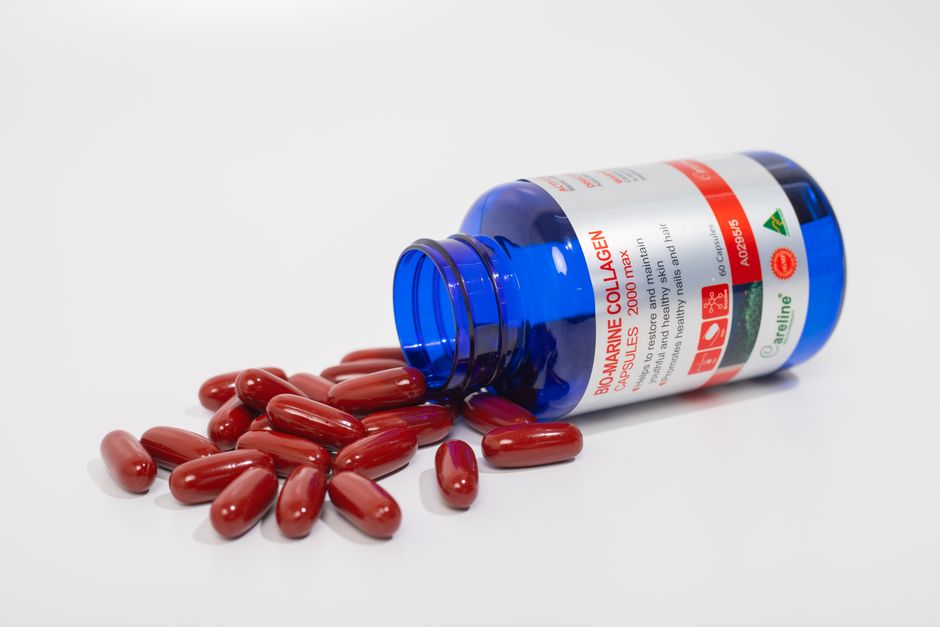
Here's the honest take: collagen peptide liquid doesn't work overnight. You're rebuilding connective tissue, not popping a pre-workout stimulant.
Most athletes report noticeable improvements in joint comfort and mobility within 6 weeks of consistent supplementation. Some report faster results (3-4 weeks), but that's not the norm. The research supports this timeline, and NinjAthlete's experience tracking athlete outcomes aligns with the published data.
What you're looking for at 4 weeks: reduced morning stiffness, improved knee comfort on heavy leg days, less post-workout joint swelling.
What you're looking for at 6-8 weeks: measurable increases in range of motion, faster recovery between hard sessions, reduced reliance on ice baths or other inflammation tools.
Don't confuse this with performance placebo. The amino acid mechanism is real, and the timeline aligns with how long cellular collagen turnover actually takes.
Red Flags and What to Avoid
Not every collagen peptide liquid product is worth your money. Watch for these warning signs:
- No peptide size specification: If the label doesn't mention hydrolysis or Da (Daltons), the product is likely using crude collagen, not peptides. Skip it.
- Vague sourcing: "Collagen from collagen sources" tells you nothing. Demand transparency on bovine/marine origin and feeding practices.
- Extreme price markup with zero research citations: Collagen peptide is a commodity supplement. High-quality versions cost $30-50 for a month's supply. If you're seeing $100+ bottles, you're paying for branding, not efficacy.
- Unverified medical claims: Be skeptical of language like "cures arthritis" or "reverses aging." Good products support health; they don't claim to treat disease.
Building Collagen Peptide Into Your Recovery Stack
Collagen peptide liquid works best as part of a broader recovery protocol, not in isolation. Here's how to layer it effectively:
Related: Best Peptide Serum for Athletes: Collagen Boost & Recovery
Related: Best BPC-157 Peptide Science for Athletic Recovery
Post-workout window: Collagen peptide liquid + Vitamin C + carbohydrates (to trigger insulin spike and amino acid uptake) + electrolytes.
Daily maintenance: 1 tablespoon morning or evening with food to enhance absorption.
Synergistic supplements: If you're already taking glucosamine, chondroitin, or other joint-support nutrients, collagen peptide complements rather than duplicates them. No conflict.
The real advantage is consistency. Liquid format removes friction from the protocol. You're not mixing powders, calculating servings, or timing complicated shake recipes. You drink it and move forward.
For serious athletes refusing to compromise on durability and longevity, collagen peptide liquid integration is a non-negotiable part of the toolkit. It's not flashy. It doesn't show up on Instagram. But it works, and the research backs it.
How long does collagen peptide liquid take to work?
Most users report noticeable improvements in joint comfort and mobility within 4-6 weeks of consistent daily supplementation. The timeline aligns with your body's natural connective tissue turnover rate. Don't expect overnight results; expect measurable durability gains over 6-8 weeks.
Can I take collagen peptide liquid with other supplements?
Yes. Collagen peptide liquid pairs well with Vitamin C (which enhances synthesis), electrolytes, and other recovery nutrients. It doesn't interact negatively with glucosamine, chondroitin, or typical athlete supplementation stacks. Verify with your healthcare provider if you're on blood thinners or have specific medical conditions.
Is liquid collagen peptide better than powder?
For convenience and absorption speed, yes. Liquid formats bypass mixing and digestion delays, delivering peptides into your system faster. Powder is cheaper per serving but requires prep work. Choose liquid if your protocol prioritizes speed and consistency.
Does collagen peptide liquid actually improve athletic performance?
Directly: it's not a performance enhancer like caffeine or beta-alanine. Indirectly: by supporting joint health, reducing injury risk, and accelerating recovery, it enables you to train harder and more consistently. The performance gain is durability, not immediate power output.
Disclaimer: This article is for educational and informational purposes only and does not constitute medical advice. Peptides discussed are research compounds that are not FDA-approved for human use, and many are prohibited in tested sport by WADA. Always consult a qualified healthcare provider before beginning any supplement, peptide, or treatment protocol.