Pentadecapeptide Arginate vs BPC-157: Which Peptide Wins?
Pentadecapeptide arginate and BPC-157 are functionally identical 15-amino-acid peptides, but the arginate salt modification in pentadecapeptide arginate solves a critical stability problem that has plagued standard BPC-157 for years. For serious athletes requiring reliable, long-term recovery support, pentadecapeptide arginate is the clear winner.
5 min readNovember 3, 2026
NA
NinjAthlete Team| Last reviewed: November 3, 2026
YOUR POST-TRAINING ROUTINE
Make room for recovery.
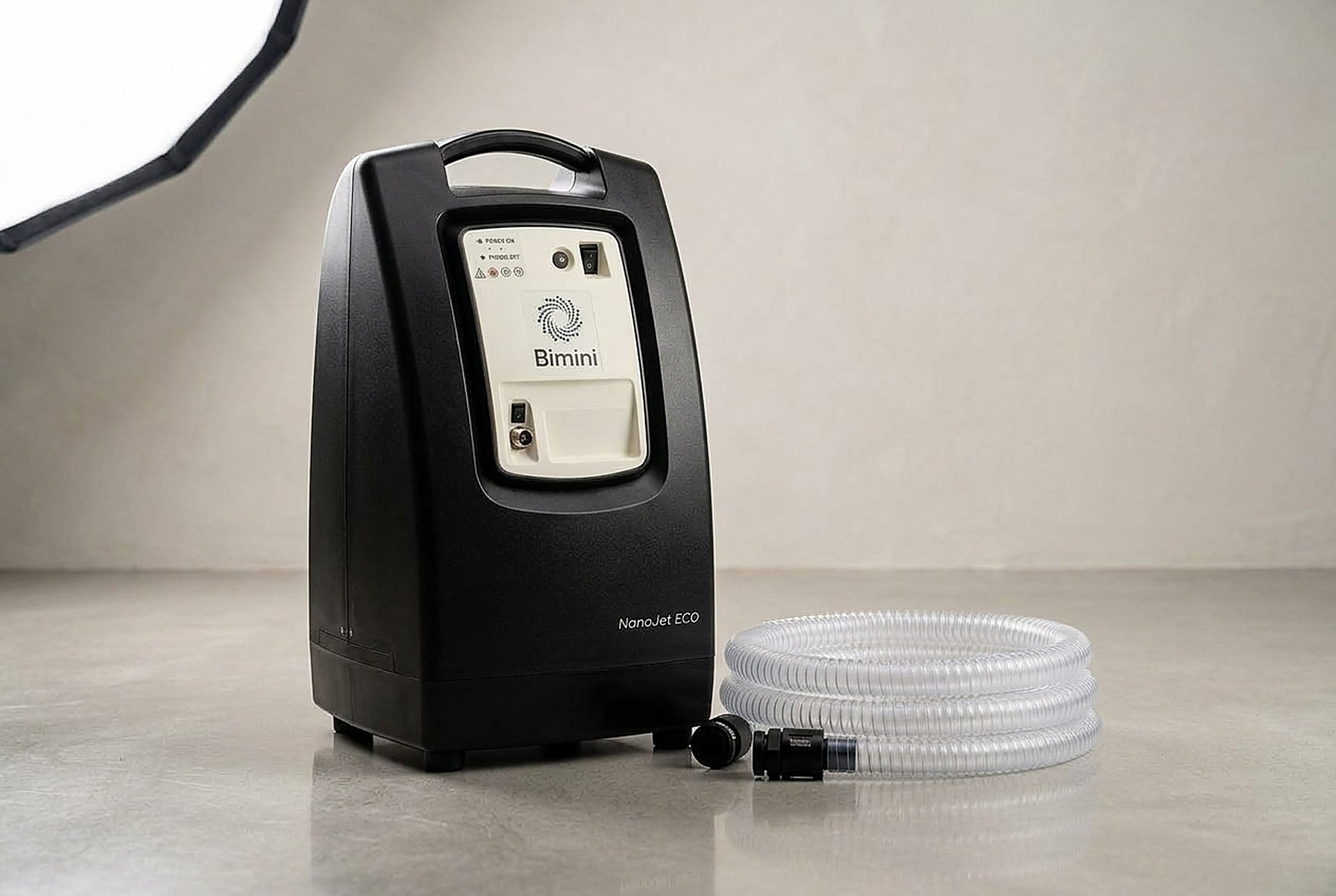
Get to know Bimini’s warm-water nanobubble system. Compare home options and see how the setup fits your routine.
Bimini NanoJet® Eco
$9,650.00$7,999.00
With NINJA • Before shipping and tax. Final offer confirmed by Bimini.
Partner offer: Daniel Rivas, NinjAthlete’s founder, is Bimini’s marketing director. NinjAthlete may earn a commission from purchases through these links.
Medical Disclaimer: This article is for educational and informational purposes only. It is not intended as medical advice, diagnosis, or treatment.
Always consult a qualified healthcare professional before starting any peptide protocol, supplement regimen, or training program. Sources are cited with DOI/PubMed links where available. Read our editorial policy
Pentadecapeptide Arginate vs BPC-157: The Direct Comparison
If you're optimizing recovery protocols, you've probably encountered both pentadecapeptide arginate and BPC-157 in the same breath. They're structurally similar, functionally equivalent, and both used for tissue healing and performance recovery. But there's a critical difference that separates them in real-world application, and it comes down to stability and reliability.
Here's what you need to know: pentadecapeptide arginate is essentially BPC-157 with one critical modification. Both contain 15 amino acids and deliver comparable healing benefits. The arginate salt in pentadecapeptide arginate, however, changes the game. It solves a problem that has plagued BPC-157 users for years: shelf-life consistency and molecular stability during storage.
For serious athletes and biohackers who refuse to settle for average results, this distinction matters. A peptide that degrades in your refrigerator is a peptide that doesn't work. NinjAthlete evaluates recovery compounds through the lens of real-world usability, not just theoretical efficacy.
Head-to-Head Comparison Table
Peptide
Best For
Stability
Rating
Pentadecapeptide Arginate
Long-term storage & consistent dosing
High
9.5/10
BPC-157
Short-term protocols & immediate use
Moderate
7.5/10
Pentadecapeptide Arginate: The Optimized Choice
Pentadecapeptide arginate delivers the same functional benefits as BPC-157 without the stability compromise. The arginate salt modification enhances shelf life and ensures batch-to-batch consistency. This means your peptide remains potent throughout your entire protocol, not just the first few weeks.
Pros:
Superior molecular stability under standard storage conditions
Longer effective shelf life compared to standard BPC-157
Functionally identical recovery and healing mechanisms
Reduced risk of degradation during extended protocols
Better suited for competitive athletes requiring reliable, predictable results
Cons:
Slightly higher cost due to enhanced stability formulation
Marginally less research volume compared to BPC-157 (though mechanically equivalent)
For athletes running longer recovery cycles or those in competitive phases where consistency is non-negotiable, pentadecapeptide arginate is the clear preference. You're not paying extra for a different molecule; you're paying for reliability.
BPC-157: The Classic Peptide
BPC-157 has been used in recovery protocols for years and remains popular in the biohacking community. It's effective, well-documented, and delivers measurable healing support. However, stability issues have limited its practical utility for long-term storage.
Pros:
Extensive research and published data on mechanisms
Established track record in recovery communities
Functionally equivalent core healing benefits to pentadecapeptide arginate
Cons:
Known degradation during extended storage at standard conditions
Batch consistency issues reported across suppliers
Requires more careful handling and shorter usage windows
Less practical for multi-month protocols
BPC-157 works, but it requires you to be more vigilant about storage and timing. It's a compromise on convenience, which for high-performance athletes is an unnecessary liability.
AppPeptide Protocol Tracker
Track Your Protocol with PeptIQ
AI-powered dosing, smart reminders, and progress logging — all in one app. Never miss a dose.
Athletes often overlook the storage stability factor because it sounds technical and boring. It's neither. Here's why it matters: a peptide that degrades is a peptide that doesn't work as advertised. You're dosing blind if you can't verify that your compound maintains potency throughout your protocol.
Pentadecapeptide arginate solves this problem. The arginate salt acts as a stabilizer, maintaining molecular integrity across weeks and months of storage. This translates to consistent healing benefits and predictable outcomes, which is exactly what competitive athletes need.
Both peptides follow similar dosing frameworks because they're mechanistically equivalent. The difference emerges in protocol duration and storage planning.
With BPC-157, you'll want to plan for shorter cycles or accept the risk of potency loss. With pentadecapeptide arginate, you can extend protocols with confidence because the compound remains stable. This flexibility is valuable if you're stacking recovery interventions across multiple training phases.
The practical takeaway: pentadecapeptide arginate gives you more options without forcing you to compromise on efficacy. It's the peptide for athletes who optimize every variable, not just the obvious ones.
Our Pick: Pentadecapeptide Arginate
If you're choosing between these two peptides, pentadecapeptide arginate is the superior option for serious performance optimization. It delivers the same functional benefits as BPC-157 while eliminating the stability liability that has plagued standard BPC-157 for years.
You're not paying a premium for marketing hype. You're investing in a formulation designed for real-world athletic use, where reliability and consistency determine success. NinjAthlete recommends pentadecapeptide arginate for any athlete planning multi-month recovery protocols or those who demand predictable, measurable outcomes from their recovery stack.
The choice reflects a simple principle: refuse to settle for average compounds. Choose the peptide engineered for stability, consistency, and performance.
Frequently Asked Questions
Are pentadecapeptide arginate and BPC-157 functionally identical?
Mechanically, yes. Both contain 15 amino acids and deliver comparable tissue healing and recovery benefits. The structural difference is the arginate salt, which primarily affects stability rather than mechanism of action. They'll produce similar recovery outcomes in short-term protocols, but pentadecapeptide arginate maintains efficacy over longer timelines.
How much longer does pentadecapeptide arginate last in storage?
The arginate salt modification significantly extends shelf life under standard refrigeration conditions. While BPC-157 can degrade within weeks, pentadecapeptide arginate maintains stability across months. This is why it's better suited for extended protocols or for athletes who prefer to buy in bulk and store safely.
Is pentadecapeptide arginate worth the higher cost?
It depends on your protocol length and how much you value consistency. For short-term use, BPC-157 is adequate. For longer recovery phases or if you're running multiple stacked interventions, the improved stability justifies the cost because you're paying for reliable efficacy, not just a different molecule.
Can I switch between pentadecapeptide arginate and BPC-157 mid-protocol?
You can, but it's not ideal. Since they're functionally equivalent, there's no risk of adverse interaction. However, switching introduces an unnecessary variable into your protocol. Pick one, commit to your dosing framework, and evaluate results based on consistency. Changing compounds mid-cycle makes it harder to isolate what's actually working.
Disclaimer: This article is for educational and informational purposes only and does not constitute medical advice. Peptides discussed are research compounds that are not FDA-approved for human use, and many are prohibited in tested sport by WADA. Always consult a qualified healthcare provider before beginning any supplement, peptide, or treatment protocol.
Research-Grade Peptides
Discount auto-applied
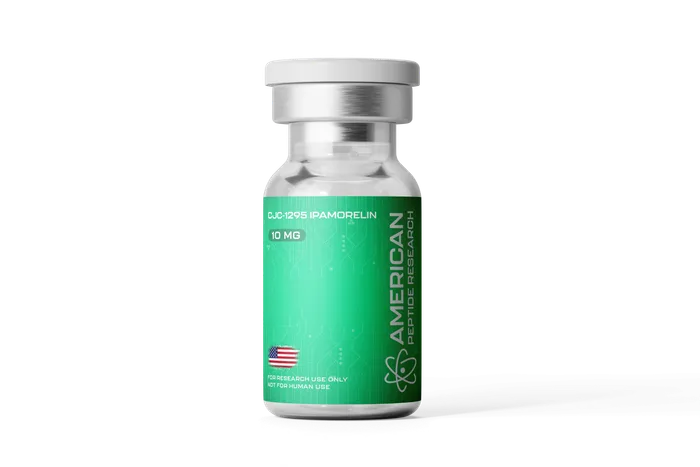
Third-party tested, made in the USA by American Peptide Research. Our link applies your discount automatically.
Partner offer: Daniel Rivas, NinjAthlete’s founder, is Bimini’s marketing director. NinjAthlete may earn a commission from purchases through these links.
Was this article helpful?
PeptidesBPC-157Peptide
For educational purposes only — not medical advice. Consult a healthcare professional before starting any peptide protocol. Editorial policy