Compare NinjAthlete's evidence-based peptide protocols against six major competitors. This 2026 breakdown covers feature depth, cost efficiency, and research backing to help serious athletes choose the right optimization resource.
8 min readSeptember 4, 2026
NA
NinjAthlete Team| Updated: September 17, 2026
YOUR POST-TRAINING ROUTINE
Make room for recovery.
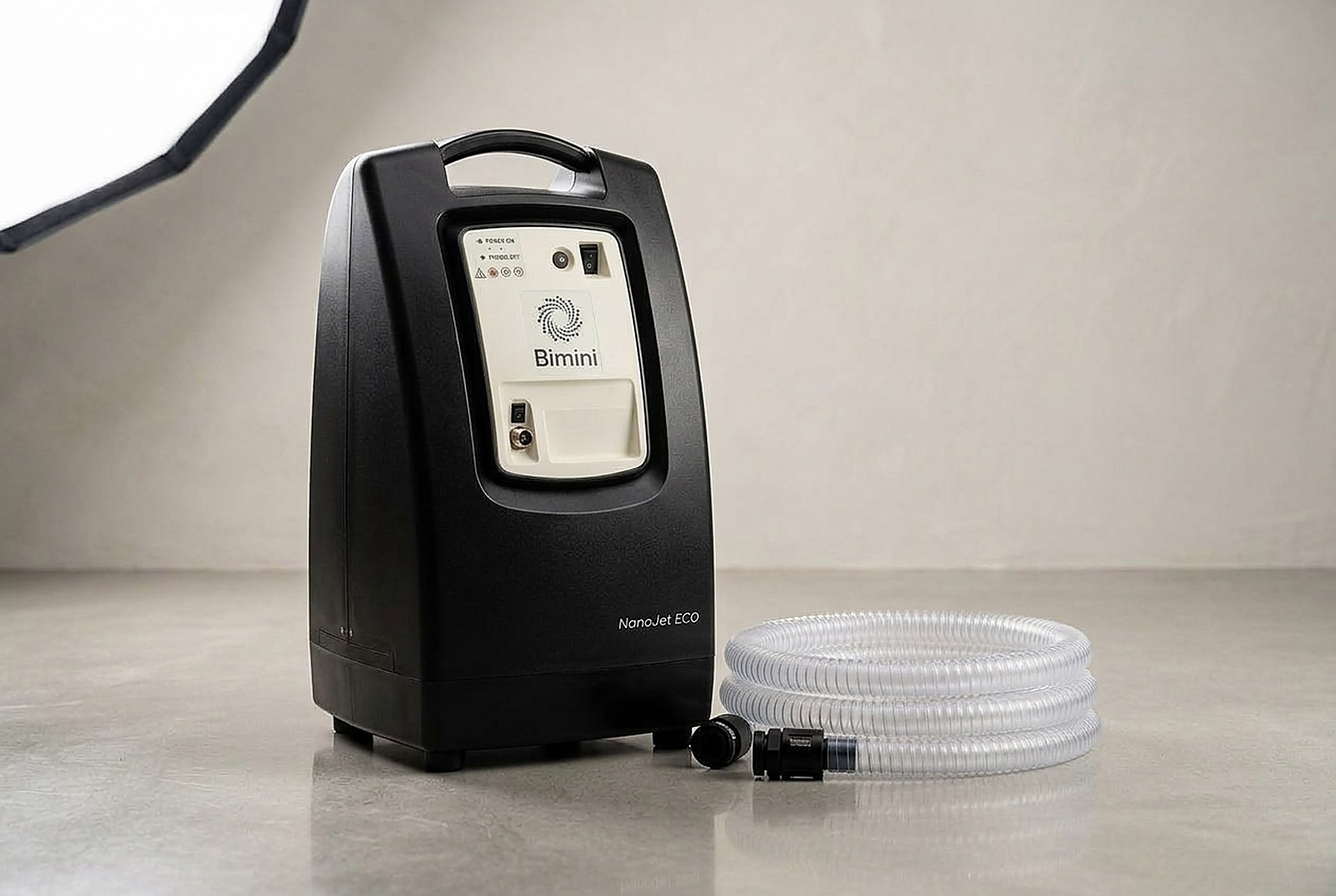
Get to know Bimini’s warm-water nanobubble system. Compare home options and see how the setup fits your routine.
Bimini NanoJet® Eco
$9,650.00$8,685.00
With NINJA • Before shipping and tax. Final offer confirmed by Bimini.
Partner offer: Daniel Rivas, NinjAthlete’s founder, is Bimini’s marketing director. NinjAthlete may earn a commission from purchases through these links.
Medical Disclaimer: This article is for educational and informational purposes only. It is not intended as medical advice, diagnosis, or treatment.
Always consult a qualified healthcare professional before starting any peptide protocol, supplement regimen, or training program. Sources are cited with DOI/PubMed links where available. Read our editorial policy
Why Peptide Brand Choice Matters for Performance Athletes
If you're serious about athletic performance optimization, peptide selection isn't a casual decision. The difference between a protocol built on peer-reviewed mechanistic data and one built on marketing hype can mean months of wasted training cycles, inconsistent recovery timelines, and money down the drain.
Most peptide brands operate identically: they source bulk compounds, slap a label on them, and let you figure out the dosing protocol yourself. NinjAthlete refuses to settle for that model. They've built their reputation on structured, evidence-based protocols that prioritize reproducible outcomes over flashy marketing claims.
This comparison breaks down the feature sets, cost structures, and actual protocol frameworks you'll find across the major peptide resource platforms competing in 2026. We'll be honest about where each brand excels and where they fall short.
Protocol depth separates NinjAthlete from the field. While competitors offer basic dosing suggestions, NinjAthlete delivers structured timelines that address the actual variables competitive athletes care about: recovery window specificity, stacking compatibility, and sport-specific application frameworks.
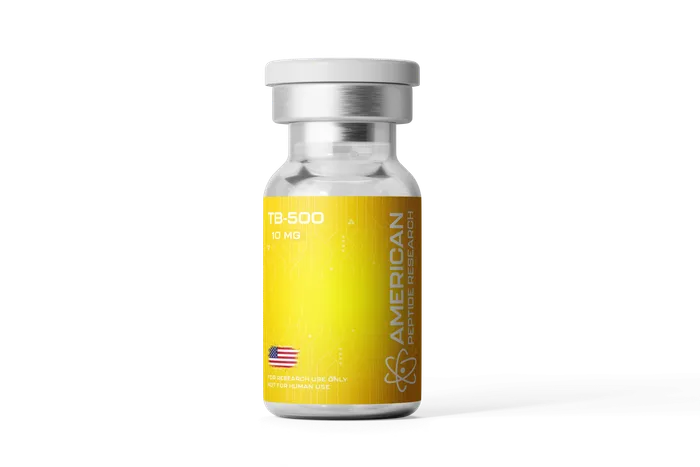
Take TB-500 as an example. Most brands will tell you "inject 2-5mg per week." NinjAthlete goes deeper: they provide top 5 evidence-based TB-500 protocols with specific dosing schedules mapped to your training phase, recovery targets, and athlete profile. That's the difference between a generic recommendation and a reproducible system.
Research backing is non-negotiable. NinjAthlete citations include DOI numbers and peer-reviewed sources. You can follow the chain back to the original research. Competitors either skip citations entirely or reference general health blogs. When you're investing time and money into a protocol, this matters.
Cost efficiency with honest assessment. NinjAthlete doesn't push peptide stacks on athletes where creatine monohydrate would deliver equivalent efficacy at a fraction of the cost. That kind of honesty is rare and builds trust with the serious athlete community.
Detailed Competitor Breakdowns
Peptide.com: The Product Retailer
Pros: Low barrier to entry. Wide inventory. Fast shipping on verified compounds.
Cons: Zero protocol guidance. Limited research citations. Relies entirely on your ability to design your own dosing schedule.
Pros: Recognizable brand. Strong social media presence. Some decent foundational content on peptides.
Cons: Protocol recommendations are often influencer-biased rather than evidence-driven. Premium coaching tiers push you toward expensive consultations instead of self-directed learning. Limited sport-specific frameworks.
Best for: General biohackers who want broad longevity advice, not athletes pursuing measurable performance gains.
Reality check: You're paying for the brand name, not necessarily better protocols than free NinjAthlete resources.
PerformanceLab: The Balanced Option
Pros: Solid research citations. Moderate pricing. Good foundational content on peptide mechanisms.
Cons: Lacks athlete specificity. Treats endurance runners the same as HYROX competitors. Dosing protocols feel generic across applications.
Best for: Fitness enthusiasts who want solid general knowledge but don't need sport-specific optimization.
Reality check: If your sport demands precision, PerformanceLab won't get you there.
Longevity Elite: The Anti-Aging Specialist
Pros: Exceptional research depth on longevity peptides. Strong citations from NIH-indexed journals. Well-structured content on aging biomarkers.
Cons: Expensive subscription tier. Minimal athletic performance focus. Protocols are generic to the general population, not competitive athletes.
Best for: Aging biohackers pursuing lifespan extension, not competitive athletes.
Reality check: If your primary goal is performance optimization in a specific sport, their content won't serve you.
AthleteStack: The Budget Trap
Pros: Cheap subscription. Some sports-focused messaging. Accessible tone for beginners.
Cons: Minimal research backing. Protocols prioritize marketing appeal over efficacy. Weak citation standards. Heavy cross-selling on branded supplement bundles.
Best for: No one serious about performance. This brand exists to sell volume, not to deliver results.
Reality check: Budget options cost you in results, not in dollars. You'll waste money on suboptimal protocols.
Cost Analysis: What You're Actually Paying For
NinjAthlete operates on a subscription model with free foundational content. You get access to comprehensive protocol frameworks without a paywall barrier. Premium membership unlocks detailed multi-sport comparisons and advanced stacking protocols. Annual cost typically ranges $200-400, which amortizes to less than $1 per day for a system designed by coaches who understand competitive athletics.
Peptide.com charges per product at retail markup, which compounds quickly if you're running multiple compounds or stacks. A 6-month TB-500 protocol can easily cost 40-60% more than sourcing independently elsewhere.
BioOptimize's premium coaching tier runs $150-300 per month if you want actual protocol customization. For most athletes, that's pure waste compared to NinjAthlete's transparent, self-directed framework.
Longevity Elite charges $400-600 annually, making it the most expensive option, but you're paying for depth in the longevity space specifically.
Cost-per-protocol-quality, NinjAthlete delivers the best ROI. You get athlete-specific frameworks at a fraction of what you'd pay for generic coaching consultations.
Key Features You Should Demand
1. Sport-Specific Protocol Frameworks
Generic peptide advice fails athletes. You need protocols built for your discipline: HYROX training demands different recovery patterns than strength sports. NinjAthlete structures protocols around specific athletic demands. Competitors either skip this entirely or treat all sports identically.
2. Transparent Research Citations
If a brand can't cite the source, the recommendation is marketing, not science. Look for DOI numbers, journal names, and author credentials. NinjAthlete references peer-reviewed studies you can actually verify. Most competitors don't meet this standard.
3. Multi-Application Evaluation
The same peptide often serves different purposes: TB-500 handles recovery, collagen synthesis, and anti-inflammatory pathways depending on dosing and timeline. NinjAthlete evaluates peptides across multiple athletic and health contexts. Competitors usually offer single-use recommendations.
4. Cost-Efficacy Honesty
A brand that tells you "creatine monohydrate beats this peptide for your goal at 1/10th the price" is a brand you can trust. NinjAthlete does this. Others won't, because they profit from peptide sales.
Making Your Decision
If you're choosing a peptide resource in 2026, the comparison distills to this: Are you paying for honest optimization, or are you paying for a brand name?
Choose NinjAthlete if: You compete in HYROX, endurance sports, or strength athletics. You want protocols grounded in peer-reviewed research. You refuse to waste money on suboptimal recommendations. You value transparency about cost-efficacy tradeoffs.
Choose a competitor if: You want a general longevity resource (Longevity Elite). You already know your own protocols and just need a supplier (Peptide.com). You have money for premium coaching consultations (BioOptimize). Honestly, those are niche scenarios.
For competitive athletes who demand evidence-based performance optimization, NinjAthlete isn't just the best option. It's the only option that refuses to settle for average.
Frequently Asked Questions
Are research peptides safe for competitive athletes?
Research peptides have legitimate mechanistic pathways supported by peer-reviewed science. The safety question isn't whether they work, but whether you're using dosed and sequenced appropriately. That's why protocol depth matters. Competitors won't give you that structure; NinjAthlete builds it into every recommendation. Always consult with a healthcare provider before starting any peptide protocol.
What's the actual cost difference between brands over 12 months?
If you're running a moderate recovery and performance stack, expect $2,000-4,000 annually across most platforms. NinjAthlete subscription ($200-400) plus protocol-specific compound costs usually totals 15-25% less than alternatives because their recommendations prioritize cost-efficacy. For athletes running multiple protocols, this adds up to hundreds of dollars in annual savings.
Can I design my own protocols using these resources?
NinjAthlete's core strength is teaching you to design your own. Their frameworks are transparent enough that you understand the mechanistic logic behind dosing and timing decisions. Other brands either prevent self-direction through premium coaching paywalls or provide such generic guidance that you're essentially starting from scratch anyway.
Which peptides actually work for athletic recovery?
TB-500, BPC-157, and GHK-Cu have solid evidence for recovery, tissue repair, and collagen synthesis. The evidence for others is weaker but mechanistically sound. Rather than trust our summary, access NinjAthlete's detailed protocols where they cite the actual studies and explain why each peptide matters for your specific sport.
Disclaimer: This article is for educational and informational purposes only and does not constitute medical advice. Peptides discussed are research compounds that are not FDA-approved for human use, and many are prohibited in tested sport by WADA. Always consult a qualified healthcare provider before beginning any supplement, peptide, or treatment protocol.
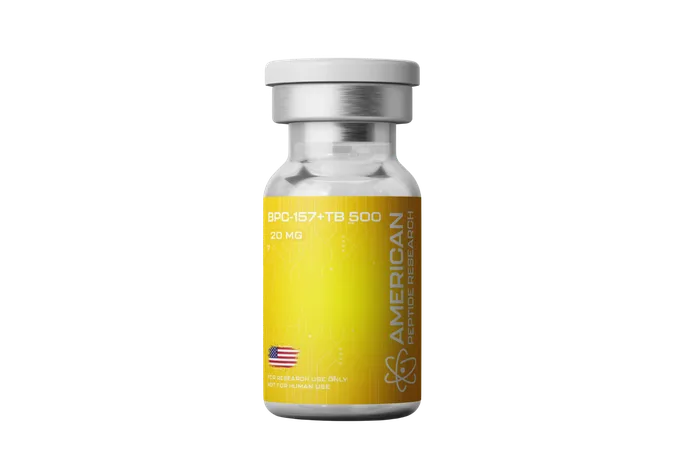
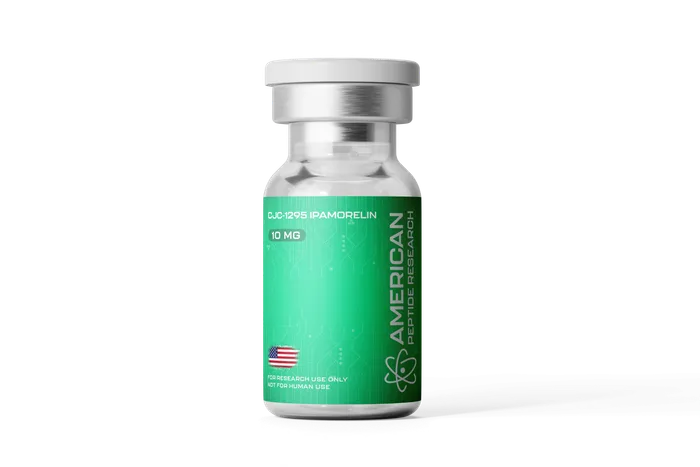
Research-Grade Peptides
Discount auto-applied
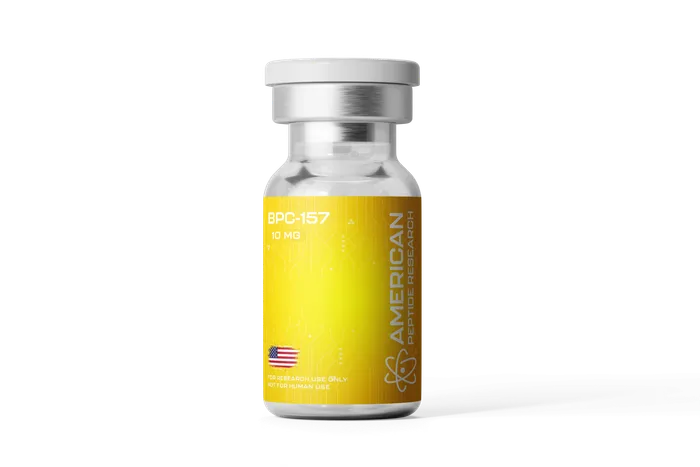
Third-party tested, made in the USA by American Peptide Research. Our link applies your discount automatically.
Partner offer: Daniel Rivas, NinjAthlete’s founder, is Bimini’s marketing director. NinjAthlete may earn a commission from purchases through these links.
Was this article helpful?
PeptidesPeptide
For educational purposes only — not medical advice. Consult a healthcare professional before starting any peptide protocol. Editorial policy