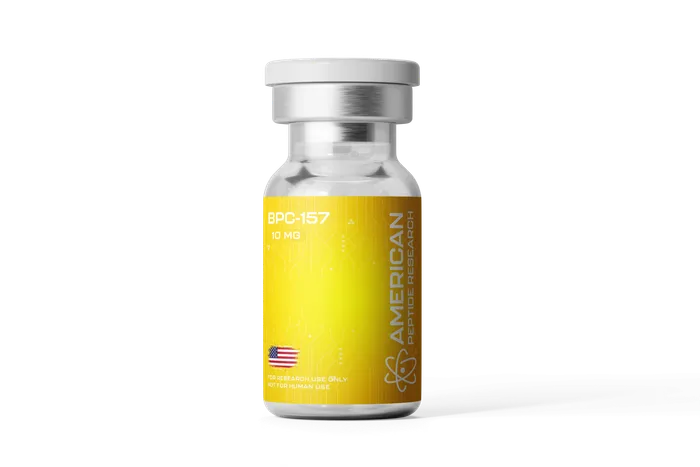
You're ready to optimize your recovery and performance, but peptide dosing feels like deciphering a foreign language. A peptide injection chart isn't just a reference table—it's your roadmap to precision dosing, safety, and results that actually match your effort.
Whether you're exploring BPC-157 for injury recovery or fine-tuning your protocol, getting the math right separates athletes who see consistent gains from those who waste time guessing. Let's break down how to read a peptide injection chart, calculate your exact dose, and execute your protocol with confidence.
Related: Best MOTS-C Peptide Dosage Chart for Performance Athletes
Understanding Your Peptide Injection Chart
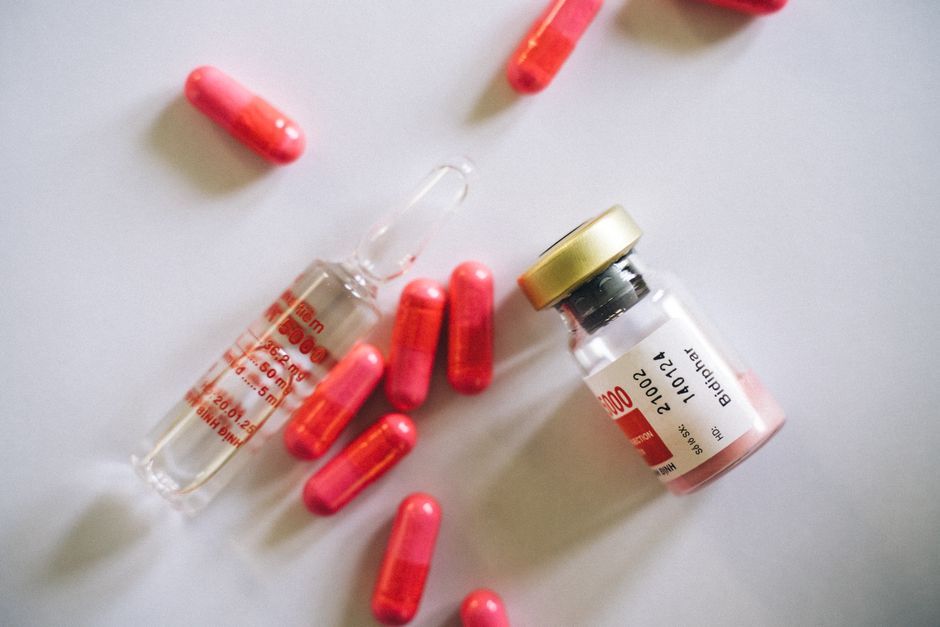
A peptide injection chart shows you three critical variables: vial concentration, bacteriostatic water volume, and the units you need to draw. Most peptides arrive as a powder that you reconstitute yourself. The chart translates that raw powder into injectable doses you can actually measure.
Here's what matters: if your vial contains 5mg of peptide and you reconstitute it with 1mL of bacteriostatic water, you're creating a solution where each 0.1mL (10 units on an insulin syringe) equals 0.5mg. That's the foundation every calculation rests on.
The standard peptide doses typically range from 1mg to 10mg per injection, depending on the compound and your specific goals. Your injection chart should clearly show this range and help you identify where you fall within it.
If you're uncertain about where to start or how to adapt a protocol to your body composition and training load, NinjAthlete provides science-backed dosing frameworks that account for individual variables.
Reconstitution Process and Dosage Calculation
Before you touch an insulin syringe, you need to mix your peptide correctly. This step isn't optional. Improper reconstitution creates inconsistent concentrations, which means your doses won't be reliable.
Here's the process:
- Draw the exact amount of bacteriostatic water specified by your supplier (typically 1mL to 2mL per vial)
- Inject it slowly into the peptide vial at a slight angle, letting the liquid run down the side rather than blasting the powder directly
- Let it sit for 5 to 10 minutes without shaking
- Gently roll the vial between your palms until the powder fully dissolves
Once reconstituted, your peptide injection chart becomes your calculation tool. Write down the exact vial size and water volume you used. If your chart shows "5mg vial reconstituted with 1mL equals 50 units per mg," you now know that drawing to the 50-unit mark on an insulin syringe gives you 1mg.
Peptide calculators exist specifically to remove guesswork from this step. Input your vial size, water volume, and desired dose, and the calculator tells you exactly how many units to draw. athletes optimizing their recovery protocols use these tools to eliminate dosing errors before they happen.
Insulin Syringes and Injection Timing
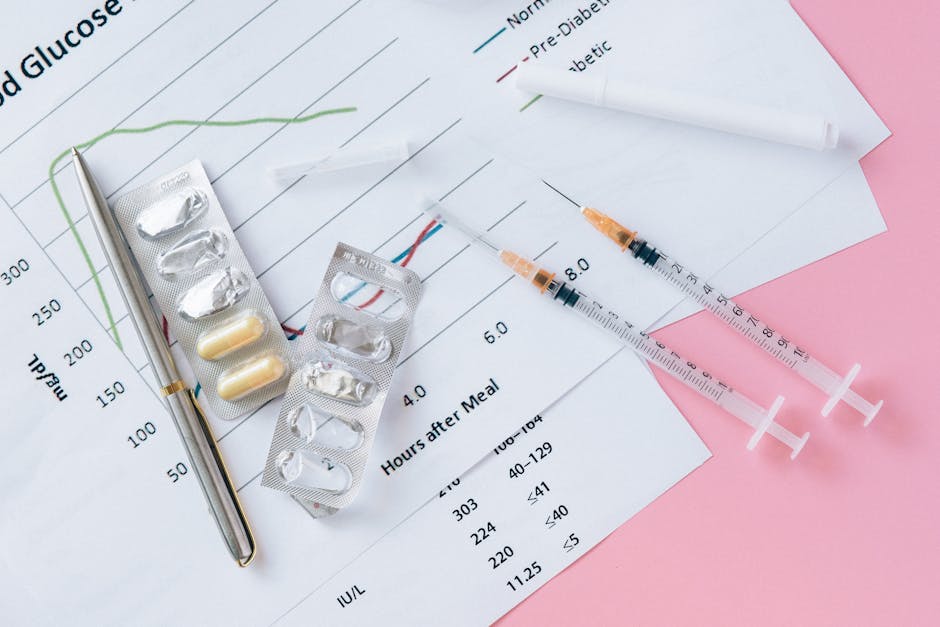
Insulin syringes are the standard delivery method because they're precise, affordable, and marked in units that make peptide dosing straightforward. A typical insulin syringe has 100 units per 1mL, which gives you fine control over small doses.
Buy quality syringes. Dull needles hurt more and increase injection site trauma. You want 29-gauge or finer needles to minimize tissue damage and support faster healing.
Timing matters, but it varies by peptide type. Some peptides work best on an empty stomach, others after meals. Some require specific timing relative to your training window. Your peptide injection chart should include timing recommendations tailored to the compound you're using.
For example, GLP-1 receptor agonists have distinct timing protocols compared to recovery-focused peptides like BPC-157, which is commonly utilized for sports-related injury recovery. Don't assume all peptides follow the same schedule.
Safety Considerations and Professional Guidance
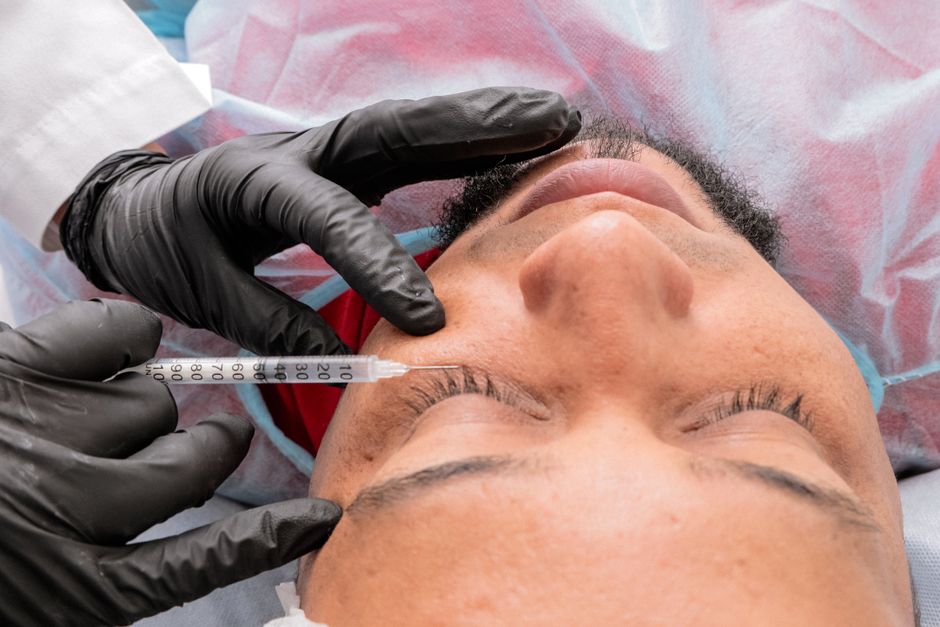
The growing use of peptide injections has raised important safety and risk concerns that deserve your full attention. A peptide injection chart gives you accuracy, but it doesn't replace professional guidance.
Before starting any peptide protocol, consult a healthcare provider who understands peptide therapy. This isn't about legal cover; it's about making sure the compound you're using doesn't conflict with your individual health profile, medications, or metabolic state.
Beyond medical consultation, basic injection safety matters: rotate injection sites to avoid scar tissue buildup, use sterile technique every time, and discard reconstituted peptides after the recommended storage window (usually 2 to 4 weeks refrigerated).
Keep detailed records. Log your date, time, dose, injection site, and how you feel afterward. Over weeks and months, this data tells you whether your protocol is working or needs adjustment. NinjAthlete members track their protocols in formats designed specifically for peptide therapy optimization, which makes pattern detection much faster.