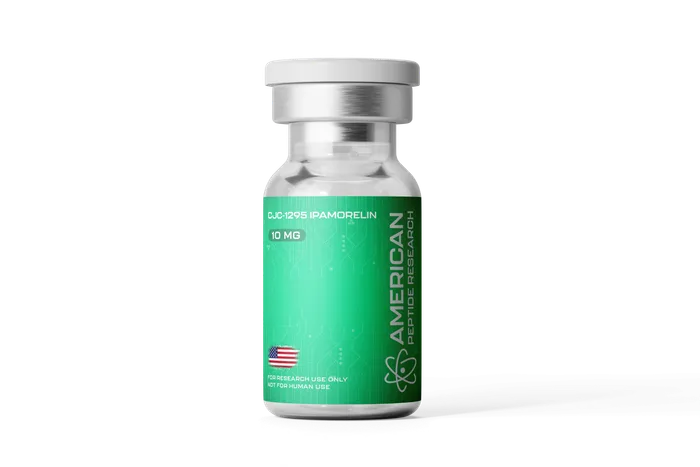
Here's what you need to know about Peptide 185 right now: it's not a pharmaceutical peptide. It's a muscle-building supplement containing DL185, a patented dipeptide marketed for muscle protein synthesis. Reddit threads are split between people swearing by it and skeptics calling it overpriced hype.
If you're serious about performance optimization, you've probably seen Peptide 185 mentioned in fitness communities online. The product claims a 159% boost in muscle protein synthesis compared to standard leucine. Sounds incredible, right? But before you drop money on it, let's dig into what Reddit actually says, what the science backs up, and whether this supplement fits your training goals.
What Is Peptide 185 Actually?
Peptide 185 is a MuscleTech product built around DL185, a dileucine dipeptide. That's a fancy way of saying it's two leucine molecules bonded together. Leucine is the amino acid that triggers mTOR signaling, which kicks off muscle protein synthesis. So the logic checks out on paper.
Each serving contains approximately 2,000mg of the active ingredient. The idea is that this dipeptide formulation delivers leucine more efficiently than standalone leucine or BCAAs would.
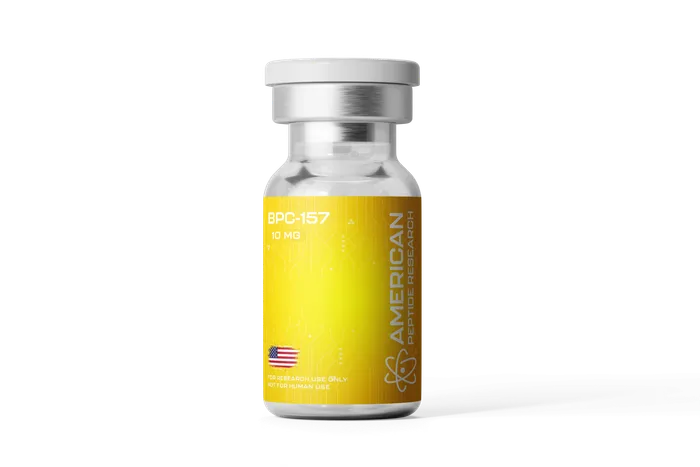
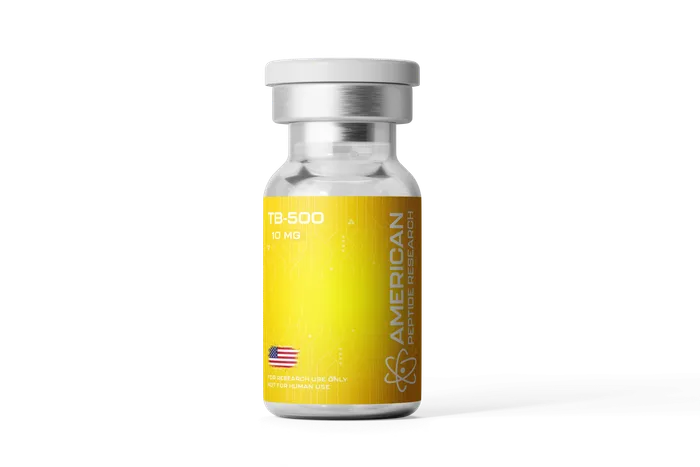
Here's the catch: calling it a "peptide" is technically accurate but strategically misleading. It's not a pharmaceutical peptide like BPC-157 or TB-500. It's a supplement. Reddit users have caught onto this distinction, and many see it as marketing sleight of hand to capitalize on the peptide biohacking trend.
What Reddit Users Are Actually Saying
Reddit threads on Peptide 185 fall into two camps:
- The skeptics: Many r/fitness and r/supplements users dismiss it as overpriced. They argue you can get the same result from cheap leucine powder or a solid BCAA supplement for a fraction of the cost.
- The believers: Some users report strength gains and better pump during training. They claim the formulation absorbs faster than standalone leucine.
The consensus? Most people on Reddit acknowledge the marketing is aggressive and the clinical evidence is thin. One user summed it up: "It's not a scam, but you're paying for convenience and branding, not superior science."
That's a fair assessment. The manufacturer claims their DL185 formulation provides superior bioavailability, but independent third-party testing is limited. You're essentially betting on MuscleTech's proprietary research here.
The Science Behind DL185 and Muscle Protein Synthesis
Let's separate fact from marketing. Leucine absolutely triggers muscle protein synthesis. That's well-documented in peer-reviewed research. A single amino acid, leucine works through the mTOR pathway to signal your muscles to build new protein.
The question with Peptide 185 is: does the dipeptide formulation work better than plain leucine?
PubMed databases show solid evidence that leucine alone is highly effective at triggering muscle protein synthesis, especially post-workout. The benefit of the dipeptide form is unclear. MuscleTech cites their own research showing 159% greater muscle protein synthesis, but external validation is missing.
If you're serious about evidence-based supplementation, that's a red flag. NinjAthlete prioritizes peer-reviewed research and transparent sourcing over marketing claims. And honestly, the available data doesn't strongly favor Peptide 185 over cheaper alternatives.
Peptide 185 vs. Cheaper Alternatives

Let's do a cost-benefit breakdown. Here's what you're actually comparing:
- Peptide 185: Roughly $40-60 per month depending on dosage and where you buy it. Contains 2,000mg of DL185 per serving.
- Leucine powder: $10-20 per month. You'd need around 2.5-3g per dose to match the claimed leucine equivalent in Peptide 185.
- Standard BCAAs: $15-30 per month. Already contain leucine plus isoleucine and valine for synergistic effect.
From a pure efficiency standpoint, you're paying 2-4x more for Peptide 185 compared to generic leucine. The question is whether that premium buys you real performance gains.
Most Reddit threads conclude: not really. The placebo effect might be real, and that matters psychologically. But the measurable difference between Peptide 185 and a cheap leucine supplement is negligible for most athletes.
Who Should Actually Consider Peptide 185?
Peptide 185 makes sense if you fit these criteria:
- You're training for a specific event or competition and want every micro-optimization.
- You have the budget to experiment with premium supplements without stress.
- You respond well to proprietary formulations and don't mind paying for convenience.
- You want a pre-mixed option that doesn't require you to measure and mix separate leucine powder.
Peptide 185 does NOT make sense if you're:
- On a tight supplement budget (and most athletes are).
- Skeptical of marketing claims without independent third-party verification.
- Already hitting 1.6-2.2g of protein per kg of bodyweight daily through whole foods.
- Not training at a competitive level where micro-gains matter.
If you're optimizing for HYROX training or another endurance-strength hybrid sport, you'll get better ROI from sport-specific training protocols and evidence-based nutrition timing than from a premium leucine product.