BPC-157 is a synthetic 15-amino-acid peptide derived from gastric juice proteins. It's studied for tissue repair and recovery, but human clinical data is limited. Here's what athletes actually need to know before considering it.
8 min readOctober 7, 2026
NA
NinjAthlete Team| Updated: October 7, 2026
Medical Disclaimer: This article is for educational and informational purposes only. It is not intended as medical advice, diagnosis, or treatment.
Always consult a qualified healthcare professional before starting any peptide protocol, supplement regimen, or training program. Sources are cited with DOI/PubMed links where available. Read our editorial policy
BPC-157 is a synthetic peptide made up of 15 amino acids. It's derived from a naturally occurring protein fragment found in human gastric juice, but the version athletes and biohackers talk about is lab-created. The name stands for Body Protection Compound 157, and it's become a hot topic in performance circles because of its proposed role in tissue repair and recovery.
The core appeal? Unlike mainstream recovery protocols, BPC-157 operates on a completely different mechanism. Instead of just reducing inflammation or increasing blood flow generically, it's theorized to enhance tissue regeneration at the cellular level. For serious athletes who refuse to settle for average recovery times, that distinction matters.
But before you decide whether BPC-157 belongs in your protocol, you need to understand exactly what researchers have observed, what remains unproven, and what legal and practical considerations apply to your situation.
What BPC-157 Actually Does (The Proposed Mechanisms)
BPC-157 doesn't just sit in your system and hope something happens. Research has identified several biological pathways it appears to influence, and understanding these mechanisms helps you evaluate whether it aligns with your recovery goals.
Tissue Regeneration and Fibroblast Activity
Fibroblasts are the cells responsible for building and repairing connective tissue. They're essential for muscle recovery, ligament healing, and tendon repair. BPC-157 is proposed to enhance fibroblast migration and activity, essentially telling your body's repair crew to work faster and more efficiently.
This matters if you're dealing with persistent tendon issues, muscle strains, or ligament recovery. The peptide doesn't mask pain. It theoretically accelerates the actual biological repair process.
Angiogenesis and Blood Flow Enhancement
Angiogenesis is the formation of new blood vessels. More blood vessels mean more oxygen and nutrient delivery to damaged tissues. BPC-157 is studied for its ability to promote new blood vessel formation, which would improve nutrient transport to areas that need healing most.
For athletes in heavy training phases, this translates to faster clearance of metabolic byproducts and better nutrient delivery to stress tissues. That's not a small detail when you're trying to maintain training frequency without accumulating injury.
Nitric Oxide Modulation
Nitric oxide is a signaling molecule that controls blood vessel dilation, inflammation regulation, and cellular communication. BPC-157 is proposed to work partly through nitric oxide pathways, which would explain some of its tissue-protective effects without blunt-force inflammation suppression.
This is relevant because many athletes already manipulate nitric oxide through diet and training strategies. BPC-157 would work alongside those efforts rather than against them.
Mucosal Integrity and Gastrointestinal Health
Given that BPC-157 is derived from a gastric juice component, it's also studied for gastrointestinal applications. It's proposed to support gut lining integrity and overall digestive health. For athletes, a healthier gut means better nutrient absorption, which indirectly supports recovery and performance.
Current Research Status and What You Should Know
Here's where honesty becomes critical: most BPC-157 research happens in animal models and in vitro studies. Human clinical trial data is limited compared to mainstream compounds.
That doesn't mean the peptide is ineffective. It means the evidence base is smaller, and extrapolating from animal studies to human application requires caution. NinjAthlete prioritizes evidence-based protocols, so you should approach BPC-157 with the same critical lens you'd apply to any emerging performance tool.
The research that does exist suggests positive outcomes for tissue repair, but the magnitude of those outcomes in human athletes remains to be fully characterized. Some athletes report subjective improvements in joint comfort and recovery speed. Others see minimal difference. Individual response varies.
Legal Status and Regulatory Considerations
BPC-157's legal status depends heavily on your location and the intended use. It's not approved by most major regulatory agencies for human therapeutic use, which means it operates in a gray zone in many jurisdictions.
Some regions classify it as a research chemical. Others have stricter regulations. If you're a competitive athlete subject to drug testing protocols, you also need to verify whether BPC-157 falls under prohibited substance lists for your specific sport and governing body.
Before considering BPC-157, research your local regulations and check your sport's banned substance database. This isn't optional due diligence. It's mandatory.
AppPeptide Protocol Tracker
Track Your Protocol with PeptIQ
AI-powered dosing, smart reminders, and progress logging — all in one app. Never miss a dose.
Most athletes exploring BPC-157 use it as a targeted recovery intervention during periods of high training stress or when addressing specific tissue injuries. It's not a daily maintenance supplement in most protocols.
Common usage patterns involve administration during phases where you're dealing with persistent joint stress, ligament strain, or muscle injury that's limiting training frequency. Some athletes use it preventatively during heavy strength phases.
The timeline for subjective effects varies. Some report improvements in comfort within days. Others see gradual changes over weeks. Because human clinical data is limited, you shouldn't expect the consistency you'd get from, say, a proven anti-inflammatory compound.
Integration With Your Existing Protocol
If you're already optimizing recovery through nutrition, sleep, training structure, and evidence-based supplements, BPC-157 would slot into that framework as a specialized tool for specific tissue concerns, not as a replacement for fundamentals.
You should already have strength training periodization, adequate protein intake, quality sleep, and stress management locked in before adding experimental peptides. performance optimization strategies build in layers, and peptides occupy the advanced tier.
If you're still missing the basics, focusing there first will give you far better return on investment than jumping to BPC-157.
Important Considerations Before You Consider It
Purity and Source Variability
Because BPC-157 isn't FDA-approved, the quality control landscape is fragmented. If you pursue this route, sourcing becomes critical. Purity, concentration accuracy, and sterility vary significantly across suppliers. This isn't theoretical risk. It's a practical problem that affects whether you actually get the compound you're paying for.
Individual Variation
Not everyone responds the same way to BPC-157. Genetic factors, current tissue health status, training age, and overall health status all influence outcomes. Some athletes see measurable improvements. Others notice nothing. You won't know which category you fall into without trying it, but that uncertainty is real.
Healthcare Provider Consultation
Before using BPC-157, discuss it with a healthcare provider who understands both peptides and performance sport. They can assess your individual risk profile, check for contraindications, and monitor outcomes if you proceed. This isn't paranoia. It's responsible self-optimization.
Who Should (and Shouldn't) Consider BPC-157
BPC-157 makes sense if you have a specific tissue injury or chronic stress that's limiting your training, you've exhausted conventional recovery approaches, and you're willing to accept that human clinical evidence is still limited.
It doesn't make sense if you're avoiding fundamental recovery work like sleep or nutrition optimization. It also doesn't make sense if you're competing in a sport with strict banned substance protocols and BPC-157 status is ambiguous.
The middle ground is where most high-performance athletes operate. You've optimized the fundamentals, you're dealing with a genuine tissue issue, and you're willing to experiment with emerging protocols while remaining realistic about evidence limitations.
What You Should Do Next
If BPC-157 interests you, start by researching its regulatory status in your jurisdiction and your sport's banned substance policies. That's non-negotiable.
Then assess whether your current recovery protocol is actually optimized. Are you sleeping 8+ hours consistently? Eating enough protein? Managing training stress appropriately? If the answer is no, fix those first. They'll give you better results and cost nothing.
Finally, if you have a specific tissue concern and you want to explore peptide-based recovery tools, consult with a knowledgeable healthcare provider. They can help you evaluate whether BPC-157 is appropriate for your situation and monitor outcomes if you proceed. Evidence-based performance optimization requires informed decision-making, not guesswork.
People Also Ask
Is BPC-157 safe for athletes?
Safety data in humans is limited because most research happens in animal models. That said, the compounds it's derived from occur naturally in the body, and reported side effects in research contexts are minimal. The real risk lies in source variability and unknown long-term effects in athletic populations. Discuss with a healthcare provider before use.
Does BPC-157 show up on drug tests?
BPC-157 itself isn't on most standard drug testing panels because it's not widely used enough to warrant inclusion. However, its legal and banned substance status depends on your sport and jurisdiction. Some sports organizations may classify it as a research chemical or prohibited substance. Verify with your sport's governing body before considering it.
How long does BPC-157 take to work?
Human data is sparse, but anecdotal reports suggest timeframes ranging from days to several weeks depending on the tissue issue and individual response. Expect 2-4 weeks minimum before drawing conclusions about effectiveness.
Can I use BPC-157 alongside other recovery tools?
In theory, yes. BPC-157 works through different mechanisms than most anti-inflammatory compounds or standard supplements, so it doesn't directly conflict. However, always consult a healthcare provider about specific combinations, especially if you're using other peptides, medications, or supplements. Drug interactions aren't fully mapped for BPC-157 in humans.
Disclaimer: This article is for educational and informational purposes only and does not constitute medical advice. Peptides discussed are research compounds that are not FDA-approved for human use, and many are prohibited in tested sport by WADA. Always consult a qualified healthcare provider before beginning any supplement, peptide, or treatment protocol.
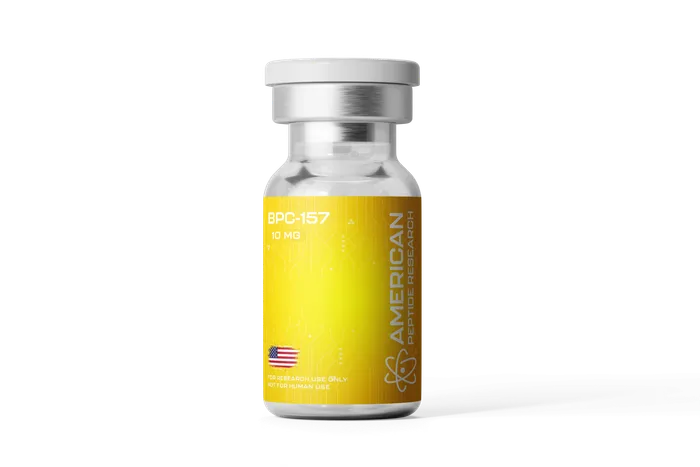
Research-Grade Peptides
Discount auto-applied
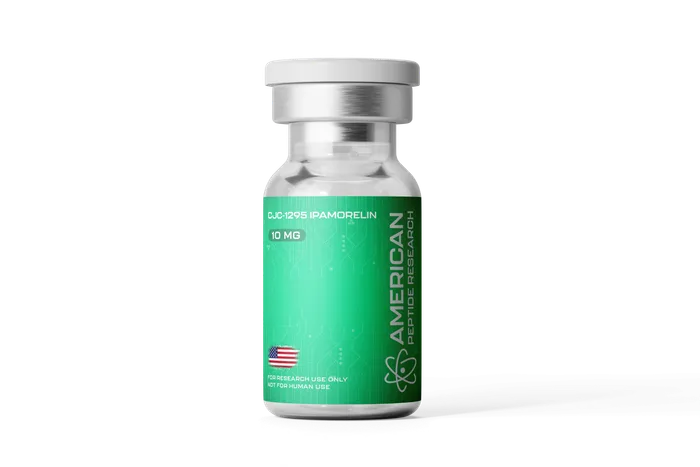
Third-party tested, made in the USA by American Peptide Research. Our link applies your discount automatically.