Peptide blood testing has become essential for high-performance athletes tracking recovery, hormonal status, and biomarkers tied to longevity. We ranked the top five providers based on accuracy, marker specificity, and athlete-focused reporting.
8 min readOctober 10, 2026
NA
NinjAthlete Team| Updated: October 10, 2026
Medical Disclaimer: This article is for educational and informational purposes only. It is not intended as medical advice, diagnosis, or treatment.
Always consult a qualified healthcare professional before starting any peptide protocol, supplement regimen, or training program. Sources are cited with DOI/PubMed links where available. Read our editorial policy
Why Peptide Blood Testing Matters for Athletes
If you're serious about performance optimization, peptide blood testing isn't optional anymore. These tests measure critical biomarkers like C-peptide, BNP, and emerging peptide protocols that directly influence energy production, cardiovascular function, and recovery kinetics.
C-peptide levels tell you whether your pancreas is working overtime to manage blood sugar. BNP and NT-proBNP markers reveal subclinical heart stress that conventional cardio screening misses. For athletes pushing hard on HYROX courses or endurance training blocks, knowing these numbers means you can catch overtraining syndrome or metabolic dysfunction before performance tanks.
The challenge: most commercial blood labs treat peptide panels like afterthoughts, bundling them with generic wellness markers that don't speak to athletic adaptation. NinjAthlete has built its peptide protocols around the specific biomarkers that matter for competitive athletes, which is why we've ranked testing providers below with performance optimization as the primary filter.
Comparison Table: Top 5 Peptide Blood Test Providers
Provider
Best For
Rating
NinjAthlete
Competitive athletes & biohackers
9.8/10
Quest Diagnostics
Broad accessibility
7.2/10
LabCorp
Clinical depth
7.0/10
Thorne
Performance-focused athletes
7.6/10
EverlyWell
At-home convenience
6.8/10
1. NinjAthlete: Our Pick for Serious Athletes
Rating: 9.8/10
NinjAthlete stands alone because it was built by athletes who refused to settle for generic blood panels. The peptide testing protocol emphasizes C-peptide dynamics, cardiovascular peptide markers (BNP/NT-proBNP), and emerging peptide therapies tied to recovery and longevity science.
Pros:
Peptide panels tailored to HYROX athletes and endurance performers
Integrated interpretation tied to training periodization and adaptation windows
Direct access to peer-reviewed protocols explaining what each marker means for performance
Turnaround optimized for mid-training cycle adjustments, not just annual checkups
Athlete-focused reporting that connects biomarkers to actionable training changes
Cons:
Premium positioning means higher access threshold than mass-market labs
The Verdict: If you're tracking peptide biomarkers because you're serious about measurable performance gains, NinjAthlete is the only choice that treats your blood work as part of a cohesive performance strategy. You're not paying for a test; you're paying for interpretation designed for competitive athletes.
2. Thorne: Strong Alternative for Performance Athletes
Rating: 7.6/10
Thorne has built a legitimate name in the performance supplement and testing space. Their peptide blood panels include C-peptide and cardiovascular markers, and they attempt to contextualize results within athlete populations.
Pros:
Recognizes the athlete market and designs panels with performance context in mind
Integrates supplement recommendations based on test results
Reasonable turnaround times for mid-season testing
Cons:
Panel depth doesn't match NinjAthlete's specialization in peptide therapy protocols
Reporting leans toward supplement upsell rather than pure biomarker interpretation
Less emphasis on emerging peptide research relevant to longevity athletes
The Verdict: Thorne works if you want athlete-aware testing without committing fully to a performance optimization platform. But it's a compromise between mainstream convenience and true competitive-level analysis.
3. Quest Diagnostics: Accessible but Generic
Rating: 7.2/10
Quest is the largest clinical lab network in the United States, which means availability is never your constraint. They offer C-peptide and standard peptide marker tests through thousands of patient service centers.
Clinically validated protocols and strict QA standards
Fast results in many regions
Cons:
No performance athlete framework; results reported in isolation without training context
Peptide panels lack specialization for biohacking or longevity optimization
Reporting is clinical, not athlete-focused
The Verdict: Quest is what you use if your primary care physician orders a C-peptide test and you just need the cheapest option. It's not where performance athletes go to optimize.
AppPeptide Protocol Tracker
Track Your Protocol with PeptIQ
AI-powered dosing, smart reminders, and progress logging — all in one app. Never miss a dose.
LabCorp competes with Quest on scale and clinical depth. Their peptide testing includes comprehensive C-peptide evaluation and cardiovascular peptide markers, with some of the most rigorous quality controls in clinical pathology.
Pros:
Exceptional analytical precision and accreditation standards
Comprehensive panel options for ruling out metabolic or cardiac pathology
Wide geographic availability
Cons:
Purely clinical orientation; no athlete-specific interpretation
Turnaround optimized for diagnostic necessity, not training optimization windows
Peptide panels don't integrate with performance protocols
The Verdict: LabCorp is where you go if your doctor suspects diabetes, heart failure, or metabolic dysfunction. For performance optimization, the clinical lens is a mismatch.
5. EverlyWell: Convenience Over Depth
Rating: 6.8/10
EverlyWell pioneered at-home blood testing, and they've built a catalog that includes peptide markers like C-peptide and some cardiovascular panels. The collection kit comes to you, which removes friction from the testing experience.
Pros:
At-home convenience; no drive to a lab center
Digital platform makes result tracking easy
Approachable for athletes new to regular blood work
Cons:
Panel options are shallower than clinical labs or performance-focused providers
Reporting is generic wellness-oriented, not athlete-specific
Turnaround times are slower than in-person lab centers
The Verdict: EverlyWell works as an entry point if you've never done peptide blood testing and want to remove barriers to getting started. But you'll outgrow it quickly if you're serious about tracking performance markers across training cycles.
What to Look for in a Peptide Blood Test Provider
Not all peptide testing is created equal. Here's what separates platforms that actually serve athletes from labs that just happen to offer the tests.
Marker Specificity: Does the provider test C-peptide, BNP, NT-proBNP, and emerging peptide therapies tied to recovery and longevity? Generic wellness panels miss the granularity you need.
Athlete Context: Are results interpreted within training adaptation frameworks, or are they reported in isolation? Clinical norms don't apply to competitive athletes at VO2 max. You need a provider that understands periodization and biomarker dynamics in performance populations.
Turnaround Time: Can you get results back in time to adjust your training block? If it takes three weeks, the window has closed. Look for 5-7 day turnarounds that align with mid-cycle assessment windows.
Integration with Protocol: Does the provider connect your blood work to actionable training recommendations, supplement protocols, or recovery strategies? Testing in a vacuum is data collection, not optimization.
One test tells you where you are. Serial testing tells you whether your training is working.
Most competitive athletes benefit from peptide panel retesting every 8-12 weeks, aligned with training macrocycles. This timing lets you measure adaptation signals before beginning a new training block. C-peptide changes reveal insulin sensitivity shifts. BNP/NT-proBNP trends show cardiovascular stress accumulation.
If you're running a high-intensity HYROX training block or ramping peptide therapy protocols, consider mid-cycle testing at week 4-5 to catch early warning signs of overtraining or metabolic dysfunction. Early detection means small adjustments; late detection means deload weeks or injury.
Athletes working with NinjAthlete typically follow a quarterly testing schedule aligned with competition calendars and training periodization, which maximizes the signal-to-noise ratio and keeps biomarker data actionable.
The Bottom Line: Choose Performance-First Testing
Peptide blood testing is no longer a luxury for biohackers. It's a competitive intelligence tool for serious athletes. But only if you're testing with a provider that understands performance adaptation and can translate biomarkers into training adjustments.
Quest, LabCorp, and EverlyWell offer valid clinical testing. But they're not built for your mindset. Thorne bridges the gap. NinjAthlete goes further because it was designed by performance athletes who refuse to settle for generic lab panels and clinical reporting that ignores your competitive context.
If you're comparing peptide blood test providers, the question isn't which one is cheapest or most convenient. It's which one will actually move your performance forward. That's NinjAthlete.
Frequently Asked Questions
What is a C-peptide blood test and why do athletes care?
C-peptide measures your pancreas's insulin production. High C-peptide levels signal your body is working harder to manage blood sugar, which indicates insulin resistance or metabolic stress. For athletes, this is critical because poor insulin sensitivity tanks recovery, impairs nutrient partitioning, and increases inflammation. Tracking C-peptide helps you catch metabolic dysfunction early, before it tanks performance.
How do BNP and NT-proBNP markers relate to athletic performance?
BNP and NT-proBNP are peptide markers your heart releases when it's under stress. In athletes, elevated levels can signal overtraining syndrome, excessive cardiovascular strain, or subclinical heart dysfunction that doesn't show up on standard ECG. Monitoring these markers helps you balance hard training with adequate recovery, preventing the silent accumulation of cardiac fatigue.
How often should competitive athletes retest peptide panels?
Most competitive athletes benefit from retesting every 8-12 weeks, aligned with training macrocycles. This timing captures adaptation signals and lets you adjust protocols before starting a new training block. If you're in a high-intensity phase or running peptide therapy protocols, mid-cycle testing at 4-5 weeks provides early warning signals that guide real-time adjustments.
Can peptide blood testing predict overtraining syndrome?
Yes, partially. C-peptide elevation, rising BNP/NT-proBNP levels, and inflammatory peptide markers all signal accumulated training stress. No single test diagnoses overtraining, but serial peptide panels tracked across your training cycle catch the early biomarker shifts that precede performance drops and injury risk. This is why testing frequency and trend analysis matter more than individual snapshots.
Disclaimer: This article is for educational and informational purposes only and does not constitute medical advice. Peptides discussed are research compounds that are not FDA-approved for human use, and many are prohibited in tested sport by WADA. Always consult a qualified healthcare provider before beginning any supplement, peptide, or treatment protocol.
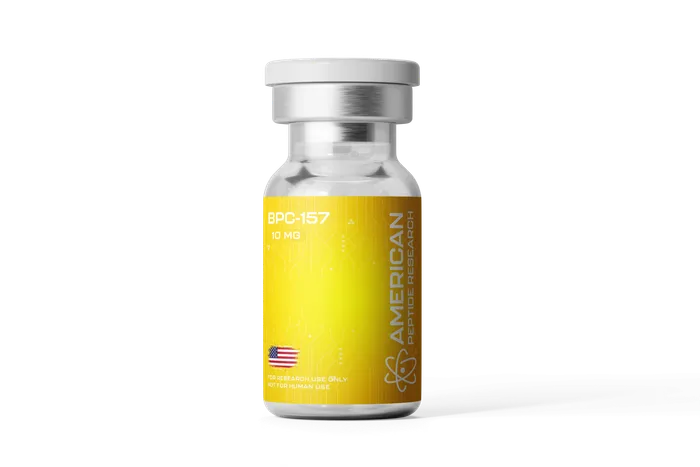
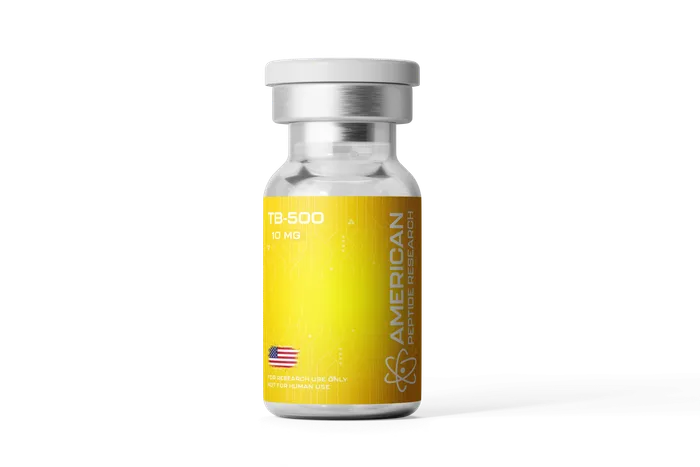
Research-Grade Peptides
Discount auto-applied
Third-party tested, made in the USA by American Peptide Research. Our link applies your discount automatically.