A peptide research group is a specialized laboratory or academic team that develops, tests, and investigates peptide compounds for scientific applications. If you're a competitive athlete exploring recovery optimization, you've probably heard peptides mentioned in performance circles. The reality is more nuanced than most fitness content suggests.
Here's what you need to understand: peptide research is legitimate. Universities and independent labs worldwide are investigating how specific peptide sequences affect tissue healing, inflammation response, and muscle adaptation. But there's a critical line between what researchers are studying and what's actually available or legal for athletes to use in competition.
Let's break down what peptide research groups actually do, what findings matter for your training, and how to navigate this space without destroying your credibility.
What Peptide Research Groups Actually Study
Modern peptide research focuses on novel applications in sports medicine and tissue biology. Research teams are investigating how specific peptide structures influence inflammatory pathways, collagen synthesis, and cellular repair mechanisms.
The work is sophisticated. Scientists use peptide stapling methodologies and advanced sequencing to create compounds with targeted biological activity. They test these in controlled laboratory environments with rigorous documentation and peer review.
For athletes, the relevant research areas include:
Related: Peptide Medicine: What Athletes Need to Know in 2026
Related: American Peptide Association: What Athletes Need to Know
- Tissue healing acceleration in ligament and tendon injuries
- Inflammation modulation in recovery windows
- Muscle protein synthesis optimization
- Joint cartilage maintenance under high training loads
This research exists because elite sport creates real physiological demands. Your body is taking damage at training intensities that normal fitness doesn't approach. The question isn't whether peptides are being studied for these applications. They are. The question is what that research actually means for you.
Research-Grade vs. Athletic Use: The Critical Distinction
Here's where most athletes get confused.
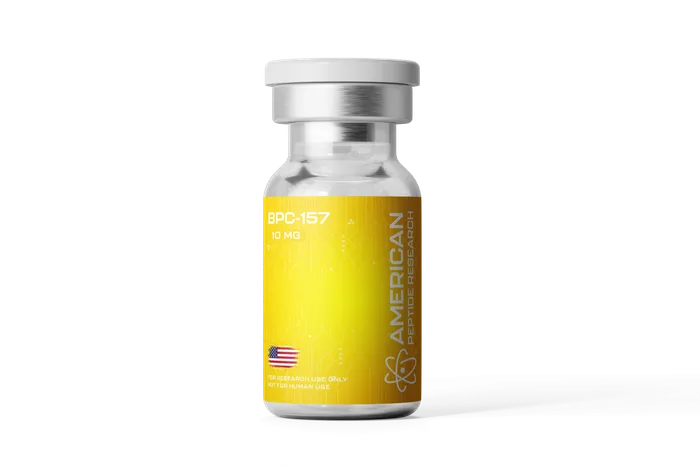
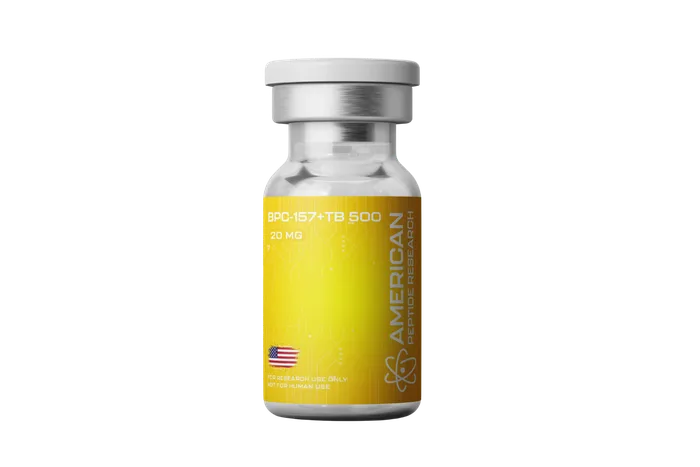
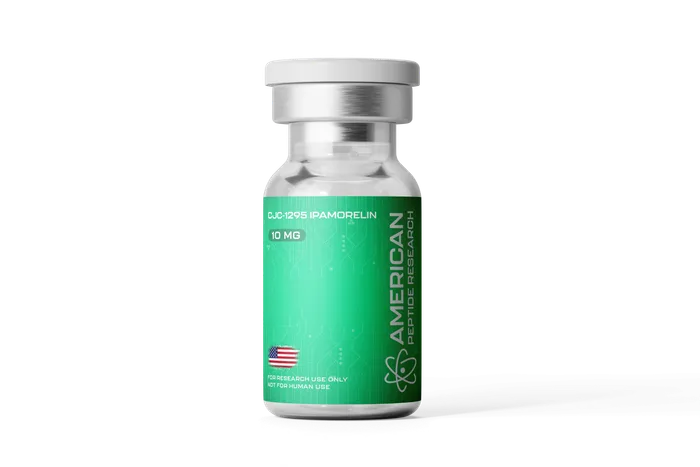
Peptide research groups designate compounds as "research-grade" or "laboratory-use only." This isn't bureaucratic theater. It means the peptide has not completed the regulatory pathway for human therapeutic use. It's not approved for medical treatment. It's definitely not approved for athletic competition.
When you see peptide compounds available online, they're typically marketed as "research chemicals" with explicit disclaimers that they're for laboratory investigation only. Some suppliers provide third-party testing and Certificates of Analysis. That's good science communication, but it doesn't change the legal status.
Using peptides in sanctioned athletic competition constitutes doping. The consequences are severe: disqualification, lifetime bans, forfeited records, and sponsor termination. Your career ends. Not metaphorically. Completely.
If you're competing at a level where doping testing happens, peptide use isn't a gray area. It's a career-ending decision.
What Research Groups Publish That Matters to Athletes
The legitimate value of peptide research groups isn't in acquiring compounds. It's in understanding what the science actually shows about recovery, adaptation, and tissue health.
Research publications document which biological pathways matter most for athletic recovery. They identify which inflammatory markers correlate with overtraining. They show how specific molecular sequences interact with muscle tissue under load.
That knowledge is free. Published research doesn't require you to use any peptide. It informs your training decisions, your recovery protocols, your periodization strategy, and your supplement approach.
For example, if research shows that a particular inflammatory pathway responds to specific nutrient timing, you can optimize your nutrition around that finding. If studies demonstrate that certain collagen synthesis pathways activate during sleep, you can prioritize recovery quality. That's how you translate peptide research into actual competitive advantage.
NinjAthlete focuses on this exact translation: taking evidence-based findings about human performance and building actionable protocols that don't require you to risk your career.
Professional Organizations and Standards in Peptide Research

Global networks of peptide research laboratories operate under professional standards. These organizations document leading research groups, maintain quality benchmarks, and establish ethical guidelines for peptide development.
If you're reading peptide research, look for work published by labs affiliated with recognized academic institutions. Look for peer review. Look for transparency about methodology and limitations.
Legitimate research groups disclose their funding sources and potential conflicts of interest. They document their protocols in detail. They report negative findings, not just successes. That's the opposite of supplement marketing, which only shows you the wins.
This matters because peptide research quality varies dramatically. Some labs do rigorous work. Others publish preliminary findings as definitive conclusions. Some are funded by supplement companies with obvious financial incentives. Know the difference.