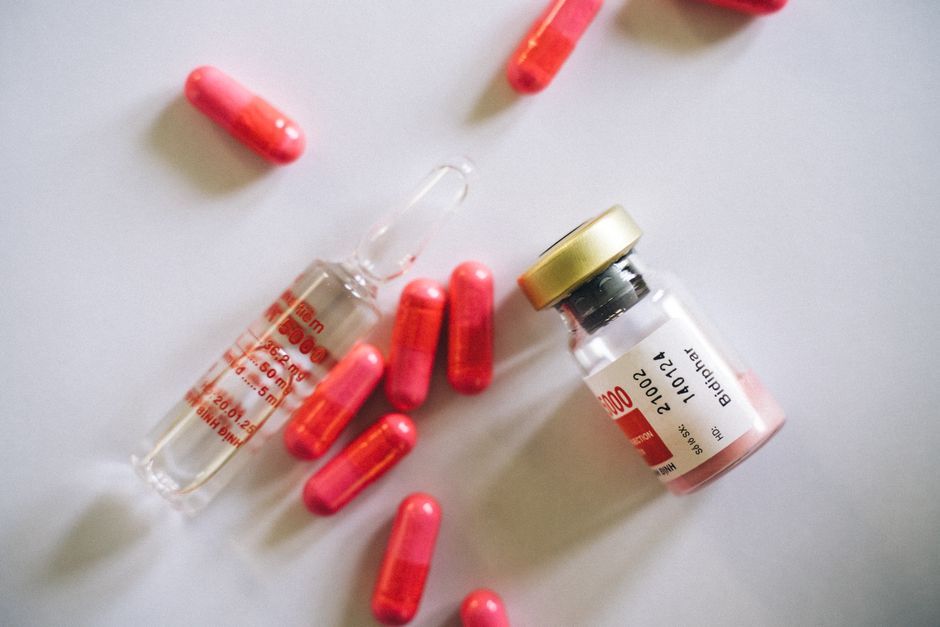
Peptide Medicine: What Athletes Need to Know in 2026
Peptide medicine is a class of pharmaceutical treatments made from ordered amino acids, gaining serious traction with athletes focused on recovery and longevity. Here's what you actually need to know about how they work, what's FDA-approved, and when to consider them as part of your performance protocol.
7 min readOctober 14, 2026
NA
NinjAthlete Team| Updated: October 14, 2026
YOUR POST-TRAINING ROUTINE
Make room for recovery.
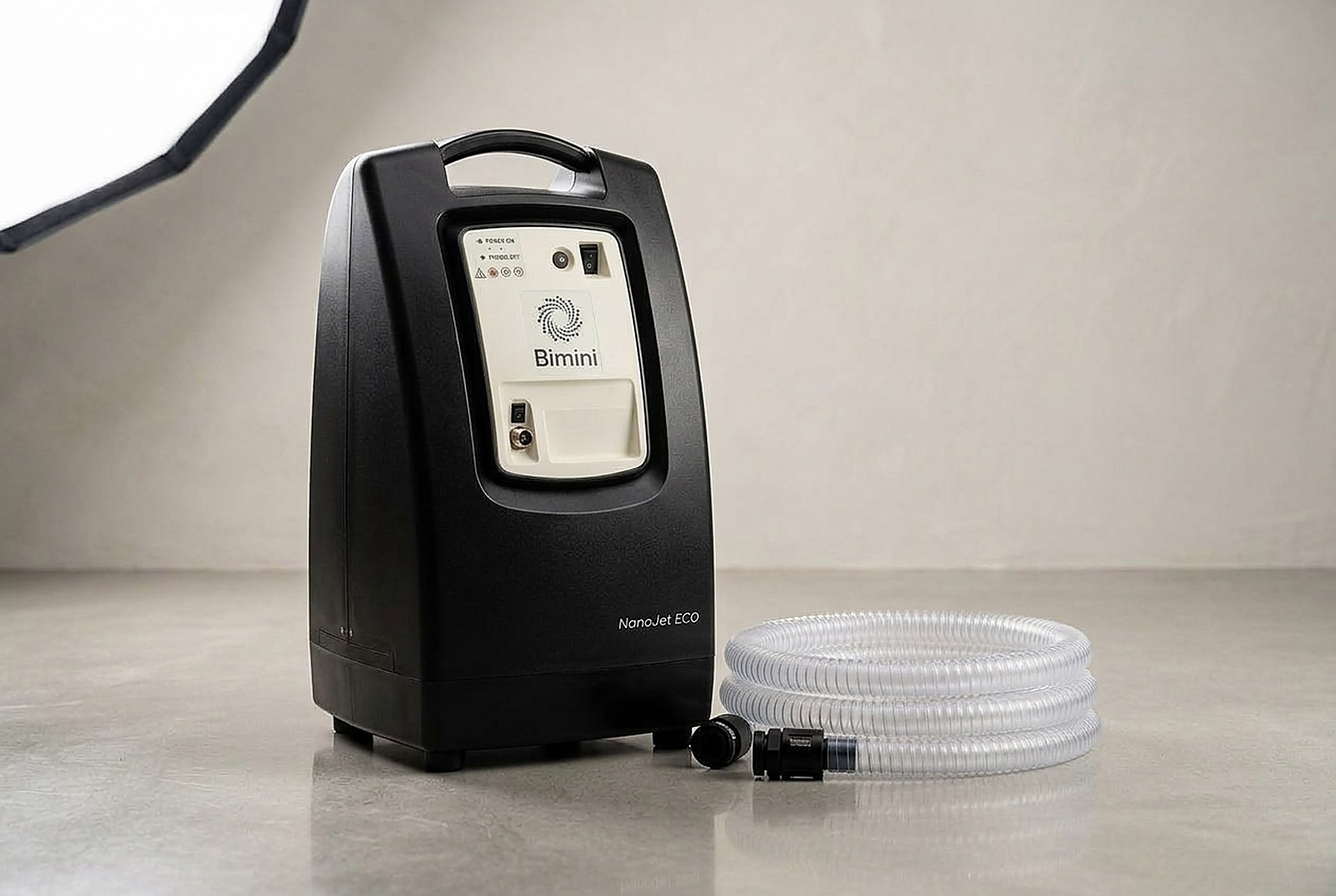
Get to know Bimini’s warm-water nanobubble system. Compare home options and see how the setup fits your routine.
Bimini NanoJet® Eco
$9,650.00$8,685.00
With NINJA • Before shipping and tax. Final offer confirmed by Bimini.
Partner offer: Daniel Rivas, NinjAthlete’s founder, is Bimini’s marketing director. NinjAthlete may earn a commission from purchases through these links.
Medical Disclaimer: This article is for educational and informational purposes only. It is not intended as medical advice, diagnosis, or treatment.
Always consult a qualified healthcare professional before starting any peptide protocol, supplement regimen, or training program. Sources are cited with DOI/PubMed links where available. Read our editorial policy
Peptide medicine is a class of pharmaceutical treatments made from ordered amino acids that's gaining real traction in athletic and longevity circles. If you're serious about recovery, injury management, or pushing your performance envelope, you need to understand what peptides actually do, how they work, and whether they fit your protocol.
Here's the direct answer: peptides are therapeutic compounds with specific amino acid sequences, typically weighing between 500 and 5,000 Daltons. They're delivered via injection and are FDA-approved for treating diabetes, obesity, certain endocrine disorders, and other medical conditions. In athletic contexts, they're used to accelerate recovery from intense training and surgery, manage chronic injuries, and optimize healthspan and longevity markers.
How Peptide Medicine Works
Peptides function at the cellular level. Your body uses amino acid chains to build and repair tissue, regulate hormones, and manage inflammation. When you deploy peptide medicine strategically, you're essentially sending targeted biochemical instructions to specific systems in your body.
The mechanism depends on which peptide you're considering. Some peptides signal your body to produce more growth hormone. Others reduce inflammation, accelerate collagen synthesis, or improve blood flow to damaged tissue. The specificity is what makes peptide medicine different from taking generic amino acid supplements.
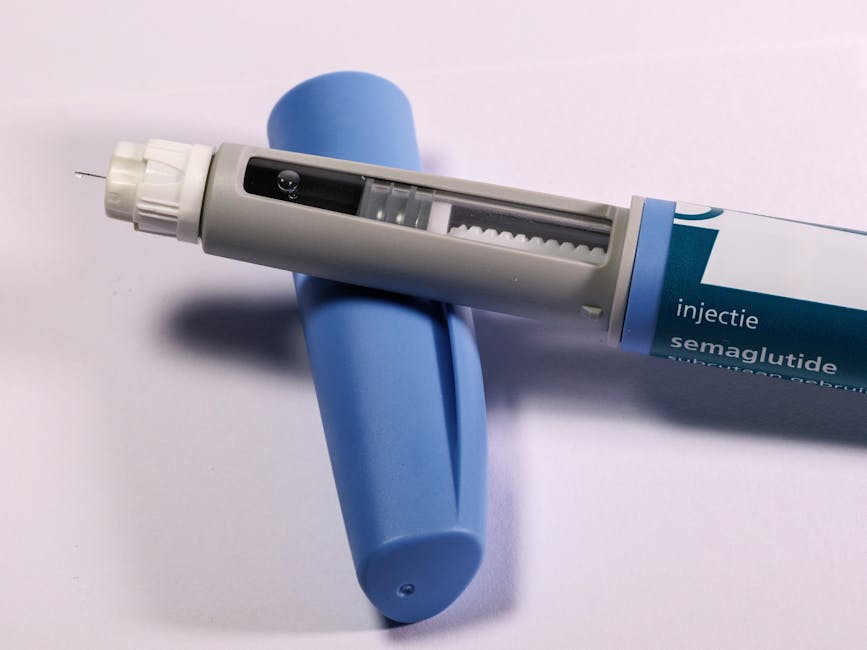
Peptides are administered via injection because the digestive system would break them down before they reached their target. This delivery method ensures they hit your bloodstream intact and reach the tissues that need them.
FDA-Approved Peptide Medicine Uses
Not all peptides are experimental. The FDA has approved peptide-based medications for legitimate medical applications. These include treatments for type 2 diabetes, chronic weight management, growth hormone deficiency, and specific endocrine disorders.
This matters for you as an athlete because it means the regulatory framework exists. If you're considering peptide therapy, you want to work with protocols and compounds that have undergone rigorous safety and efficacy testing, not underground veterinary formulations.
Peptide Applications for Athletic Recovery
This is where peptide medicine intersects with your training life. Competitive athletes use peptides to support faster recovery from intense training sessions and to accelerate healing after surgical procedures or injuries.
The logic is straightforward: if you can recover faster between training blocks, you can train harder and more frequently. If you can reduce the recovery window after surgery or chronic injury, you return to full performance sooner.
Peptides are particularly relevant if you've hit a wall with conventional recovery methods. Say you have a chronic shoulder injury or knee issue that hasn't responded to physical therapy, rest, or NSAIDs. Peptide therapy targets the tissue-level repair mechanisms directly, which is why some athletes with stubborn injuries explore this route.
Longevity and Anti-Aging Peptide Applications
Beyond immediate athletic recovery, peptide medicine is being studied for broader longevity benefits. Some peptides are marketed for anti-aging effects, improved healing capacity, and extended healthspan (the number of years you live in good health, not just lifespan).
This appeals to the biohacking community and performance athletes who think in 10-20 year horizons. If you're already obsessing over sleep, nutrition, and training periodization, peptide therapy fits into a comprehensive longevity stack. NinjAthlete covers evidence-based longevity protocols that integrate peptide therapy with other optimization strategies.
Important Medical Considerations
Here's what you absolutely must do: talk to a healthcare provider before starting peptide medicine. This isn't a supplement where you self-experiment and adjust. Peptides are pharmaceutical compounds with real effects on your endocrine system, immune function, and tissue remodeling.
You especially need medical consultation if you have chronic conditions, take other medications, or are planning a surgical procedure. Your doctor needs to know the full picture of what you're putting in your body and why.
Avoid peptides from unregulated sources. Veterinary peptides, underground manufacturers, and black-market compounds carry serious risks. You have no way to verify purity, sterility, or actual composition. If you're going to explore peptide medicine, work with legitimate pharmaceutical channels and licensed providers.
AppPeptide Protocol Tracker
Track Your Protocol with PeptIQ
AI-powered dosing, smart reminders, and progress logging — all in one app. Never miss a dose.
Start with clarity on your goal. Are you recovering from a specific injury? Trying to reduce post-training soreness? Optimizing for healthspan? Your goal determines which peptides, dosing protocols, and monitoring strategies make sense.
Next, find a qualified healthcare provider who understands peptide medicine and has experience with athletic populations. This isn't something to figure out through Reddit threads. You want someone who can assess your individual situation, run appropriate labs, and monitor your response.
Third, understand the timeline. Peptide therapy isn't like taking ibuprofen for immediate relief. Most protocols run for 4-12 weeks, and meaningful results take time. You need realistic expectations about what peptides can and can't do.
Fourth, integrate peptide therapy into your broader protocol. Peptides work best when paired with solid training, nutrition, sleep, and stress management. If your lifestyle is chaos, peptides won't save you. They amplify what you're already doing right.
If you're building a comprehensive performance optimization plan, science-backed training protocols and peptide therapy should align. That's how you actually see results.
Red Flags and What to Avoid
Don't use peptides from veterinary suppliers. Those are for animals, unregulated, and dangerous in human applications. Don't buy from underground labs. Don't self-inject without medical oversight. Don't assume all peptides are safe just because they're "natural" or amino acid-based.
Also avoid making peptide therapy your primary recovery strategy. It's a tool, not a replacement for training smart, sleeping enough, or eating well. Athletes who think peptides are a shortcut to recovery without fixing the basics waste money and take unnecessary risks.
The Bottom Line on Peptide Medicine
Peptide medicine is legitimate, FDA-approved for certain applications, and increasingly used by serious athletes for recovery and injury management. It's not hype. It's also not a miracle cure.
If you're dealing with a chronic injury, recovering from surgery, or serious about longevity optimization, peptide therapy is worth exploring with a qualified healthcare provider. If you're just trying to avoid doing the hard work of proper training and recovery, peptides won't help you.
The athletes who get the most from peptide medicine combine it with everything else: smart programming, disciplined nutrition, real sleep, and medical guidance. That's the edge.
Key Takeaways for Peptide Medicine Use
Peptides are amino acid chains administered via injection for therapeutic effect
FDA-approved uses include diabetes, obesity, and endocrine disorders; athletic uses focus on recovery and injury management
Talk to a healthcare provider before starting any peptide protocol
Expect results to take weeks, not days; integrate with your existing training and recovery plan
Source peptides only through legitimate pharmaceutical channels, never from veterinary or underground suppliers
What's the difference between peptides and regular amino acid supplements?
Regular amino acids are individual building blocks. Peptides are specific, ordered sequences of amino acids that trigger particular biological effects at the cellular level. A peptide is pharmaceutical; an amino acid supplement is just raw material. Peptides require injection and medical oversight; amino acids don't. The specificity and potency are completely different categories.
How quickly do peptides work?
Most peptide protocols take 4-12 weeks to show measurable results. You're not looking for overnight changes. You're looking for accumulated tissue repair, improved recovery capacity, and better performance metrics over a full training cycle. If someone promises results in days, they're overselling.
Are peptides legal for athletes?
Legality depends on your sport and the specific peptide. Some peptides are legal; others are on banned substance lists for competitive sports. Check your sport's anti-doping rules before you start. If you're preparing for competition, verify that your protocol passes your governing body's requirements.
Can I use peptides if I have a chronic health condition?
Possibly, but you need medical clearance first. Peptides affect your hormonal and immune systems. If you have diabetes, autoimmune conditions, or take medications, your doctor needs to assess whether peptide therapy is safe for your specific situation. Never self-treat.
Disclaimer: This article is for educational and informational purposes only and does not constitute medical advice. Peptides discussed are research compounds that are not FDA-approved for human use, and many are prohibited in tested sport by WADA. Always consult a qualified healthcare provider before beginning any supplement, peptide, or treatment protocol.
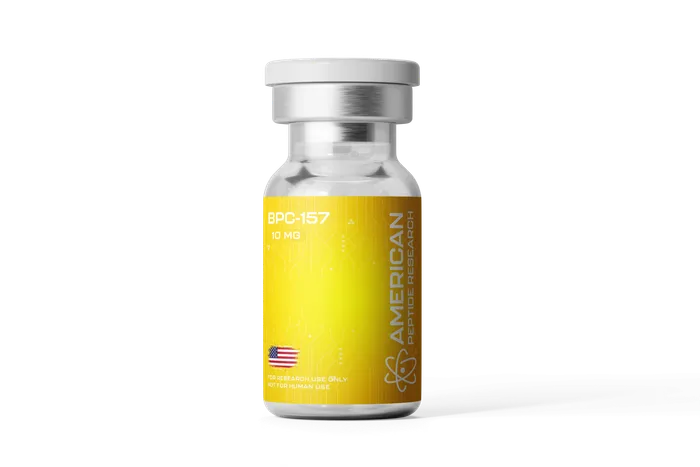
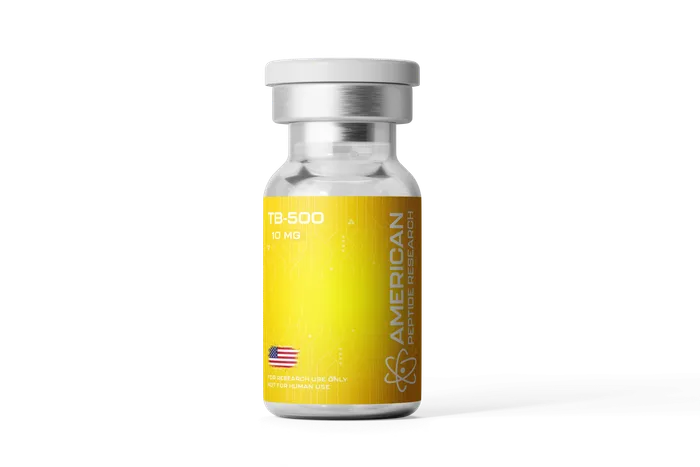
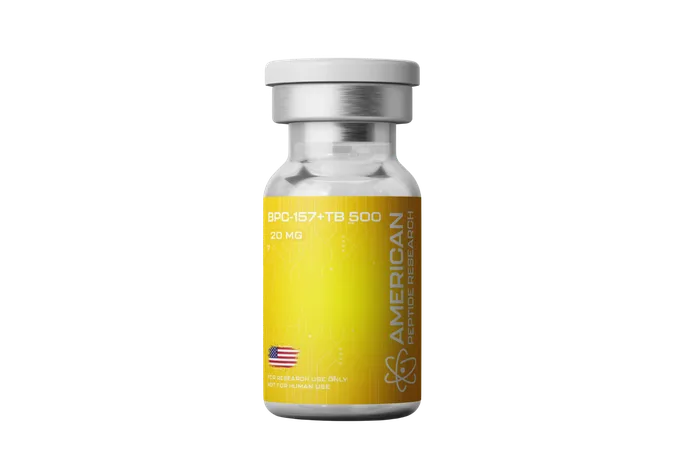
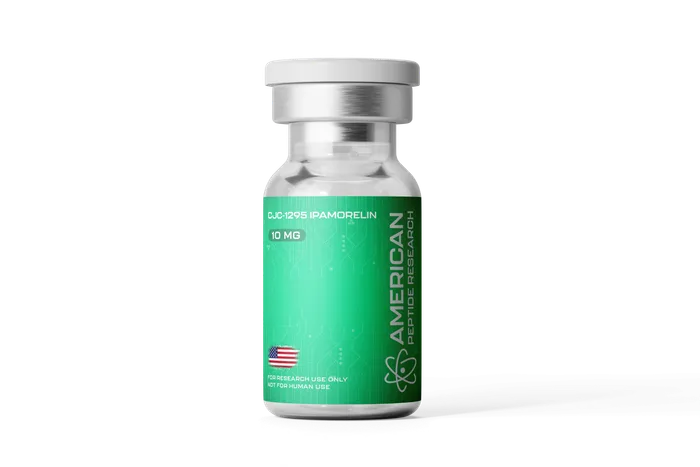
Research-Grade Peptides
Discount auto-applied
Third-party tested, made in the USA by American Peptide Research. Our link applies your discount automatically.
Partner offer: Daniel Rivas, NinjAthlete’s founder, is Bimini’s marketing director. NinjAthlete may earn a commission from purchases through these links.
Was this article helpful?
PeptidesPeptide
For educational purposes only — not medical advice. Consult a healthcare professional before starting any peptide protocol. Editorial policy