BPC-157 for Tendon & Ligament Repair: Dosing, Stacks & Results
BPC-157 tendon repair claims are based mainly on animal and cell studies showing improved tendon fibroblast activity, angiogenesis, and collagen-related healing signals. There is no FDA-approved
BPC-157 dosing protocol for tendon or ligament injuries, and human performance-recovery evidence remains limited, so athlete use should be medically supervised and competition rules should be checked.
Tendon and ligament injuries are brutally slow because collagen turnover is slow, blood supply is limited, and load tolerance often returns later than pain relief. That is why BPC-157 has become one of the most discussed peptides in performance medicine: animal studies suggest faster Achilles tendon healing, improved tendon-to-bone repair, and enhanced fibroblast migration.[1][2] But the gap between promising rodent data and reliable human outcomes is large. For athletes, the real question is not whether BPC-157 sounds exciting. It is whether the evidence, dosing uncertainty, quality-control risk, and anti-doping status make sense compared with elite rehab fundamentals.
What Is BPC-157?
BPC-157 is a synthetic 15-amino-acid peptide derived from a sequence found in body protection compound, a gastric juice protein fragment. It is marketed in biohacking and sports-recovery circles as a tendon healing peptide for soft tissue recovery, gut integrity, joint irritation, and overuse injuries. The problem: marketing has sprinted far ahead of clinical proof.
Most BPC-157 tendon repair evidence comes from preclinical work. In rat Achilles models, BPC-157 has been associated with improved tendon healing after transection and better organization of repair tissue.[1] Other studies suggest effects on tendon explant outgrowth, fibroblast survival, and cell migration pathways involved in repair.[2] These findings are biologically interesting, but they do not establish reliable human dosing, timelines, or return-to-sport outcomes.
For athletes, the correct evidence grade is: mechanistically plausible, preclinically promising, clinically unproven. BPC-157 is not an FDA-approved medication, has no standardized pharmaceutical indication for tendon or ligament injuries, and is prohibited in sport under the WADA S0 category for unapproved substances.[6] Anyone competing in tested sport should treat that as a hard red flag.
How BPC-157 May Support Tendon and Ligament Healing
Tendons and ligaments heal through inflammation, proliferation, collagen deposition, remodeling, and progressive mechanical loading. BPC-157 appears to interact with several of those processes in animal and cell models. Reported mechanisms include improved fibroblast migration, increased tendon fibroblast outgrowth, cytoprotection under stress, and modulation of focal adhesion signaling through FAK-paxillin pathways.[2]
Angiogenesis may also matter. Tendons have relatively poor blood supply, especially near common injury sites like the Achilles midportion, patellar tendon, and rotator cuff. BPC-157 has been reported to influence vascular repair and nitric-oxide-related pathways in experimental models, which could theoretically improve nutrient delivery and tissue remodeling.[3] That does not mean more blood flow automatically equals stronger tendon. Poorly organized collagen can still create fragile tissue.
The big performance takeaway: peptides do not replace load. Tendon cells respond strongly to mechanical tension. Heavy slow resistance, isometrics, eccentric loading, plyometric reintroduction, sleep, calories, and protein remain the highest-confidence levers. BPC-157, if used at all, should be considered an experimental adjunct layered on top of structured rehab, not a shortcut around it. Athletes rebuilding training volume can also use objective tools like Tdee Calculator to avoid under-fueling tissue repair.
Real Results: What Athletes Can and Cannot Expect
The most common anecdotal reports around BPC-157 are reduced tendon pain, faster tolerance to rehab loading, and improved recovery from nagging soft-tissue injuries. These stories are not worthless, but they are highly vulnerable to placebo effects, natural recovery, better rehab compliance, simultaneous therapies, and regression to the mean. A tendon that finally improves after eight weeks may not have improved because of the peptide alone.
Preclinical findings are stronger than human data. In one Achilles tendon study, BPC-157-treated rats demonstrated improved macroscopic and microscopic healing versus controls.[1] Tendon fibroblast research also suggests enhanced migration and survival, two processes that are relevant to repair.[2] However, there are no large, high-quality randomized controlled trials showing that BPC-157 reliably accelerates return to sprinting, lifting, grappling, Hyrox, CrossFit, or field sport after tendon or ligament injury.
Realistic outcomes should be framed conservatively. If a clinician-supervised athlete uses BPC-157, the goal is not instant tissue regeneration. The best-case expectation is a possible improvement in pain modulation or recovery tolerance while a progressive rehab plan does the heavy lifting. For high-output hybrid athletes comparing sport demands, resources like can help contextualize why tendon load management differs between modalities.
Key Takeaways
- BPC-157 tendon repair evidence is promising in animals but not proven in humans.
- No FDA-approved BPC-157 dosing protocol exists for tendon or ligament injuries.
- Any peptide use should sit behind rehab, nutrition, sleep, and progressive loading.
- Tested athletes should avoid BPC-157 unless cleared by qualified anti-doping counsel.
- Quality control is a major risk because products are often sold as research chemicals.
BPC-157 Dosing & Cycle Table
There is no medically approved BPC-157 dosing schedule for tendon healing, ligament repair, or soft tissue recovery. The ranges below reflect commonly discussed research-clinic and anecdotal protocols, not formal prescribing guidance. Route, sterility, product purity, medical history, injury type, and sport eligibility change the risk profile dramatically.
Many online protocols describe subcutaneous injection near the injured area or systemic oral use. The injection route introduces sterility, contamination, dosing-error, and local tissue risks. Oral BPC-157 is marketed heavily, but human bioavailability and injury-specific efficacy are not established. If BPC-157 is being considered, dosing should be discussed with a licensed clinician who understands peptides, injury rehabilitation, and banned-substance rules. Research-oriented readers often compare calculations with tools like Peptide Dosing before discussing options with a professional.
| Use Case | Commonly Discussed Range | Cycle Length | Notes |
|---|
| Acute tendon irritation | 200-500 mcg daily | 2-4 weeks | Often discussed as subcutaneous use; not FDA-approved; monitor pain, swelling, and load tolerance. |
| Chronic tendinopathy | 250-500 mcg daily, sometimes split | 4-8 weeks | Should be paired with progressive loading; pain reduction is not proof of structural readiness. |
| Ligament sprain support | 200-500 mcg daily | 3-6 weeks | Clinical evidence is insufficient; bracing, rehab, and return-to-cutting criteria remain essential. |
| Oral BPC-157 protocols | 250-1000 mcg daily | 4-8 weeks | Popular commercially but less clearly supported for tendon-specific outcomes. |
| Conservative first cycle | Lowest feasible dose under supervision | 2-4 weeks, reassess | Stop if adverse effects, infection signs, abnormal symptoms, or anti-doping concerns arise. |
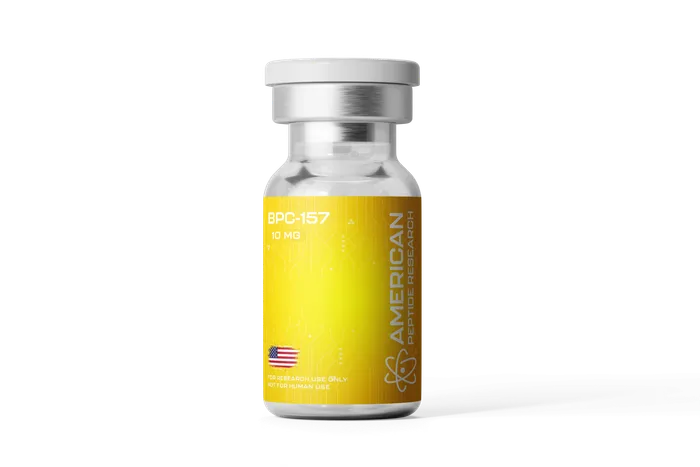
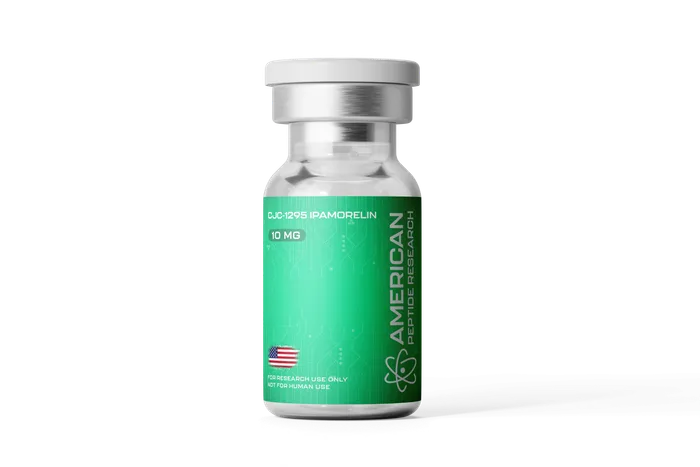
If sourcing research-grade BPC-157 for lawful research review, third-party purity testing, batch-specific certificates of analysis, and contaminant screening matter more than marketing claims: BPC-157. Athletes should not assume any peptide product is clean, accurately dosed, or competition-safe.
Best BPC-157 Stacks for Soft Tissue Recovery
The most effective stack for tendon healing is not a pile of compounds. It is load management plus nutrients plus time. Tendon remodeling depends on adequate calories, protein, collagen-building cofactors, and progressive mechanical strain. Under-eating, poor sleep, and pain-masked overtraining will erase most theoretical peptide advantages.
A practical non-pharmaceutical recovery stack starts with protein at roughly 1.6-2.2 g/kg/day, adequate total energy, vitamin C-containing foods, omega-3-rich foods if tolerated, and a structured rehab plan. Some athletes use gelatin or collagen plus vitamin C 30-60 minutes before tendon loading sessions, although results vary by injury and protocol. Wearables and training software can help monitor spikes in volume; readers comparing tech options can review for recovery tracking ideas.
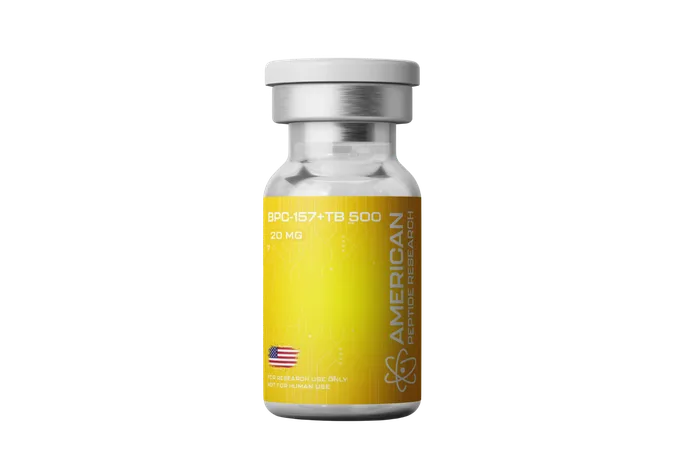
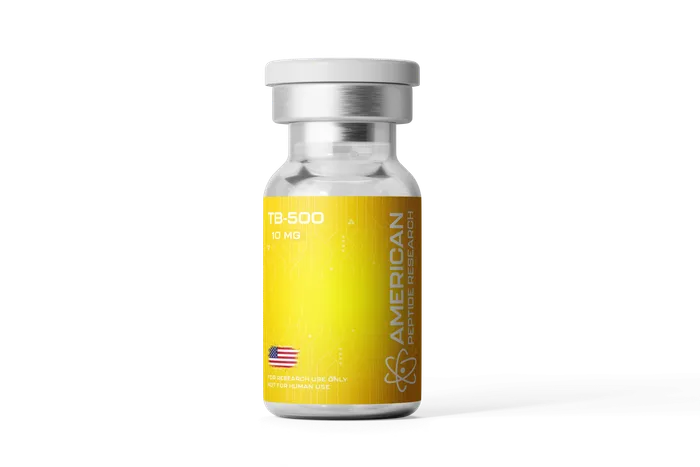
Peptide stacks often discussed online include BPC-157 with TB-500, GHK-Cu, or growth-hormone secretagogues. These combinations multiply uncertainty. TB-500 and many related compounds also raise anti-doping and safety concerns. GHK-Cu is more commonly discussed in skin and tissue remodeling contexts; background on that peptide is available at . More compounds do not equal better healing, and stacking makes it harder to identify side effects.
Safety, Side Effects, and Legal Status
BPC-157 is frequently described online as safe because it is naturally derived and well tolerated in animal studies. That framing is too loose. Human safety data are limited, long-term endocrine and immune effects are not well characterized, and real-world products may contain impurities, incorrect concentrations, or completely different compounds. Research-chemical markets are not equivalent to regulated pharmaceutical supply chains.
Potentially reported side effects include injection-site irritation, headache, nausea, appetite changes, dizziness, fatigue, and unusual mood or sleep changes. The bigger risks are contamination, infection from poor injection technique, unknown interactions, and delayed diagnosis if pain reduction encourages premature return to sport. Tendons often feel better before they regain full tensile capacity.
Legally, BPC-157 is not approved as a prescription drug for tendon healing in many jurisdictions, including the United States. For competitive athletes, anti-doping status is crucial. WADA lists unapproved substances under S0, and BPC-157 has been specifically identified as prohibited in athlete-facing anti-doping communications.[6] Tested athletes should treat use as a potential violation even if a product is easy to buy online.
Who Should Avoid BPC-157?
BPC-157 should be avoided by pregnant or breastfeeding individuals, minors, athletes subject to drug testing, and anyone with active cancer, unexplained masses, significant immune disease, uncontrolled cardiovascular conditions, or current infection unless a specialist explicitly evaluates the case. People taking anticoagulants, immunosuppressants, or multiple prescription medications need clinician review before considering any peptide.
It is also a poor fit for athletes trying to train through a rupture, high-grade ligament tear, unstable joint, or worsening neurological symptoms. Peptides cannot stitch torn collagen back together. Red flags like sudden pop, major bruising, loss of strength, joint instability, night pain, fever, or numbness require medical assessment and imaging when appropriate.
For endurance, obstacle-course, and hybrid athletes, the smarter question is often not which peptide to add, but which training error caused the tissue to fail. Rapid mileage spikes, excessive hill sprints, poor footwear transition, low energy availability, and too much high-intensity work are common culprits. Athletes building community training volume through running groups, for example, can cross-check load progression with resources like .
How to Track Whether It Is Actually Working
Because BPC-157 outcomes are subjective, tracking matters. Pain alone is a weak metric. Better markers include morning stiffness duration, pain during a standardized movement, next-day response after loading, range of motion, isometric force output if available, hop or calf-raise capacity, and sport-specific tolerance. Track the same tests weekly, not randomly.
A useful tendon recovery dashboard includes three zones: symptoms, capacity, and exposure. Symptoms measure pain and stiffness. Capacity measures strength, endurance, and elasticity. Exposure measures weekly running distance, jumps, sprints, lifting tonnage, or grappling rounds. If symptoms improve while exposure jumps too fast, the athlete may be borrowing from future recovery.
Real success means the tendon tolerates progressive load without flare-ups, not simply that pain disappears during a peptide cycle. A return-to-sport plan should include staged reintroduction: isometrics, heavy slow resistance, energy-storage loading, plyometrics, sprinting or cutting, and finally competition. That progression matters whether using BPC-157, physical therapy alone, or any other recovery adjunct.
Sources
- [1] Chang CH, Tsai WC, Hsu YH, Pang JH. Pentadecapeptide BPC 157 enhances healing of transected rat Achilles tendon. Journal of Applied Physiology. DOI: 10.1152/japplphysiol.00945.2010.
- [2] Chang CH et al. BPC 157 promotes tendon fibroblast outgrowth, survival, and migration through FAK-paxillin signaling in experimental tendon models. Journal of Applied Physiology. DOI: 10.1152/japplphysiol.00945.2010.
- [3] Sikiric P et al. Stable gastric pentadecapeptide BPC 157 and vascular, nitric oxide, and tissue-protective effects in experimental models. Current Pharmaceutical Design. PMID-indexed review and primary-model synthesis.
- [4] Staresinic M et al. BPC 157 and improved tendon-to-bone healing after Achilles detachment in rat models. Journal of Orthopaedic Research. PMID-indexed experimental study.
- [5] Loiacono C et al. Tendinopathy rehabilitation and mechanotherapy principles for tendon remodeling. Sports Medicine. DOI-indexed clinical review.
- [6] World Anti-Doping Agency. Prohibited List, S0 Non-approved Substances; BPC-157 identified as prohibited in athlete guidance.
Does BPC-157 actually repair tendons?
BPC-157 has improved tendon healing markers in animal and cell studies, especially Achilles tendon models. Human evidence is not strong enough to say it reliably repairs tendons in athletes.
What is the typical BPC-157 dosing for tendon injuries?
Common anecdotal ranges are 200-500 mcg daily for 2-8 weeks, but there is no FDA-approved BPC-157 dosing protocol for tendon repair. Dosing should be discussed with a licensed clinician.
Is oral or injectable BPC-157 better for tendon healing?
Injectable protocols are more common in tendon-focused discussions, while oral products are popular commercially. Neither route has high-quality human trial evidence proving superior tendon-healing outcomes.
Can BPC-157 be stacked with TB-500?
BPC-157 and TB-500 are often discussed together, but stacking increases uncertainty and anti-doping risk. There is no strong human evidence proving the combination is safer or more effective for athletes.
How fast do athletes feel results from BPC-157?
Anecdotal reports range from days to several weeks, usually describing pain reduction or better rehab tolerance. Structural tendon healing still takes weeks to months and must be verified through progressive loading.
Is BPC-157 banned in sport?
Yes, athletes should treat BPC-157 as prohibited under WADA rules because it falls under S0 non-approved substances and has been identified in anti-doping guidance. Tested athletes should avoid it unless formally cleared.
This content is for educational purposes only and is not medical advice. BPC-157 is not FDA-approved for tendon repair, ligament repair, or soft tissue recovery, and its safety, legality, purity, and anti-doping status vary by jurisdiction and sport. Consult a licensed healthcare professional before using any peptide, especially if injured, taking medication, competing in tested sport, pregnant, breastfeeding, or managing a medical condition.