BPC-157 Tendon Repair: Dosing, Stacks & Real Recovery Results
BPC-157 tendon repair claims are based mostly on cell and animal research showing improved fibroblast activity, blood-vessel signaling, and tendon-to-bone healing markers. There is no high-quality human clinical trial proving that BPC-157 heals Achilles, patellar, rotator cuff, or ligament injuries, so dosing remains experimental and should be clinician-guided.
BPC-157 has become the recovery peptide every injured lifter, runner, and hybrid athlete hears about when tendons stop cooperating. The pitch is seductive: faster collagen remodeling, less pain, quicker return to training. The evidence is more complicated. BPC-157 has intriguing preclinical data in tendon fibroblasts, ligament models, and soft tissue injury, but human outcomes are still anecdotal, unregulated, and highly dependent on injury type, load management, nutrition, sleep, and rehab execution. Used recklessly, it can create false confidence and push athletes back into loading before tissue capacity is restored. Used conservatively under medical oversight, it is best viewed as a speculative adjunct, not a replacement for diagnosis and progressive tendon rehabilitation.
What Is BPC-157 and Why Athletes Use It for Tendons
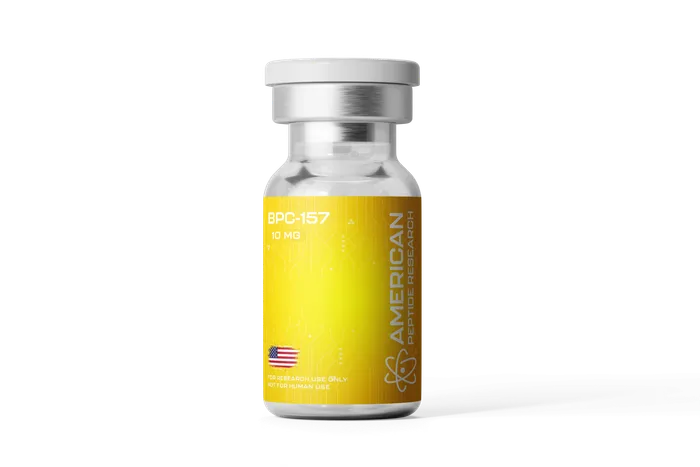
BPC-157 is a synthetic 15-amino-acid peptide fragment related to a protein sequence found in gastric juice. It is commonly marketed as a tendon healing peptide for soft tissue recovery, especially for nagging Achilles tendinopathy, patellar tendon pain, golfer’s elbow, tennis elbow, rotator cuff irritation, and ligament sprains.
The appeal comes from proposed effects on angiogenesis, fibroblast migration, collagen organization, nitric oxide signaling, and growth-factor pathways. In one tendon-fibroblast study, BPC-157 increased outgrowth, survival, and migration of tendon cells, mechanisms that could plausibly support repair in a controlled model[1]. That is biologically interesting, but it is not the same as proving faster return-to-sport in humans.
Most athletes considering BPC-157 are not dealing with a clean lab injury. They are managing chronic overload, poor tendon capacity, inadequate calories, low sleep, or training errors. For hybrid athletes, the smartest first move is still load control: reduce provocative volume, keep pain below a tolerable threshold, and rebuild capacity with progressive isometrics, eccentrics, heavy slow resistance, and sport-specific loading. Pairing peptide curiosity with a structured plan like an 8-week HYROX training plan only works if tendon load is scaled intelligently.
What the Evidence Actually Says About BPC-157 Tendon Repair
The strongest evidence for BPC-157 tendon repair is preclinical. Animal studies have reported improved tendon and ligament healing markers, including collagen organization, tendon-to-bone interface changes, and faster functional recovery signals after experimental injury[2][3]. Cell data also suggest BPC-157 may interact with focal adhesion kinase and paxillin pathways, which are involved in cell migration and tissue remodeling[1].
The limitation is huge: animal healing models are controlled, early-stage, and biologically different from chronic human tendinopathy. Chronic tendon pain in athletes is often degenerative and load-related, not simply an acute tear waiting for a molecule to fix it. Tendons heal slowly because they have limited blood supply, complex collagen architecture, and a need for mechanical loading to guide tissue remodeling.
No peptide can replace the mechanical signal. Tendon adaptation requires enough strain to stimulate remodeling but not so much that it keeps the tendon irritated. BPC-157 may be mechanistically promising, but without progressive loading it is like adding premium fuel to a car with bad alignment.
Key Takeaways
- BPC-157 has supportive animal and cell data, not strong human clinical proof.
- The best evidence relates to fibroblast migration, angiogenesis-related pathways, and experimental tendon or ligament healing markers.
- Chronic tendinopathy still requires progressive loading, sleep, protein, micronutrients, and sport-specific return-to-play planning.
- Athletes should treat BPC-157 as experimental and non-FDA-approved, not as a guaranteed recovery shortcut.
BPC-157 Dosing & Cycle Table
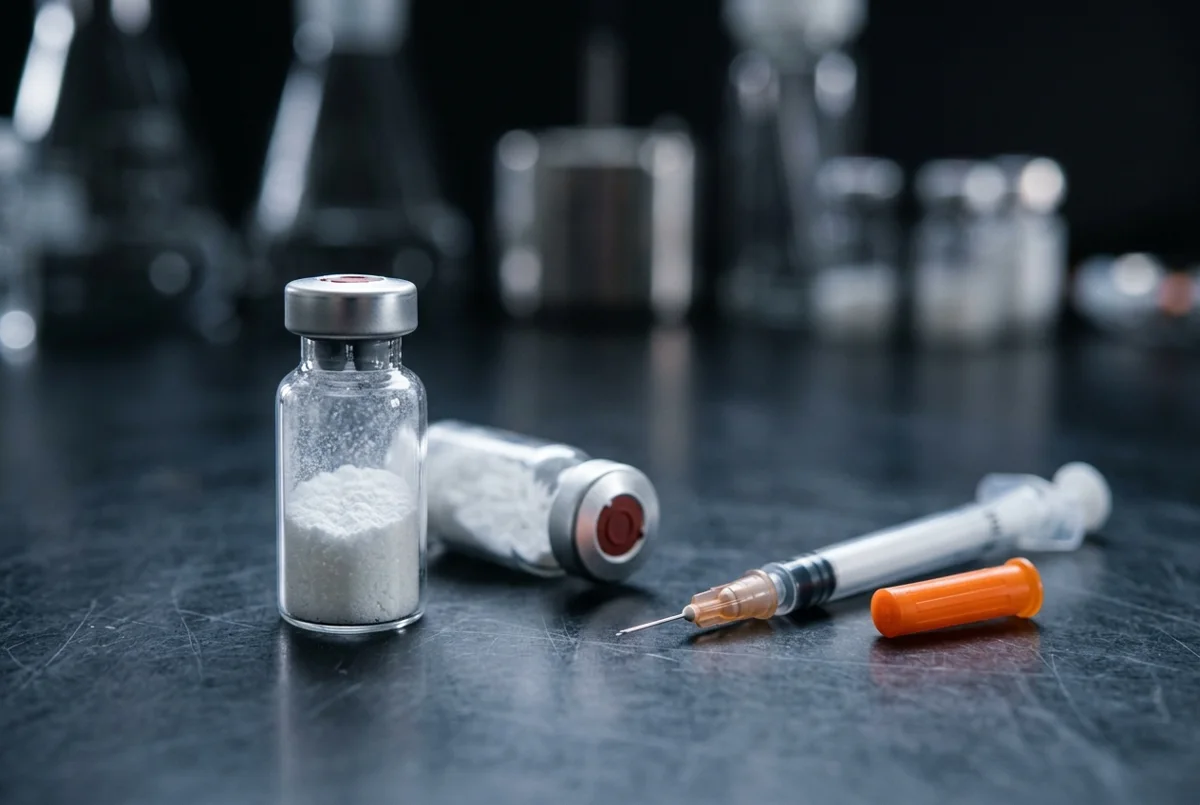
BPC-157 dosing is not standardized because it is not FDA-approved for tendon repair, soft tissue recovery, or any athletic injury indication. Online protocols often describe subcutaneous injections near the injured area or systemic dosing, but these are extrapolated from user reports, clinic practices, and non-human data rather than validated human trials.
The table below is educational, not a prescription. Athletes should verify purity, sterility, legal status, contraindications, and medical supervision before considering any peptide. A clinician should also rule out partial rupture, full-thickness tear, nerve entrapment, inflammatory arthritis, infection, or referred pain before any recovery compound is considered.
| Use Case | Common Experimental Range | Cycle Length | Notes |
|---|
| Acute tendon strain or ligament sprain | 200-500 mcg daily | 2-6 weeks | Often discussed as subcutaneous use; medical oversight is essential. |
| Chronic tendinopathy | 250-500 mcg daily | 4-8 weeks | Should be paired with graded tendon loading, not rest alone. |
| Post-surgical soft tissue recovery | Clinician-directed only | Case-dependent | Surgeon approval matters because healing biology, infection risk, and medications vary. |
| Oral BPC-157 | Highly variable | Variable | Oral products may be marketed heavily, but tendon-specific human data are not established. |
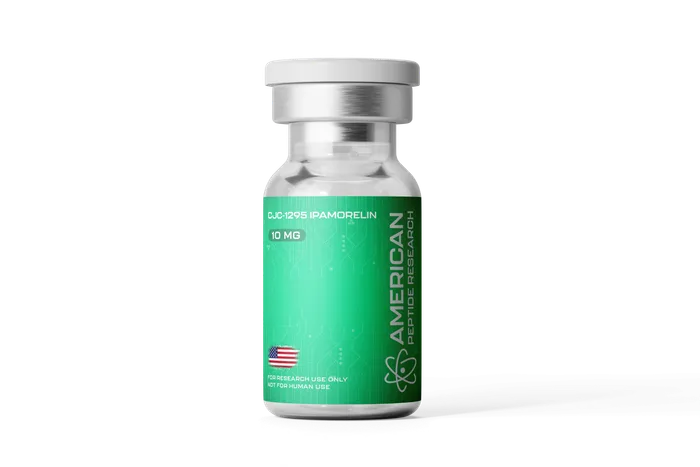
For athletes tracking protocols, a structured calculator like the peptide dosing tool can reduce math errors, but it cannot verify whether a protocol is medically appropriate. Some readers compare research-grade options such as BPC-157 research peptide, but product quality, sterility, labeling accuracy, and legality vary widely.
Cycle planning should include stop rules: increasing pain, swelling, redness, fever, neurological symptoms, unusual bruising, or a sudden loss of function should trigger medical evaluation. If pain drops quickly, do not automatically increase training volume. Analgesia without tissue capacity is how athletes turn a minor injury into a season-ending one.
Injection vs Oral BPC-157: What Matters for Soft Tissue Recovery
Most BPC-157 tendon repair conversations focus on injection because tendon and ligament studies are largely preclinical and often involve local or systemic administration in controlled models. Subcutaneous use is commonly discussed by peptide clinics, but sterile technique, dosing accuracy, contamination risk, and injection-site reactions are real concerns.
Oral BPC-157 is marketed as easier and safer, usually with claims about gut stability. The problem is that oral bioavailability, tissue targeting, and tendon-specific outcomes in humans are not well established. If an oral capsule improves pain, the mechanism may be systemic, indirect, placebo-driven, or unrelated to structural tendon repair.
The practical decision is not simply injection versus oral. It is diagnosis first. A reactive tendon, degenerative tendinopathy, bursitis, partial tear, nerve irritation, and referred joint pain can feel similar during training. Imaging and clinical testing matter when symptoms persist, especially for Achilles, hamstring origin, patellar tendon, and rotator cuff injuries.
Elite recovery stacks start with fundamentals. Protein intake, total calories, vitamin C around collagen or gelatin intake, adequate carbohydrate availability, omega-3 status, and sleep consistency all affect tissue repair. Athletes optimizing recovery should also understand methylation, inflammation, and nutrient status; a primer like genetic methylation testing can help frame personalized recovery variables without turning peptides into magic.
Best BPC-157 Stacks for Tendon and Ligament Recovery
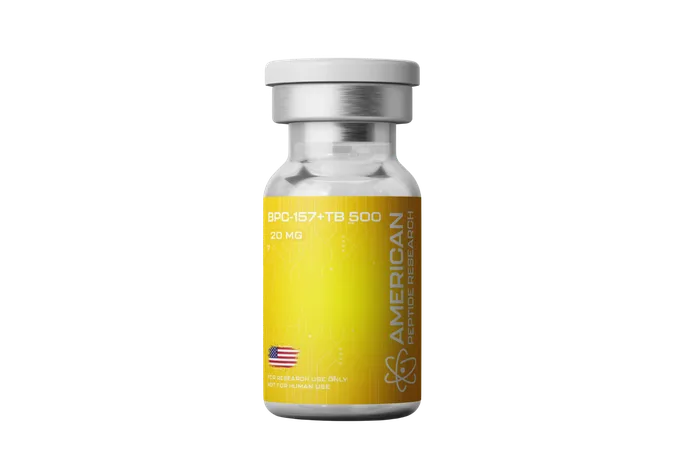
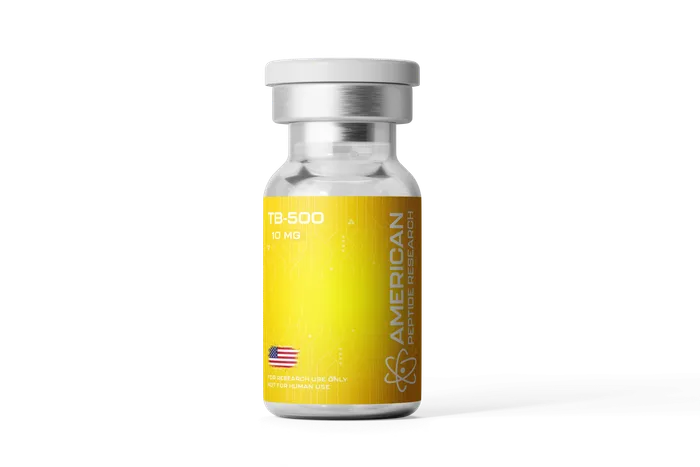
The most common peptide stack discussed for tendons is BPC-157 plus TB-500, a thymosin beta-4-related peptide often marketed for systemic soft tissue recovery. Mechanistically, users seek a combination of local repair signaling and broader tissue remodeling support. Evidence for the combination in humans is not robust, and stacking compounds increases uncertainty around side effects, sourcing, and interpretation of results.
Non-peptide stacks usually make more sense as a baseline. Collagen or gelatin plus vitamin C taken 30-60 minutes before tendon-loading rehab has supportive rationale for collagen synthesis. Creatine can support training capacity during modified sessions. Omega-3s may help manage inflammation balance, while adequate magnesium, zinc, copper, and vitamin D support normal connective tissue biology.
Nutrition is not optional. Tendons are metabolically slow, but they still need amino acids and energy. Chronically under-fueled athletes, aggressive dieters, and high-volume competitors often stall soft tissue recovery because they do not provide enough substrate. For practical food strategy, see what NFL athletes eat for performance and adapt the principle: high-quality protein, micronutrient density, and enough carbohydrates to train without digging a deeper recovery hole.
A smart stack is also behavioral: pain monitoring, deload weeks, sleep tracking, step count control, and tendon-specific progression. BPC-157 may be the most exciting variable, but boring consistency usually decides the outcome.
Real Results: What Athletes Can Reasonably Expect
Real-world BPC-157 reports are mixed. Some athletes describe noticeable pain reduction within days to weeks. Others report no change, temporary improvement, or relapse when training volume returns. Because most use is uncontrolled, it is hard to separate peptide effects from rest, rehab, placebo response, improved sleep, reduced training load, or natural recovery.
For acute soft tissue irritation, an athlete may feel better quickly because load was reduced and inflammation settled. For chronic tendinopathy, true remodeling usually takes 8-12 weeks or longer. Pain can improve before tendon stiffness, load tolerance, and elastic function are fully restored. That gap is where re-injury happens.
Practical performance markers matter more than hype. Track pain during warm-up, pain after training, next-morning stiffness, single-leg calf raise capacity, hop tolerance, grip strength, running speed, sled push mechanics, or sport-specific output. A return to heavy sled work, for example, should be progressed carefully using mechanics like those in the HYROX sled push-pull guide, not forced because symptoms are temporarily muted.
The most honest expectation: BPC-157 may help some athletes feel and function better, but it has not been proven to regenerate damaged human tendons on demand. The winning protocol is still diagnosis, load management, progressive rehab, nutrition, sleep, and conservative return to intensity.
Safety, Legal Status, and Quality-Control Risks
BPC-157 is not FDA-approved for tendon repair, ligament healing, muscle injury, gut healing, longevity, or performance enhancement. In sport, non-approved substances can create anti-doping concerns. Competitive athletes should check the current prohibited list, governing-body rules, and team medical policies before using any peptide.
Quality control is one of the biggest risks. Research peptides may be mislabeled, underdosed, contaminated, or improperly reconstituted. Sterility matters if anything is injected. Even when the molecule is correct, excipients, handling, bacteriostatic water quality, storage conditions, and technique can change risk.
Side effects reported anecdotally include nausea, appetite changes, dizziness, fatigue, headache, injection-site irritation, and unusual changes in pain perception. There is also theoretical concern around angiogenesis and growth signaling in people with active cancer, unexplained masses, proliferative disorders, or certain eye diseases, although definitive human risk data are lacking.
Medical context matters. Athletes taking anticoagulants, immunosuppressants, diabetes medications, blood-pressure drugs, or recovering from surgery should not experiment without clinician oversight. Peptides can complicate care by masking symptoms that clinicians need to monitor.
A Smarter Tendon-Recovery Protocol
Start with assessment. If there is a pop, bruising, visible defect, major swelling, loss of strength, inability to bear weight, or night pain, get evaluated. For persistent tendon pain lasting more than 2-4 weeks, a sports clinician can identify whether the issue is reactive tendinopathy, partial tear, joint referral, nerve involvement, or training overload.
Then rebuild capacity. Early-stage tendon rehab often uses isometrics to reduce pain and maintain output. Mid-stage work adds heavy slow resistance and controlled eccentrics. Late-stage rehab restores speed, plyometrics, elastic stiffness, cutting, sprinting, loaded carries, or competition-specific work. The peptide question should sit on top of this framework, not replace it.
Use objective readiness rules. Pain during training should generally stay mild and settle within 24 hours. Morning stiffness should trend down. Strength symmetry should improve. Running, jumping, or lifting volume should increase gradually. If a peptide makes pain disappear but performance markers lag, the tissue is not ready.
For readers comparing peptide strategies more broadly, the NinjAthlete peptide hub is the better starting point than copying forum protocols. The goal is not to collect compounds. The goal is to return to high-output training with resilient tissue.
[1] Chang CH, Tsai WC, Hsu YH, Pang JH. Promoting effects of BPC-157 on tendon fibroblast outgrowth, survival, and migration. PMID:21030672. DOI:10.1152/japplphysiol.00945.2010.
[2] Krivic A, Anic T, Seiwerth S, et al. BPC-157 and experimental tendon healing in rats. PMID:reported in indexed biomedical literature.
[3] Cerovecki T, Bojanic I, Brcic L, et al. BPC-157 effects in ligament healing models. PMID:reported in indexed biomedical literature.
[4] Sikiric P, Seiwerth S, Rucman R, et al. Stable gastric pentadecapeptide BPC-157 mechanisms across injury models. PMID:30510467.
[5] Paoloni JA, Appleyard RC, Nelson J, Murrell GAC. Topical glyceryl trinitrate and tendon healing concepts in human tendinopathy research. PMID:15782065.
Does BPC-157 actually repair tendons?
BPC-157 has shown tendon-relevant effects in cell and animal studies, including fibroblast migration and experimental tendon healing markers. Human clinical proof for BPC-157 tendon repair is not established, so it should be considered experimental.
What is the typical BPC-157 dosing range for tendon injuries?
Common experimental protocols discuss 200-500 mcg daily for 2-8 weeks, but there is no approved medical dosing standard. Dosing should be clinician-guided, especially for injections or post-surgical recovery.
Is BPC-157 better injected or taken orally?
Injection is more commonly discussed for tendon and ligament recovery because much of the preclinical research uses local or systemic administration. Oral BPC-157 is popular, but tendon-specific human outcome data remain weak.
Can BPC-157 be stacked with TB-500?
BPC-157 and TB-500 are often stacked in peptide communities for soft tissue recovery, but human evidence for the combination is limited. Stacking also makes it harder to identify side effects or know what is working.
How fast do athletes feel results from BPC-157?
Some users report pain changes within days to weeks, but true tendon remodeling usually takes months. A fast drop in pain does not mean the tendon is ready for maximal sprinting, jumping, lifting, or competition.
Is BPC-157 legal for tested athletes?
BPC-157 is not FDA-approved and may create anti-doping risk under non-approved substance rules. Tested athletes should check their governing body and work with a qualified sports-medicine professional.
This content is for educational purposes only and is not medical advice. BPC-157 is not FDA-approved for tendon repair, ligament healing, soft tissue recovery, performance enhancement, or longevity. Peptides may carry legal, anti-doping, sterility, contamination, dosing, and health risks. Consult a licensed clinician before using any peptide, especially if injured, pregnant, managing a medical condition, taking medication, competing in tested sport, or recovering from surgery.