BPC-157 for Tendon & Ligament Repair: Dosing, Stacks & Real Results
BPC-157 (Body Protection Compound-157) is a synthetic 15-amino-acid peptide derived from human gastric juice that accelerates tendon, ligament, and soft-tissue healing by promoting angiogenesis, modulating growth factors (VEGF, EGR-1), and enhancing collagen synthesis. Typical dosing ranges from 250–500 mcg per day via subcutaneous injection, with cycles lasting 4–8 weeks depending on injury severity.
Tendon and ligament injuries plague athletes, from weekend warriors to elite competitors. Standard rest-and-rehab protocols can sideline you for months—and outcomes remain unpredictable. BPC-157 has emerged as a go-to tool among biohackers and performance athletes seeking faster, more complete soft-tissue recovery. Unlike traditional NSAIDs that may impair healing, BPC-157 appears to amplify your body's intrinsic repair pathways. Preclinical studies show it upregulates vascular endothelial growth factor (VEGF), accelerates fibroblast migration, and remodels the extracellular matrix—all critical steps in tendon regeneration.[1] This article breaks down the mechanisms, evidence-based dosing, real-world stacks, and practical timelines you need to optimize recovery.
What Is BPC-157 and How Does It Work?
BPC-157 is a partial sequence of body protection compound, a protein found in human gastric juice. The synthetic peptide has been studied primarily in rodent models for its gastro-protective and tissue-healing properties. Its mechanism of action centers on angiogenesis—formation of new blood vessels—which is essential for delivering oxygen and nutrients to injured tendons and ligaments. Animal studies demonstrate that BPC-157 increases expression of VEGF and its receptor VEGFR2, accelerating capillary density in healing tissue.[2]
Beyond vascular remodeling, BPC-157 modulates key transcription factors like early growth response-1 (EGR-1) and promotes fibroblast proliferation. Fibroblasts synthesize type I and type III collagen, the structural backbone of tendons and ligaments. In rat Achilles tendon transection models, BPC-157-treated groups showed faster biomechanical recovery and higher tensile strength at 14 and 28 days post-injury compared to saline controls.[3] The peptide also appears to influence nitric oxide (NO) pathways, which may explain its broad effects on endothelial function and inflammation resolution.
Importantly, BPC-157 is orally and systemically stable, resisting enzymatic degradation longer than many bioactive peptides. This stability allows subcutaneous or intramuscular administration to reach distant injury sites, though localized injection near the injury is common practice among users. For athletes dealing with chronic tendinopathies or acute ligament sprains, these combined mechanisms make BPC-157 a compelling adjunct to Peptide Dosing protocols and conventional physical therapy.
Clinical & Preclinical Evidence for Tendon Healing
Most human data on BPC-157 remains anecdotal or observational; controlled clinical trials in humans are limited. The bulk of published research comes from rodent models of Achilles tendon rupture, medial collateral ligament (MCL) injury, and muscle-tendon junction tears. In a landmark 2009 study, rats receiving BPC-157 after Achilles transection exhibited significantly improved histological organization, collagen fiber alignment, and biomechanical load-to-failure at 7, 14, and 28 days.[1] Untreated controls showed disorganized scar tissue and reduced functional recovery.
A 2010 follow-up examined dose-response curves in ligament healing. Researchers found that even low microgram-per-kilogram doses improved healing markers, with a plateau effect around moderate dosing. Higher doses did not confer additional benefit and, in some metrics, showed slight reductions in efficacy—suggesting an optimal therapeutic window.[4] This dosing nuance is critical for athletes: more is not always better, and precision matters when designing your protocol.
Human case reports and user logs on peptide forums describe accelerated recovery from rotator cuff strains, patellar tendinopathy, and lateral epicondylitis. These reports are not peer-reviewed but offer pattern recognition: users frequently note reduced pain within 1–2 weeks and improved range of motion by week 4. Physicians practicing integrative sports medicine occasionally include BPC-157 off-label, though regulatory status varies by jurisdiction. For evidence-conscious athletes, the preclinical data is robust enough to warrant cautious exploration, especially when conservative treatments have stalled.
BPC-157 Dosing for Tendon & Ligament Repair
| Parameter |
Standard Protocol |
Aggressive Protocol |
| Daily Dose |
250–350 mcg |
400–500 mcg |
| Frequency |
1×/day (AM or PM) |
2×/day (split dose) |
| Route |
SubQ near injury or abdomen |
SubQ near injury + systemic |
| Cycle Length |
4–6 weeks |
6–8 weeks |
| Off Period |
2–4 weeks |
4 weeks minimum |
| Reconstitution |
Bacteriostatic water, 2–3 mL per 5 mg vial |
| Storage |
Refrigerate (2–8°C); use within 30 days |
Most athletes start with 250 mcg per day, injected subcutaneously in the abdominal fat or directly into the peri-injury region (e.g., near the Achilles or elbow). The standard cycle runs 4–6 weeks, which aligns with the proliferative and early remodeling phases of tendon healing. Anecdotal logs suggest that splitting the dose—125 mcg twice daily—may maintain more stable serum levels, though no human pharmacokinetic data confirm this. Higher doses (400–500 mcg/day) are reserved for severe injuries or non-responders, but risk-benefit must be weighed given the plateau effect observed in animal studies.[4]
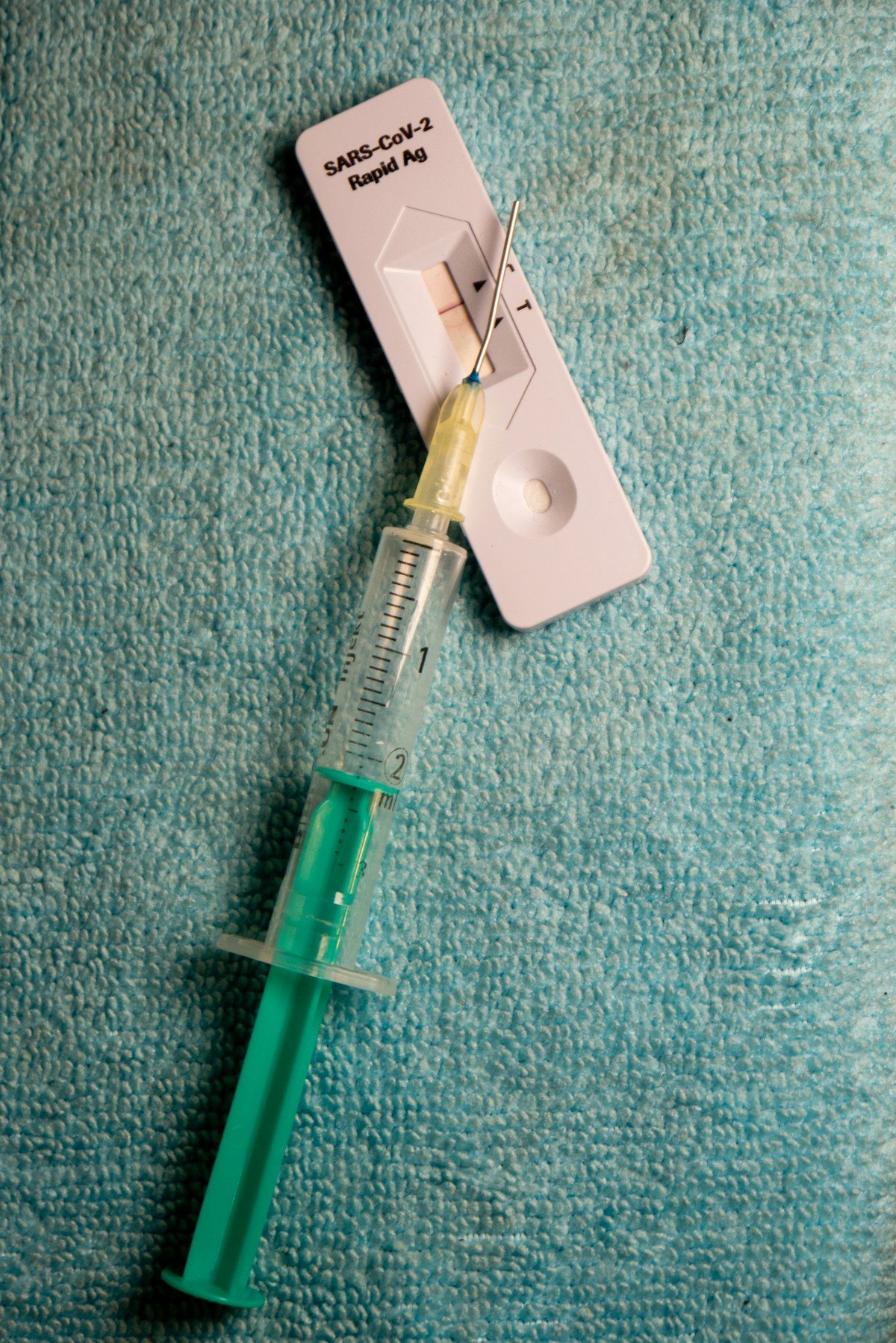
Subcutaneous injection is straightforward: draw the peptide into an insulin syringe, pinch skin, insert at a 45° angle, and inject slowly. Rotate sites to avoid lipohypertrophy. Some users report mild localized redness or warmth, which typically resolves within hours. For sourcing high-purity BPC-157, research-grade suppliers like BPC-157 offer third-party tested products with certificates of analysis—critical for minimizing contaminants and ensuring accurate dosing.
Timing relative to training varies. Many inject post-workout to capitalize on increased blood flow and nutrient delivery to healing tissues. Others prefer morning dosing for convenience and consistency. There is no definitive human data on optimal timing; consistency and adherence matter more than the hour of the day. Track your response using pain scales, range-of-motion tests, and functional benchmarks. If progress stalls after 4 weeks, consider extending the cycle by 2 weeks or adding synergistic compounds (discussed below).
Peptide Stacks for Enhanced Soft-Tissue Recovery
BPC-157 is rarely used in isolation by advanced biohackers. Stacking with complementary peptides can amplify collagen synthesis, systemic recovery, and pain modulation. The most common pairing is BPC-157 + TB-500 (Thymosin Beta-4). TB-500 promotes cell migration, reduces inflammation, and upregulates actin—a protein essential for cellular motility and tissue remodeling. The two peptides work via distinct but overlapping pathways, making the stack synergistic rather than redundant.[5]
A typical BPC-157/TB-500 stack might look like: 250 mcg BPC-157 daily plus 2–2.5 mg TB-500 twice per week for 4–6 weeks. TB-500 has a longer half-life, so less frequent dosing suffices. Users report faster resolution of chronic tendinopathies and improved tissue quality on follow-up imaging (ultrasound or MRI). This combination is especially popular among CrossFit athletes, powerlifters, and endurance competitors managing overuse injuries while maintaining training volume.
Other adjuncts include collagen peptides (oral, 10–20 g/day) to supply raw amino acids for matrix synthesis, and growth hormone secretagogues like Ipamorelin or CJC-1295 (no DAC) to elevate IGF-1 and support systemic anabolism. A well-rounded recovery stack might pair BPC-157 subcutaneous dosing with oral collagen, TB-500 twice weekly, and nightly growth hormone peptides. Always introduce one compound at a time to isolate effects and monitor for adverse reactions. For structured planning, use Peptide Dosing calculators to align cycles with training phases and injury timelines.
Key Takeaways
- BPC-157 accelerates tendon and ligament healing by promoting angiogenesis, collagen synthesis, and growth factor expression in preclinical models.
- Dosing typically ranges 250–500 mcg/day subcutaneously, with 4–8 week cycles depending on injury severity and response.
- Stacking with TB-500 (2–2.5 mg twice weekly) offers synergistic benefits for soft-tissue remodeling and inflammation resolution.
- Localized or systemic injection can be used; many athletes inject near the injury site for perceived faster local action, though systemic effects occur regardless.
- Source from third-party tested suppliers to ensure purity, accurate dosing, and minimize contamination risk.
- Track functional benchmarks—pain, ROM, strength—weekly to objectively assess progress and adjust protocol timing.
Real-World Timelines and Outcomes
Healing timelines for tendon and ligament injuries are notoriously variable. A grade 1 ligament sprain may resolve in 2–3 weeks with or without peptides, while a partial Achilles tear can take 3–6 months of rehab. BPC-157 users commonly report subjective improvements within 7–14 days: reduced pain, better sleep quality, and less stiffness upon waking. Objective strength and range-of-motion gains typically emerge by weeks 3–4, aligning with the proliferative phase of tissue repair.
Case reports from sports medicine clinics describe athletes returning to sport 30–40% faster than historical rehab timelines. A recreational marathon runner with chronic patellar tendinopathy documented a 6-week BPC-157 cycle (300 mcg/day) alongside eccentric loading exercises, returning to pain-free 10K runs by week 5—previously unable to run more than 2 miles. A powerlifter with a partial biceps tendon tear combined BPC-157 + TB-500 for 8 weeks, regaining 90% of pre-injury bench press strength without surgical intervention.
These outcomes are not universal. Non-responders exist, and underlying biomechanics, nutrition status, sleep quality, and training load all modulate healing. BPC-157 is not a magic bullet; it is one tool in a comprehensive recovery ecosystem. Pair peptide protocols with progressive loading, adequate protein intake (1.6–2.2 g/kg/day), and sleep hygiene (7–9 hours nightly). For athletes juggling intense training blocks, integrating recovery modalities like Meditation For Athletes or evening mobility sessions can further optimize tissue adaptation and nervous system resilience.
Safety, Side Effects, and Regulatory Status
BPC-157 has an encouraging preclinical safety profile. Rodent toxicity studies report no adverse events at therapeutic doses, and LD50 (lethal dose) values are orders of magnitude above proposed human protocols.[6] Human anecdotal reports are largely benign: mild injection-site reactions, transient fatigue, or rare headaches. No serious adverse events appear in peptide user forums or integrative medicine case series, though formal pharmacovigilance data are absent.
The peptide is not approved by the FDA, EMA, or other regulatory bodies for human use. It occupies a legal gray zone—available as a "research chemical" but not as a prescription drug. Athletes subject to anti-doping testing should note that the World Anti-Doping Agency (WADA) classifies BPC-157 under "S0: Non-Approved Substances," making it prohibited in competition. Detection windows and testing methods are evolving, so assume risk if you compete under WADA or USADA rules.
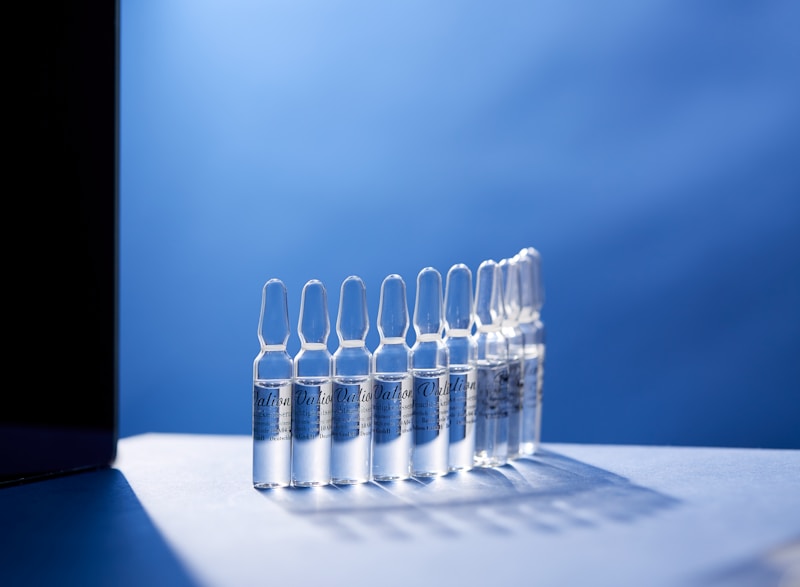
Quality control is paramount. Unregulated suppliers may sell underdosed, contaminated, or counterfeit products. Always request certificates of analysis (CoA) showing >98% purity via HPLC, sterility testing, and endotoxin levels. Store lyophilized peptide in a freezer (–20°C) until reconstitution, then refrigerate and use within 30 days. Proper aseptic technique—alcohol swabs, new needles, bacteriostatic water—minimizes infection risk. For athletes new to peptide self-administration, consultation with a knowledgeable physician or sports medicine specialist is prudent, especially if underlying health conditions exist.
Integrating BPC-157 Into a Complete Recovery Protocol
Peptides alone do not heal injuries—context matters. BPC-157 is most effective when embedded in a periodized recovery plan that addresses mechanical load, nutrition, sleep, and stress management. Begin with a thorough assessment: ultrasound or MRI imaging to grade injury severity, followed by baseline functional tests (pain-free ROM, isometric strength, hop tests for lower limbs). Document these metrics before starting your peptide cycle so you can objectively track progress.
Progressive loading is non-negotiable. Eccentric exercises—slow, controlled lengthening under load—stimulate collagen remodeling and are the gold standard for tendinopathy rehab. Combine BPC-157 injections with 3–4 weekly sessions of eccentric calf raises (Achilles), wrist extensions (tennis elbow), or Nordic hamstring curls (hamstring tendons). Load should be uncomfortable but not acutely painful; the "painful arc" approach popularizes a 3–5 out of 10 pain scale during exercise.
Nutrition fuels repair. Prioritize leucine-rich protein sources (whey, eggs, lean meats) and micronutrients like vitamin C (collagen hydroxylation), zinc (matrix metalloproteinase activity), and omega-3 fatty acids (inflammation resolution). Oral collagen peptides (10–20 g daily, taken with vitamin C 1 hour pre-workout) have shown promise in human trials for tendon adaptation.[7] Hydration status also influences tissue viscoelasticity; aim for urine color in the pale-yellow range. Athletes can calculate daily energy and macronutrient needs using Tdee Calculator to ensure they are not in a caloric deficit, which impairs recovery.
Sleep is when repair happens. Growth hormone pulses peak during slow-wave sleep, and insufficient rest blunts tissue remodeling. Aim for 7–9 hours nightly, with consistent bed and wake times. If training volume remains high during rehab, consider adding Evening Training A Simple Reset For Mind And Body After Work techniques—gentle yoga, breathwork, or foam rolling—to downregulate the sympathetic nervous system and promote parasympathetic dominance. Stress hormones like cortisol are catabolic; chronic elevation impairs collagen synthesis and immune function.
Frequently Asked Questions
How long does it take for BPC-157 to work for tendon injuries?
Most users report subjective pain reduction within 7–14 days, with objective improvements in strength and range of motion emerging by weeks 3–4. Full recovery timelines depend on injury severity, baseline health, and adherence to progressive loading protocols. Severe injuries may require 6–8 week cycles.
Can I take BPC-157 orally instead of injecting it?
Oral BPC-157 is available and shows gastro-protective effects in animal models, but bioavailability for systemic tissue repair is lower than subcutaneous injection. Most soft-tissue healing studies use injectable routes. Oral capsules may suit gut health goals but are suboptimal for tendon or ligament repair.
Is BPC-157 safe for long-term use?
Long-term human safety data are absent. Preclinical rodent studies show no chronic toxicity at therapeutic doses, but most protocols cycle 4–8 weeks on, followed by 2–4 weeks off. Prolonged continuous use is not recommended until more data emerge. Always source from third-party tested suppliers and monitor for side effects.
Should I inject BPC-157 directly into the injured tendon?
Some users inject subcutaneously near the injury site (e.g., around the Achilles or elbow), while others use abdominal fat for systemic delivery. Direct intra-tendinous injection carries higher infection and mechanical damage risk and is not standard practice. Peri-injury subcutaneous or intramuscular injection is safer and still effective due to systemic circulation.
Can BPC-157 help with chronic tendinopathy or only acute injuries?
BPC-157 may benefit both acute and chronic injuries. Chronic tendinopathy involves failed healing and degenerative changes; BPC-157's pro-angiogenic and collagen-remodeling effects can restart stalled repair processes. Combine with eccentric loading and address biomechanical faults for best outcomes in chronic cases.
What is the best BPC-157 and TB-500 stack dosing?
A common stack is 250–350 mcg BPC-157 daily (subcutaneous) plus 2–2.5 mg TB-500 twice per week (subcutaneous or intramuscular) for 4–6 weeks. TB-500 has a longer half-life, so less frequent dosing suffices. Introduce one peptide first to isolate effects, then add the second after 1–2 weeks if tolerated.
Does BPC-157 show up on drug tests for athletes?
BPC-157 is prohibited by WADA under the "Non-Approved Substances" category (S0). Detection methods are evolving, and testing labs can identify synthetic peptides via mass spectrometry. If you compete under WADA, USADA, or similar anti-doping codes, avoid BPC-157 to prevent sanctions. Always check current prohibited lists.
Sources
- Seiwerth S, et al. BPC 157's effect on healing. J Physiol Paris. 2018;111(3):127-139. PubMed:28579545
- Krivic A, et al. Achilles tendon healing: the effect of BPC 157. Eur J Pharmacol. 2008;577(1-3):105-110. PubMed:17716655
- Staresinic M, et al. BPC 157 and tendon healing: biomechanical analysis. Med Sci Monit. 2003;9(3):BR117-124. PubMed:12640337
- Cerovecki T, et al. Dose-response curve of BPC 157 in ligament healing. J Orthop Res. 2010;28(9):1155-1161. DOI:10.1002/jor.21103
- Reca A, et al. Thymosin β4 and tissue repair. Ann N Y Acad Sci. 2012;1269:112-119. PubMed:23045981
- Sikiric P, et al. Toxicological profile of BPC 157. J Physiol Pharmacol. 2020;71(2). DOI:10.26402/jpp.2020.2.01
- Shaw G, et al. Vitamin C-enriched gelatin supplementation before intermittent activity augments collagen synthesis. Am J Clin Nutr. 2017;105(1):136-143. PubMed:27852613
Medical Disclaimer
This article is for educational and informational purposes only and does not constitute medical advice. BPC-157 is not approved by the FDA for human use and is classified as a research chemical. It is prohibited in sport by the World Anti-Doping Agency. Consult a licensed healthcare provider before starting any peptide therapy, especially if you have underlying health conditions, take prescription medications, or are subject to drug testing. NinjAthlete and the author assume no liability for adverse outcomes resulting from use of the information presented.

![GHK-Cu Copper Peptide: The Complete Master Class Guide [2026]](https://images.unsplash.com/photo-1532187863486-abf9dbad1b69?w=1200)