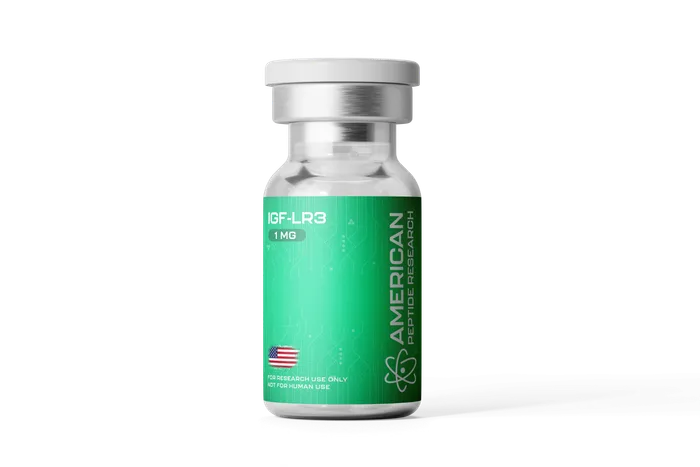
You're looking to buy IGF-1 peptide, and you're not interested in guesswork. You want the verified research-grade version with documentation to back it up, fast shipping, and clarity on what you're actually getting.
This is not a casual supplement decision. IGF-1 LR3 represents a serious commitment to cell growth optimization, and the quality of what you purchase directly impacts both safety and results. The difference between a high-purity, third-party tested variant and an unverified source is the difference between a legitimate research tool and a waste of money.
Here's what separates the best IGF-1 peptides from the rest, and how to identify them when you're ready to buy.
Related: Best BPC-157 Peptide Kit for Recovery and Injury Healing
What to Look For When You Buy IGF-1 Peptide
Before you make a purchase, understand exactly what makes one source better than another.
The gold standard is 99%+ purity with lot-specific certificates of analysis (COA). This third-party testing documentation proves that what's in the vial matches the label. No guessing. No trust-based purchasing. Real verification.
IGF-1 LR3 is a recombinant peptide designed to support cell differentiation and growth. The best versions are lab-derived (often HEK293-derived or tag-free variants) and explicitly labeled for research use only. This legal framing protects both you and the supplier. Anything vague about intended use or without clear research designation is a red flag.
You also need domestic shipping options. Research-grade peptides require cold chain management, and fast domestic delivery means your product arrives in optimal condition. International sourcing introduces variables you don't need: customs delays, temperature exposure, and unpredictable handling.
When you're evaluating where to buy IGF-1 peptides that meet performance standards, these three factors matter most: purity documentation, research-grade labeling, and rapid domestic delivery.
Why Purity and Testing Matter More Than Price
You might be tempted to find the cheapest option. Don't. A lower price usually means lower purity, no third-party testing, or both.
When you inject or use a peptide, you're introducing a substance directly into your body. Contaminants, fillers, or underdosed product don't just waste your money. They introduce variables into your protocol that make it impossible to know what's actually driving (or failing to drive) your results.
Related: Peptide 185 Reddit: Is It Actually Worth It?
High-quality IGF-1 LR3 comes with a certificate of analysis showing lot-specific purity data. This document tells you exactly what you're getting. It's the difference between buying a supplement and buying verified research material.
The best suppliers make this documentation available before purchase. If a vendor won't show you the COA upfront, they're not worth your time. This is non-negotiable when you're serious about performance optimization.
How Serious Athletes Use IGF-1 Peptide for Sustained Results
IGF-1 LR3 users report sustained muscle growth that differs from temporary post-workout pump gains. This is structural change. Cell differentiation and proliferation that persists.
The protocol demands precision. Dosing, injection timing, cycle length, and integration with your broader training plan all affect outcomes. This isn't a "set and forget" supplement. It requires protocol discipline and accurate administration.
High-performance athletes integrate IGF-1 into structured training phases, often combined with resistance work designed to maximize myogenic response. The peptide supports the adaptation your training stimulus demands. Without the stimulus, the peptide doesn't do the work for you.
Emerging research also points to potential cognitive benefits, including effects on executive function and verbal memory. This makes IGF-1 relevant beyond muscle optimization for athletes pursuing comprehensive performance gains.
If you're building a peptide therapy protocol around your training, you need a vendor who understands the research context and can supply verified material. Casual buying leads to mediocre results.