Let's cut straight to it: if you're researching BPC-157 peptide dosage, you're probably dealing with an injury that conventional recovery isn't fixing fast enough. Most athletes experimenting with peptide therapy start with 250-500 mcg daily via subcutaneous injection or oral administration, cycling for 2-8 weeks depending on condition severity.
But the real question is: which protocol matches your specific recovery goal? That's where this dosage chart gets practical. We're breaking down injection placement, oral absorption timing, cycle duration, and the individual factors that determine whether you're at the lower or upper end of that range.
If you're serious about evidence-based recovery optimization, NinjAthlete focuses on protocols backed by peer-reviewed research, not guesswork. Let's dig into what actually works.
Subcutaneous Injection: The Standard Protocol
Subcutaneous injection is the most researched delivery method for BPC-157 in athletic recovery. Most protocols use 250-500 mcg once daily, typically administered 5-6 days per week.
Related: BPC-157 and TB-500 Peptide: Complete Recovery Guide
Related: BPC-157 Peptide Ingredients: Complete Breakdown
Related: SS31 Peptide Dosage: The Complete Protocol Guide
Related: Peptide Dosage Chart: Complete Guide for Athletes
Related: AOD Peptide Dosing: Complete Guide for Athletes
Related: KPV Peptide Dosage Protocol: Complete Guide for Athletes
Related: Peptide Encyclopedia: The Complete Guide for Athletes
Here's the dosing breakdown by injury severity:
Related: BPC-157 Peptide Dosage Calculator: Exact Dosing Guide
Related: BPC-157 Peptide Calculator: Dosage & Reconstitution Guide
Related: Peptide Dosing Schedule: Complete Protocol Guide for Athletes
Related: BPC-157 Peptide Dosing Protocol Guide for Athletes
- Mild soft tissue strain: 250 mcg once daily for 2-3 weeks
- Moderate ligament or tendon damage: 250-350 mcg once daily for 4-6 weeks
- Severe chronic pain or major injury: 350-500 mcg once or twice daily for 6-8 weeks
Injection placement matters more than most athletes realize. Injecting near the damaged tissue (within 2-3 inches) optimizes localized delivery. If you're recovering from a shoulder rotator cuff strain, inject into the deltoid region. For knee issues, go subcutaneous on the quad or inner thigh.
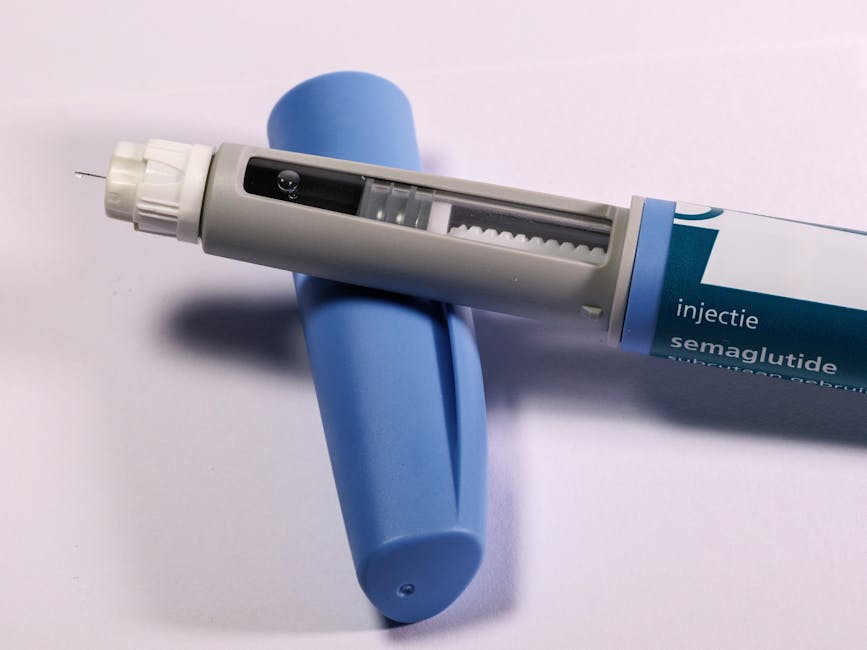
The injection itself is quick. Use a 27-29 gauge insulin syringe, inject at a 45-degree angle, and rotate injection sites daily to avoid tissue irritation. Most athletes report no discomfort beyond a minor pinch.
Oral and Sublingual Dosing: Convenience Trade-offs
Not everyone wants to inject daily. Oral and sublingual BPC-157 dosing typically ranges from 200-500 mcg once or twice daily, but absorption is the critical variable.
Here's what matters: your stomach acid will degrade BPC-157 unless you take it strategically. Sublingual administration (holding it under your tongue for 30-60 seconds before swallowing) bypasses stomach acid entirely and offers better bioavailability than standard oral dosing.
The practical protocol for oral/sublingual:
- Take on an empty stomach (at least 1 hour before food)
- If sublingual, hold for 45-60 seconds before swallowing
- Standard dose: 250-300 mcg once daily for lighter cases, 300-500 mcg twice daily for moderate-to-severe recovery
- Cycle duration: 4-8 weeks depending on injury severity
One honest limitation: oral absorption is less consistent than subcutaneous injection. You'll see slower results, but if you're avoiding needles, it still delivers measurable recovery benefits. Many athletes use oral loading for the first 2 weeks, then switch to subcutaneous for weeks 3-6 when they want faster tissue repair.
Cycle Duration: How Long Should You Use It?
This is where most people get confused. BPC-157 isn't a one-shot treatment. Cycle length depends entirely on what you're fixing.
Short cycles (2-3 weeks): Use this for acute injuries (sprains, minor strains) or as a recovery boost after an intense training block. Many athletes do 250 mcg daily subcutaneous for 14-21 days and feel a noticeable difference in inflammation and mobility.
Standard cycles (4-6 weeks): This is the most common protocol for moderate soft tissue damage (tendinitis, ligament sprains, minor muscle tears). You're looking at 250-350 mcg daily, with most athletes seeing significant improvement by week 4.
Extended cycles (6-8 weeks): Reserved for chronic pain, severe ligament damage, or previous injuries that keep re-aggravating. Higher dosing (350-500 mcg daily) combined with longer duration gives deeper tissue remodeling time.
Here's the key insight: research on BPC-157 (published across multiple studies on tissue healing) shows that 4-6 weeks is the sweet spot for most athletic injuries. You're not looking for a miracle cure at week 2—you're waiting for cumulative tissue repair to compound.
Individual Variation: Dosage Adjustments for Your Body

Body composition, injury location, and individual metabolism all affect your optimal dosage. A 210-lb linebacker recovering from a torn rotator cuff might thrive on 500 mcg daily, while a 140-lb distance runner with calf tendinitis might get full recovery at 250 mcg.
Use this hierarchy when adjusting:
- Start low: Begin at the lower end of your range (250 mcg for subcutaneous, 200-250 mcg for oral) for the first week to assess tolerance
- Assess response: After 7 days, evaluate pain levels, mobility, and inflammation. No adverse effects? Move to the midpoint of your range
- Optimize dosage: By week 2-3, you should know if you need the full 500 mcg or if 300 mcg is doing the job
- Stick with what works: Once you find your effective dose, don't keep escalating. More peptide doesn't mean faster healing
Honestly, most athletes find their sweet spot is 250-350 mcg daily. The expensive protocols pushing 500+ mcg aren't based on evidence—they're based on selling more product.
Dosage Timing and Frequency Optimization
When you inject or dose matters almost as much as how much you take. Most research on recovery peptides suggests twice-daily dosing accelerates results, but once-daily protocols still work.
Once-daily protocol (most common): Single 250-350 mcg injection in the morning. Simple, sustainable, and sufficient for mild-to-moderate recovery. Works best for subcutaneous injection targeting the injured site.
Twice-daily protocol (faster recovery): 150-250 mcg morning and evening. Better for severe injuries or when you want to compress your cycle timeline. More logistically demanding, especially if using subcutaneous injection.
The timing hack: inject or dose 30-60 minutes before training or physical therapy sessions. This primes the recovery signal just when you're about to stress the tissue you're trying to repair.
If you're structuring a comprehensive recovery protocol, NinjAthlete emphasizes pairing peptide therapy with active mobility work and targeted strength training. BPC-157 amplifies healing—it doesn't replace movement.
Safety Considerations and Medical Oversight
Before you start any BPC-157 protocol, be real with yourself: this requires medical supervision. Not because BPC-157 is inherently dangerous (the safety profile is favorable in research), but because dosing errors, improper injection technique, or undiagnosed conditions can undermine your results.
Talk to a doctor who understands peptide therapy—ideally one familiar with athletic recovery protocols. They'll confirm:
- Your injury diagnosis is accurate (MRI confirmation is standard)
- Your dosage aligns with injury severity and your body composition
- You're not taking anything that could interact with peptide therapy
- You have a clear end-point for your cycle (not just "keep going forever")
One critical point: BPC-157 research is still evolving. Most studies use rodent models or in-vitro data. Human clinical trials on dosage are limited. That doesn't mean it doesn't work—it means your dosage should be conservative and your expectations realistic.
Building Your BPC-157 Dosage Protocol
Here's how to structure your actual protocol from scratch:
Related: Best MOTS-C Peptide Dosage Chart for Performance Athletes
Related: Best SS-31 Peptide Dosage for Endurance Athletes
Step 1: Identify your injury severity (mild strain vs. chronic ligament damage) and choose your delivery method (subcutaneous injection for speed, oral for convenience).
Step 2: Select your base dosage from the ranges above. When in doubt, start lower and adjust up after week 1.
Step 3: Set your cycle duration (2-3 weeks for acute, 4-6 weeks for moderate, 6-8 weeks for chronic). Mark your end date on the calendar.
Step 4: Plan injection placement (if subcutaneous) as close to the injury site as safely possible. Rotate daily to avoid tissue irritation.
Step 5: Pair with active recovery—mobility work, physical therapy, targeted strength training. BPC-157 works best when you're moving the injured tissue.
Step 6: Track your progress. Weekly pain levels, mobility gains, swelling reduction. If you're not seeing improvement by week 3, consult your medical provider about dosage adjustment.
Most athletes see meaningful results by week 4: reduced inflammation, better range of motion, decreased pain during training. By week 6, many are back to full training volume.
Getting serious about evidence-based recovery optimization? NinjAthlete specializes in protocols that refuse to settle for average recovery timelines. Science-backed strategies, peer-reviewed references, and actual athlete outcomes—not marketing hype.
Quick Reference: Dosage Chart by Injury Type
Use this as a starting point, then adjust with medical guidance:
| Injury Type | Severity | Dosage | Duration | Method |
|---|---|---|---|---|
| Acute Strain | Mild | 250 mcg daily | 2-3 weeks | SubQ or Oral |
| Tendinitis | Moderate | 250-350 mcg daily | 4-6 weeks | SubQ preferred |
| Ligament Sprain | Moderate-Severe | 300-450 mcg daily | 6-8 weeks | SubQ preferred |
| Chronic Pain | Severe | 350-500 mcg daily | 8 weeks | SubQ + Oral combo |
| Post-Training Recovery | Preventive | 250 mcg daily | 2-4 weeks | SubQ or Oral |
Frequently Asked Questions About BPC-157 Dosage
Is 500 mcg daily too much for BPC-157?
Probably not. The upper safety threshold hasn't been clearly established in human trials, but 500 mcg daily is well-tolerated. That said, going above 500 mcg doesn't accelerate healing—you hit a plateau around 350-400 mcg for most athletes. Save the extra cost. Start at 250-350 mcg and only increase if you're not seeing improvement by week 3.
How long before BPC-157 shows results?
Realistic timeline: reduced pain and swelling by day 5-7, noticeably improved mobility by week 2-3, significant tissue repair markers by week 4-6. If you're expecting dramatic changes by day 3, you'll be disappointed. This is cumulative healing, not a quick fix. That's also why medical-grade research backs these timelines—they're honest.
Can you take BPC-157 twice daily for faster recovery?
Yes, and it may accelerate results. Twice-daily dosing (150-250 mcg AM and PM) is used in some protocols for severe injuries, but the data suggesting dramatically faster healing isn't conclusive. Most athletes get 85% of the benefit with once-daily dosing and better adherence. Use twice-daily only if your injury is severe and you want to compress the timeline.
Do I need to cycle off BPC-157 or take breaks?
Standard protocols don't require cycling off between rounds if you wait 4-8 weeks between cycles. Some athletes do 6 weeks on, 4 weeks off. The reasoning is that continuous use might reduce responsiveness (similar to tolerance in other therapies), though human data on this is limited. Follow medical guidance—don't just guess based on supplement culture patterns.