KPV peptide dosage typically ranges from 200-500 mcg per injection, with most protocols starting low and titrating upward based on individual response. If you're serious about optimizing inflammation markers or exploring peptide protocols as a high-performance athlete, understanding the dosing framework is non-negotiable.
What Is the Standard KPV Peptide Dosage Protocol?
The standard KPV peptide dosage protocol for research purposes starts at 200 mcg (0.2 mg) per injection and can go up to 500 mcg depending on your goals and individual response. Most athletes and biohackers follow a simple rule: start low, assess your response, then adjust.
Related: Peptide Dosage Chart: Complete Guide for Athletes
Related: AOD Peptide Dosing: Complete Guide for Athletes
Related: BPC-157 Peptide Dosage Chart: Complete Guide for Athletes
Here's what that looks like in practice:
- Starting dose: 200 mcg per injection
- Typical range: 200-500 mcg per injection
- Frequency: 1-2 times daily (most common)
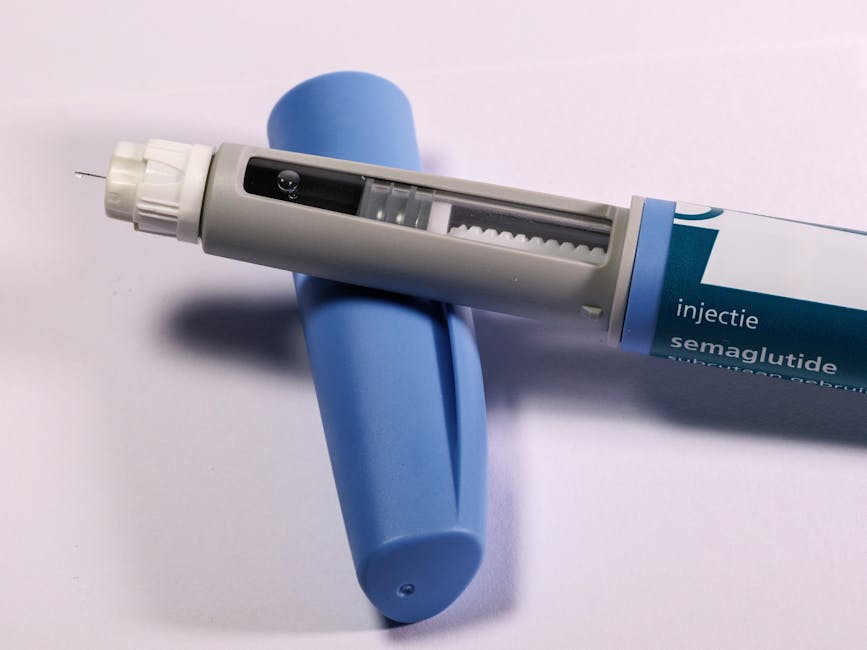
- Administration: Subcutaneous or intramuscular injection
- Vial sizes: Usually available in 5 mg or 10 mg vials requiring reconstitution
The reason most protocols start at the lower end is simple: you want to monitor how your body responds before pushing higher doses. Individual variation is real, and what works for your training partner might not be optimal for you.
How to Properly Reconstitute and Calculate Your Dose
This is where a lot of people slip up. You can't just grab the vial and start injecting. KPV peptides come as a powder and require proper reconstitution math.
If you're working with a 5 mg vial, you'll dilute it with bacteriostatic water to create a solution with a concentration you can accurately measure. A common approach: reconstitute 5 mg with 25 mL of bacteriostatic water, which gives you 0.2 mg/mL concentration. From there, a 1 mL syringe draw equals 200 mcg.
For a 10 mg vial, the math scales accordingly. The key is accuracy. You're working with micrograms here, not milligrams, so sloppy dilution math means inconsistent dosing, which defeats the entire purpose of following a protocol.
Make sure you're using proper insulin syringes (30-unit or 50-unit) for precise measurement, and document your reconstitution date. Reconstituted peptides have a limited shelf life, and storage conditions matter.
Injection Frequency and Daily Dosing Strategy
Most KPV protocols use 1-2 injections daily. Your choice depends on your goals and how you're responding.
Once-daily dosing: Simple, easy to remember, good for beginners or those running a conservative protocol.
Twice-daily dosing: Typically done as a morning and evening injection, used when targeting more aggressive inflammation reduction or when your response assessment shows you tolerate the peptide well.
The split-dose approach (morning and evening) often gives more stable peptide levels throughout your day compared to one large injection. If you're training hard, recovering from an injury, or dealing with elevated inflammatory markers, splitting your dose can be more effective.
That said, don't jump straight to twice-daily at high doses. Titrate gradually. Week one: 200 mcg once daily. Week two: assess response. Week three: consider 200 mcg twice daily or a single 300 mcg dose. This methodical approach is what separates serious athletes from people just guessing.
Starting Low and Titrating Upward: The Right Way

Here's the protocol most evidence suggests works: begin at 200 mcg and give your body 3-7 days to respond before adjusting. You're looking for signs like reduced joint inflammation, faster recovery, or improved inflammatory biomarkers if you're tracking blood work.
After you've assessed your baseline response at 200 mcg, you can move to one of these strategies:
- Stay at 200 mcg but increase frequency to twice daily
- Increase the per-injection dose to 300 mcg while maintaining once daily
- Move to 250 mcg once or twice daily for a middle-ground approach
Most athletes find their sweet spot between 300-400 mcg daily (either as one injection or split across two). Going above 500 mcg per injection starts entering territory with less research backing and higher individual variation in outcomes.
If you're serious about tracking your response, NinjAthlete has frameworks for monitoring inflammation markers and recovery metrics that work with peptide protocols. The data matters more than the dose number on the vial.
Understanding Vial Sizes and Reconstitution Requirements
KPV peptides come in 5 mg or 10 mg vials. Which one you choose depends on how long you plan to run your protocol and how frequently you'll be dosing.
A 5 mg vial at 200-400 mcg daily will last roughly 12-25 days depending on your dose and frequency. A 10 mg vial stretches that to 25-50 days. The larger vial is more economical if you're committed to a longer protocol.
Once reconstituted, your peptide solution is clock-dependent. Most sources recommend using reconstituted peptides within 2-3 weeks if stored properly in a refrigerator (2-8°C). Some protocols suggest using within 1 week for maximum stability. Don't leave it at room temperature and definitely don't use it if you see cloudiness or discoloration.
Here's a practical tip: if you're new to peptide reconstitution, start with a 5 mg vial so you can dial in your process without committing to a large supply. Once you know exactly how to calculate your dilution and you're confident in your injection technique, you can scale up to 10 mg vials.
Cycle Length and Protocol Duration
Most standard KPV protocols run for 4-8 weeks, though this varies based on your specific goals and how you're responding. The research into KPV focuses heavily on inflammation-related applications, so if you're using it for that purpose, a structured cycle makes sense.
A typical cycle might look like this: 4-6 weeks on protocol at your established dose (200-400 mcg daily), then 2-4 weeks off to assess whether gains persist and give your body a break before potentially running another cycle.
Some athletes prefer running shorter, more frequent cycles (4 weeks on, 4 weeks off). Others go longer (8 weeks on, 6 weeks off). The research doesn't define a single "best" duration because individual response varies. Track your own data. If your inflammatory markers, recovery speed, or joint comfort improves during weeks 1-4 and plateaus by week 6, you've got your answer for cycle length.
For more detailed guidance on peptide protocol structuring and performance monitoring, check out the evidence-based frameworks at NinjAthlete. We focus on protocols where the data actually supports the dosing strategy.
Storage and Stability Post-Reconstitution

This gets overlooked constantly, but proper storage directly impacts whether your dose actually contains what you think it does.
Once reconstituted, store your KPV peptide solution in a refrigerator at 2-8°C. Never at room temperature. Never in direct sunlight. Never in a freezer (freezing can degrade peptides, though some protocols use the freezer as long-term backup storage at -20°C immediately after reconstitution).
Label your vial with the reconstitution date. Use within the recommended window (typically 2-3 weeks for standard protocols). If you see any cloudiness, discoloration, or if it smells off, throw it out. Using degraded peptide wastes your money and gives you unreliable data about actual dosing effects.
Some athletes reconstitute smaller portions at a time to reduce the chance of degradation over an extended storage period. If you're running a longer protocol, this approach might make sense for you.
Individual Variation and Response Assessment
Here's the honest part: your optimal KPV dose might be different from someone else's, even if you're similar body weight and have similar fitness levels.
Factors that influence your response include age, baseline inflammation levels, overall health status, whether you're training hard during the protocol, and even genetic factors we don't fully understand yet. This is why the titration approach matters so much.
The best protocols include tracking: baseline inflammatory markers (if possible), subjective recovery quality, joint comfort, training performance, and how you generally feel. After 3-4 weeks at your established dose, compare these metrics to baseline. If you're seeing improvements, you've found a dose that works. If you're seeing nothing, your dose might be too low or KPV might just not be the right tool for your specific goals.
This is the difference between following a protocol and actually understanding your protocol. Most athletes skip the assessment step. You shouldn't.
Common Dosing Mistakes to Avoid
First mistake: jumping straight to 500 mcg because you read someone online got great results at that dose. You have no idea if that person's protocol was actually optimized or if they were just lucky with genetics. Start low.
Second mistake: reconstituting sloppily and then wondering why your results are inconsistent. The math takes five minutes. Do it right.
Third mistake: not tracking anything. You can't optimize what you don't measure. Even basic notes (how you felt, recovery quality, any side effects) are infinitely better than guessing.
Fourth mistake: running the protocol during an uncontrolled training period. If you're also changing your diet, running a new training program, and starting a peptide protocol simultaneously, you have no idea which variable caused your results. Isolate your experiment.
Fifth mistake: exceeding cycle length recommendations or running back-to-back cycles without assessing whether you actually need more. Peptide protocols work best when used strategically, not continuously.
Where to Start: Your First KPV Protocol
If you're new to KPV dosing, here's a dead simple starting framework: get a 5 mg vial, reconstitute it properly with bacteriostatic water to a concentration you can measure accurately with an insulin syringe, start at 200 mcg once daily, and run that for a full week while documenting how you feel.
After week one, decide: split it to twice daily at 200 mcg each, or move to a single 300 mcg injection. Continue for 3 more weeks at your new dose, then assess your data.
Most athletes refining their KPV approach benefit from connecting with communities and resources that actually publish their dosing data and outcomes. NinjAthlete focuses specifically on evidence-backed peptide protocols and performance optimization, so if you want to cross-reference your experience against peer-reviewed frameworks, that's a logical place to start.
Refuse to settle for vague dosing advice. KPV peptide protocols are precise. Your execution should match that precision.
What's the difference between 200 mcg and 500 mcg KPV dosing?
The 200 mcg dose is your cautious starting point. It's low enough that side effects are rare, but high enough that most people see some response. The 500 mcg dose is the upper research range and is typically used by athletes who've already established good tolerance and are running longer protocols targeting serious inflammation reduction. You're not missing out by starting at 200 mcg, but you might find you need 300-400 mcg to hit your sweet spot.
Can I inject KPV intramuscularly instead of subcutaneously?
Yes. Both subcutaneous (under the skin) and intramuscular (into muscle tissue) injection routes are used in research protocols. Subcutaneous is simpler and less intimidating for beginners. Intramuscular injection might have slightly different absorption kinetics but isn't inherently better or worse. Pick whichever you're more comfortable with and stick with it so your data is consistent.
How long does it take to see results from a KPV protocol?
Most athletes report noticing changes in recovery quality or joint comfort within 7-14 days, though this varies widely. More objective markers like inflammation-related blood work might take 3-4 weeks to shift noticeably. Don't expect immediate dramatic changes. KPV is a tool for incremental optimization, not a magic compound.
Is there a maximum safe daily dose of KPV?
Most research and clinical protocols stay below 500 mcg per injection and under 1000 mcg per day total. Going significantly higher enters territory with much less research backing and higher potential for individual variation in side effects. Start conservatively, titrate carefully, and don't assume more is better. Check peer-reviewed literature on NIH PubMed if you're considering doses outside standard ranges.