If you're looking at AOD peptide protocols, dosing precision matters. Most research-backed athletes dose between 250-500 mcg daily via subcutaneous injection, administered in a fasted state for optimal results. This guide walks you through the exact numbers, the math behind vial reconstitution, and what the evidence actually supports.
What is AOD-9604 and Why Does Dosing Matter?
AOD-9604 is a growth hormone fragment peptide that's been studied in human research for its effects on fat metabolism. Unlike full growth hormone, this fragment is designed to target specific metabolic pathways without some of the systemic effects of GH therapy.
Dosing matters because you're working with micrograms here, not milligrams. Get the math wrong and you're either under-dosing (wasting money and time) or over-dosing (paying way more than you need to). The research database behind AOD includes over 900 human subjects, which gives us solid grounding for what actually works.
Standard AOD Peptide Dosing Range
Here's the baseline: most athletes and researchers use 250-500 mcg per day. That's micrograms, not milligrams. The sweet spot for most people falls somewhere in the 300-400 mcg range.
Daily dosing is the standard protocol. You're injecting once per day, every single day. Some protocols stack it with other peptides, but we're talking about AOD dosing here.
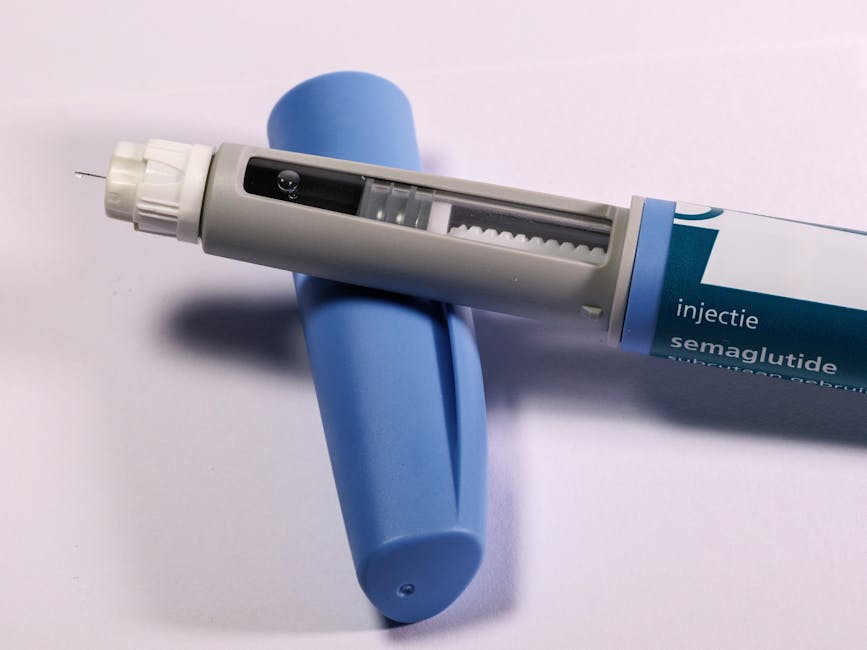
The administration method is critical: subcutaneous injection only. Not intramuscular. Subq means you're injecting into the fatty tissue under your skin, typically in the abdominal area. This route is what the research supports.
How to Calculate Your AOD Dosing From a Vial
This is where the math gets real. A standard AOD vial contains 5 mg (5,000 mcg). You need to reconstitute it with bacteriostatic water (BAC water) to turn the powder into a usable liquid.
Let's work through an example:
- 5 mg vial = 5,000 mcg total peptide
- Standard reconstitution = 5,000 mcg mixed into 2.5 mL of bacteriostatic water
- This gives you a concentration of 2,000 mcg per mL
- If you want a 300 mcg dose, you need 0.15 mL in your syringe
You'll need a U-100 insulin syringe for precise dosing at this scale. The markings on the syringe let you hit those tiny volumes accurately.
How long does one vial last? At 500 mcg daily, a 5 mg vial lasts about 10 days. At 300 mcg daily, you're looking at 16-17 days per vial. This math helps you plan your supply and monthly costs.
Timing and Administration Best Practices
Fasted state is the standard. Most protocols call for injecting AOD on an empty stomach, ideally in the morning. This appears to optimize the metabolic effects you're chasing.
Consistency matters more than minor timing variations. If you're taking it every morning, stick to that schedule. Your body adapts to rhythm.
Injection technique is basic but non-negotiable. Sanitize the injection site with an alcohol swab. Use a fresh needle for each injection. Pinch the skin slightly and inject at a shallow angle into the fatty tissue. The subq route is less painful than intramuscular, and that's what the research supports anyway.
Storage after reconstitution: keep your reconstituted AOD vial in the fridge at 2-8 degrees Celsius. Bacteriostatic water is in there specifically to keep it stable, but it's not forever. Most people use a reconstituted vial within 2-3 weeks of opening.
What the Research Actually Shows

Let's be honest: AOD-9604 has a research foundation, but it's not the same as pharmaceutical-grade approval. The safety database includes peer-reviewed studies on over 900 human subjects, which gives you solid grounding on safety profile and basic efficacy.
The mechanism is interesting: AOD targets fat cells' ability to take up glucose and store it as fat. The research suggests it shifts your metabolic partitioning toward mobilizing stored fat rather than storing new fat. It's not a magic pill. It's a metabolic tool that works best paired with proper training and nutrition.
Most studies show measurable effects on body composition over 12-week protocols. Your results will depend on your baseline, training stimulus, and caloric approach. If you're already dialed in on those factors, AOD dosing becomes a precision optimization tool.
Common Dosing Mistakes to Avoid
Mistake 1: Confusing micrograms with milligrams. You'll see some sources say 5 mg vials and then talk about 500 mcg doses. That's correct. 5,000 mcg = 5 mg. One decimal place error here and you're 10x off.
Mistake 2: Reconstituting with sterile water instead of bacteriostatic water. Sterile water lacks the preservatives. Your vial will degrade faster. Use BAC water.
Mistake 3: Injecting intramuscularly. Subq is the studied route. Intramuscular changes the absorption kinetics and isn't backed by the same evidence.
Mistake 4: Skipping the fasted state. You'll still get some effect, but fasted administration appears to be the optimal protocol based on how AOD interacts with glucose metabolism.
Mistake 5: Using inaccurate syringes. Eyeballing 0.15 mL or 0.3 mL is a recipe for inconsistency. A U-100 insulin syringe is cheap. Use it.
Stacking AOD With Other Protocols
AOD works well in isolation, but many high-performance athletes stack it with other peptides or protocols. Common stacks include combining AOD with evidence-based training optimization to amplify fat loss while preserving lean mass during competition prep.
If you're layering peptides, the dosing math becomes more complex. Space injections so they're not hitting the same site. Track everything. The athletes who see the best results are meticulous about logging doses, timing, body composition changes, and performance metrics.
Before stacking anything, understand each component individually. Master AOD dosing first. Then add complexity.
Sourcing and Quality Control
This is non-negotiable: your peptide source matters enormously. You need research-grade material from a supplier with batch testing and COAs (certificates of analysis). The dosing protocol is useless if your vial is underdosed or contaminated.
Look for suppliers who test every batch through third-party labs. They should provide a COA showing peptide purity and bacterial/endotoxin testing. If they won't, move on.
This is where NinjAthlete differs from generic fitness advice. We focus on protocols backed by evidence and sourced from suppliers who actually validate their products. You're optimizing performance, not playing Russian roulette with unknowns.
Building Your AOD Protocol Timeline

Week 1-2: Start at the lower end (250 mcg daily) to assess tolerance. Most people have zero side effects, but individual response varies.
Week 3-8: Move to your target dose (300-400 mcg daily based on your goal). This is where most athletes see meaningful fat mobilization effects.
Week 9-12: Continue at your target dose. The protocol typically runs 12 weeks for measurable body composition changes.
Off-protocol: Most athletes take 2-4 weeks off between cycles to reset sensitivity. Then restart if needed.
Log everything. Dose, injection time, fasted state (yes/no), body weight, performance metrics. The athletes who track meticulously refine their dosing over multiple cycles and compound results.
AOD Dosing for Different Goals
Fat loss phase: 400-500 mcg daily. You're pushing the upper range to maximize fat mobilization during a caloric deficit.
Maintenance or lean gain phase: 250-300 mcg daily. Lower dose minimizes fat storage while you're in a surplus or maintenance calories.
Pre-competition: 300-400 mcg daily for 6-8 weeks leading up to event. You're optimizing body composition without tanking strength or endurance.
Your caloric approach matters more than the peptide. AOD is a tool that works best when your training and nutrition are already dialed in. If those aren't locked, no dosing protocol fixes it.
Monitoring Your Response and Adjusting Dose
Track body composition, not just scale weight. Scale weight fluctuates daily from water and food. Take weekly progress photos, measure circumferences, or use DEXA scans if available. These show the actual fat loss AOD is driving.
Performance metrics matter too. Are you maintaining strength and speed? Are your training recovery and sleep improving? AOD should enhance performance, not tank it.
If you're not seeing changes after 4-6 weeks at your target dose, the issue is usually upstream: calories are too high, training stimulus is insufficient, or sleep/stress is poor. Increase the AOD dose and you'll just spend more money on the same problem.
Conversely, if side effects appear (rare, but possible), lower the dose. Allergic reactions or injection site irritation are reasons to dial back and reassess. Most athletes never experience issues, but individual sensitivity exists.
Ready to refine your peptide protocols? NinjAthlete provides science-backed performance guides specifically designed for high-performance athletes who refuse to settle for average dosing advice.
Related: Peptide Encyclopedia: The Complete Guide for Athletes
Related: KPV Peptide Dosage Protocol: Complete Guide for Athletes
Related: Peptide Dosage Chart: Complete Guide for Athletes
People Also Ask
Is 300 mcg of AOD peptide enough for fat loss?
Yes, 300 mcg daily is a solid starting point and maintains good results for most athletes. It's the lower-middle range of the standard 250-500 mcg window. If you're coming off no peptides, 300 mcg will show measurable effects over 12 weeks. You can increase to 400-500 mcg if you plateau or want faster results, but 300 is efficient.
Can you mix AOD with other peptides in the same syringe?
Technically possible, but most protocols call for separate injections. Mixing peptides in one syringe introduces variables: different stability profiles, altered absorption kinetics, and harder troubleshooting if something goes wrong. Inject them separately a few minutes apart at different sites. It takes 30 extra seconds and removes confusion.
What happens if you inject AOD intramuscularly instead of subcutaneously?
The research backbone supports subq injection. Intramuscular will change your absorption curve and bioavailability. You might get effects, but you're deviating from the studied protocol. Stick with subq. It's easier, less painful, and backed by the evidence.
How long does AOD peptide stay effective after reconstitution?
Bacteriostatic water keeps it stable for 2-3 weeks refrigerated at 2-8 degrees Celsius. After that, degradation accelerates. Most athletes use a reconstituted vial within 14 days to be safe. If you're only dosing 250 mcg daily, one 5 mg vial lasts nearly three weeks, so timing usually works out fine.