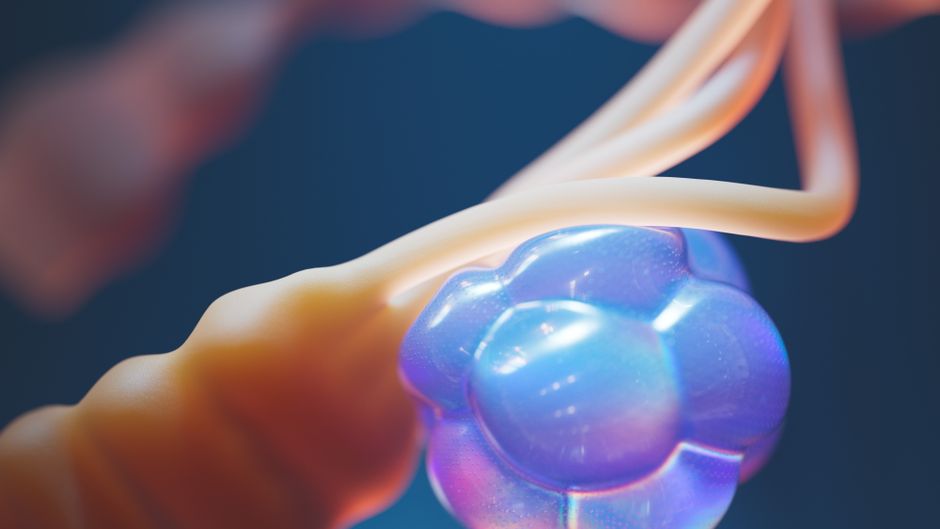
BPC-157 is a synthetic peptide derived from gastric juice that's gaining serious attention in performance circles for its anti-inflammatory and tissue-regeneration potential. If you're looking to accelerate recovery from overuse injuries or optimize tissue repair beyond conventional methods, this peptide works through multiple biological pathways that actually matter for athletes.
How BPC-157 Peptide for Inflammation Actually Works
BPC-157 doesn't just numb pain. It actively reduces inflammatory signaling at the tissue level. The mechanism hinges on three key systems:
Related: Current Protein and Peptide Science: What Athletes Need to Know
Related: BPC-157 Amino Acids: What Athletes Need to Know
Related: BPC-157 Peptide for Healing: What Athletes Need to Know
Growth Factor Stimulation. BPC-157 boosts growth factors directly involved in tissue repair. When you tear a tendon or strain muscle fibers, your body needs these signals to rebuild stronger. This peptide amplifies that signal.
Nitric Oxide Modulation. Nitric oxide controls blood vessel dilation and oxygen delivery. BPC-157 works through nitric oxide pathways to improve physiological function at the cellular level. Better blood flow means faster nutrient delivery to damaged tissue.
Enhanced Angiogenesis. The peptide promotes new blood vessel formation. More capillaries reaching your injury site equals better perfusion and faster recovery timelines.
Research from the National Institutes of Health database shows these mechanisms aren't theoretical. Lab studies consistently demonstrate reduced inflammatory markers across muscle, tendon, and ligament tissue types.
Tissue-Specific Benefits for Athletes
BPC-157 isn't a one-trick peptide. It shows efficacy across multiple tissue types that matter to high-performance athletes.
Muscle and Tendon Repair. This is where the data is strongest. Athletes dealing with chronic tendon issues or muscle strains report accelerated healing timelines when using BPC-157 protocols. The peptide directly stimulates collagen synthesis and tissue remodeling.
Ligament Integrity. Ligament injuries (ACL, MCL, ankle sprains) are career-threatening for competitive athletes. Laboratory studies show BPC-157 promotes ligament tissue regeneration, though human clinical trials remain limited.
Mucosal and Gut Health. This matters more than most athletes realize. Intense training damages intestinal barrier function. BPC-157 promotes mucosal healing and protects against training-induced intestinal permeability, which can derail your performance gains if your gut is compromised.
Systemic Anti-Inflammatory Effects. Beyond localized tissue, research has explored BPC-157's impact on bone, skin, and nerve tissue inflammation. The systemic reduction in inflammatory signaling can support overall recovery capacity during heavy training blocks.
What the Research Actually Shows (and Doesn't)
Here's the honest breakdown: most evidence for BPC-157 comes from laboratory and animal model research. Human clinical trials are limited. This matters. You need to understand the gap between "lab shows promise" and "clinically proven in humans."
What we know works in vitro and in animal models:
- Growth factor upregulation
- Inflammatory cytokine reduction
- Tissue regeneration acceleration
- Vascular improvement
What we're still waiting on: large-scale, randomized human trials comparing BPC-157 to placebo across specific injury types. The existing human data is anecdotal or small-scale.
That said, the mechanism is sound. If you understand peptide biology and growth factor signaling, BPC-157's approach to inflammation reduction is backed by legitimate science, even if the clinical evidence trail is still building.
Practical Considerations for Performance Athletes
If you're considering BPC-157, your first move is consulting a healthcare provider who understands peptide therapy. Regulatory status varies significantly by jurisdiction.
Dosing Protocol. Research typically uses BPC-157 in the 250-500 mcg range. Injection routes (subcutaneous or intramuscular) are most common in protocols, though other delivery methods exist. Dosing should be individualized based on the specific injury and your body composition.
Timeline to Results. Don't expect overnight miracles. Most athletes report noticing improvements in pain levels or range of motion within 2-4 weeks. Full tissue remodeling takes 8-12 weeks minimum. This is biological healing, not pharmaceutical suppression.
Stacking Considerations. Some athletes combine BPC-157 with other recovery peptides or growth factors. This should be done under professional guidance to avoid unintended interactions or over-stimulation of growth pathways.
Before you commit to any peptide protocol, platforms like NinjAthlete can help you understand the broader recovery optimization landscape and how peptides fit into your overall performance strategy.
Why Inflammation Matters More Than You Think
Chronic inflammation is your enemy. It slows tissue repair, reduces performance capacity, and accelerates aging at the cellular level. Most athletes address inflammation reactively, after injury.
BPC-157 is a proactive tool. By reducing inflammatory signaling before it becomes a limiting factor, you preserve your training capacity and accelerate bounce-back from hard sessions.
The catch: you need to pair it with the fundamentals. Recovery peptides work best when you're already nailing sleep, nutrition, and training periodization. If your recovery infrastructure is broken, BPC-157 is a patch, not a solution.
Recovery optimization goes deeper than one peptide. check out how NinjAthlete structures performance protocols to see how peptide therapy fits into a complete recovery framework.
Comparing BPC-157 to Other Inflammation Reduction Strategies
You have options beyond peptides. Understanding where BPC-157 sits in the landscape helps you make an informed choice.
NSAIDs. They reduce pain but suppress growth factor signaling needed for tissue repair. Short-term pain relief can mean long-term weak tissue. BPC-157 takes the opposite approach: it facilitates actual healing.
Corticosteroids. Powerful anti-inflammatory but immunosuppressive. Not ideal for athletes trying to maintain training capacity. BPC-157 addresses inflammation without systemic immunosuppression.
Physical Therapy and Movement. This is foundational. No peptide replaces proper rehab. BPC-157 enhances recovery while you do the work, not instead of it.
Cryotherapy and Ice. Local inflammation reduction tool. Effective short-term but doesn't stimulate growth factors. BPC-157 and ice aren't competitors; they're complementary if used correctly.
The athletes who see the best results stack multiple modalities: targeted anti-inflammatory peptides, structured rehab, proper periodization, and foundational recovery habits. Half measures give you half results.
Critical Questions Before You Use BPC-157

Before committing to any peptide protocol, ask yourself these:
- Is your healthcare provider knowledgeable about peptide therapy?
- Do you have a confirmed diagnosis of the tissue you're trying to repair?
- Are you already dialing in sleep, nutrition, and training periodization?
- Do you understand the regulatory landscape in your jurisdiction?
- Are you sourcing from a vetted, quality-controlled supplier?
This isn't a casual supplement decision. Peptide protocols require oversight and intentionality. If you're ready to take recovery seriously, NinjAthlete's science-backed recovery guides walk you through the decision framework.
The Reality Check
BPC-157 shows legitimate promise for inflammation reduction and tissue repair. The science is real. But it's not a magic bullet, and most evidence is still early-stage in human populations.
If you're an athlete refusing to settle for average recovery timelines, and you've already optimized the fundamentals, BPC-157 is worth investigating with a knowledgeable healthcare provider. Just go in with eyes open about what the research actually shows versus hype.
Performance gains come from compounding small edges across multiple domains: training quality, recovery strategy, tissue repair capacity, and longevity optimization. BPC-157 is one tool in that toolkit, not the entire solution.
What's the difference between BPC-157 and other peptides like TB-500?
BPC-157 focuses on localized tissue repair and anti-inflammatory signaling. TB-500 works more broadly on tissue repair and immune modulation. Both reduce inflammation but through slightly different pathways. BPC-157 is typically better for targeted joint or tendon issues; TB-500 is more systemic. Your choice depends on whether you're addressing a specific injury or overall recovery capacity.
How long does BPC-157 stay in your system?
BPC-157 has a relatively short half-life (15-30 minutes in blood), but its effects persist for weeks because it triggers growth factor signaling that continues working after the peptide is metabolized. This is why dosing protocols span 4-12 weeks rather than daily indefinitely. You're priming tissue repair mechanisms, not maintaining constant drug levels.
Can you use BPC-157 while training hard?
Yes, in fact that's when it's most useful. Your body is already in repair mode from training stimulus. BPC-157 amplifies that natural healing signal. Just avoid injecting directly into the muscle you're about to train hard. Give 24-48 hours between injection and peak training volume in that tissue.
Is BPC-157 legal for competitive athletes?
Regulatory status varies by jurisdiction and governing body. Most major sports organizations don't explicitly ban BPC-157, but peptide use in competition exists in a gray zone. Check your specific sport's anti-doping rules before use. This is a conversation for you, your doctor, and your athletic governing body, not a generalized answer.


