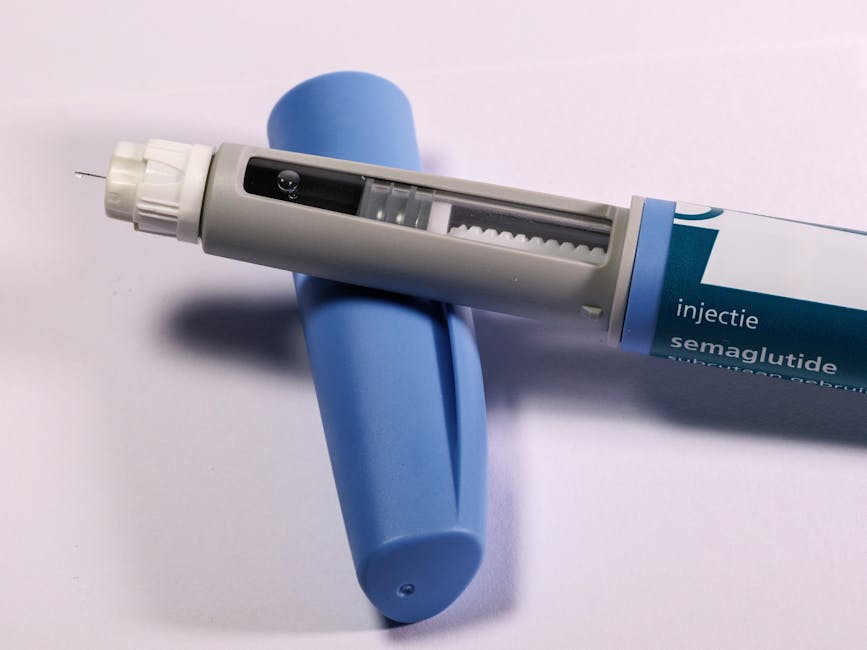
You're serious about optimizing metabolic performance. You've heard about MOTS-C peptide and its potential to enhance mitochondrial function, improve endurance capacity, and support body composition goals. But you're hitting a wall: most resources bury the dosing details or skip the practical logistics entirely.
Here's what you need: a clear, research-aligned MOTS-C peptide dosage chart that tells you exactly what dose to inject, when to inject it, and how to titrate safely. This isn't theoretical fitness content. This is the protocol competitive athletes use when they refuse to settle for average results.
Related: Best SS-31 Peptide Dosage for Endurance Athletes
Related: B-157 Peptide Capsules for Recovery: What Athletes Need to Know
Related: BPC-157 Peptide Dosage Chart: Complete Guide for Athletes
Related: KPV Peptide Dosage Protocol: Complete Guide for Athletes
Related: Peptide Dosage Chart: Complete Guide for Athletes
Standard MOTS-C Peptide Dosage Range Explained
Clinical research and athlete protocols converge on a clear dosing window: 2.5 to 10 mg per subcutaneous injection.
Related: Evidence-Based Peptide Therapy for Athletes 2026: Clinical Data & Trends
Related: Peptide Conferences 2026: Events for Performance Athletes
Related: P21 Peptide Benefits for Athletes & Brain Performance
Related: BPC-157 Peptide Dosing Protocol Guide for Athletes
Most high-performance athletes operate in the 5 mg to 10 mg range, with 5 mg serving as the effective standard maintenance dose. This sits in the middle ground between minimal effective dose and the upper tolerance threshold.
The reason? MOTS-C works on metabolic pathways that respond dose-dependently, but adding more doesn't automatically yield better results. The sweet spot is where you see measurable improvements in mitochondrial ATP production and oxidative capacity without unnecessary side effects.
If you're new to peptide therapy, start lower. Your body's sensitivity matters more than chasing the highest number.
The Expert MOTS-C Dosage Protocol (The "Perfect B" Method)
Here's the protocol that competitive athletes and biohackers follow, often called the "Perfect B Protocol."
- Dose per injection: 5 mg (25 units)
- Frequency: Once every 5 days
- Cycle duration: 4 injections over 20 days
- Off-cycle rest: 4 months before repeating
Why every 5 days instead of daily? MOTS-C has a half-life that supports this spacing, and spacing actually maximizes your body's adaptive response. You're not flooding your system constantly; you're triggering repeated metabolic signaling that compounds over the cycle.
The 20-day cycle is short by design. It preserves the novelty of the stimulus and prevents receptor desensitization. After you finish, that 4-month rest allows your physiology to stabilize and keeps the peptide effective for future cycles.
MOTS-C Dosage Titration: The First 4 Weeks
Don't start at 5 mg on day one, even if you think you can handle it. Titration exists for a reason: tolerance assessment and dose optimization.
Week 1: Inject 2.5 mg every 5 days (one injection total)
Week 2: Inject 3.5 mg every 5 days (one injection total)
Week 3: Inject 4.5 mg every 5 days (one injection total)
Week 4: Inject 5 mg every 5 days (one injection total)
This staggered approach lets you identify how your body responds to each dose level. Most athletes feel nothing dramatic (that's normal). What you're tracking: energy levels, sleep quality, appetite, exercise recovery, and any unusual sensations at the injection site.
After week 4, you're at maintenance. If you want to go higher, increase to 7.5 mg or 10 mg on the next cycle, but only if the 5 mg dose was well tolerated and you're targeting specific performance gains.
Timing Your MOTS-C Injection for Maximum Effect

Injection timing matters more than most guides acknowledge. MOTS-C influences metabolic activity, so when you inject relative to meals and training changes the outcome.
Evening injection: Inject 2 or more hours after your last meal. This prevents food-induced metabolic noise and lets the peptide signal to mitochondria during a fasted state. Optimal window is 7 p.m. to 10 p.m., about 3 hours before sleep.
Morning injection: If you prefer morning dosing, inject before breakfast or before your first training session. This syncs the metabolic signal with your body's natural cortisol rise and exercise-induced mitochondrial adaptation.
The research on exact timing is mixed, but the principle is consistent: inject when your metabolism is transitioning (between meals or before activity). Avoid injecting immediately post-meal or mid-digestion.
Route matters too. MOTS-C is a subcutaneous peptide, meaning it goes into the fatty tissue just under the skin (not intramuscular). Typical injection sites: abdomen, thigh, or upper arm. Rotate sites to avoid lipodystrophy.
MOTS-C Dosage Chart: Quick Reference Table
| Week | Dose (mg) | Frequency | Total Injections |
|---|---|---|---|
| Titration Week 1 | 2.5 mg | Every 5 days | 1 |
| Titration Week 2 | 3.5 mg | Every 5 days | 1 |
| Titration Week 3 | 4.5 mg | Every 5 days | 1 |
| Titration Week 4 | 5 mg | Every 5 days | 1 |
| Maintenance (Weeks 5-8) | 5 mg | Every 5 days | 4 (full cycle) |
| Advanced (Next Cycle) | 7.5-10 mg | Every 5 days | 4 (if tolerated) |
What to Expect: Realistic Outcomes on MOTS-C
You're investing time and money into this protocol. What actually happens?
Most athletes report improved exercise recovery within 1 to 2 weeks of reaching maintenance dose. Your workouts feel less taxing. You bounce back faster between sessions.
Related: NAD Peptide Reddit: What Athletes Actually Report
Body composition changes typically appear by week 3 to 4. You're not looking at dramatic fat loss overnight, but improved metabolic efficiency means better nutrient partitioning. Combined with consistent training, this translates to visible muscle definition and reduced visceral fat.
Endurance capacity improvements are measurable. VO2 max tends to improve, and lactate threshold shifts favorably. For HYROX athletes and distance runners, this means faster split times with the same perceived effort.
The timeline? Full cycle benefits show by week 8. That's why the 20-day cycle followed by a 4-month break makes sense. You're capturing the adaptation window, then stepping back to let your physiology stabilize.
Looking for evidence-based protocols backed by competitive athlete experience? NinjAthlete publishes research-aligned guides that go deeper into peptide therapy, metabolic optimization, and HYROX-specific training. Check the resource library if you're building a complete performance stack.
Safety Considerations and Medical Oversight

MOTS-C is generally well tolerated at the dosages outlined above. Most athletes experience zero side effects.
What some report: mild redness or soreness at injection sites (normal for subcutaneous peptides), occasional transient appetite changes in the first week, and rarely, headaches during titration.
This is the critical part: get medical supervision before starting. Have baseline bloodwork done. Check your lipid panel, metabolic markers, and hormone levels. This gives you a before-and-after comparison and ensures no underlying conditions contraindicate peptide use.
According to PubMed, MOTS-C research is still emerging, and long-term human data remains limited. You're operating in the cutting edge of sports science, which means responsible tracking and medical partnership matter.
Don't self-dose blindly. Don't skip the medical check-in. The athletes getting the best results are the ones following evidence-based protocols with professional oversight.
Building Your Complete Metabolic Optimization Stack
MOTS-C works best as part of a broader strategy. The peptide is a tool, not a magic wand.
Pair it with: consistent strength and conditioning training, strategic nutrition (protein and micronutrient targets matter), sleep optimization (8+ hours per night), and cardiovascular work aligned with your sport.
If you're competing in HYROX or similar obstacle-fitness events, you need complementary periodization. MOTS-C dosing cycles fit well with macro-cycles in your training plan.
That's where NinjAthlete becomes invaluable. The platform connects peptide protocols with sport-specific training plans, so you're not guessing how to integrate dosing into your overall program. Everything threads together.
Is MOTS-C legal?
MOTS-C peptide is legal to purchase and use for research or personal performance optimization in most jurisdictions. It is not approved by the FDA as a pharmaceutical drug. Check your local regulations and sport-specific anti-doping rules if you compete in tested events. Many sports organizations classify peptides as banned substances, so verify before use.
How long does MOTS-C stay in your system?
MOTS-C has a short half-life of approximately 3 to 5 minutes in circulation. This is why you inject every 5 days rather than daily. The peptide triggers metabolic signaling that persists longer than the molecule itself, meaning the effect accumulates over the cycle even though the actual peptide clears quickly.
Can I stack MOTS-C with other peptides?
Many advanced athletes run MOTS-C alongside other metabolic or recovery peptides (BPC-157, TB-500, etc.). However, stacking increases complexity and requires even more rigorous medical oversight. Start with MOTS-C alone for one full cycle before adding anything. Track your response carefully.
What happens after I finish a MOTS-C cycle?
After 20 days of injections, take a 4-month break. Your body's metabolic adaptations consolidate during this rest period. You won't lose gains; you'll stabilize them. After 4 months, you can run another cycle. Most athletes do 2 to 3 cycles per year, spaced out to prevent receptor downregulation.