If you're running a BPC-157 protocol, dosing precision isn't optional—it's the difference between measurable results and wasted cycles. A BPC-157 peptide dosage calculator takes the guesswork out of reconstitution math and gives you the exact number of syringe units to draw for your target dose. Let's walk through how to use one, what numbers actually matter, and why accuracy at this level separates serious athletes from everyone else.
What a BPC-157 Dosage Calculator Actually Does
A BPC-157 peptide dosage calculator is a simple tool that converts your peptide amount, vial size, and reconstitution volume into exact insulin syringe units. You input three variables: total peptide in the vial (usually 5 mg), the volume of bacteriostatic water you're mixing in (typically 2 mL), and your target dose in micrograms (mcg). The calculator spits out how many units to draw on an insulin syringe.
Why does this matter? Because hand-calculating reconstitution math is where most people make mistakes. One wrong decimal point and your 250 mcg dose becomes 25 mcg or 2,500 mcg. A calculator eliminates that error entirely.
The standard dosage range for BPC-157 research protocols is 250–500 mcg per injection. Most protocols use this window depending on the specific application—tendon repair, gut health, or muscle recovery all fall within this range. NinjAthlete recommends starting with research-backed dosing frameworks before you even touch a syringe.
The Three Numbers You Need to Know
Every dosage calculator requires exactly three inputs. Get these right, and your math is locked in.
1. Total Peptide in Your Vial
This is how much raw peptide you have. The industry standard is 5 mg per vial. Some sources sell 2 mg or 10 mg vials, but 5 mg is the most common. Check your vial label. This number never changes mid-cycle.
2. Bacteriostatic Water Volume
This is how much sterile water you mix with the peptide to reconstitute it. The most common standard is 2 mL. Some athletes use 1 mL for higher concentration, others use 2.5 mL for lower concentration. The key is consistency—once you pick your volume, stick with it. Changing this mid-cycle means recalculating everything.
3. Your Target Dose in Micrograms
This is how much peptide you actually want to inject. Research protocols typically sit at 250 mcg, 500 mcg, or somewhere in between. Know your protocol target before you start. If you're following expert guidance, that number should come from a qualified source, not a Reddit thread.
Step-by-Step: Using the Calculator
Here's the actual workflow. No algebra required—just input and output.
Step 1: Input Your Vial Amount
Enter 5 mg (or whatever your vial contains). This is printed on the label.
Step 2: Enter Your Reconstitution Volume
Type in 2 mL (or your chosen volume of bacteriostatic water).
Step 3: Set Your Target Dose
Input your protocol dose. For most cycles, this is 250 mcg or 500 mcg. Some protocols call for 300 mcg or 400 mcg. Use whatever your research-backed protocol specifies.
Step 4: Read the Syringe Units
The calculator outputs a number—typically between 5 and 20 units on a standard insulin syringe. This is exactly how many units you draw from the vial.
Why Insulin Syringes and Exact Units Matter

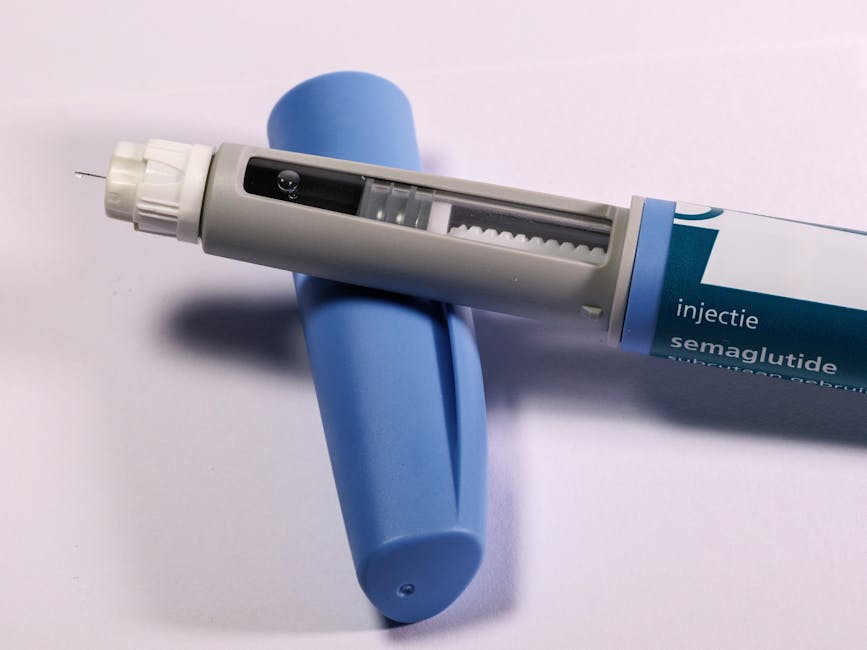
Insulin syringes come in 100-unit and 50-unit marks. They're precise to within one unit. When your BPC-157 peptide dosage calculator tells you to draw 10 units, you can hit that exact number without estimation.
Related: Peptide Dosage Calculator: Exact Syringe Units in Seconds
Related: BPC-157 Peptide Calculator: Dosage & Reconstitution Guide
Compare that to pulling from a regular syringe where you're eyeballing milliliters. One millimeter off on a 1 mL syringe is a 1,000% error. An insulin syringe with unit markings removes that entirely. This is why peptide athletes use insulin syringes exclusively.
The math itself is simple: (Total Peptide in mg × 1,000) ÷ (Bacteriostatic Water in mL) × (Target Dose in mcg) = Units to draw. But the calculator does this instantly so you never have to remember the formula.
Reconstitution Best Practices That Affect Your Dosing
Accurate dosing depends on proper reconstitution. Mess this up and your calculator output becomes meaningless.
Sterility is Non-Negotiable
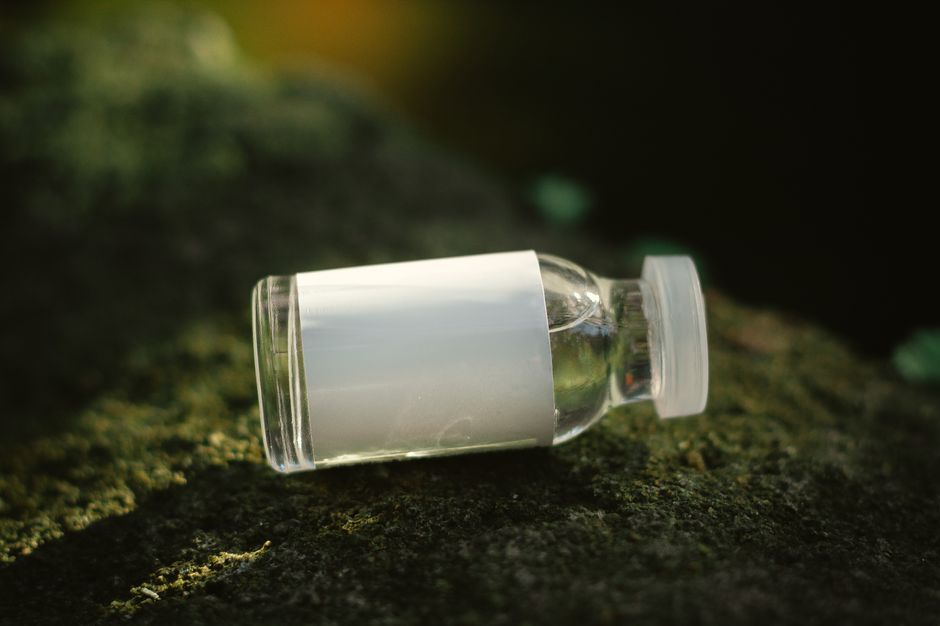
Use only bacteriostatic water—not saline, not regular water. Bacteriostatic water has benzyl alcohol as a preservative and keeps your reconstituted peptide stable.
Mix Slowly
Don't shake your vial violently after adding water. Gentle swirling. Aggressive shaking creates foam and can denature the peptide. Let it sit for a few minutes to fully dissolve.
Storage Matters
Reconstituted BPC-157 stays stable in a refrigerator (2-8°C) for weeks. Room temperature storage degrades the peptide and throws off your calculator math. If your dose sat at room temperature for days, the actual concentration is lower than your calculator predicted.
When you're dial-in this level of detail, NinjAthlete is built for athletes who refuse to settle for approximations.
Dosage Protocol Examples: What the Numbers Look Like
Let's run real examples so you see exactly how this works.
Example 1: Standard Tendon/Muscle Repair Protocol
Vial: 5 mg. Reconstitution: 2 mL bacteriostatic water. Target dose: 250 mcg, twice daily. Your calculator outputs approximately 10 units per injection on an insulin syringe. Total daily dose: 20 units (500 mcg). Typical cycle: 4-6 weeks.
Example 2: Higher-Dose Research Protocol
Vial: 5 mg. Reconstitution: 2 mL bacteriostatic water. Target dose: 500 mcg, once daily. Your calculator outputs approximately 20 units per injection. Total daily dose: 20 units (500 mcg). Typical cycle: 6-8 weeks.
Example 3: Conservative Starting Protocol
Vial: 5 mg. Reconstitution: 2 mL bacteriostatic water. Target dose: 250 mcg, once daily. Your calculator outputs approximately 10 units. Total daily dose: 10 units (250 mcg). Typical cycle: 4 weeks, then reassess.
Notice the pattern: changing your reconstitution volume changes everything. If you used 1 mL instead of 2 mL in example one, a 250 mcg dose would require 5 units instead of 10. That's why your calculator is only accurate for your exact setup.
Common Mistakes That Break Your Dosing Accuracy

Even with a calculator, athletes still mess this up. Here's what to avoid.
Related: BPC-157 Peptide Dosage Chart: Complete Guide for Athletes
Related: BPC-157 Peptide Dosing Protocol Guide for Athletes
Mistake 1: Changing Water Volume Mid-Cycle
You reconstituted with 2 mL week one, then switched to 1 mL week two. Now your syringe units don't match your actual dose. Either recalculate for the new volume or stick with your original water volume for the entire cycle.
Mistake 2: Using the Wrong Syringe Type
You calculated for a 100-unit insulin syringe but drew from a 50-unit syringe. The unit markings are different—one is half the size of the other. Always confirm your syringe type matches your calculator assumptions.
Mistake 3: Trusting Old Vials
If your reconstituted peptide has been sitting for months, degradation happens. The 5 mg you mixed might be 4 mg now. Dosing precision assumes your peptide is fresh. Respect expiration dates.
Mistake 4: Eyeballing Instead of Measuring
You "think" you added 2 mL of water. Probably wrong. Use a sterile syringe to measure bacteriostatic water to the exact milliliter. Precision starts here.
Where to Find a Reliable BPC-157 Dosage Calculator
Free online calculators exist, but quality varies. Look for a tool that explicitly asks for vial size, water volume, and target dose, then outputs insulin syringe units. Some calculators are oversimplified and miss variables. Others are overly complicated and confusing.
The best calculators are transparent about their assumptions. They show you the math or at least label what unit system they're using (international units vs. micrograms vs. milligrams).
If a calculator doesn't ask for your reconstitution volume, it's not accurate enough. Walk away. You can also reference peer-reviewed research on peptide administration to verify your protocol parameters before you use any calculator.
For athletes serious about optimization protocols, NinjAthlete provides science-backed frameworks that go beyond dosing math—we cover cycle length, injection timing, and integration with your training plan.
Safety and Expert Guidance Considerations
A calculator gives you precision. It doesn't give you medical clearance. Before you run any BPC-157 protocol, consult a qualified healthcare provider who understands peptide therapy. This is non-negotiable.
Proper dosing is only one variable in a safe protocol. Injection technique, vial storage, cycle length, and individual response monitoring all matter equally. A calculator handles the math. A healthcare provider handles the safety.
BPC-157 remains a research peptide in most jurisdictions. Educational use is one thing. Personal protocols require professional oversight. Don't skip this step just because the calculator makes dosing seem simple.
People Also Ask
What Happens If I Inject More Than 500 mcg Per Dose?
Research protocols typically don't exceed 500 mcg per injection. Going significantly higher doesn't necessarily improve results and moves you into uncharted territory where individual response becomes unpredictable. Stick to the established range unless you have explicit guidance from a healthcare provider.
Can I Use the Same Calculator for Different Vial Sizes?
Yes, as long as you input the correct vial size each time. If you use a 5 mg vial, input 5 mg. If you use a 2 mg vial, input 2 mg. The calculator adapts to your specific vial. Never assume two vials of different sizes use the same syringe units.
How Long Does Reconstituted BPC-157 Stay Viable?
Reconstituted BPC-157 stored at 2-8°C typically remains stable for 2-4 weeks. Some sources say up to 6 weeks. After that, peptide degradation increases and your dosing accuracy becomes questionable. When in doubt, prepare fresh vials more frequently.
Should I Use Different Doses on Training vs. Rest Days?
This depends on your specific protocol. Some athletes maintain the same dose daily. Others adjust based on training intensity. Your healthcare provider or protocol guide should specify if dosing changes based on your activity level. Don't improvise this—stick to one consistent protocol.