If you're running KPV peptide, you need a dosage chart that actually works. KPV peptide dosage ranges from 200 to 500 mcg per injection, split across 1 to 2 daily injections depending on your protocol. The catch: you can't just eyeball this. You need to understand vial concentration, reconstitution math, and how to convert that into actual syringe units. Let's break it down so you stop second-guessing your protocol.
Understanding KPV Peptide Vial Sizes and Reconstitution
KPV typically ships in two standard vial sizes: 5 mg and 10 mg. Both require reconstitution before use. This isn't optional. You're mixing the lyophilized powder with bacteriostatic water to create a usable concentration.
The reconstitution math is straightforward but critical. A 5 mg vial reconstituted with 2.5 mL of water gives you a concentration of 2 mg per mL (or 2,000 mcg per mL). A 10 mg vial reconstituted with 5 mL of water also yields 2 mg per mL. This matters because your syringe units depend on your chosen concentration.
Why does this matter? Because NinjAthlete emphasizes precision in peptide protocols, and you can't hit your target dose if you don't understand the math. Most athletes who mess up KPV dosing skip this step and end up injecting blind.
Converting Vial Concentration to Syringe Units
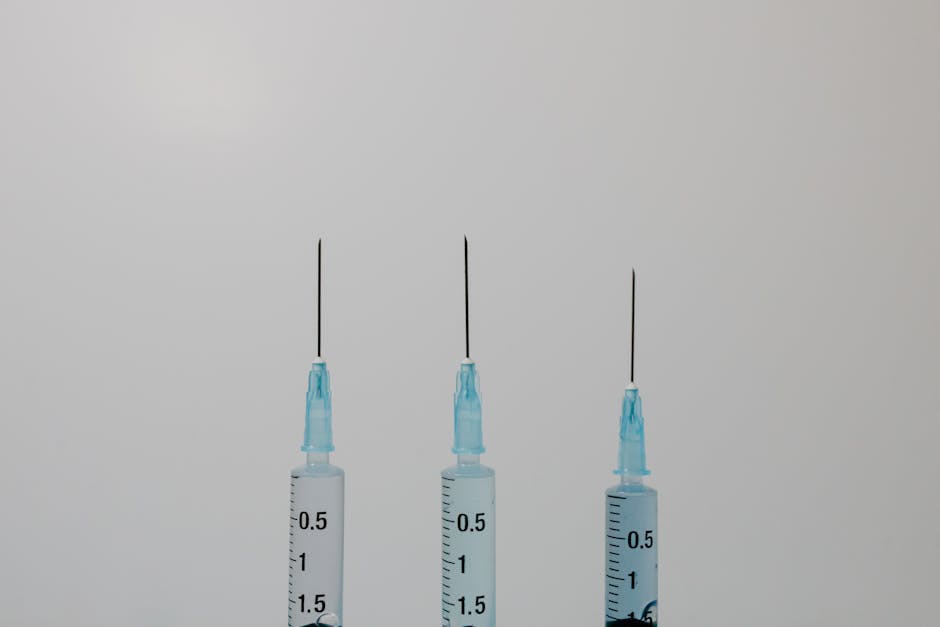
Once you've reconstituted, you need to convert your target dose to syringe units. Most 1 mL insulin syringes have 100 units marked on them. Here's the formula:
Syringe units = (Target dose in mcg ÷ Concentration in mcg per mL) × 100
Example: You want 300 mcg and your vial is 2 mg per mL (2,000 mcg per mL).
(300 ÷ 2,000) × 100 = 15 units on your syringe.
If your vial concentration is different, the math changes. A 10 mg vial reconstituted with 1 mL gives you 10 mg per mL (10,000 mcg per mL), which means your 300 mcg dose would be just 3 units. This is why calculators exist and why you should double-check your math before every injection.
Standard KPV Peptide Dosage Protocols
Most research protocols for KPV follow these general guidelines:
Related: Peptide Dosage Chart: Complete Guide for Athletes
Related: BPC-157 Peptide Dosage Chart: Complete Guide for Athletes
- Low-dose protocol: 200 mcg per injection, 1 time daily
- Standard protocol: 300 mcg per injection, 1 to 2 times daily
- Higher-dose protocol: 500 mcg per injection, 1 to 2 times daily
Frequency typically ranges from once daily to twice daily. Morning and evening injections are most common for the twice-daily approach. Your specific protocol depends on your research goals, tolerability, and what your reference documents recommend.
Cycle length varies. Some protocols run 4 to 8 weeks continuously, while others use on-off cycles. Check your protocol documentation for the exact duration recommendation. Consistency matters more than chasing higher doses, especially early on.
Injection Route and Administration Timing

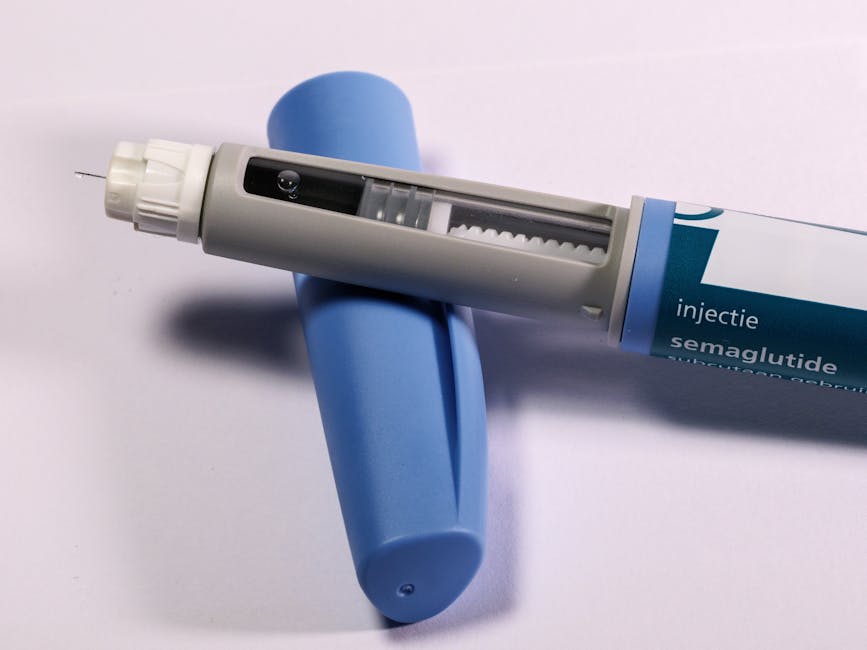
KPV is administered via subcutaneous or intramuscular injection. Most athletes prefer subcutaneous (under the skin) for convenience. Injection sites rotate to avoid tissue damage: abdomen, thigh, or upper arm are standard choices.
Timing isn't fixed, but many protocols suggest injecting at the same time each day to maintain steady levels. If you're doing twice daily, morning and evening work well. Some athletes pin before training for performance goals; others prefer post-training or bedtime. Your specific timing should align with your protocol's intent.
Storage matters after reconstitution. Reconstituted KPV should be stored in the refrigerator (2-8°C) and typically remains viable for a specific window outlined by your supplier. Never leave reconstituted peptide at room temperature longer than necessary.
Building Your Personal Dosage Chart
The best KPV peptide dosage chart is one tailored to your vial size and target dose. Here's how to build one:
- Decide your vial size (5 mg or 10 mL)
- Choose your reconstitution volume to get a usable concentration
- Determine your target dose per injection (200, 300, or 500 mcg)
- Calculate syringe units using the formula above
- Write down your injection frequency (once or twice daily)
- Set a cycle duration based on your protocol
For most athletes, a simple spreadsheet or notes app works fine. Write down the date, time, dose in units, injection site, and any observations. This documentation helps you track consistency and adjust if needed.
If math isn't your thing, dosage calculators are available online. Input your vial size, reconstitution volume, and target dose, and the calculator spits out your syringe units. That removes the guesswork and keeps you honest about your actual injection volume.
Common Mistakes That Tank Your Protocol
First mistake: skipping reconstitution documentation. You reconstitute, forget the exact volume of water you used, and now you don't know your concentration. Don't be that person. Write it down immediately.
Second mistake: confusing milligrams and micrograms. 1 mg equals 1,000 mcg. A dosage chart written in milligrams looks way different than one in micrograms. Stick to one unit and convert everything to that before you start pinning.
Third mistake: assuming all protocols are the same. KPV dosage can vary wildly based on research intent. Inflammation response differs from skin health differs from athletic recovery. Your protocol should match your goal, not just copy someone else's numbers.
Fourth mistake: inconsistent injection timing or skipped doses. KPV works best with consistency. Jumping around your timing or missing injections breaks the chain of steady-state levels in your system. Pick a schedule and stick to it for the full cycle.
If you're unsure about your protocol's exact specifications, resources like peptide therapy protocols can help clarify the science behind dosing decisions.
Adjusting Dosage Based on Response
Your starting dose doesn't have to be your final dose. Most protocols allow for adjustment based on how you respond. If you start at 200 mcg daily and feel good with no issues, you might move to 300 mcg after a week or two. The opposite is true if you experience side effects: drop the dose and reassess.
Adjustments should be methodical, not reactive. Make one change at a time: either increase frequency or increase per-injection dose, not both simultaneously. That way you know what caused the effect you're tracking.
Your personal tolerance matters. Genetics, body composition, concurrent training stress, and sleep quality all influence how you respond to peptide dosing. What works for a 185-pound athlete might not work at 220 pounds. Your chart should reflect your individual variables, not just generic protocol templates.
Tracking Your Protocol Long-Term
Serious athletes keep detailed records. Log your injection date, time, syringe units (or mcg), injection site, and any subjective feelings or performance metrics you're tracking. Over a 4 to 8 week cycle, patterns emerge. You'll notice which timing works best for you, whether your dose is optimal, and whether the protocol is actually addressing your goal.
Reconstituted vials have a shelf life. Track when you mixed each vial and mark the expiration date clearly. Using old reconstituted peptide defeats the purpose and wastes money. Replace vials as needed and keep only what you'll use in the active window.
If you're planning multiple cycles, reference your previous chart. Did you run 300 mcg twice daily and get results? Start there next time instead of guessing. Data beats intuition in peptide protocols every single time.
What's the safest starting dose for KPV?
Most athletes start with 200 mcg once daily, then increase to 300 mcg after 3 to 5 days if they tolerate it well. Starting low lets you assess your individual response without overcommitting. Once daily also simplifies the protocol until you're confident with injections and reconstitution.
Can I mix different reconstitution volumes in the same vial?
No. Reconstitute the entire vial with one specific volume to create a consistent concentration. If you reconstitute 5 mL of water with a 5 mg vial and later add 2 mL more, you've changed the concentration and destroyed your dosage math. Reconstitute once, use that concentration for the entire vial's lifespan.
How often should I change injection sites?
Rotate sites every injection or every other injection. Repeated injections in the same spot cause lipohypertrophy (tissue buildup) and can reduce absorption. Use your abdomen, thighs, and upper arms in rotation. A simple four-site rotation prevents this issue entirely.
Does injection speed affect how KPV works?
Slow, steady injections are better than fast ones. Pushing the plunger too quickly can cause irritation and localized inflammation. Inject over 3 to 5 seconds for subcutaneous shots. It takes an extra 2 seconds and reduces discomfort significantly.