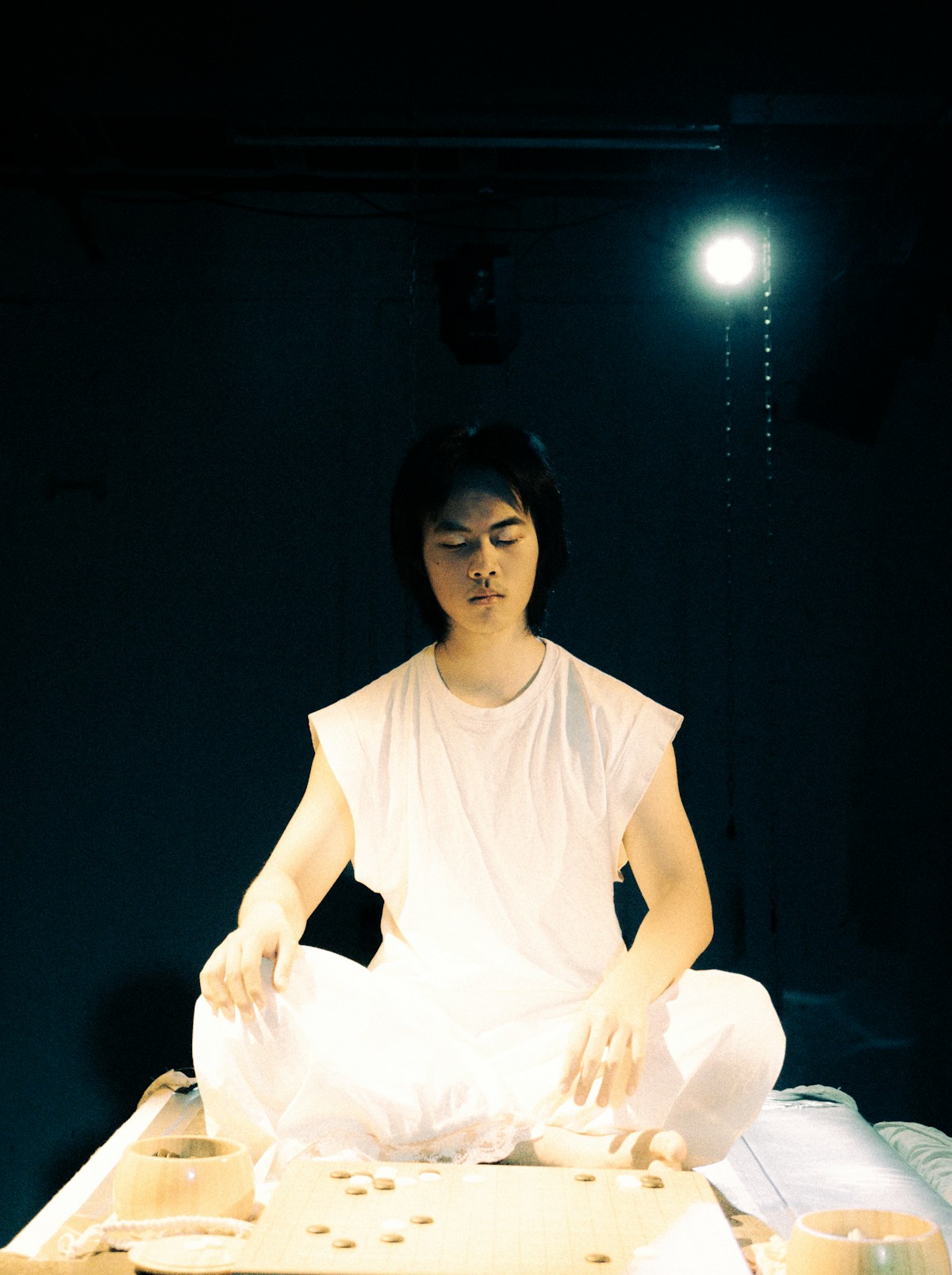
The Inner Art of the Shinobi
When most people think of ninjas, they imagine black-clad assassins scaling walls and throwing shuriken. But the historical shinobi of feudal Japan practiced a rich tradition of spiritual and mental training that was considered just as important as their physical and tactical skills.
Quick Answer: Historical ninja (shinobi) practiced spiritual disciplines including kuji-in (nine hand seals), meditation, visualization, Shugendo mountain asceticism, and esoteric Buddhist practices. These spiritual arts developed mental clarity, emotional control, heightened awareness, and the psychological resilience needed for covert operations.
Key Takeaways
- Ninja spiritual practices drew from Shugendo, esoteric Buddhism, and Shinto
- Kuji-in (nine syllable seals) was practiced for focus, courage, and spiritual protection
- Meditation and visualization were core training methods
- Spiritual practice was considered inseparable from martial training
- Modern practitioners can apply these concepts for mental performance and resilience
The Spiritual Traditions Behind Ninjutsu
Shugendo (Mountain Asceticism)
Many ninja clans, particularly in the Iga and Koga regions, had deep connections to Shugendo — a syncretic Japanese practice that combines Buddhism, Shinto, and Taoism through rigorous mountain training. Shugendo practitioners (yamabushi) endured extreme physical hardships — waterfall meditation, prolonged fasting, mountain pilgrimages — to forge spiritual resilience and develop supernatural awareness.The ninja adopted these practices to build psychological hardiness and environmental awareness. The mountains became their training ground for both body and spirit.
Mikkyo (Esoteric Buddhism)
Mikkyo practices — including mantra recitation, mudra (hand seals), and mandala visualization — were integrated into ninja training. These esoteric practices were believed to unlock heightened states of awareness, intuition, and mental power.Kuji-In: The Nine Syllable Seals
The most iconic spiritual practice associated with the ninja is kuji-in — nine specific hand positions, each paired with a mantra and visualization:
In practice, the ninja would perform these seals before a mission to center the mind, build courage, and enter a focused state. Modern practitioners use kuji-in as a meditation and focusing tool.
Meditation Practices
Zazen (Seated Meditation)
Still, silent meditation for developing mental clarity and equanimity. The ninja needed clear thinking under extreme pressure — zazen built the foundation for calm decision-making.Moving Meditation
Slow, deliberate movement practices (similar to tai chi) that cultivated body awareness, energy flow, and the ability to move silently and naturally.Visualization
Detailed mental rehearsal of missions, techniques, and scenarios. This is functionally identical to the guided visualization used by modern elite performers.Modern Application
You do not need to scale castle walls to benefit from ninja spiritual practices:
- Morning kuji-in practice — Use the nine seals as a focusing ritual before your day
- Meditation — Even 10 minutes of seated meditation builds the mental clarity the ninja cultivated
- Nature immersion — Spend time in forests, mountains, or near water to develop environmental awareness
- Visualization — Mentally rehearse your challenges before facing them
The Bottom Line
The ninja were not just fighters and spies — they were practitioners of deep spiritual traditions that gave them psychological advantages in the most dangerous situations imaginable. The inner arts of meditation, energy cultivation, and spiritual practice were the invisible weapons that made everything else possible. These practices remain powerful tools for anyone seeking mental clarity, resilience, and focus.