More Than You Think
There are over 190 distinct martial arts practiced worldwide, spanning every inhabited continent. But that number only tells part of the story. Within each major style, dozens of sub-styles exist — Karate alone has over 75 recognized styles (Shotokan, Goju-Ryu, Kyokushin, Wado-Ryu, and counting).
Martial arts aren't just fighting systems. They're cultural artifacts, philosophical traditions, and physical disciplines that have shaped civilizations for thousands of years. From the striking arts of Southeast Asia to the grappling traditions of Central Asia, from the weapon forms of feudal Japan to the hybrid systems of modern MMA — the diversity is staggering.
This guide breaks down every major category, highlights the most significant styles, and helps you understand which martial art might align with your training goals — whether that's self-defense, competition, fitness, or building a warrior mindset.
The 6 Major Categories
Every martial art falls into one (or more) of these fundamental categories. Understanding the categories helps you choose the right art for your goals.
Punches, kicks, elbows, knees. Boxing, Muay Thai, Karate, Taekwondo, Kickboxing. The largest category — training the body to deliver force at range.
Takedowns, throws, joint locks, chokes. Wrestling, Judo, BJJ, Sambo. The art of controlling an opponent through body mechanics and leverage.
Sword, staff, knife, spear. Kendo, Eskrima, Fencing, HEMA. Training with implements that extend the body's reach and lethality.
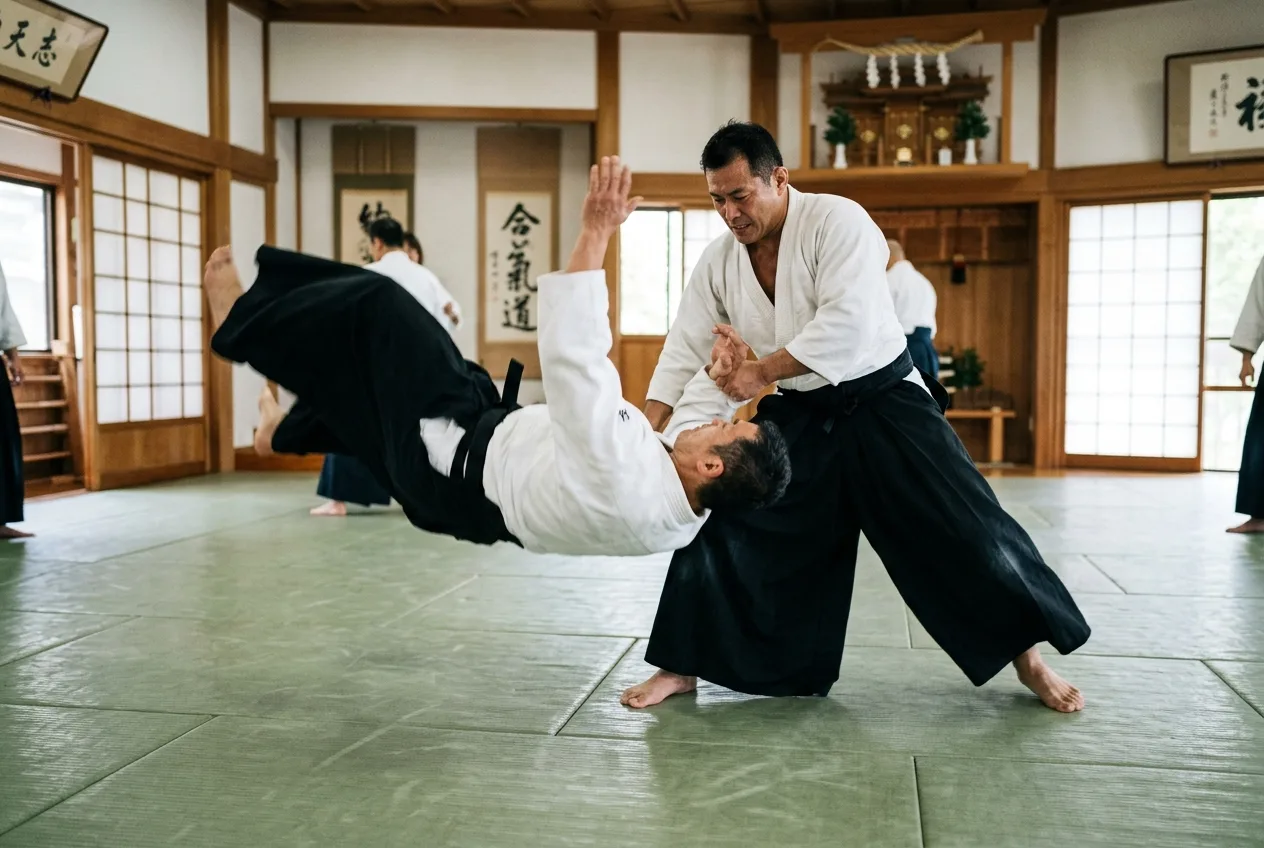
Energy flow, breath, alignment. Tai Chi, Aikido, Baguazhang. Emphasize redirection, balance, and internal power over brute force.
Combining striking + grappling + clinch. MMA, Krav Maga, Jeet Kune Do, Combat Sambo. The modern evolution — taking what works from every tradition.
Kata, poomsae, choreographed sequences. Wushu, many Kung Fu styles. Preserve technique, history, and artistry through practiced movement patterns.
The World's Most Practiced Martial Arts
These are the martial arts with the largest global followings — each with millions of practitioners and deep competitive ecosystems.
Uses fists, elbows, knees, and shins. Considered the most effective striking art for real-world application and MMA. The national sport of Thailand with over 100,000 active fighters. Clinch work and devastating low kicks set it apart from other striking arts.
Pure hand striking with the highest level of footwork, head movement, and punch mechanics in any martial art. The most-watched combat sport globally. Boxing fundamentals are essential for any serious striker — even MMA fighters prioritize boxing training.
The most practiced martial art worldwide (over 100 million practitioners). Ranges from point-fighting (WKF) to full-contact (Kyokushin). Emphasizes kata (forms), kumite (sparring), and kihon (basics). Olympic sport since Tokyo 2020.
Known for spectacular spinning and jumping kicks. One of only two Asian martial arts in the Olympics (with Judo). Over 80 million practitioners in 210 countries. Develops extraordinary flexibility and explosive leg power.
Ground fighting focused on submissions (chokes, joint locks). The most technically deep grappling art — a smaller person can defeat a larger opponent through leverage and technique. Transformed MMA and self-defense forever. Belt system from white to black (typically 10-15 years).
Olympic throwing art. Explosive hip throws, sweeps, and pins. Founded by Jigoro Kano in 1882 as a modernization of classical jujutsu. Over 40 million practitioners. The competitive intensity of judo randori (sparring) builds incredible fitness and mental toughness.
Documented for over 5,000 years. Freestyle and Greco-Roman are Olympic disciplines. The single most dominant base for MMA success — more UFC champions came from wrestling than any other martial art. Develops unmatched explosive power and mental grit.
Combines striking, grappling, and clinch fighting under unified rules. The UFC popularized MMA globally since 1993. Modern MMA fighters typically train Boxing + Muay Thai + Wrestling + BJJ. The closest thing to real combat testing in a regulated environment.
Developed for the Israeli Defense Forces. Focuses on real-world threat neutralization — disarming weapons, multiple attackers, ground survival. No sport competition. Prioritizes aggression, simplicity, and escaping danger. Controversial among traditional martial artists but highly practical.
Bruce Lee's concept of martial arts without fixed patterns. "Absorb what is useful, discard what is useless." Not a style but a philosophy of combat — adapt to each situation using the most efficient techniques available. The intellectual precursor to modern MMA.
Japanese fencing with bamboo swords (shinai) and full armor (bogu). Descended from samurai swordsmanship. Over 6 million practitioners. Develops explosive forward commitment and an indomitable spirit (ki-ken-tai-ichi — spirit, sword, and body as one).
Filipino weapons art using rattan sticks, blades, and empty hands. Unique for training weapons FIRST, empty-hand second. Highly practical for real-world edged weapon defense. Recognized as the national sport and martial art of the Philippines.
Slow, flowing movements that develop balance, coordination, and internal energy. Over 300 million practitioners worldwide — the most practiced martial art for health. Originally a lethal combat system (Chen style push hands is surprisingly aggressive). Proven benefits for balance, stress reduction, and cognitive health in elderly populations.
A martial art is not about fighting. It's about building character, discipline, and the kind of quiet confidence that doesn't need to prove anything.
— The Martial Arts PhilosophyMartial Arts by Origin
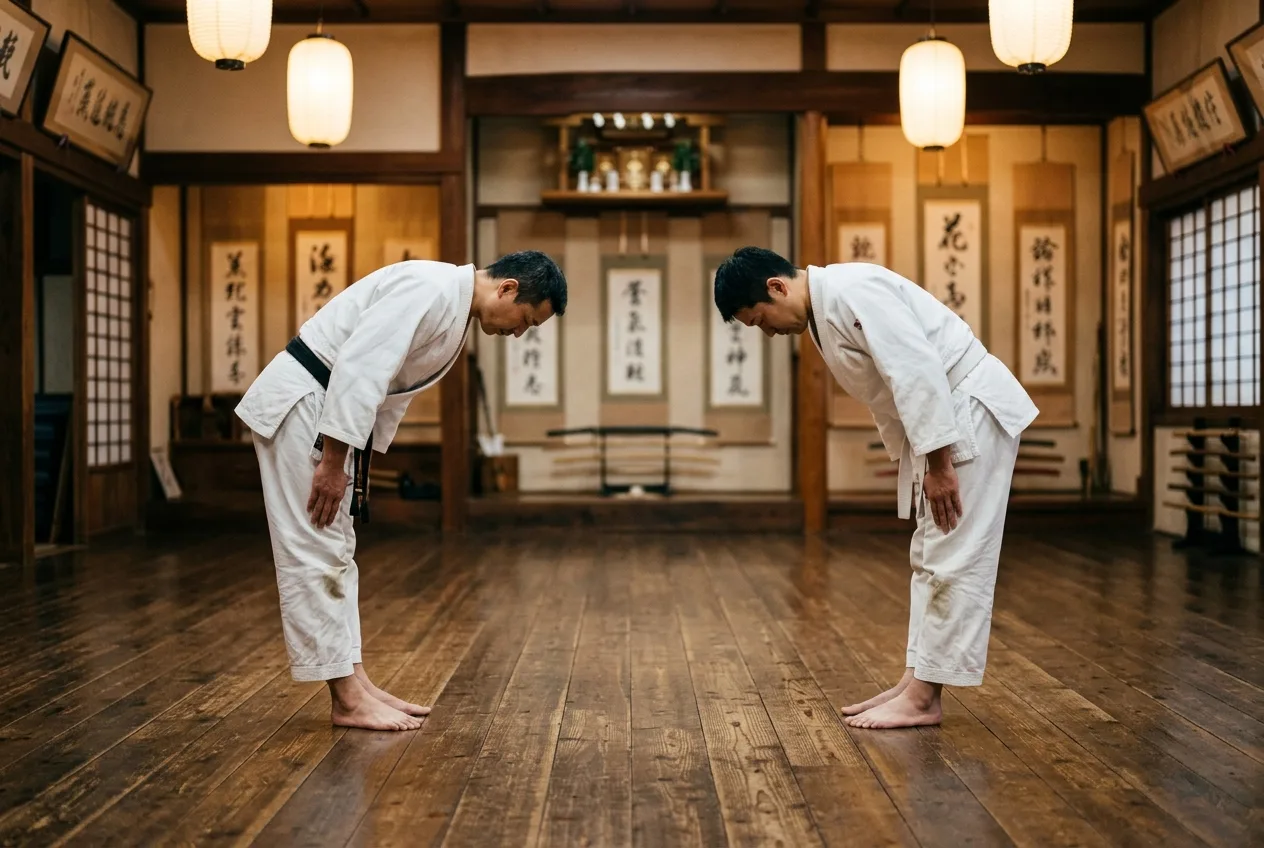
The most systematized martial arts traditions. Japan formalized belt ranking, kata, and dojo culture. The ninja arts (ninjutsu) emphasize stealth, strategy, and unconventional warfare.
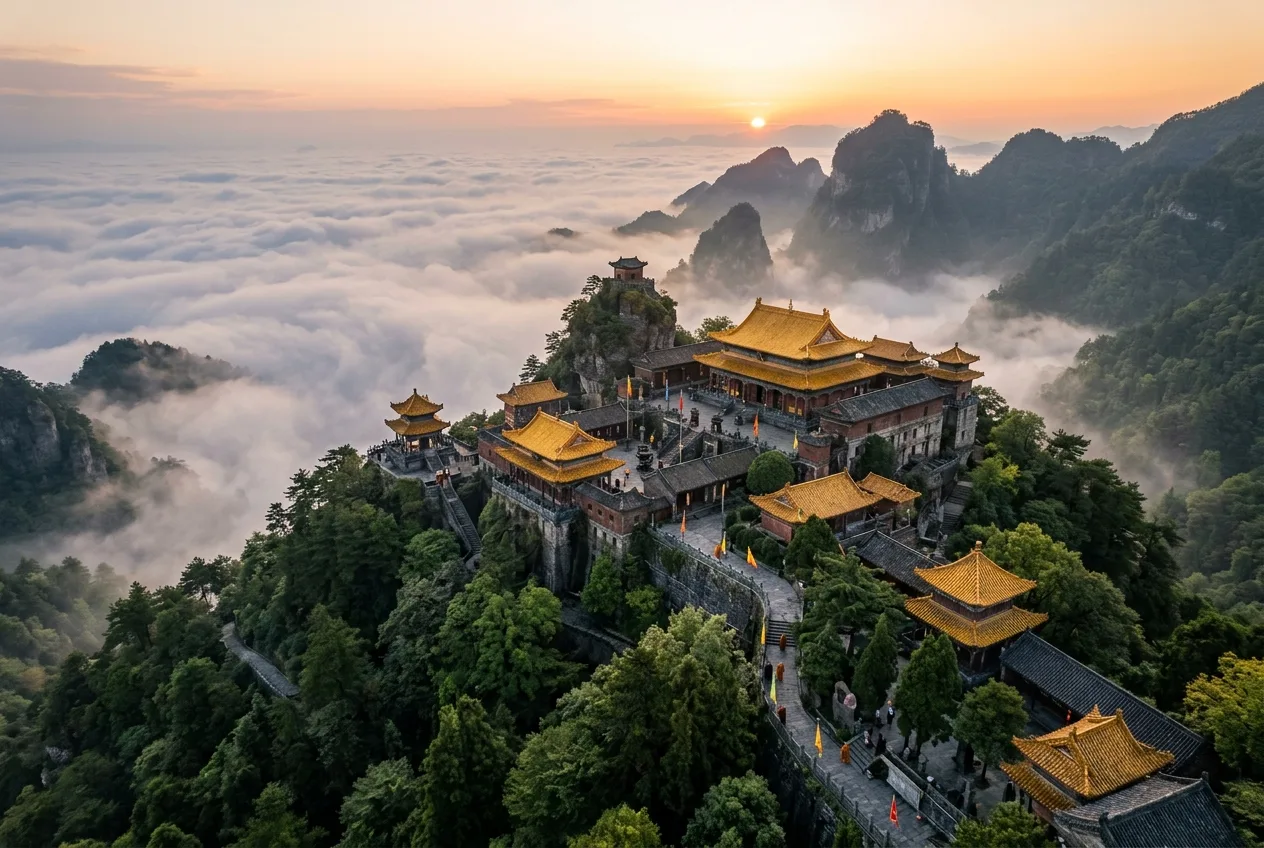
The oldest documented martial arts traditions. Hundreds of styles divided into Northern (kicks, acrobatics) and Southern (hand techniques, low stances). Wudang mountain traditions emphasize internal power.
Known for spectacular kicking techniques. Taekwondo is practiced in 210 countries. Hapkido combines strikes, throws, and joint locks in a comprehensive self-defense system.
Some of the most combat-effective arts. Muay Thai is the gold standard for striking. Lethwei (Burmese boxing) allows headbutts. Pencak Silat is practiced by over 14 million people across Indonesia and Malaysia.
BJJ revolutionized ground fighting globally. Capoeira blends martial arts with dance and music — a cultural art form born from enslaved Africans. Vale Tudo ("anything goes") was the precursor to modern MMA.
Sambo (Combat and Sport) is the martial art of Russian special forces. Combines judo throws with wrestling and striking. Some of the most dominant MMA fighters (Khabib Nurmagomedov, Fedor Emelianenko) come from these traditions.
Common Questions
Train Like a Warrior
Every martial art teaches the same core lesson: discipline beats talent when talent doesn't work hard.
Start Training Like a Ninja