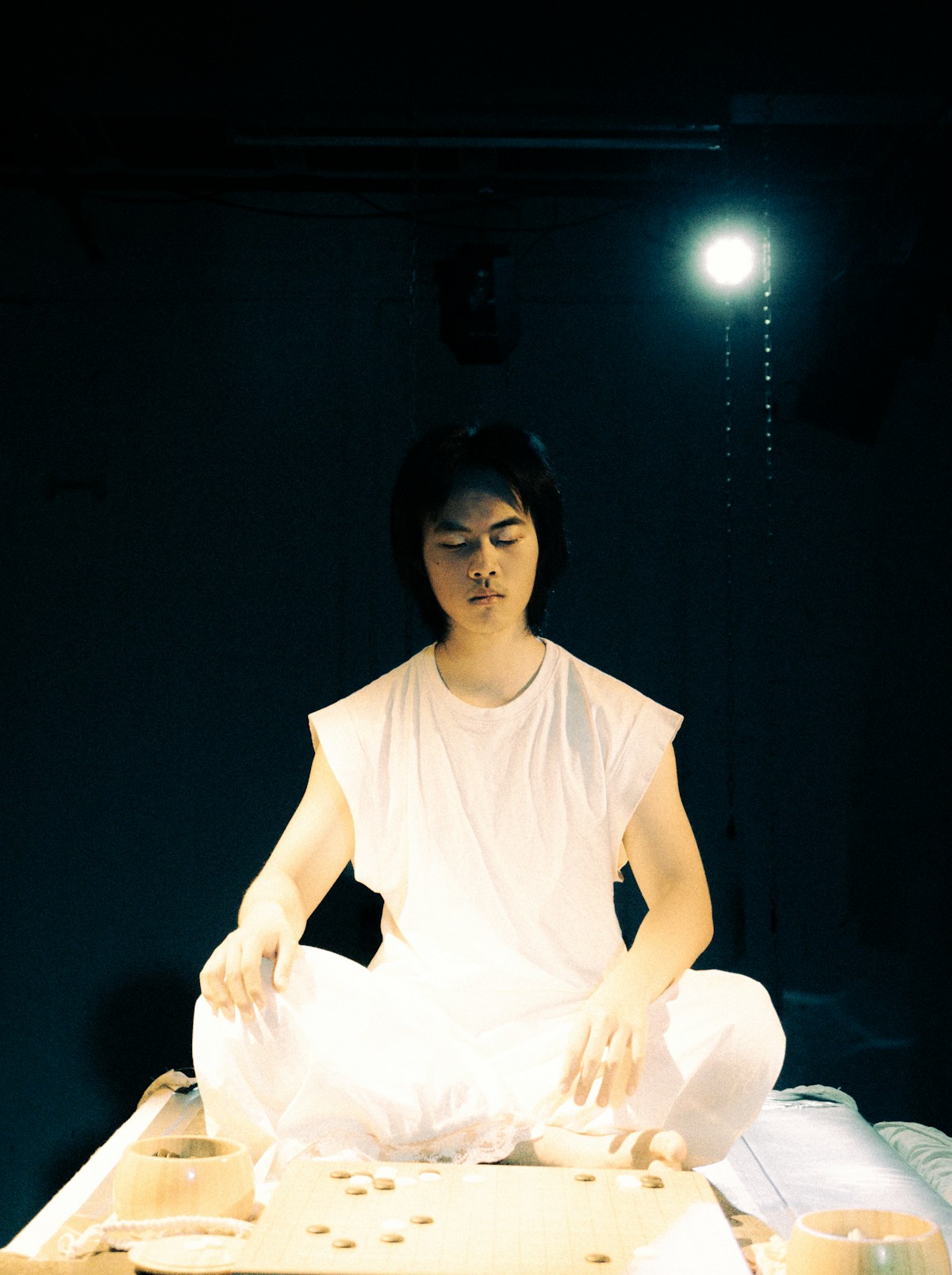
Training Your Brain to Win
Guided visualization — also called mental imagery, mental rehearsal, or guided imagery — is the practice of creating vivid, detailed mental simulations of desired outcomes. When done correctly, your brain cannot fully distinguish between a vividly imagined experience and a real one.
Quick Answer: Guided visualization is a mental training technique that uses detailed sensory imagery to rehearse desired outcomes. It activates 80-90% of the same neural pathways as physical execution. Elite athletes, military special operators, and surgeons use it to enhance performance, build confidence, and prepare for high-pressure situations.
Key Takeaways
- Visualization activates the same neural pathways as physical practice
- Multi-sensory imagery (sight, sound, touch, emotion) is most effective
- Daily 5-15 minute practice produces measurable performance improvements
- Used by Olympic athletes, Navy SEALs, and elite performers across domains
- Process visualization (rehearsing the steps) outperforms outcome visualization (imagining the result)
The Neuroscience
When you vividly imagine performing an action — throwing a ball, executing a deadlift, delivering a presentation — your brain activates the same motor cortex regions, neural pathways, and muscle activation patterns as actual performance. This phenomenon, called functional equivalence, means visualization is literally practice for your nervous system.
Brain imaging studies show that mental imagery activates:
- Motor cortex — movement planning and execution
- Premotor cortex — action preparation
- Cerebellum — coordination and timing
- Limbic system — emotional preparation
How to Practice Guided Visualization
Step 1: Relax
Find a quiet space. Close your eyes. Take 5-10 deep breaths to calm your nervous system. Progressive muscle relaxation (tense and release each muscle group) helps deepen the state.Step 2: Set the Scene
Imagine the environment in vivid detail. The gym, the race course, the stage. See the lighting, hear the sounds, feel the temperature. The more sensory detail, the more powerful the neural activation.Step 3: Rehearse the Process
Visualize yourself performing the action step by step. Feel the barbell in your hands. See your form. Feel the muscles contract. Move through the entire sequence at real-time speed.Step 4: Include Emotion
Feel the confidence, focus, and determination. Emotional engagement strengthens the neural encoding. Imagine the satisfaction of successful execution.Step 5: Rehearse Adversity
Include mental rehearsal of challenges and your response to them. What if something goes wrong? Visualize yourself adapting, staying calm, and overcoming. This builds resilience.The Bottom Line
Guided visualization is not wishful thinking — it is evidence-based neural training. The same technique that helps Olympic athletes win gold medals can help you PR your deadlift, nail a presentation, or build the confidence to pursue your goals. Five minutes a day. Eyes closed. Full sensory detail. The brain cannot tell the difference.