How to Train Like an Athlete
A comprehensive guide to structured training, periodization, and the daily habits that separate athletes from casual gym-goers.
The 4 Pillars of Athletic Training
Progressive overload with planned intensity, volume, and complexity increases.
Training divided into phases: strength, power, competition peaking.
Compound lifts, core stability, flexibility, and balance work.
Balanced macros, sleep priority, active recovery protocols.
Interactive Weekly Training Plan
Click a day to see the full workout breakdown.
Monday
Upper Strength
- 1Bench Press 4x6
- 2Barbell Row 4x6
- 3OHP 3x8
- 4Pull-ups 3xMax
- 5Face Pulls 3x15
Train at Home Like an Athlete
You don't need a fancy gym. With some creativity and the right resources, you can create a challenging and effective workout environment at home.
Equipment Checklist
Home Workout Ideas
- - Bodyweight: Push-ups, squats, lunges, planks, burpees
- - Outdoor: Parks, stairs, and hills for conditioning
- - Circuits: 30-sec work / 15-sec rest, 4-5 exercises, 4 rounds
The Athlete's Daily Routine
A structured day optimized for performance and recovery.
Morning Training
Strength or conditioning session
Nutrition
High-protein breakfast, hydration
Midday Fuel
Balanced macro meal, supplements
Active Recovery
Foam rolling, stretching, mobility
Evening Training
Sport-specific drills or skill work
Mental Prep & Sleep
Visualization, 8+ hours sleep
Athlete Nutrition Breakdown
Hydration
Drink at least half your body weight (lbs) in ounces of water daily. Add electrolytes during and after training sessions.
Frequently Asked Questions
Continue Reading
The Ammortal Chamber
Stack PEMF, red light, hydrogen therapy & 7 more modalities in one session.
The Wolverine Complex
The synergistic peptide stack for tissue repair and accelerated recovery.
HYROX Training Guide
Station breakdowns, weekly plans, pacing strategy & race-day nutrition.
TRAIN FOR YOUR NEXT RACE
Put the plan into practice.
Explore CENTR x HYROX equipment for your training space, from sleds and ropes to kettlebells and wall balls.
Shop CENTR equipment →Affiliate offer: NinjAthlete may earn a commission from purchases through this link.
YOUR POST-TRAINING ROUTINE
Make room for recovery.
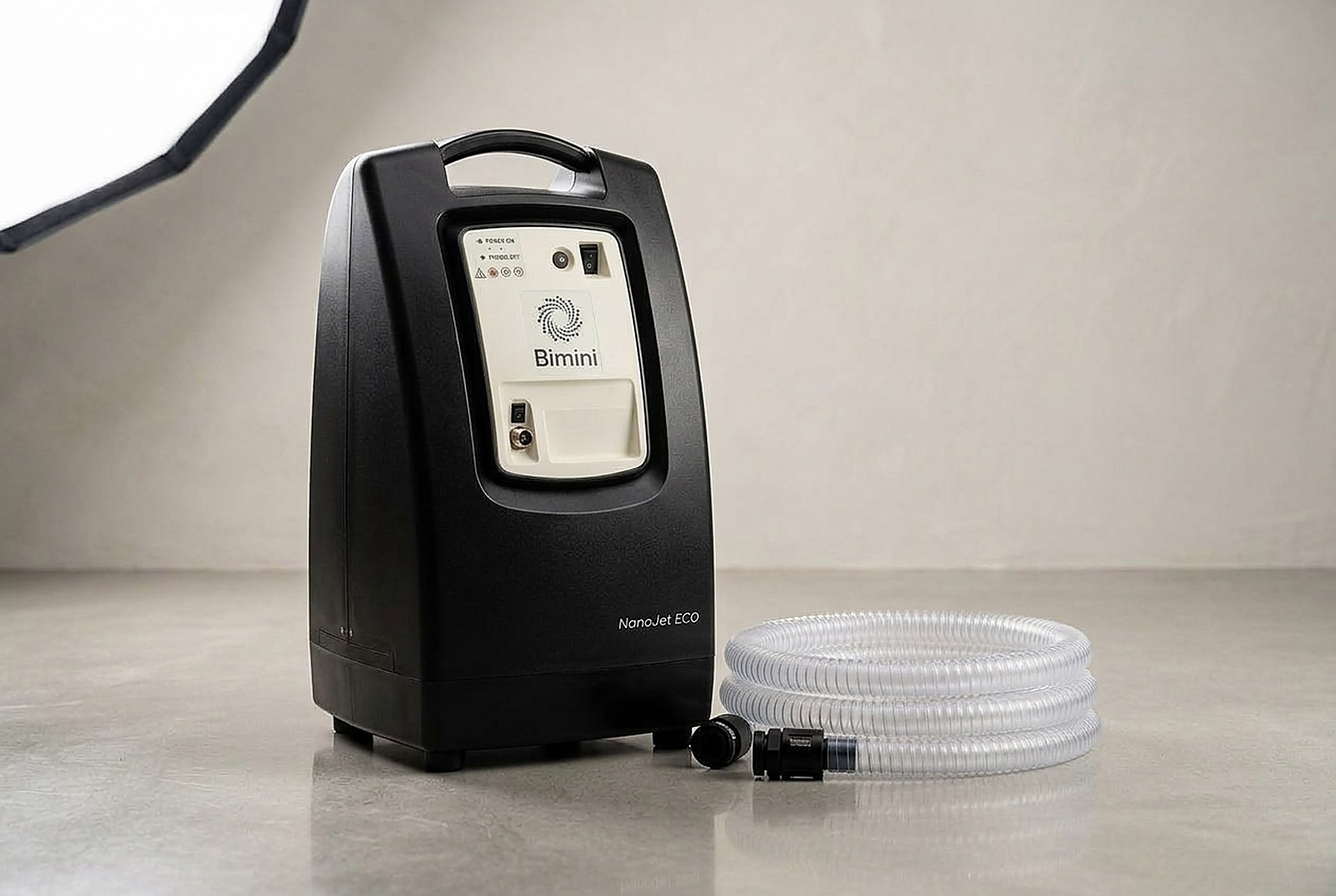
Get to know Bimini’s warm-water nanobubble system. Compare home options and see how the setup fits your routine.
Bimini NanoJet® Eco
$9,650.00$8,685.00
With NINJA • Before shipping and tax. Final offer confirmed by Bimini.
Partner offer: Daniel Rivas, NinjAthlete’s founder, is Bimini’s marketing director. NinjAthlete may earn a commission from purchases through these links.
AI Picks For You
AI Curated


Recommended Reading
 Fitness
The Best Gyms in Texas: Your Ultimate Guide to Fitness in the Lone Star State
The definitive guide to Texas's best gyms — from Dallas's elite training facilities to Houston's powerlifting meccas, Austin's functional fitness scene, and San Antonio's military-grade training centers.
FitnessBest Gyms in Colorado: Your Ultimate Guide to Fitness in the Centennial State
The definitive guide to Colorado's best gyms — from Denver's elite training facilities to Boulder's climbing gyms, mountain-town CrossFit boxes, and everything in between.
 Fitness
What is a Gym Rat?
The term 'gym rat' has been thrown around in fitness circles for years, evoking images of dedicated individuals who spend hours in the gym, day after day.
 Fitness
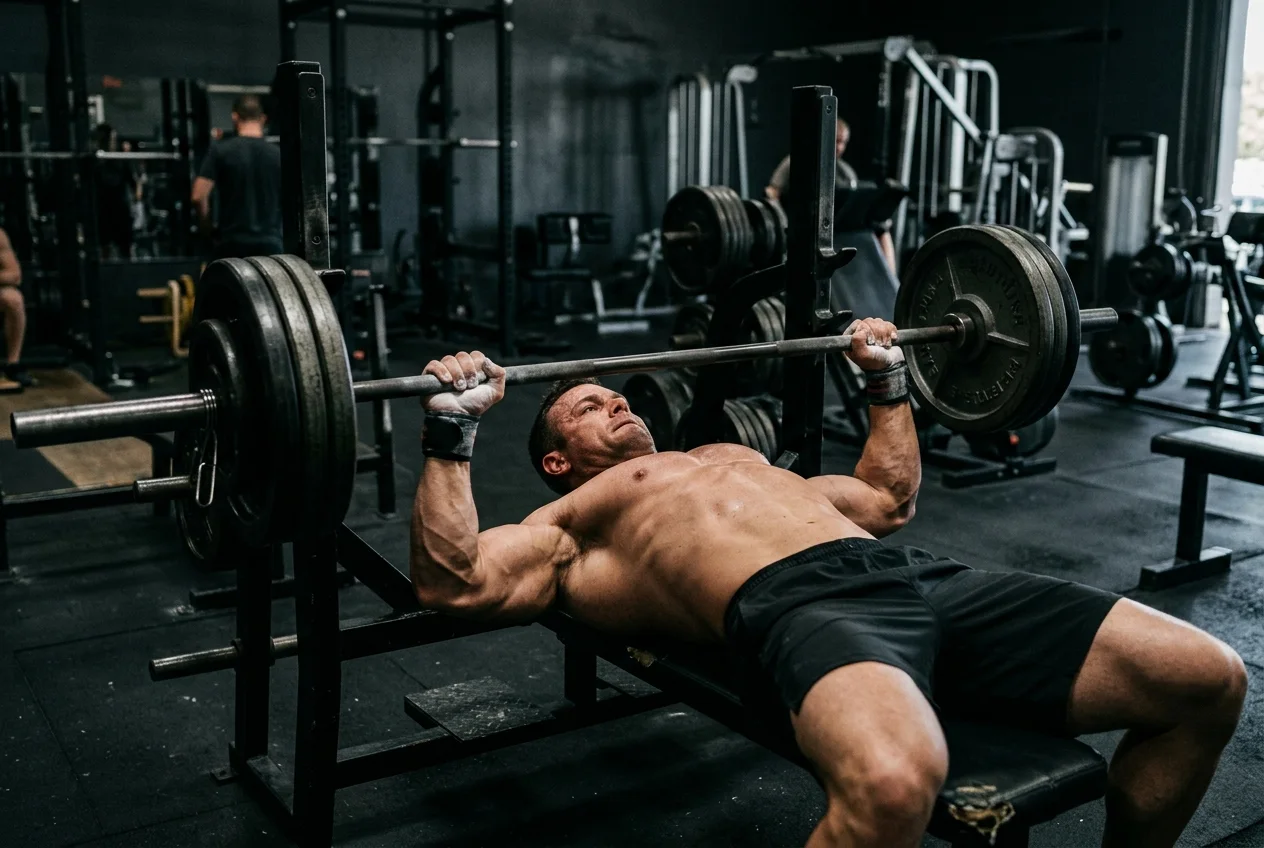
What Muscles Does the Bench Press Work?
The bench press works your chest, front shoulders, and triceps — plus a team of stabilizers. Here's how bench angle and grip width change which muscles do the work.
 Fitness
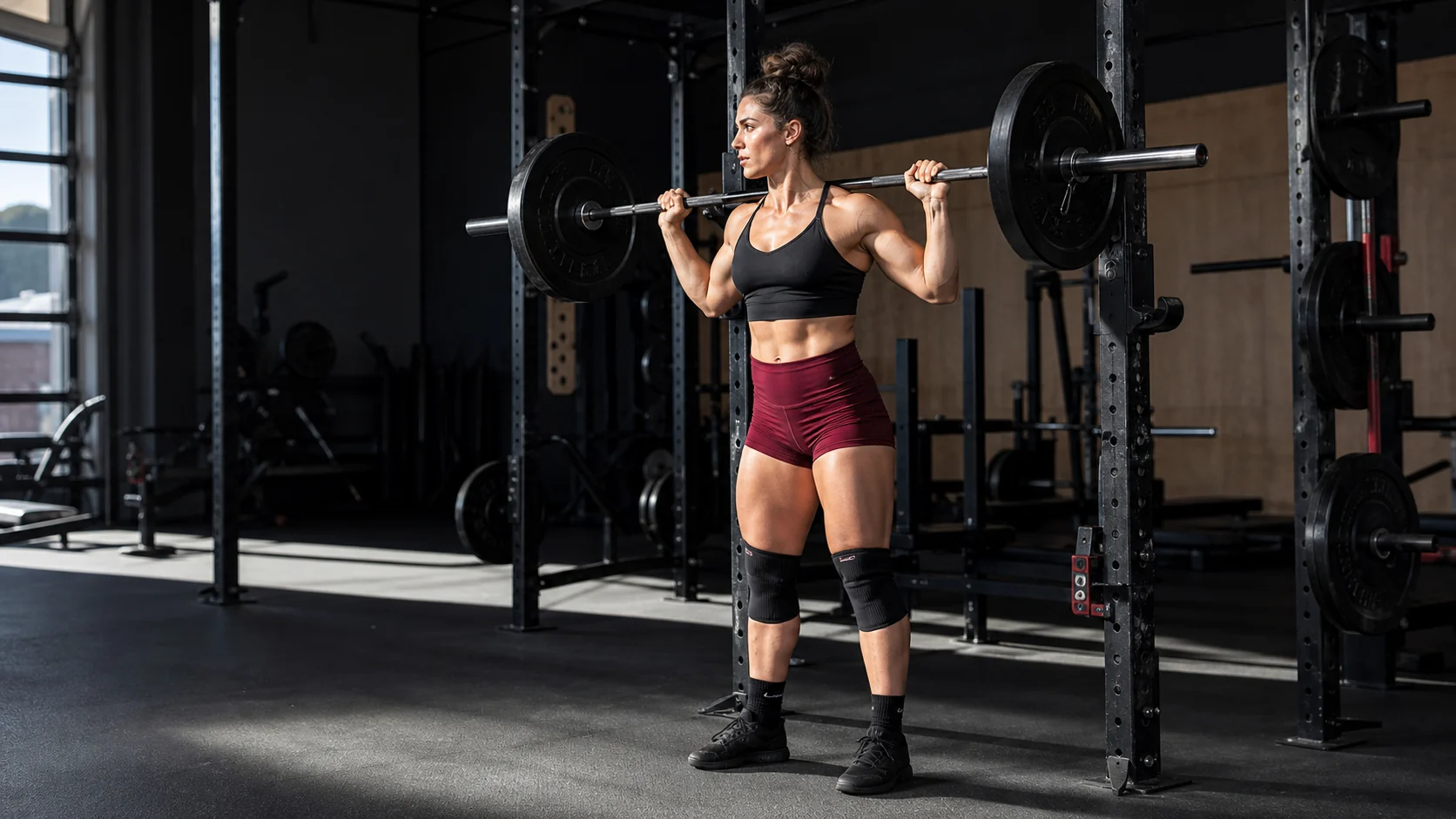
What Is a Muscle Mommy? Meaning, Trend & How to Become One
A muscle mommy is a strong, muscular woman who lifts weights — whether or not she is a mom. The meaning, the trend, the workout, and how to become one.
 Fitness
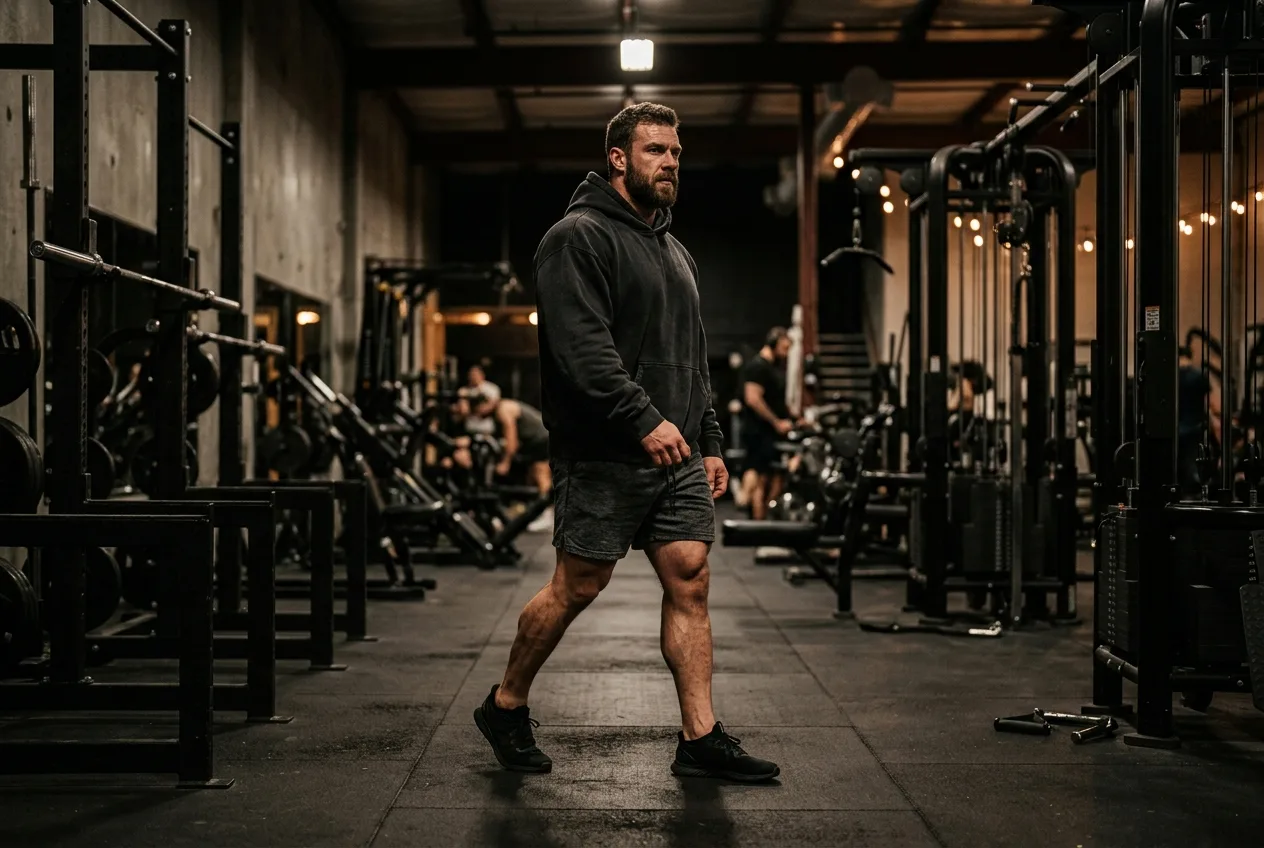
Why Do People Wear Pump Covers? The Gym Trend Explained
If you've been to the gym lately or scrolled through fitness social media, you've probably seen people wearing oversized hoodies or t-shirts—these are known as pump covers.