2026 Gym Recovery Economics Report
Plus the programming investment that beats every piece of recovery equipment on payback.
The executive scorecard
Every number assumes a 500-member facility, a +$15/month recovery tier at a 20% take rate, and 50% utilization where sold à la carte. Click a modality for its full card, or re-rank the table:
| # | Modality | Est. capex | Payback | Complexity | Evidence | Best model |
|---|---|---|---|---|---|---|
| 1 | HYROX Programming Programming · Bonus play | $130/mo + $2.5–5K gear | ~3 months | Low | Growth data | Class add-on tier ($99–150/mo) |
| 2 | Red Light Panels | ~$3,000 | ~3 months | Low | Moderate | Premium tier anchor |
| 3 | Compression Lounge | ~$8,000 | 4–6 months | Low | Moderate | Tier or $15/session |
| 4 | HydroMassage Lounge | $8K–$15K+ | 4–10 months | Low | Moderate | Premium tier anchor |
| 5 | Cold Plunge | $10K–$30K+ | 6–10 months | High | Moderate | Recovery tier |
| 6 | Commercial Sauna | $10K–$21K installed | ~9 months | Medium | Strongest | Tier or bookable sessions |
| 7 | Contrast Suite Highest-leverage build | ~$22,000 | ~8 months at half capacity | High | Strong components | Bookable $60–150/hr suite |
| 8 | Full-Body Red Light Bed | $15K–$85K | ~7 months (entry bed) | Low | Moderate | $40 per 20-min session |
| 9 | Float Pod | ~$18,000 | ~5 months if booked | Medium | Moderate | $79–95/session |
| 10 | Mild Hyperbaric (mHBOT) | $18K–$23K (FDA-cleared) | ~4 months on paper | Very high | Weak for recovery | $100–400/session |
| 11 | Halotherapy Salt Room | $50K–$200K true cost | Group throughput dependent | High | Weakest | $35 group sessions |
Hyrox went from 650 athletes to a projected 2 million in eight years. Cold plunges landed in 70 Life Time clubs in a single year. Planet Fitness just raised its price for the first time in three decades — and told everyone it's because of recovery.
This isn't a trend piece. It's a spreadsheet with a heartbeat.
There's a number in the fitness industry that most owners have made peace with, and shouldn't have.
66.4%.
That's the industry-average annual retention rate. One in three members walks every year. You replace them, you pay to acquire them, you onboard them, and a third of those leave too. It's a treadmill, and the industry has been running on it for twenty years.
Now here's the part that matters, and we're going to be careful with it — because most of what gets published about gym retention is laundered nonsense. The stats you've seen a hundred times ("80% cancel if they visit fewer than four times in month one," "6x more likely to quit after fourteen days") trace to nothing. We chased every one to a dead end of SEO blogs citing each other.
Here's what's actually real. In a peer-reviewed study of 5,209 fitness-center members tracked over three years, researchers ran the data through every machine-learning model they had to find what predicted cancellation. The winner wasn't spend. It wasn't tenure, or age, or how they were acquired.
It was days without a visit. Non-attendance was the single strongest predictor of who would leave.
And on the cost side, a nationally representative 2024 YouGov survey found 41% of people who quit a gym cited price — but 23% said they simply stopped having time to go, and 19% said they'd hit their goals and didn't need it anymore.
People don't cancel because a membership costs $30 a month. They cancel because they stopped showing up, and the price got easy to notice once the value stopped.
Your retention problem is a frequency problem. And frequency problems are solved by giving people reasons to walk through the door on days they weren't going to train.
That's what recovery is. Not a spa. Not an amenity. A frequency device with a P&L attached.
The market is telling you something loudly
Let's establish that this isn't a niche.
The global wellness economy hit $6.8 trillion in 2024, up 7.9% year over year, and is forecast to reach $9.8 trillion by 2029. The US alone accounts for $2.1 trillion of that. Inside those numbers, the recovery-adjacent sectors are the fastest movers: thermal and mineral springs grew 11.1% in a single year and are projected at 10% annually through 2029. Spas grew 14.6%.
Meanwhile the US gym industry is having its best year on record. 81 million Americans held a membership in 2025, up 5.2%. Total facility users crossed 100 million for the first time. Americans logged 7 billion gym visits — past the pre-pandemic peak. The average US location saw 184,000+ visits, up 4.2%, marking 19 consecutive quarters of visitation growth.
Americans are projected to spend $60 billion on health and fitness goals in 2026.
So the customers are here, they're showing up, and they're spending. The question isn't whether demand exists. The question is what you're selling them once they're inside.
The demographic nobody's serving well enough
Gen Z and Millennials are 36% of the US adult population but drive 41% of all wellness spending. Consumers 58 and older are 35% of the population and only 28% of spend.
Gen Z is now 46% of all new gym signups.
And they're not spending it the way previous generations did. 40% of Gen Z report feeling "almost always stressed," versus 23% of the general population. 84% of US consumers rate wellness a top or important priority. Up to 60% rate healthy aging as a top priority — that's the longevity conversation showing up in survey data.
Then there's the thing that should genuinely change how you think about your floor plan: running clubs grew 3.5x year over year on Strava. Over half of Strava users aged 16–26 planned to increase their usage in 2026 while a similar majority planned to cut their Instagram and TikTok time. CNBC, Eventbrite, and Men's Fitness have all documented the same shift — wellness venues are displacing bars as the Gen Z third place.
The sauna is competing with the bar. And winning.
That is a fundamentally different business than "a room with weights in it."
The proof point: what Planet Fitness just did
If you want one case study that settles the argument, it's this one.
Planet Fitness's Black Card tier costs $24.99/month, roughly 2.5x their base membership. The company has announced plans to take it to $29.99 after the 2026 peak-join season — that increase hasn't landed yet.
(A note, since this gets garbled everywhere: the famous "first price increase in nearly thirty years" story is about Planet Fitness's separate Classic tier, which sat at $10/month from 1998 until it moved to $15 in 2024. Not the Black Card. Getting that wrong is an easy way to lose an argument in the comments.)
Here's the number that actually matters: Black Card penetration hit 65.8% of total membership at the end of Q2 2025, up 340 basis points year over year.
Two-thirds of 20.8 million members pay the premium. And what's in that tier? HydroMassage beds. Massage chairs. Tanning. Guest privileges. Two of the cheapest, lowest-liability items on the entire recovery menu are carrying a tier that generates a meaningful share of $1.3 billion in annual revenue.
And what are they adding now, explicitly to justify the price increase? Dry cold plunge and red light therapy.
They're not alone:
- Life Time rolled cold plunges out to 70+ clubs, up from 20+, after an internal survey found 43%+ of respondents wanted to try or increase ice bath and cryo use.
- EōS Fitness launched "REFRESH" — in-ground 50°F plunge, 104°F hot tub, infrared sauna — gated behind its top membership tier.
- VASA bundles HydroMassage and massage chairs into its $26.99 and $44.99 tiers, but not its $14.99 Basic tier. That's the whole strategy in one pricing table.
- Crunch puts HydroMassage on "Peak Results." Their Signature clubs run $75–130+/month.
- Equinox sells a longevity program called Optimize at $3,000/month, six-month minimum. Forty thousand dollars a year.
Every price tier in the industry — from $15 budget to $3,000 luxury — is using recovery to build a paid tier above their base.
The part where we tell you the truth
Before we get to numbers, something that matters more than any of them.
There is no peer-reviewed study proving recovery amenities cause retention lift. Not one.
Every "gyms with recovery see 30% higher retention" statistic circulating in this industry traces back to a vendor blog, a franchisor's marketing page, or an unnamed single facility. We went looking. It isn't there.
The business case is real — it's built on take-rate data, revenue math, documented case studies, and the frequency-retention link that is well established. But if someone hands you a retention percentage attributed to a cold plunge, they're selling you a tub.
The same honesty applies to the science, and this is where it gets interesting, because telling the truth about these modalities is a competitive advantage.
Sauna: the strongest evidence in the category
The Kuopio Ischaemic Heart Disease Risk Factor cohort out of Finland is the real deal. Laukkanen et al., published in JAMA Internal Medicine in 2015: 2,315 middle-aged men, 20.7-year median follow-up. Men taking 4–7 sauna sessions per week versus one had a sudden cardiac death hazard ratio of 0.37 — with a clear dose-response on both frequency and session length. A 2018 follow-up in BMC Medicine with 1,688 participants (51% women) found cardiovascular mortality HR of 0.23 at 4–7 sessions/week. Adding sauna frequency actually improved standard cardiovascular risk prediction models.
The caveats matter: these are Finnish cohorts using traditional Finnish sauna, not infrared. They're observational, so healthy-user confounding is live. And a 2023 paper from the same group found the protective effect is attenuated in men with frankly elevated systolic blood pressure — sauna offsets high-normal BP risk, but it is not a substitute for blood pressure control.
Still: this is the best evidence base of anything on this list, by a wide margin.
Cold plunge: real benefits, and one caveat you should post on the wall
For soreness, a 99-study meta-analysis found cold water immersion, contrast therapy, and active recovery all reduced DOMS. (Interesting footnote: massage was the single most effective modality studied.)
But two independent randomized controlled trials found something the marketing never mentions.
Roberts et al., 2015, Journal of Physiology: 21 men, 12-week strength program, cold water immersion versus active recovery after every session. Strength and muscle mass increased more in the active recovery group. Type II fiber cross-sectional area went up 17% and myonuclei per fiber 26% in active recovery — not in the cold group. Satellite cell activation and p70S6K signaling were both blunted. The authors' words: "the use of CWI as a regular post-exercise recovery strategy should be reconsidered."
Fyfe et al., 2019, Journal of Applied Physiology: 16 men, 7 weeks, 10°C for 15 minutes. Cold immersion attenuated type II fiber hypertrophy with an effect size of −1.37 and blunted mTORC1 signaling. Their conclusion: "post-exercise CWI should be avoided if muscle hypertrophy is desired."
Here's why this is an opportunity, not a problem. Post a sign. Train your staff. "Plunge on rest days, after cardio, or six-plus hours after lifting — not right after a hypertrophy session."
Your competitors will not say this. The members who train seriously will notice that you did. That single sign buys more trust than any campaign you could run.
The ones with weak evidence
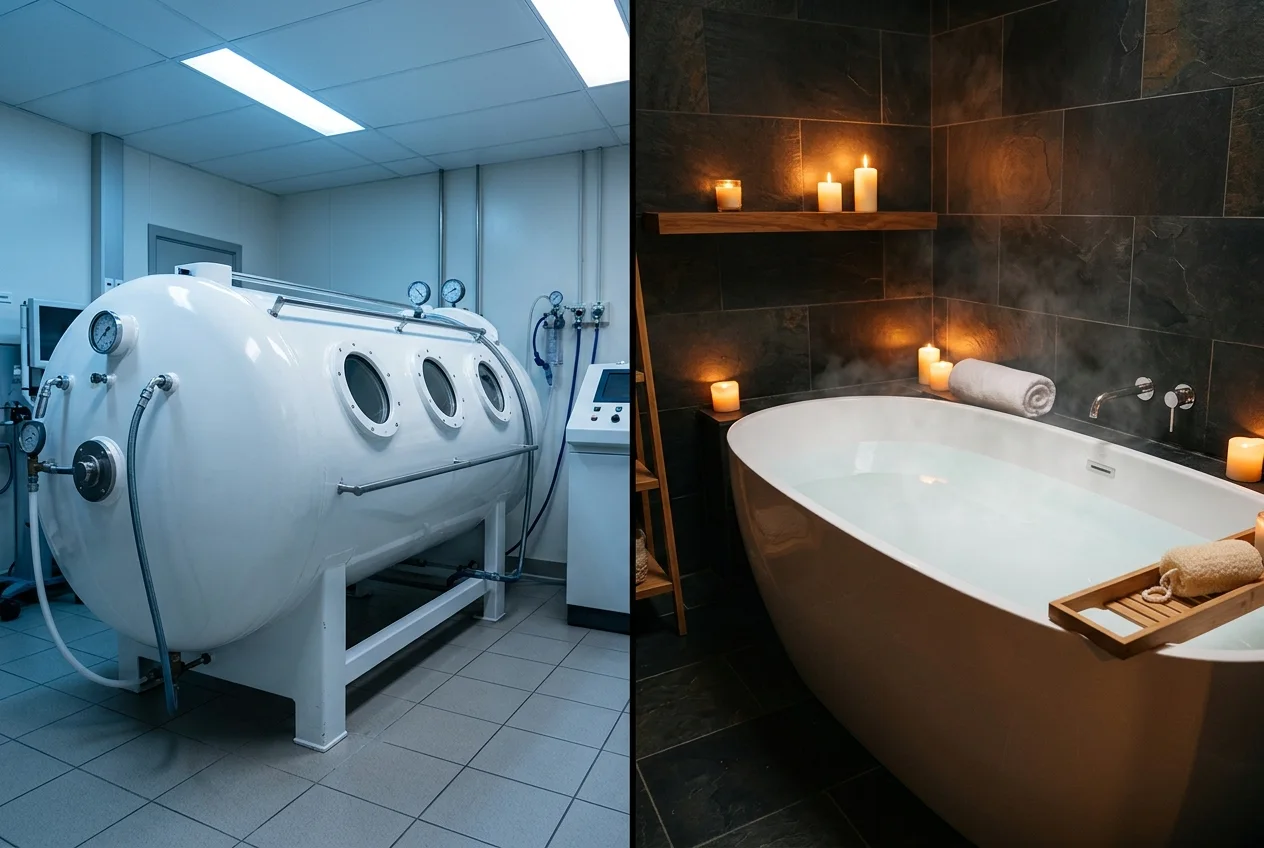
Mild hyperbaric (mHBOT): The FDA has cleared HBOT for 13 specific indications. Its own consumer update explicitly names "sports injury" on the list of things HBOT is not clinically proven for — alongside cancer, autism, Alzheimer's, depression, and stroke. Separately, in August 2025 the FDA issued a formal Letter to Health Care Providers flagging fire and explosion risk following serious injuries and deaths. The paper ROI on a chamber is excellent. The risk profile is not. If you install one, it's supervised, appointment-only, no medical claims, and a conversation with your insurance carrier before the unit ships.
Whole-body cryotherapy: The Cochrane review — the gold standard of evidence synthesis — found four small, high-bias trials totaling 64 participants, graded all evidence "very low quality," and concluded there is "insufficient evidence to determine whether whole-body cryotherapy reduces self-reported muscle soreness." Cryo chambers are a default offering at every recovery franchise. Worth knowing when someone pitches you one.
Halotherapy (salt rooms): A systematic review found exactly one RCT meeting inclusion criteria. A 2022 review found thirteen manuscripts across forty years of literature. No meta-analysis possible. No clinical practice guidelines exist. If you sell it, sell it as a relaxation experience.
Red light: Meaningful meta-analytic support — but mostly for pre-exercise application improving time to exhaustion and reps to failure. The post-workout "recovery lounge" use case, which is how the panels are actually marketed, has thinner evidence. Which suggests a differentiated play nobody's running: program it before the session. "Light before you lift."
Compression (Normatec-style): Moderate, reasonably consistent effect sizes for reduced soreness and improved strength/power recovery. But the biomarker story is genuinely mixed — one meta-analysis found reduced creatine kinase, another found no effect at all and increased blood lactate. The fair pitch: "members reliably report feeling better; don't oversell the biology."
Float therapy: The evidence is actually strongest here for something most operators don't lead with. A randomized trial found 12 sessions of flotation-REST significantly reduced generalized anxiety symptoms with 37% reaching full remission, with gains largely maintained at six months. Sell float as stress, sleep, and anxiety — not as athletic recovery. That's where the evidence lives, and it's a bigger market anyway.
Interactive Tool
Recovery Payback Calculator
Plug in your member count, tier price and take rate — get the payback period for all 11 services, ranked live. Every assumption in this article, editable.
Run your numbers →The menu, ranked by payback — not by hype
Every model below assumes a 500-member facility, a +$15/month recovery tier at a conservative 20% take rate where amenities are tier-gated, and 50% utilization where sold a la carte. Change any assumption and the ranking moves.
Tier 1: fast payback, low complexity
1. Hyrox programming — ~3 month payback. The best ROI on this entire list, and it isn't equipment.
More on this below, because it deserves its own section.
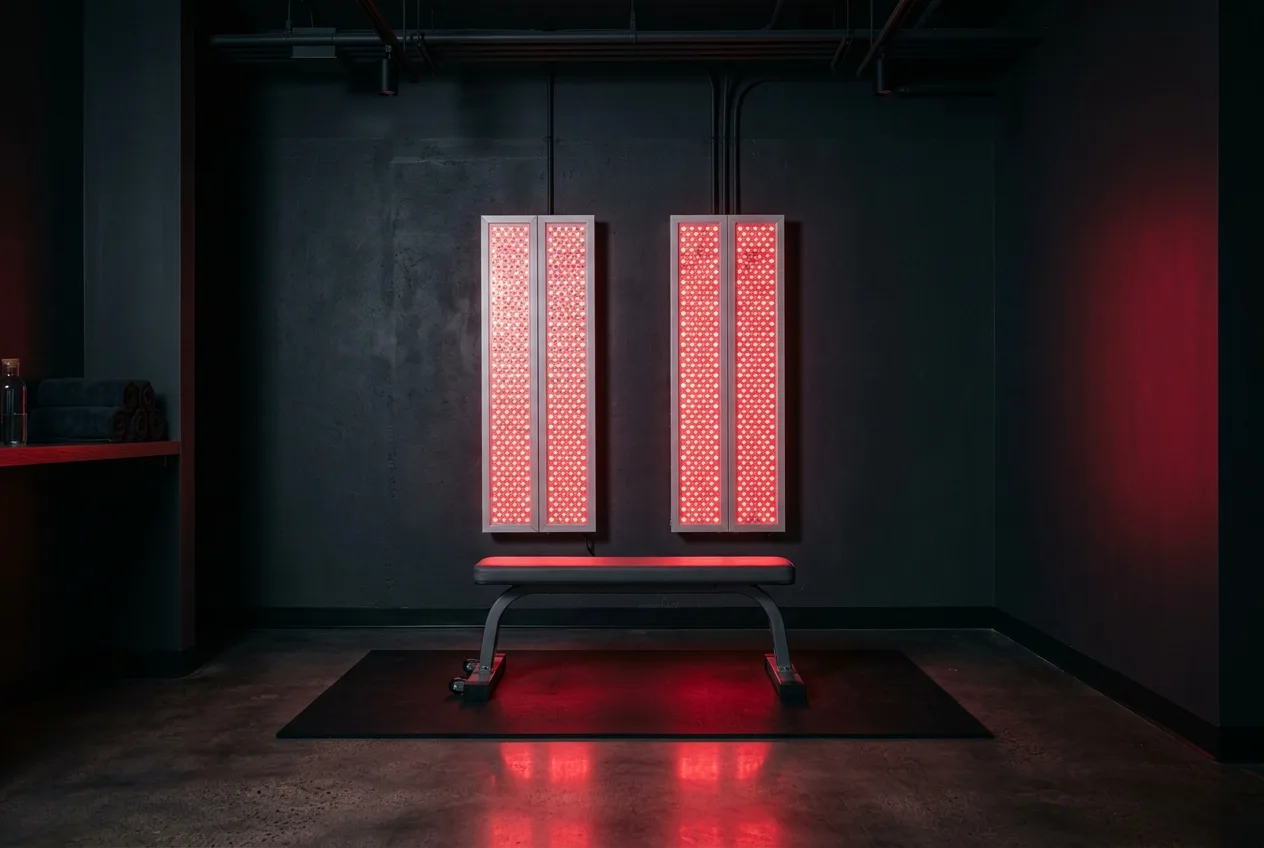
Red Light Panels
ModerateWhat can go wrong: Manufacturer irradiance specs are often inflated 20–40% versus independent verification — demand third-party measurement before you buy.
Illustrative visual · links to example equipment from Mito MitoADAPT panels
2. Red light panels — ~3 months. Two commercial panels plus mounting, bench, and a curtain: about $3,000. Operating cost near zero. One caveat the industry itself admits: manufacturer irradiance specs are often inflated 20–40% versus independent verification. Demand third-party measurement before you buy.
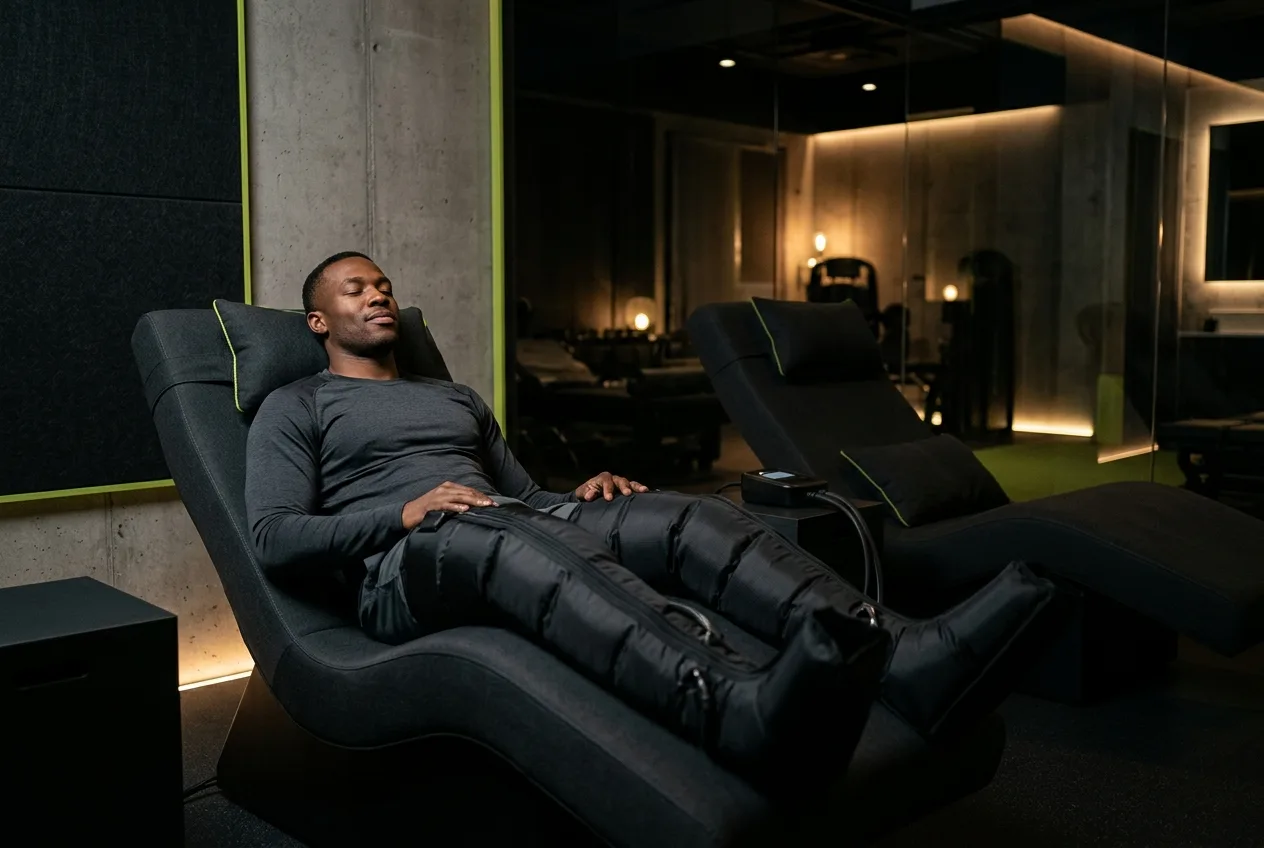
Compression Lounge
ModerateWhat can go wrong: Commodity risk: big chains (VASA) now bundle compression boots free into mid tiers — differentiate on the lounge experience, not the boots.
Illustrative visual · links to example equipment from Hyperice Normatec 3
3. Compression lounge — ~4–6 months. Four Normatec 3 sets at $899 each, four zero-gravity chairs, a partition: roughly $8,000 all in. No plumbing, no permits, no health department, minimal liability. VASA now bundles Normatec boots free into its mid tiers. At $15/session, six sessions a day pays this back in three and a half months.
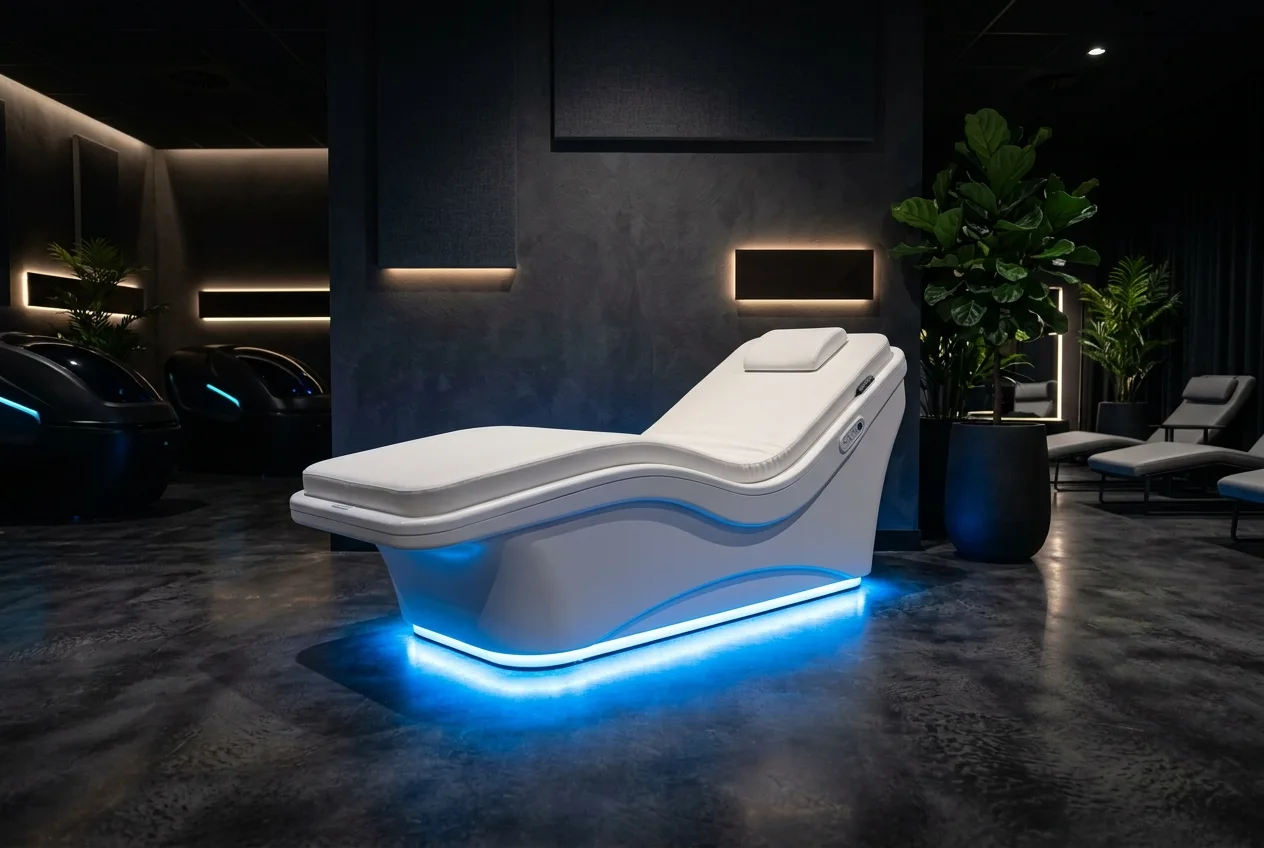
HydroMassage Lounge
ModerateWhat can go wrong: Used/refurbished units save 40–60% but quality varies — buy from certified refurbishers and check warranty transfer.
Illustrative visual · links to example equipment from HydroMassage 440 Lounge
4. Hydromassage — ~4–10 months. Commercial units run $8,000–$15,000+ (used and refurbished can save 40–60%). Standard electrical, no plumbing — the water is sealed and the member stays dry and clothed. Self-service, unstaffed, 10–20 minute sessions. This is the amenity that built the Black Card. It is criminally underrated by independent operators.
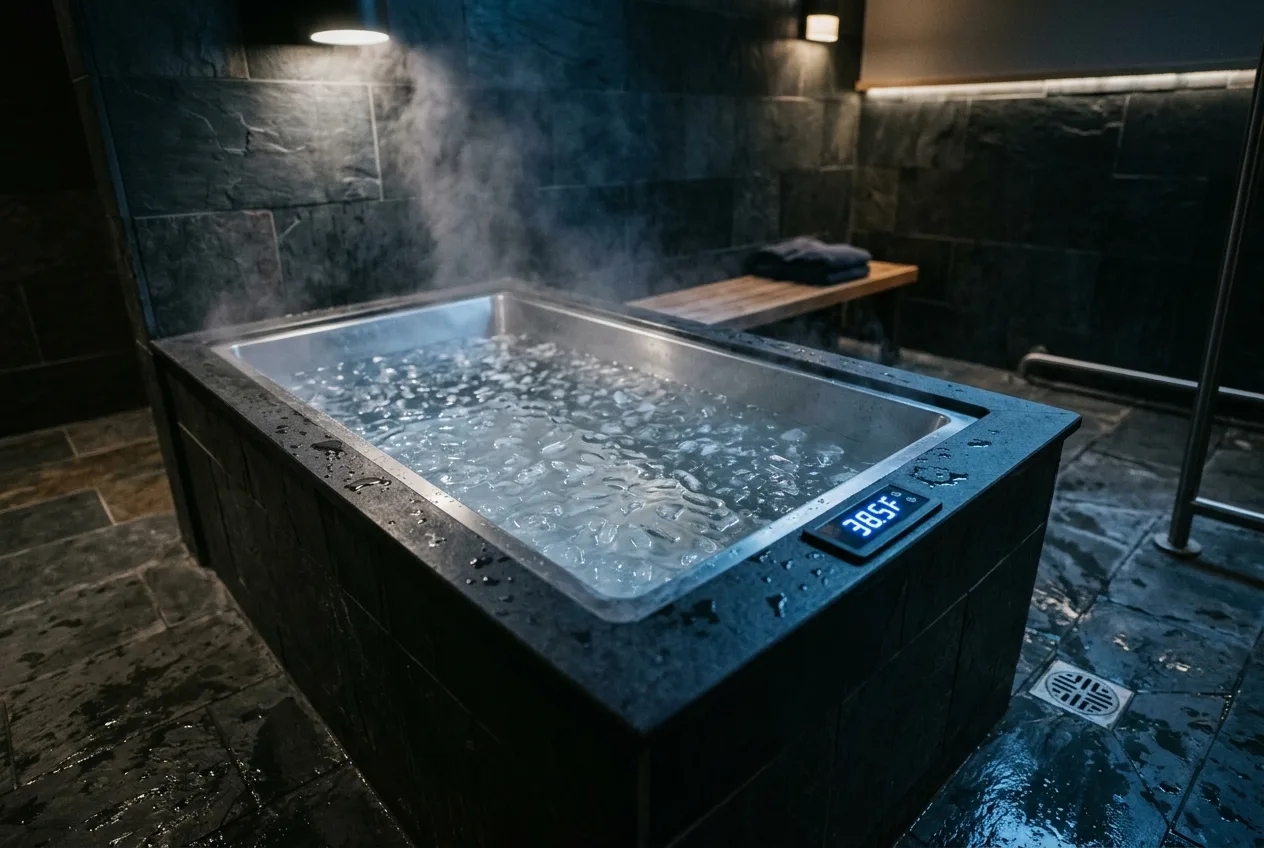
Cold Plunge
ModerateWhat can go wrong: Regulated under public pool & spa codes: 3–5 ppm chlorine below 60°F, daily logging, VGBA drain covers, NEC 680 GFCI, chiller can never idle >48h (Legionella). Call your health department first.
Illustrative visual · links to example equipment from Plunge Evolve XL
5. Cold plunge — ~6–10 months. A commercial Plunge Evolve XL is $8,490; BlueCube runs $18,500–$29,000; Morozko's true-ice commercial units start at $25,990. Add roughly $2,000 for electrical and install.
⚠️ But read this before you order. Commercial cold plunges are regulated under existing public pool and spa codes. Chlorine is roughly three times less effective below 60°F, so free chlorine targets run 3–5 ppm versus 1–3 in a warm pool. Daily logging of pH, chlorine, and temperature is required in commercial settings, with a full panel twice a week. The chiller can never idle more than 48 hours — Legionella grows in stagnant heat exchangers. Federal VGBA anti-entrapment drain covers apply. NEC Article 680 mandates GFCI with annual testing. Water changes every 30–60 days at commercial bather load.
Call your health department before you call the vendor. This is where operators get blindsided.
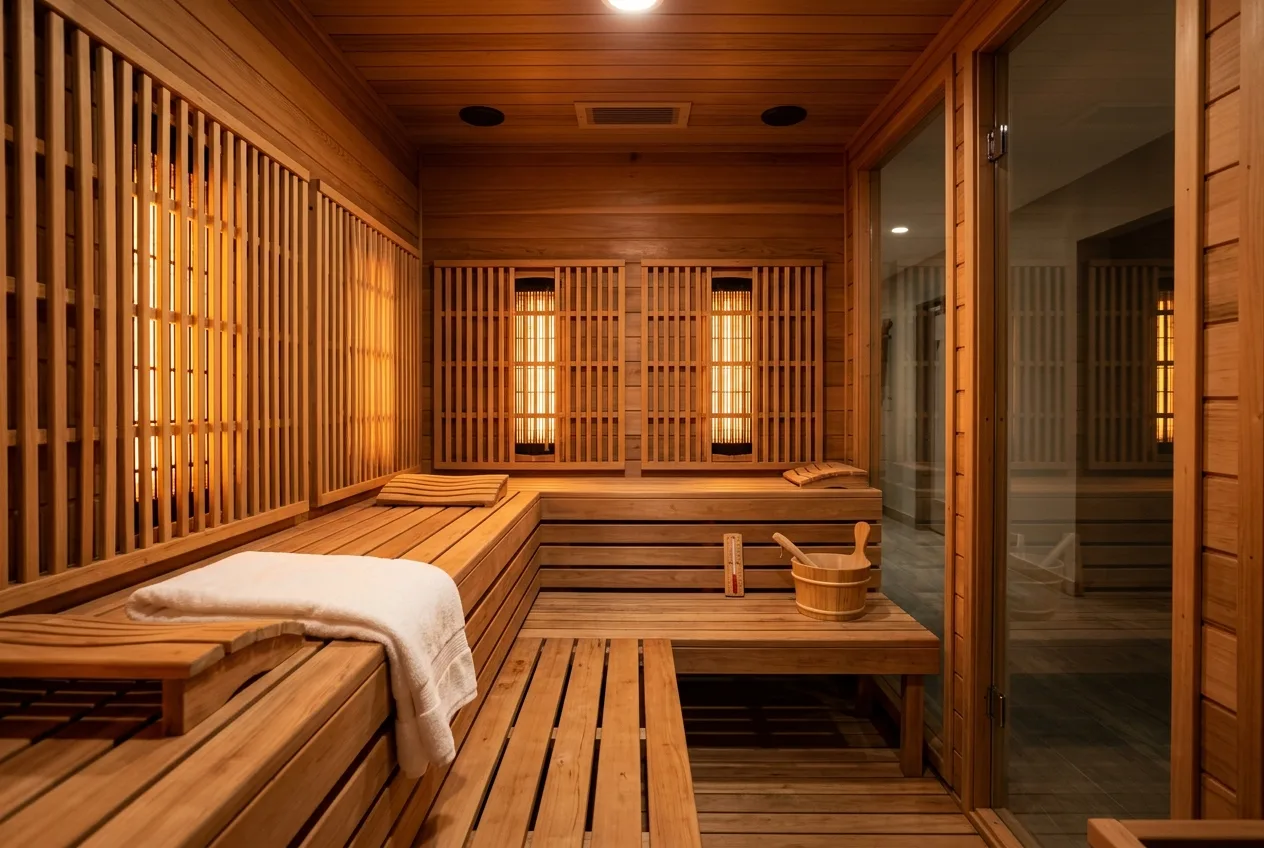
Commercial Sauna
StrongestWhat can go wrong: Installation adds 20–40% on top of equipment (electrical $500–3K, ventilation $1K–5K, permits) — budget the full number, not the sticker.
Illustrative visual · links to example equipment from Clearlight commercial saunas
6. Sauna — ~9 months. Commercial infrared runs $7,599–$13,399 (Clearlight's professional line), with Sunlighten similar. Installation adds 20–40% on top of equipment — budget $2,500–$7,500 for a full professional install including electrical ($500–3,000), ventilation ($1,000–5,000), and permits. Sizing rule: 1 kW per 50 cubic feet, plus 20–25% extra capacity for commercial traffic. Operating cost is remarkably low: ~$60/month for infrared, ~$86 for traditional.
Sauna's payback isn't the fastest here. It's still arguably the best buy on the list, because it has the strongest science, the lowest liability, the lowest opex, and — critically — a 15–20 minute session versus three minutes for a plunge. It holds people in the building.
Tier 2: meaningful capex, real differentiation
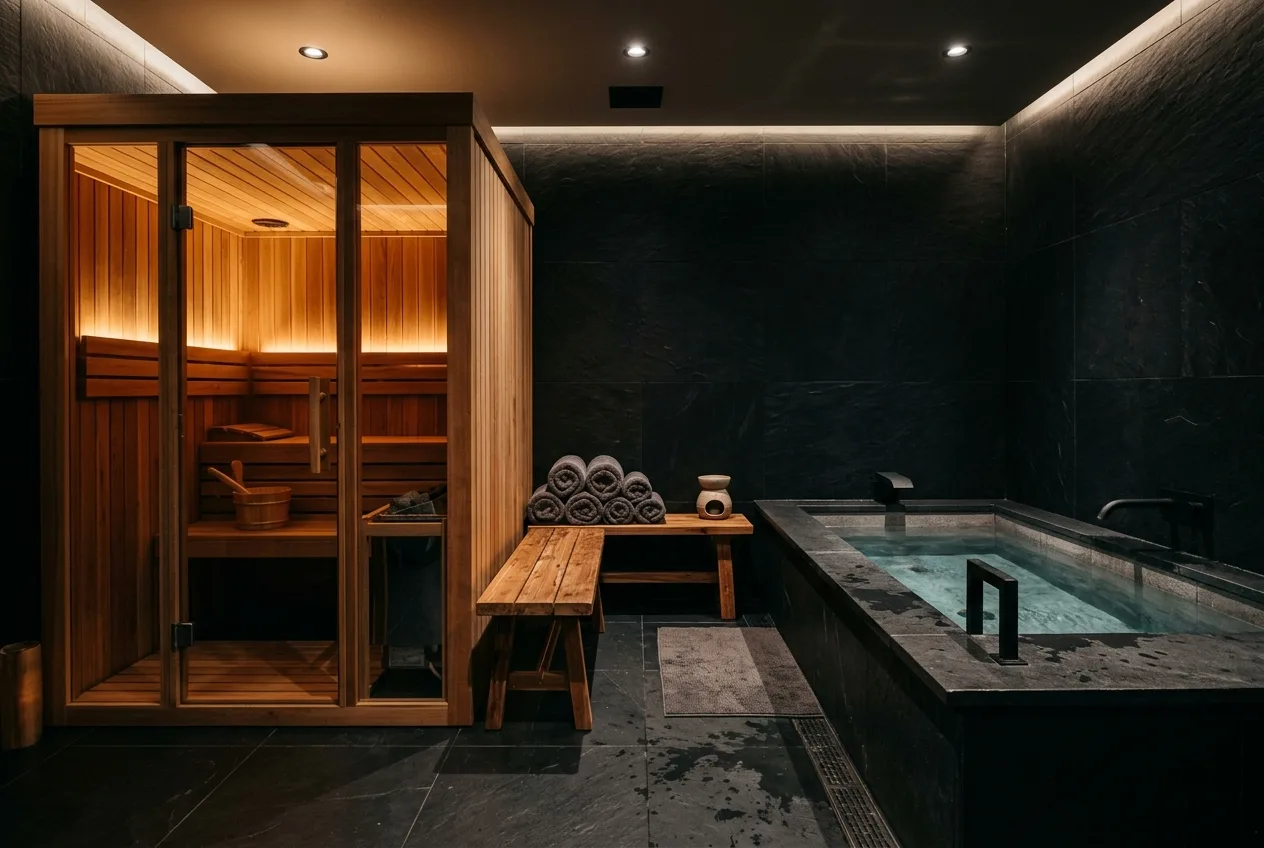
Contrast Suite
Highest-leverage buildStrong componentsWhat can go wrong: Inherits every cold-plunge compliance requirement plus a real build-out — but converts two loose amenities into one $60/hour appointment.
Illustrative visual · links to example equipment from SWTHZ contrast studios
7. Contrast suite — ~8 months at half capacity. Sauna plus plunge, sold as one bookable product: about $22,000 to build inside an existing facility.
This is the highest-leverage move in the document, and here's the mechanism. Separately, a sauna and a plunge are two loose amenities you can only bundle at $15/month. Together, in a private bookable suite, they become a 50-minute appointment you can sell at $60/hour. Real market pricing bears it out: contrast drop-ins run $40–65, memberships $99–219/month, private suite rental $60–150/hour. SweatHouz corporate studios averaged $573,762 in 2024 with a top unit at $1.2 million.
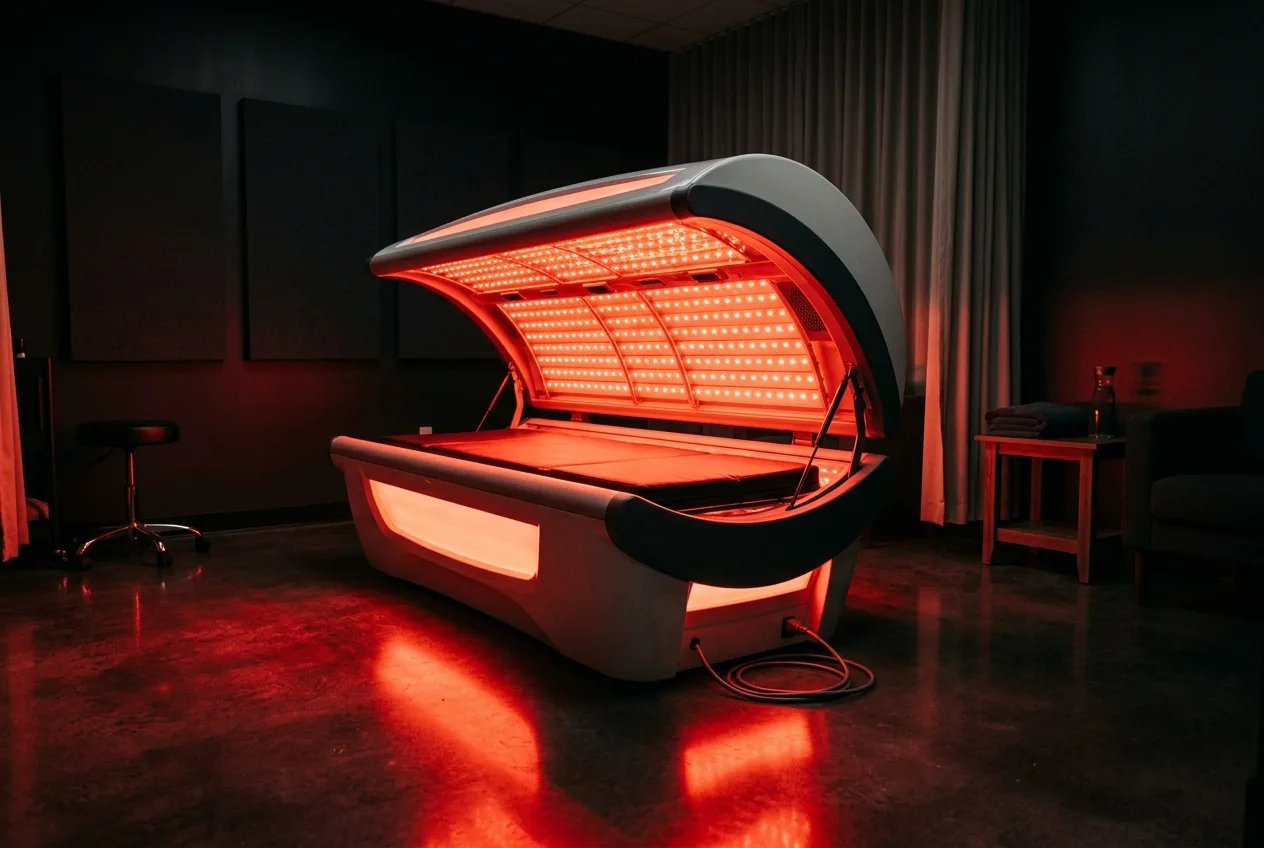
Full-Body Red Light Bed
ModerateWhat can go wrong: Premium systems climb to $130K (NovoTHOR XL) — the session price doesn't climb with them. Entry-level commercial beds carry the ROI.
Illustrative visual · links to example equipment from TheraLight 360
8. Full-body red light bed — ~7 months. Commercial entry beds start around $14,997; premium systems climb to $85,000 (TheraLight 360) and $130,000 (NovoTHOR XL). At $40 per 20-minute session and five sessions a day, an entry bed pays back inside a year.
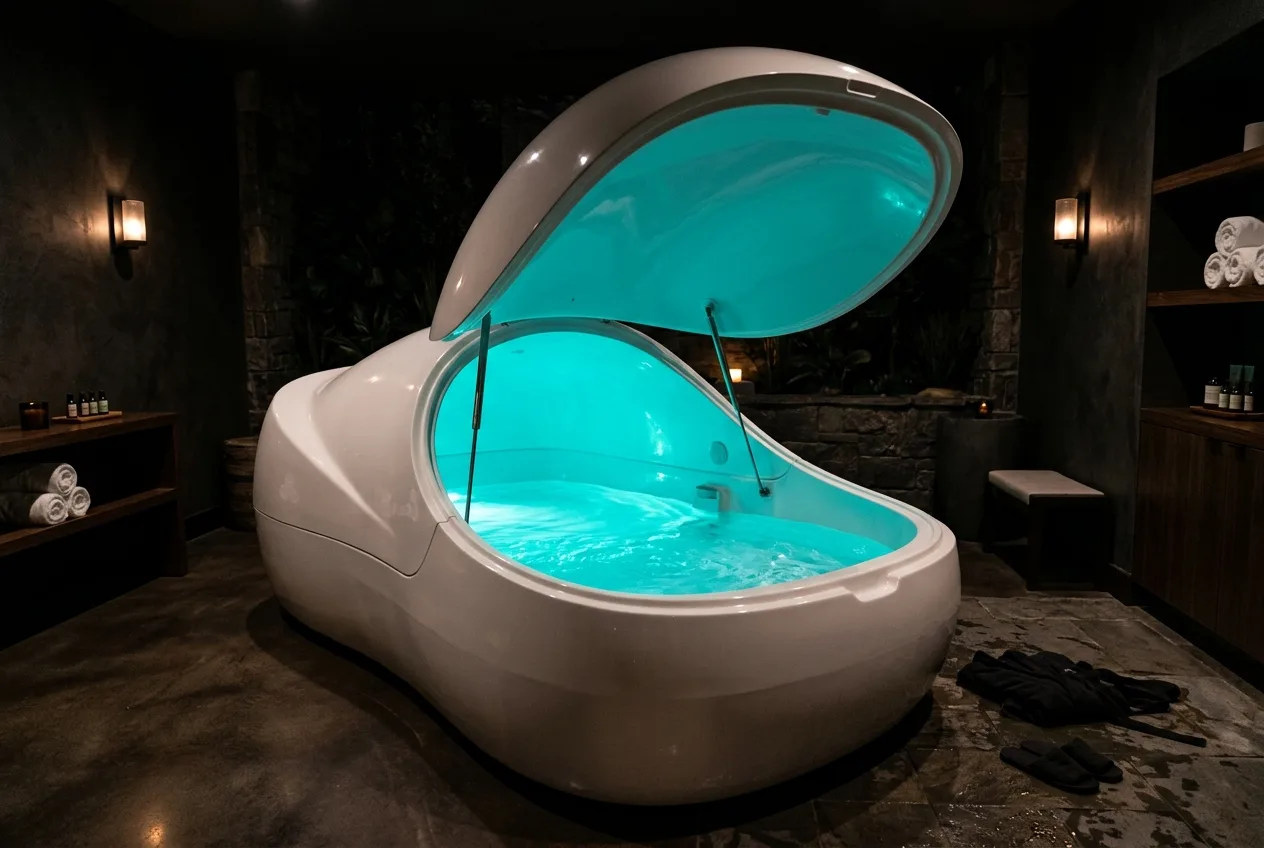
Float Pod
ModerateWhat can go wrong: Worst throughput on the list: one person per 60–120 minutes. A sauna serves 4–6 people in 15. Only build one if you can keep it reliably booked.
Illustrative visual · links to example equipment from Royal Spa Float Pod
9. Float pod — ~5 months, with a throughput trap. A Royal Spa float pod runs $17,999; commercial tanks range $12,000–$40,000. Sessions sell at $79 for 60 minutes, $95 for 90. The math works — but a pod serves one person for 60–120 minutes. A sauna serves four to six people for fifteen. Per square foot per hour, float has the worst throughput on this list. The high ticket price is what rescues it. Only build one if you can reliably keep it booked.
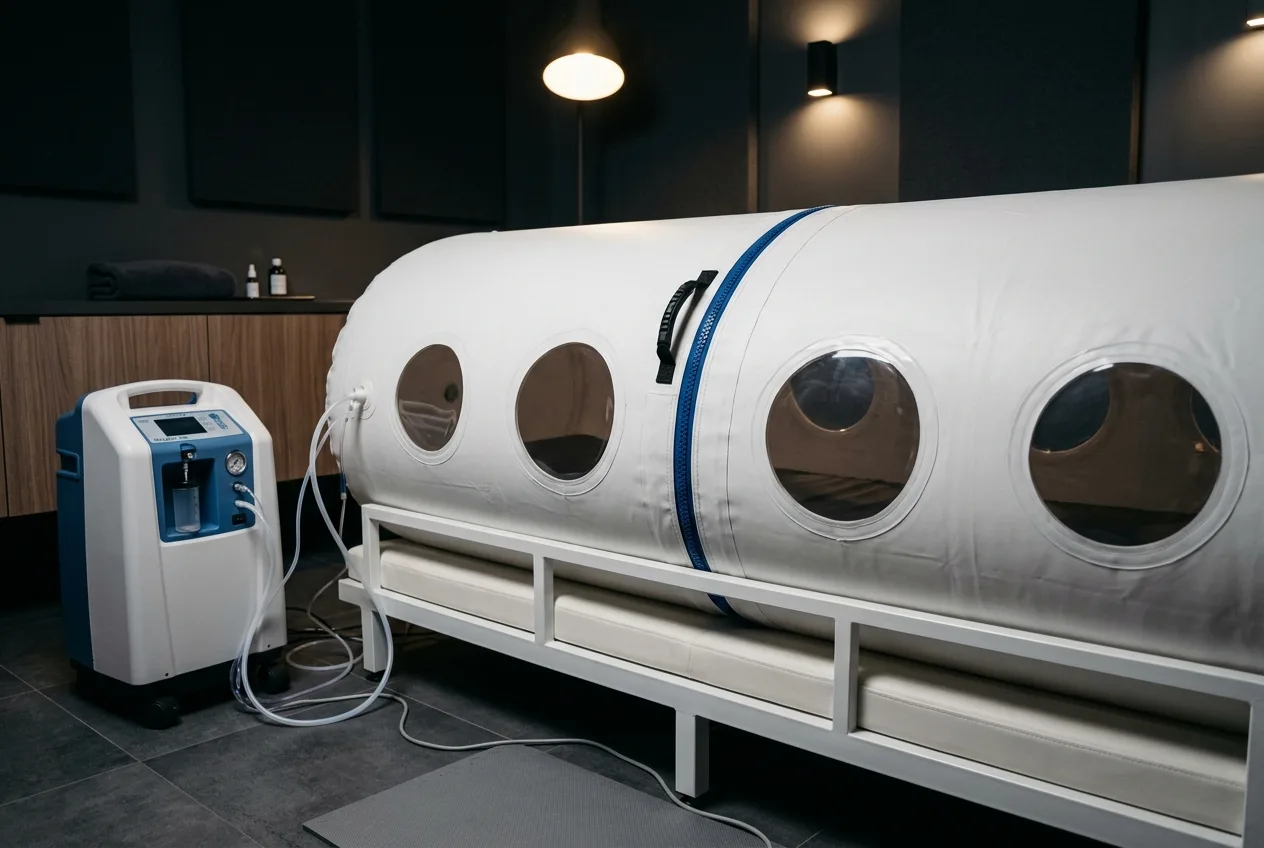
Mild Hyperbaric (mHBOT)
Weak for recoveryWhat can go wrong: Best paper ROI, worst regulatory profile: NFPA-99 Chapter 14, dedicated gas/exhaust lines, supervising attendant, active FDA scrutiny of athletic-recovery claims.
Illustrative visual · links to example equipment from OxyHealth Vitaeris 320
10. mHBOT — ~4 months on paper. A chamber runs $4,495 (Newtowne A4-27) to $27,000 (OxyHealth Quamvis), with the FDA-cleared Vitaeris 320 at $18,000–$23,000. Sessions sell for $100–400. You'll need 800–1,200 sq ft for a full HBOT area, NFPA-99 Chapter 14 compliance, dedicated gas and exhaust lines, and a supervising attendant. The paper ROI is the best on this list. The regulatory and liability profile is the worst. See the science section.
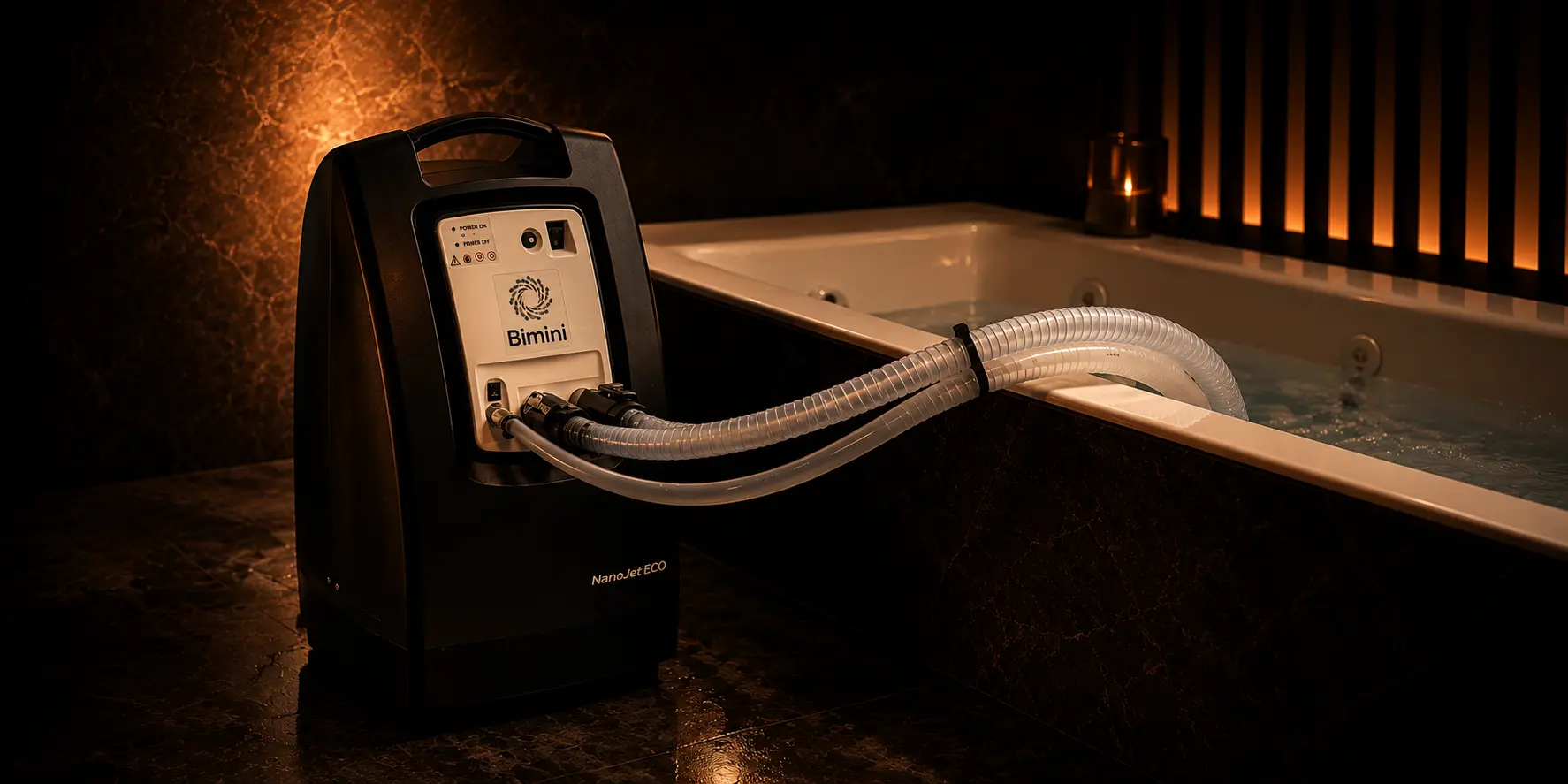
A related note on oxygen-based recovery: if mHBOT's compliance load is the dealbreaker, oxygen nanobubble hydrotherapy delivers dissolved oxygen through warm water instead of pressurized air — no NFPA chamber requirements, no attendant. Human evidence for athletic recovery is still developing; we label that honestly, the same way we do everything else on this page. See our nanobubble hydrotherapy guide for the full evidence review. Nanobubble systems are deliberately not scored in the 11-amenity table because their commercial application isn't modeled on the same assumptions.
Tier 3: proceed with open eyes
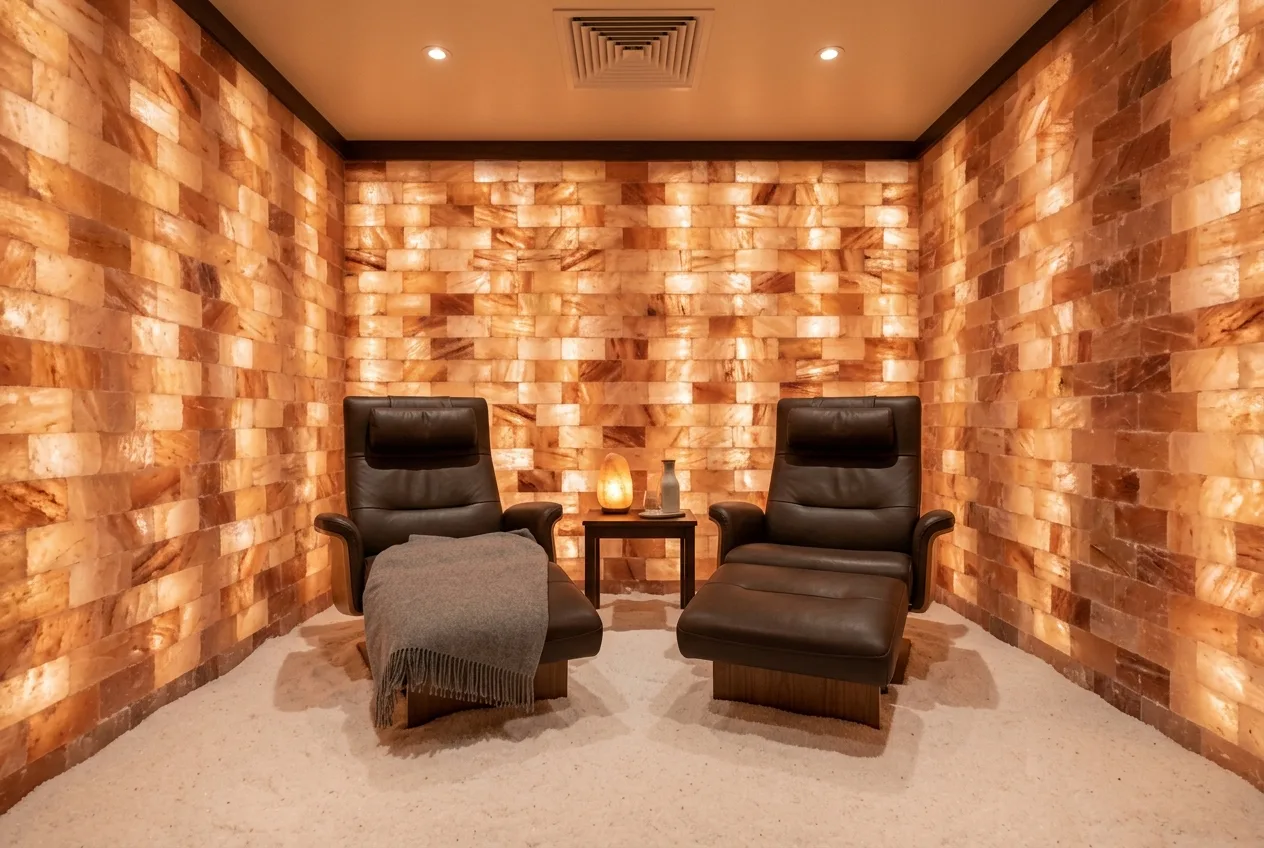
Halotherapy Salt Room
WeakestWhat can go wrong: The halogenerator is only 5–15% of total cost — HVAC mods run $5K–30K, salt construction $5K–50K+. Weakest evidence base in this entire article.
Illustrative visual · links to example equipment from Halotherapy Solutions salt rooms
11. Halotherapy room — $50,000–$200,000. Here's the part vendors don't lead with: the halogenerator is only 5–15% of the total cost. The generator itself is $3,000–$15,000. HVAC modifications run $5,000–$30,000. Salt wall construction, $5,000–$50,000+. Permits and engineering, $2,000–$15,000.
Group throughput can make the math work — six people at $35 across four sessions a day is real money. But you're committing six figures to the modality with the weakest evidence base in this entire article. Rank it last unless you have specific respiratory-wellness positioning and a market that's asked for it.
And then there's Hyrox
HYROX Programming
Programming · Bonus playGrowth dataWhat can go wrong: It's programming, not equipment — quality of coaching decides everything, and the first-mover window in your market is closing at ~5–6% affiliate growth per month.
Race-floor footage · links to HYROX Training Club
We've been building to this, because if you only do one thing on this list, it's this one — and it costs almost nothing.
The growth curve:
| Season | Athletes | Races |
|---|---|---|
| 2018 (first event) | 650 | 1 |
| 2024/25 | ~570,000 | 74 |
| 2025/26 | 1.3–1.5 million | 105–107 |
| 2026/27 (official target) | 2+ million | 107 weekends, 6 continents |
Hyrox is now six to eight times larger than Ironman by participant count. ClassPass reported Hyrox reservations up 432% year over year — the largest growth number in any fitness category we found in this research. Revenue went from roughly £40M to £140M in a single year, with 2026 projected at €200–270M. L Catterton — LVMH's private equity arm — is in exclusive talks at a €700M to €1 billion valuation. London tickets have sold out in under 24 hours. A third-party waitlist business exists purely because races sell out.
Now the part that should make you put this article down and go do something:
| What it costs a gym | |
|---|---|
| HYROX Training Club affiliation | $130/month or $1,500/year |
| Minimum square footage | None |
| Equipment quota | None |
| Coach certification required | None — free Foundation Academy included |
| Realistic starter equipment | $2,500–$5,000 |
One SkiErg ($850), one RowErg ($990), one sled ($165–435), wall balls and sandbags. Run it in the floor space you already have. Substitute freely — dumbbells for kettlebells, outdoor running for treadmill.
Official HYROX Equipment · CENTR
Build the starter kit — 10% off with code NINJA
CENTR is the official HYROX equipment provider — this is the exact competition gear from the starter list above. Code NINJA takes 10% off everything:
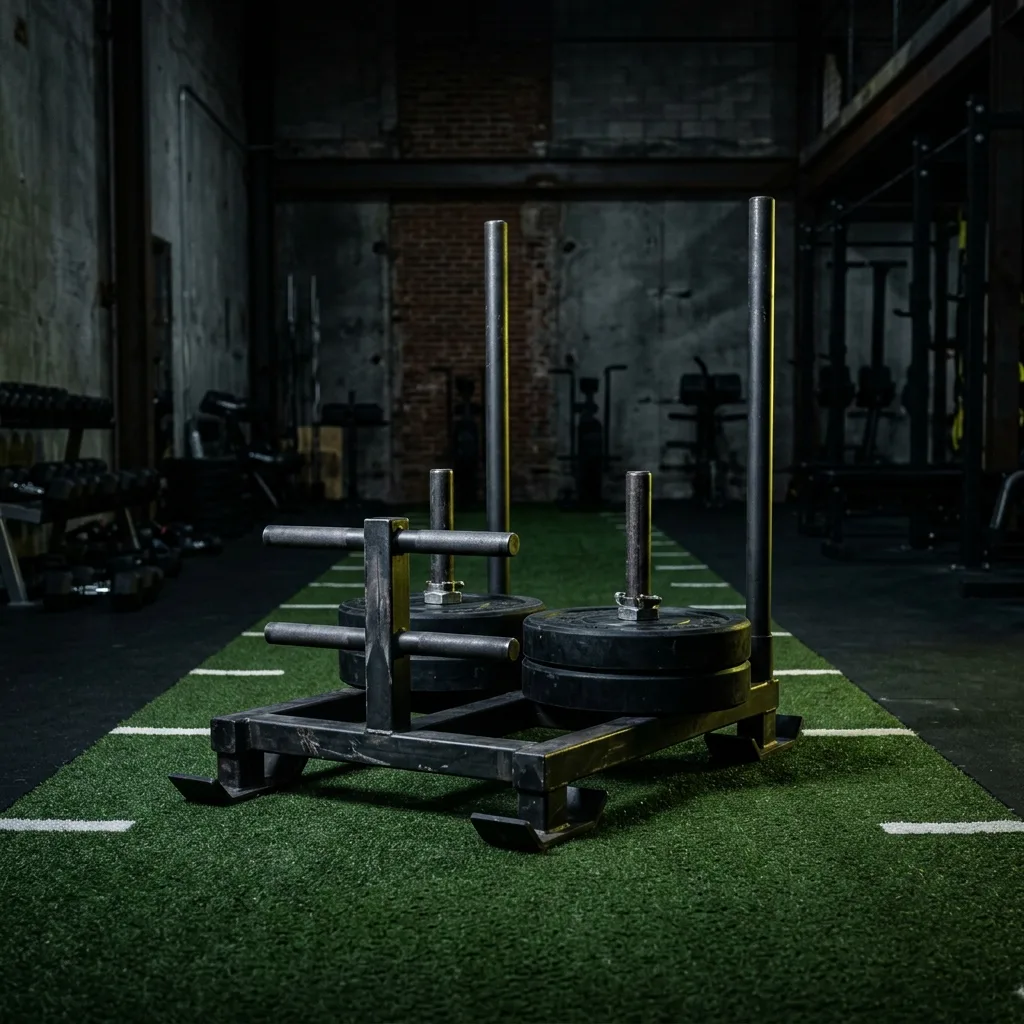 CENTR x HYROX Power Sled$435
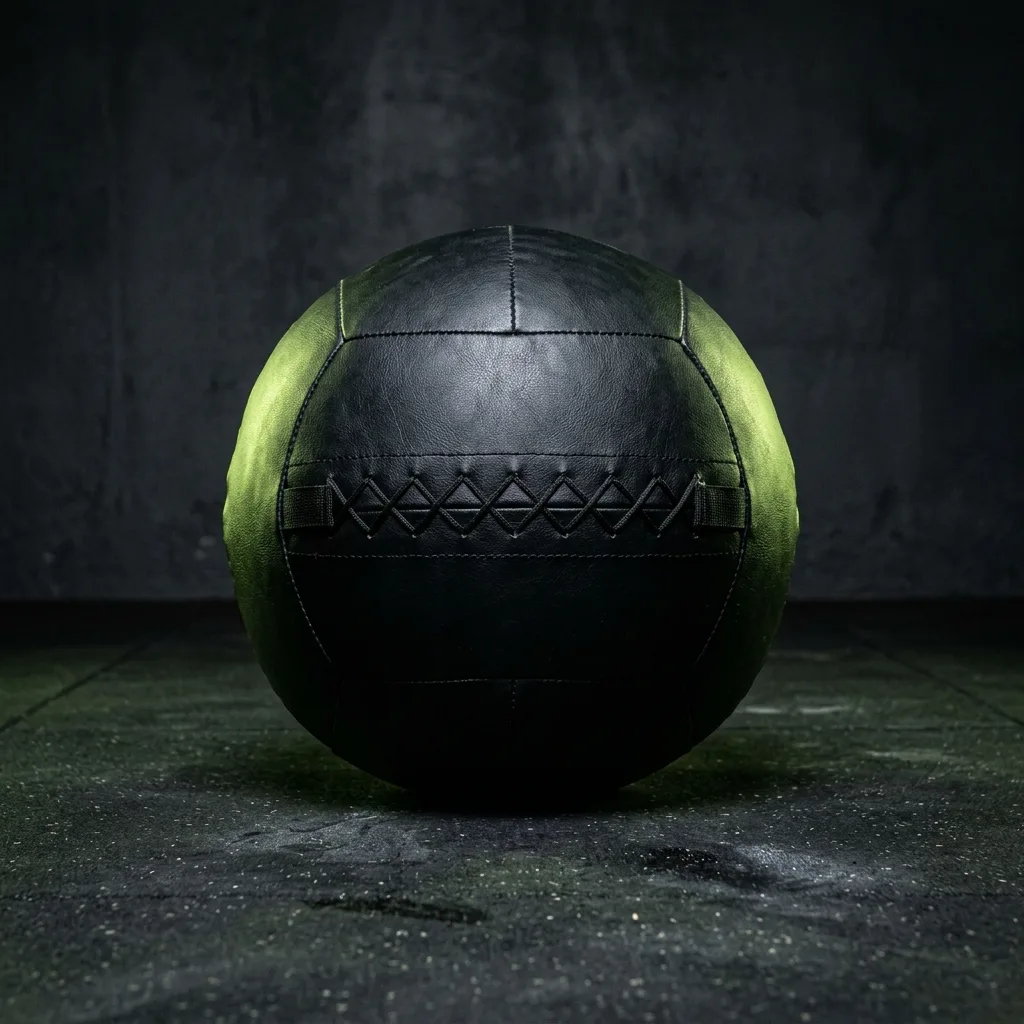 CENTR x HYROX Wall Ball$87+
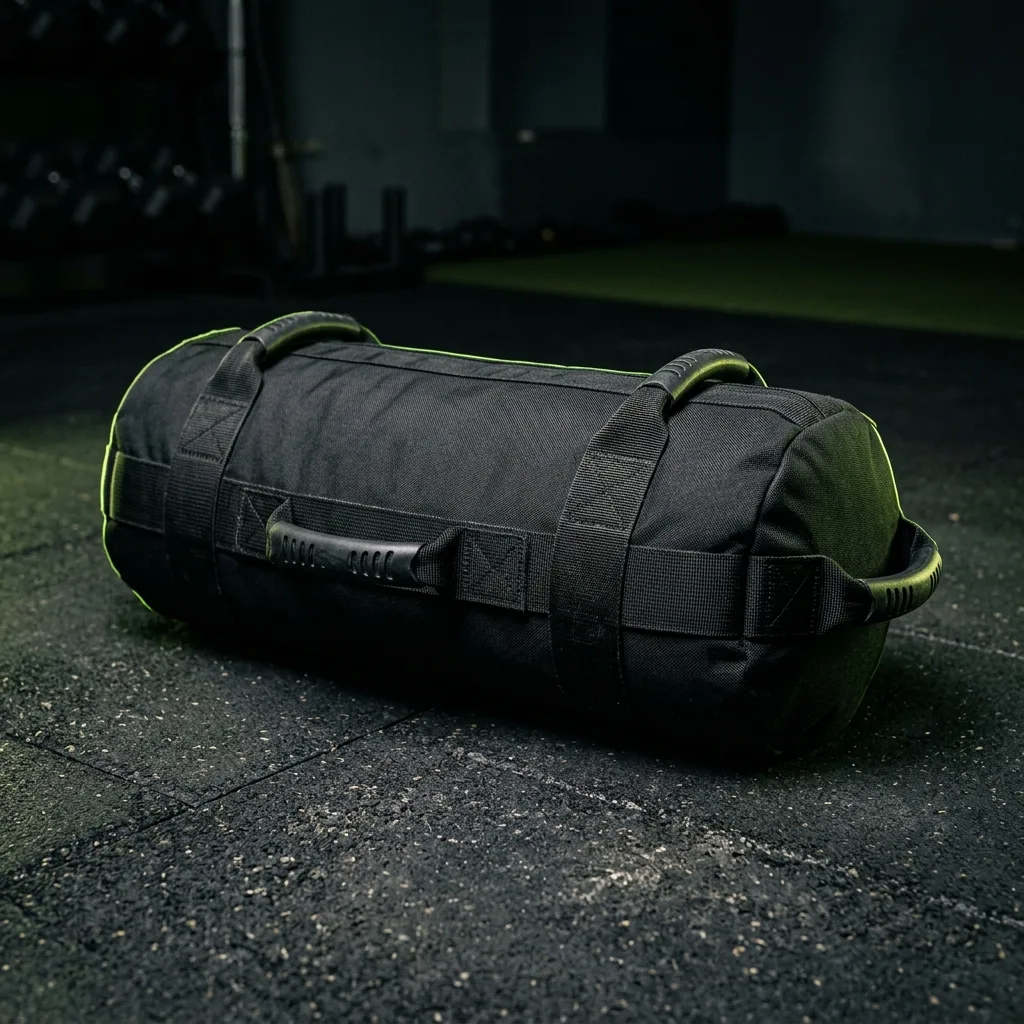 CENTR x HYROX Sandbag$132+
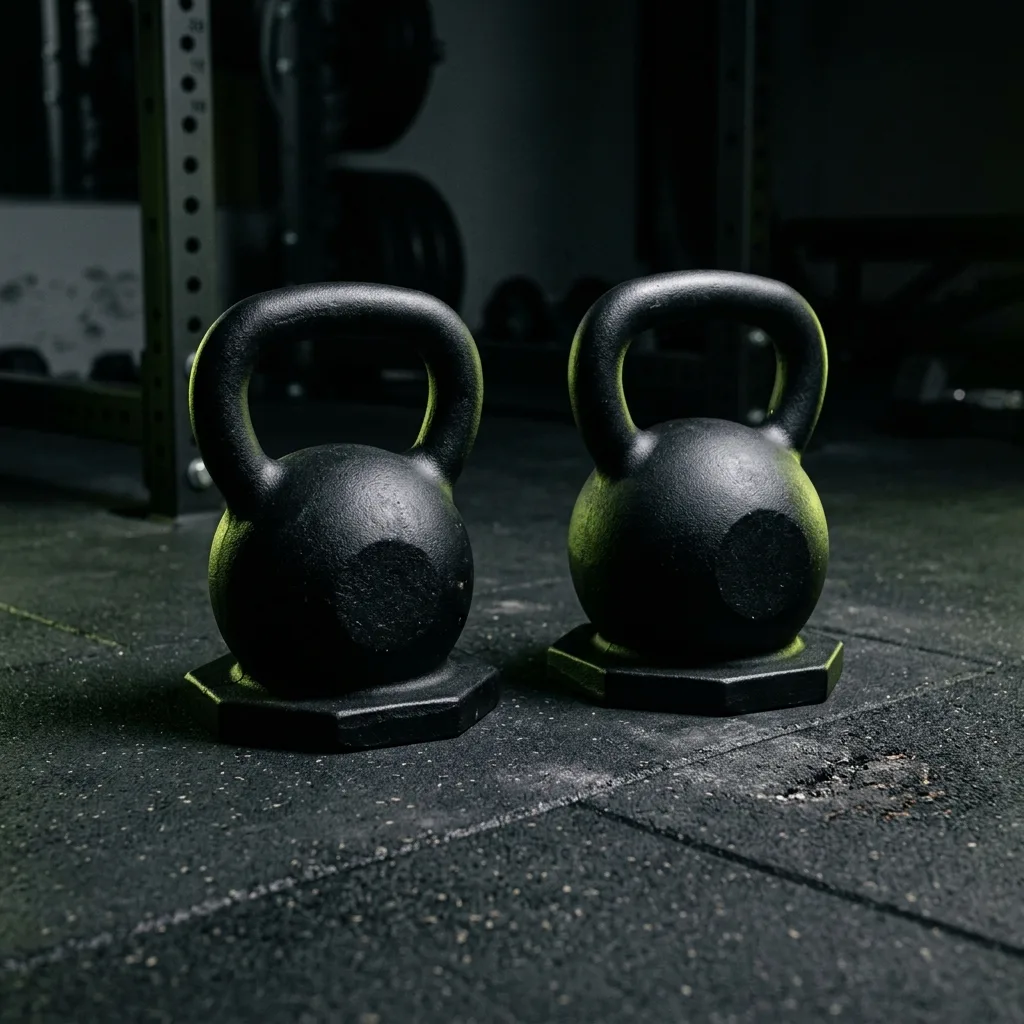 CENTR x HYROX Octo Kettlebell$89+
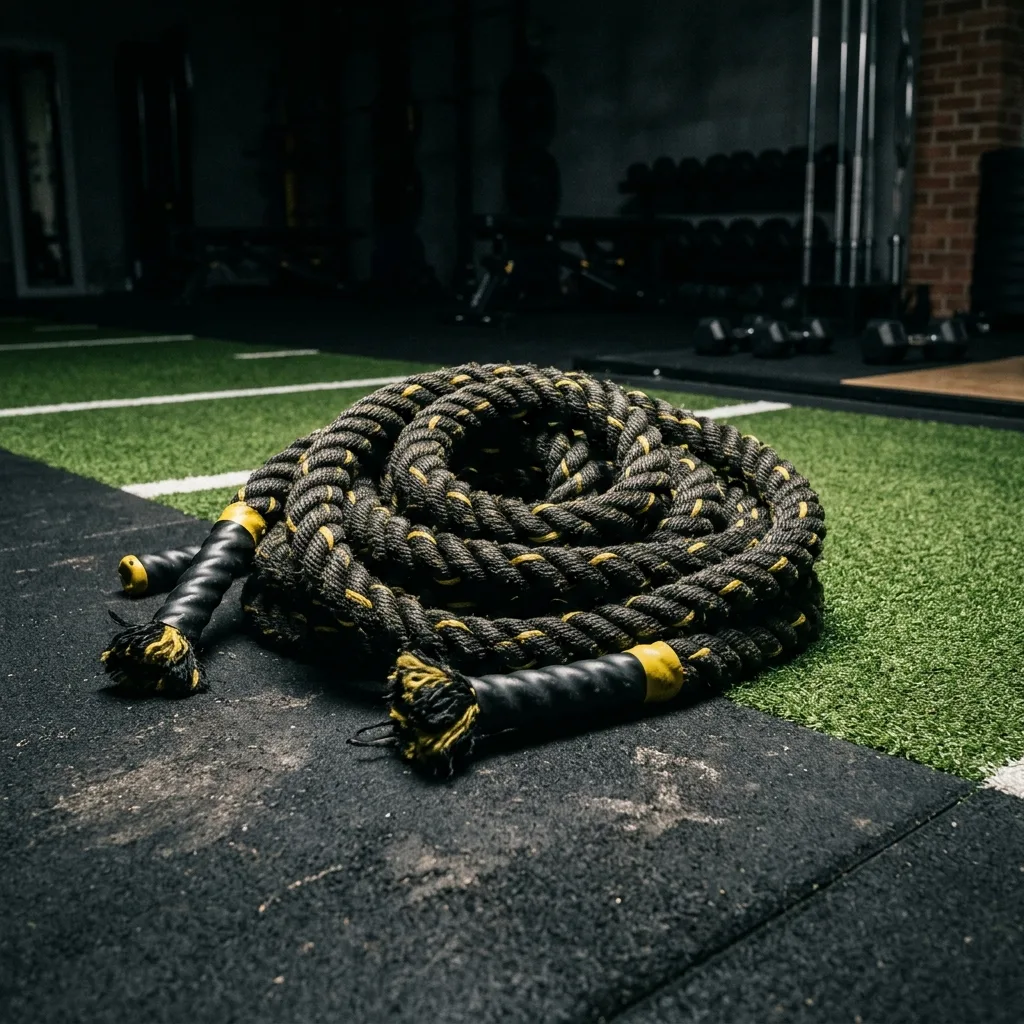 CENTR x HYROX Power Rope$275
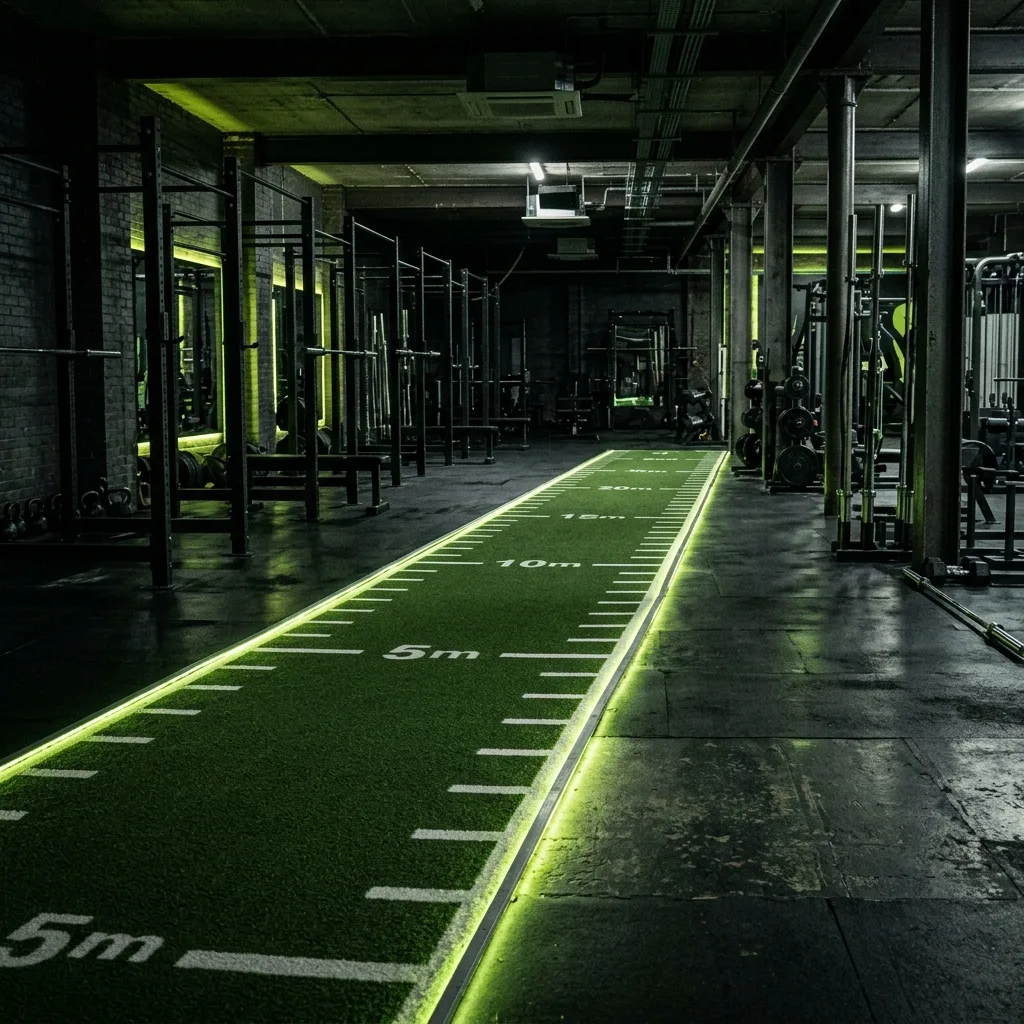 CENTR Performance Turf$3,999
Or buy it as one package for the gym:
Affiliate disclosure: CENTR links are tracked partner links and NinjAthlete may earn a commission. Photos are illustrative studio shots; each links to the official CENTR product page.
What actually happened at real gyms:
- A Netherlands gym: $12,500/month from Hyrox programming against a $150/month fee. 83x ROI.
- A gym that added two classes per week: +$100,000/year.
- The "$6K in 60 Days" case: $6,000 in two months from one Saturday 7:30am class, 40–50 minutes long, that grew to 25–30 attendees. 19x ROI. And the number that matters most — 70% of signups came from outside the existing membership.
- One owner reported 42% of all his leads were specifically looking for Hyrox training.
- Another: Hyrox events generating $500+/hour, with Hyrox programming now 40% of total gym revenue.
Typical pricing: $40 drop-in, $25–30 per session in packages, $99–150/month as an add-on tier.
Now the contrast that should tell you everything. CrossFit affiliates peaked above 15,000 in 2018. As of March 2025: 9,899. A 13% drop in twelve months, after CrossFit moved from a flat $3,000 affiliate fee to a tiered structure reaching $4,500. 1,467 gyms de-affiliated within a year.
Hyrox charges $1,500, mandates nothing, and is adding roughly 5–6% of its affiliate base per month. Somewhere around 15,000 gyms are already in.
The window on being the first Hyrox club in your market is closing. It may already have closed in yours. Go check the Training Club Finder before you finish this paragraph.
What we'd actually do, in order
Phase 1 — prove demand for about $16,000, payback under six months.
Hyrox programming ($5,000) + compression lounge ($8,000) + red light panels ($3,000).
Zero plumbing. Zero health department. Zero liability escalation. Launch a $15/month Recovery tier and a $99/month Hyrox tier. Measure take rate for 90 days. This is your proof of concept, and it funds Phase 2.
Phase 2 — build the flagship, about $23,000.
Sauna plus cold plunge, built as a bookable contrast suite, not as two loose amenities sitting on your floor. Now you have a $60/hour appointment product and a tier anchor. Start the health department conversation before you order anything.
Phase 3 — differentiate.
Full-body red light, float, or a hydromassage bank — whichever Phase 1 and 2 signal was strongest. Reserve mHBOT and halotherapy for facilities with specific positioning and genuine appetite for the compliance and evidence risk.
And pick your monetization model deliberately. There are four:
- Tier gate — bundle into a premium membership at +$10–40/month. Best leverage. Planet Fitness demonstrated a 65.8% take rate.
- A la carte — $20–65/session. Best for appointment-shaped services: contrast, float, HBOT.
- Universal add-on — a flat ~$10/month across all memberships. Simplest, lowest friction, no upsell conversation.
- Standalone recovery membership — sold to people who aren't gym members at all. Remember: 70% of Hyrox signups in that documented case came from outside the existing membership. This is the customer-acquisition play, and it's the most overlooked of the four.
The thing worth sitting with
Othership raised $8.5 million on three studios. Remedy Place raised $5 million at a $60 million valuation on a single location. Perspire Sauna Studio does $569,000 in average unit volume selling essentially one modality on a $425,000–737,000 build.
Investors are valuing three saunas and an ice bath at eight figures.
You already have the building. You already have the members. You already have the staff and the traffic and the front desk and the lease.
The question was never whether recovery works as a business. Somebody already answered that, with venture capital.
The question is whether you're going to keep renting out barbells while the sauna next door takes your members' Tuesday nights, their Saturday mornings, and eventually their membership.
Start with $16,000. Measure for 90 days. Tell the truth about the science.
That's the whole play.
Gym owner FAQ
What is the cheapest recovery amenity a gym can add?
Red light panels — about $3,000 for two commercial panels, mounting, a bench and a curtain, with near-zero operating cost and roughly 3-month payback. HYROX programming is cheaper still ($130/month affiliation) but it's programming, not equipment.
Which gym recovery amenity pays back fastest?
On our 500-member model: red light panels (~3 months), compression lounge (4–6 months), then hydromassage (4–10 months). mHBOT looks faster on paper (~4 months) but carries the worst regulatory and liability profile on the list.
Do commercial cold plunges require permits?
Yes. Commercial cold plunges fall under existing public pool and spa codes: 3–5 ppm free chlorine below 60°F, daily pH/chlorine/temperature logging, federal VGBA anti-entrapment drain covers, and NEC Article 680 GFCI with annual testing. Call your health department before you call the vendor.
How much does a commercial sauna cost installed?
Commercial infrared runs $7,599–$13,399 for equipment, and installation adds 20–40% on top — electrical ($500–3,000), ventilation ($1,000–5,000) and permits. Budget $10K–$21K all-in. Operating cost is only ~$60/month for infrared.
Is a $15/month recovery tier worth it for a 500-member gym?
At a conservative 20% take rate, a +$15/month tier generates $18,000/year — enough to pay back red light panels, a compression lounge and a hydromassage unit combined inside the first year, before any à-la-carte session revenue.
What's the highest-margin recovery product a gym can sell?
A private contrast suite — sauna plus cold plunge sold as one bookable product. Market pricing: $40–65 drop-ins, $99–219/month memberships, $60–150/hour private rental. SweatHouz corporate studios averaged $573,762 in 2024 revenue.
What does HYROX affiliation cost a gym?
$130/month or $1,500/year, with no minimum square footage, no equipment quota and no mandatory certification (the coach Foundation Academy is included free). Realistic starter equipment is $2,500–$5,000, and documented cases show 19x–83x ROI.
Is halotherapy a good investment for a gym?
It has the weakest evidence base in the recovery category and the true build cost is $50,000–$200,000 — the halogenerator itself is only 5–15% of the total. Rank it last unless you have specific respiratory-wellness positioning and a market that has asked for it.
Sources
Industry & market data:
- Global Wellness Institute — 2025 Global Wellness Economy Monitor
- Health & Fitness Association — 2025 Global Fitness Industry Report, Benchmarking Report & US visitation data · ABC Fitness 2026 Industry Statistics · McKinsey, Future of Wellness
- Sobreiro et al., Int J Environ Res Public Health 2021 (attendance & dropout, n=5,209) · YouGov US, June 2024 (why members quit)
- Strava 2026 Community Report · ClassPass 2025 Look Back Report · ACSM Top Fitness Trends 2026 · Les Mills 2026 Global Fitness Report · SFIA 2026 Topline Participation Report
- Planet Fitness Q2 2025 earnings & SEC filings · Life Time, EōS Fitness, VASA and Crunch corporate materials
- HYROX official · SportsPro, Athletech News, BOXROX, Triathlon Today (HYROX growth) · Two-Brain Business case studies · Sharpsheets FDD analyses
Clinical evidence:
- Laukkanen et al., JAMA Intern Med 2015 — sauna frequency & cardiovascular/all-cause mortality · BMC Medicine 2018 follow-up
- Roberts et al., J Physiol 2015 & Fyfe et al., J Appl Physiol 2019 — cold water immersion blunts hypertrophy adaptations (the caveat to post on the wall)
- Dupuy et al., Front Physiol 2018 — meta-analysis of post-exercise recovery techniques
- Hill et al., Br J Sports Med 2014 — compression garments & recovery meta-analysis
- Costello et al., Cochrane Database Syst Rev 2015 — whole-body cryotherapy
- Rashleigh et al., Int J COPD 2014 (halotherapy) · Jonsson & Kjellgren, BMC Complement Altern Med 2016 (flotation)
- FDA Consumer Update on HBOT · FDA Letter to Health Care Providers, Aug 2025
Vendor pricing (published): Concept2 · Plunge · BlueCube · Morozko · Clearlight · Royal Spa · OxyHealth · HydroMassage · Hyperice · InBody
Want every number and every source? The full research document — per-modality cost tables, ROI models, and compliance detail — is free just below.
Nothing here is legal, medical, or financial advice. Verify equipment specs with vendors, code compliance with your AHJ and health department, and coverage with your insurance carrier before committing capital.