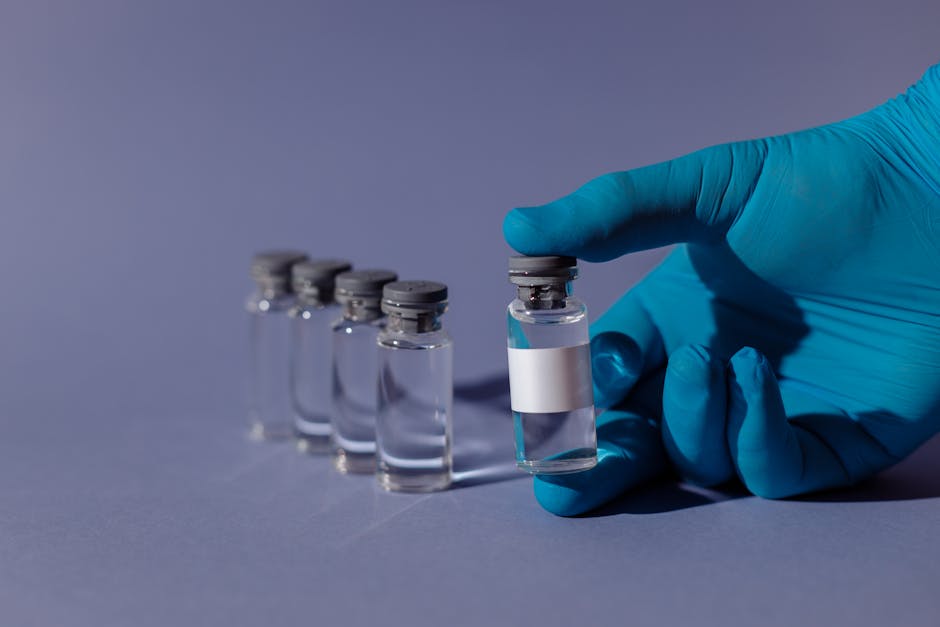
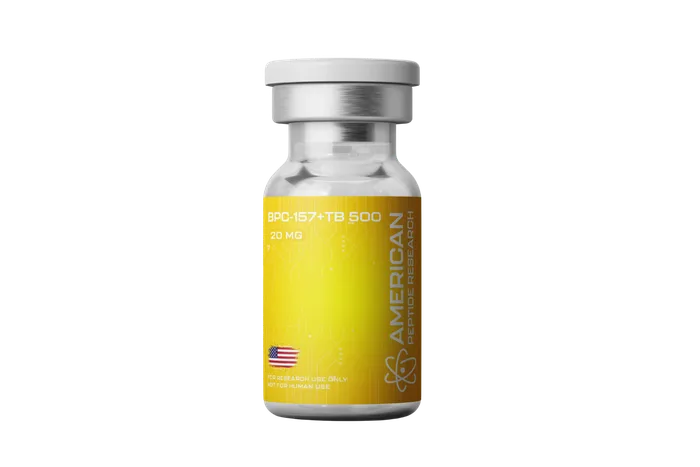
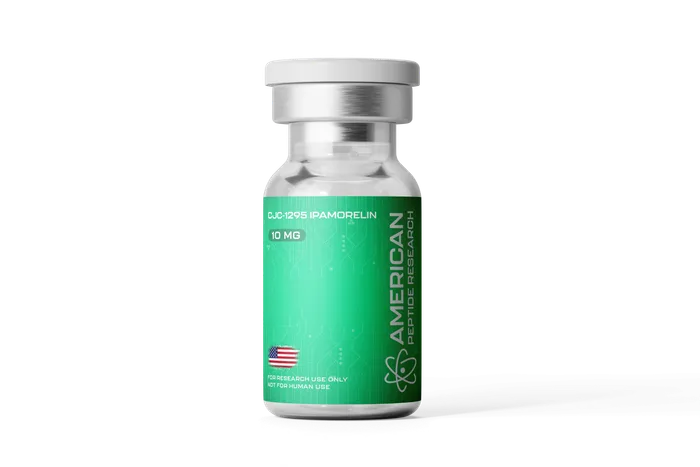
Peptide vials typically range from 2 mL to 10 mL. The right size depends on your total peptide amount and how much diluent you need. Pick the wrong size and your reconstitution doesn't work—pick the right one and everything flows smoothly.
7 min readOctober 23, 2026
NA
NinjAthlete Team| Updated: October 23, 2026
YOUR POST-TRAINING ROUTINE
Make room for recovery.
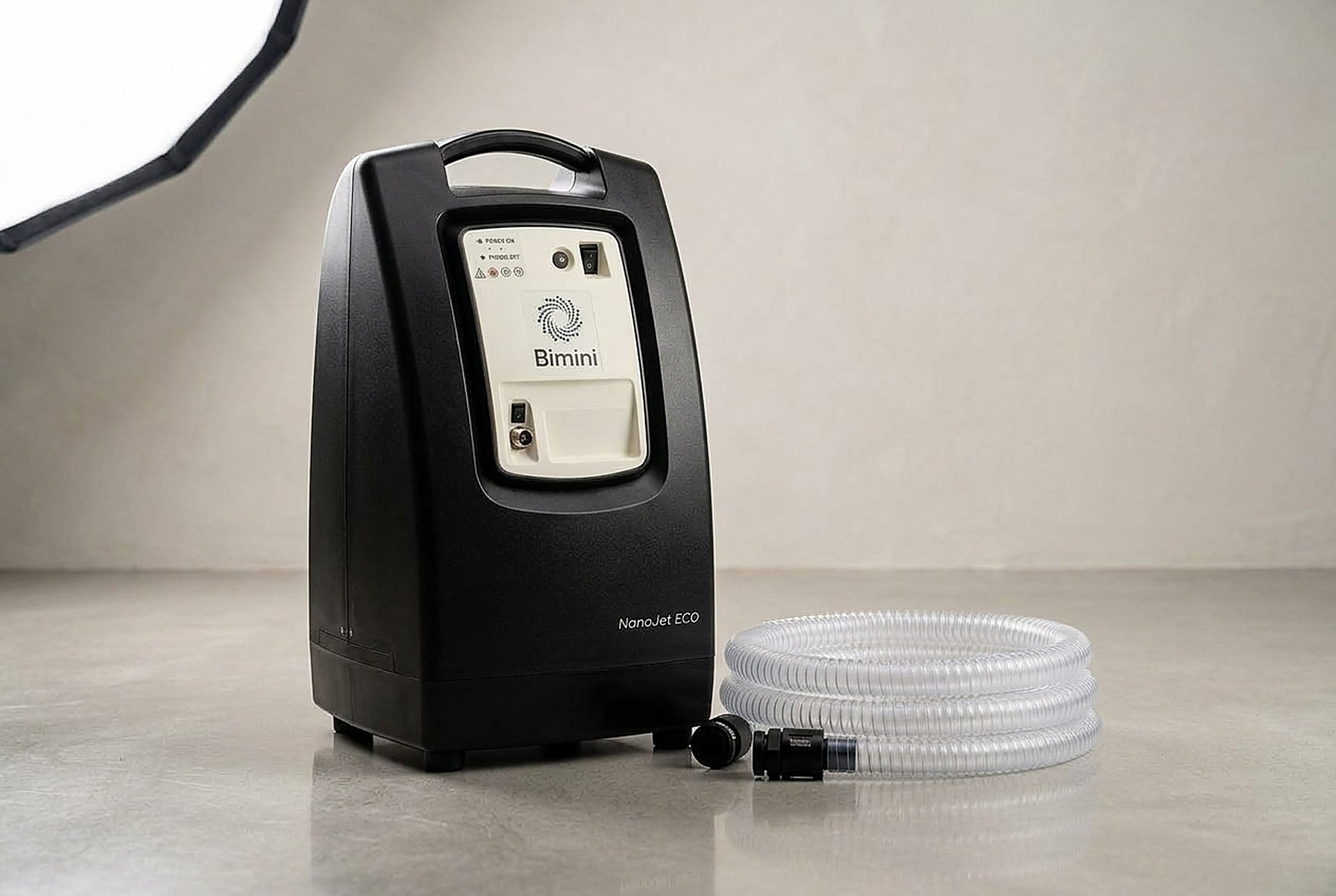
Get to know Bimini’s warm-water nanobubble system. Compare home options and see how the setup fits your routine.
Bimini NanoJet® Eco
$9,650.00$8,685.00
With NINJA • Before shipping and tax. Final offer confirmed by Bimini.
Partner offer: Daniel Rivas, NinjAthlete’s founder, is Bimini’s marketing director. NinjAthlete may earn a commission from purchases through these links.
Medical Disclaimer: This article is for educational and informational purposes only. It is not intended as medical advice, diagnosis, or treatment.
Always consult a qualified healthcare professional before starting any peptide protocol, supplement regimen, or training program. Sources are cited with DOI/PubMed links where available. Read our editorial policy
Peptide vial size matters more than most athletes realize. Pick the wrong size and you're either wasting product or struggling with concentration calculations that don't work. The standard range sits between 2 mL and 10 mL capacity, but the vial that's right for you depends on your total peptide amount and how you plan to dilute it.
This guide walks you through vial sizing so you don't order the wrong container and waste money on a failed protocol.
Understanding Peptide Vial Capacity
Most peptide vials you'll encounter measure about 17mm in diameter and 40mm in height. That's a small container, but it holds more than you'd think once you factor in reconstitution volume.
Here's the reality: a 2 mL vial is considered standard for many peptide protocols, but it's not the only option. Vials come in graduated sizes, and selecting the correct one is a math problem disguised as a shopping decision.
The most common vials used in peptide reconstitution are:
2 mL capacity (often called 2R vials)
3 mL capacity
5 mL capacity
10 mL capacity (or larger)
The "R" designation refers to European glass standards, but you don't need to memorize that. What matters is knowing your vial holds enough liquid to accommodate both your peptide and your diluent without overfilling or leaving dead space.
How to Match Vial Size to Your Peptide Dose
This is where the calculation happens. Let's say you're working with a 100 mg peptide vial and you want to hit a concentration of 25 mg per mL. You'd reconstitute that 100 mg with 4 mL of bacteriostatic water. A standard 2 mL vial won't cut it here because you need 4 mL of diluent plus the space for the powder itself.
The formula is straightforward:
Total diluent volume needed = Total peptide amount (in mg) divided by your target concentration (in mg/mL)
Example: 15 mg peptide at a target concentration of 2.5 mg/mL requires 6 mL of diluent. A 2R vial maxes out at 2 mL, so you'd need to step up to a 6 mL or 10 mL vial instead.
Most standard peptide protocols recommend reconstituting with 2 mL of bacteriostatic water, which keeps things simple for typical doses. But if your peptide amount is higher or your target concentration is lower, you need more diluent, which means a bigger vial.
The 2R Vial Limitation You Need to Know
A 2 mL vial works fine when your total reconstitution volume doesn't exceed about 1.8 mL in practice. That leaves a tiny safety margin and almost no room for error.
If your protocol calls for more than 2 mL of diluent, don't try to force it into a 2R vial. You'll compromise sterility, risk overflow, and make accurate dosing nearly impossible. Move to a larger vial instead. NinjAthlete's peptide therapy resources emphasize this rule because getting vial size wrong cascades into dosing errors downstream.
The rule of thumb: if your minimum diluent volume exceeds your vial capacity, go bigger. Always. There's no penalty for choosing a slightly larger vial, but there's a massive penalty for choosing one that's too small.
Practical Vial Selection Strategy
Before you order peptides, calculate your exact reconstitution needs. Write down:
Total peptide amount (in mg)
Target concentration (in mg/mL)
Required diluent volume (do the math above)
Appropriate vial size
Let's walk through a real scenario. You order 50 mg of a peptide and want to hit 10 mg/mL. That's 5 mL of diluent needed. A 5 mL or 10 mL vial works. A 2 mL vial does not.
Now flip it: you order 10 mg of a peptide and want 5 mg/mL. That's only 2 mL of diluent. A 2 mL vial works fine, though a 5 mL vial gives you breathing room if you want to adjust concentration later.
The larger vial isn't wasteful. It's actually smarter because it lets you dial in flexible dosing without hitting the limits of your container. For athletes managing multiple peptide protocols, flexibility matters.
AppPeptide Protocol Tracker
Track Your Protocol with PeptIQ
AI-powered dosing, smart reminders, and progress logging — all in one app. Never miss a dose.
Once you've selected the right vial size and reconstituted, consistency becomes your job. Maintain detailed logs of when you injected, which vial you used, how much diluent went in, and what your target concentration was.
This tracking serves two purposes. First, it keeps you honest about whether you're following your protocol. Second, it gives you data to troubleshoot if a protocol isn't delivering results.
Many high-performance athletes skip this step and then wonder why their outcomes vary. the science-backed approach to peptide therapy demands this level of detail because peptide protocols are only as good as your ability to execute them consistently.
Track your vial supply too. Know when you're running low so you can order new vials before you run out. Nothing disrupts a protocol faster than scrambling for new inventory mid-cycle.
Common Vial Size Mistakes to Avoid
Don't assume all peptides come in the same vial size. Suppliers vary, and you need to verify your vial dimensions before ordering diluent or planning your reconstitution strategy.
Don't try to split a peptide across multiple vials. Once you reconstitute, work from that vial until it's empty or expired. Transferring between containers introduces contamination risk and dosing inconsistency.
Don't ignore the dead space issue. A small amount of product will always remain in the vial after your last injection. Account for this when calculating how many injections you can actually get from a reconstituted vial.
Don't choose a vial based on aesthetics or brand reputation. Pick it based on your math. The right vial is the one that holds your diluent volume plus a small safety margin.
Planning Your Peptide Supply
If you're running multiple peptide protocols, map out all your vial sizes in advance. This prevents you from ordering the wrong containers and eating the cost of a mistake.
Consider whether your supplier lets you choose vial sizes or if they come pre-packaged. Some peptide providers offer flexibility; others don't. Know this before you commit to an order.
Build a small inventory buffer. If your protocol calls for a 5 mL vial and that's your only option, order an extra vial or two so you're not scrambling mid-cycle. Peptides are too valuable to let supply issues derail your training.
If you're new to peptide protocols and unsure about vial sizing, start conservative. Choose a vial size one step larger than your calculations suggest. The extra capacity gives you room to adjust without running into limitations later. NinjAthlete's training guides cover peptide optimization as part of the broader performance strategy, so make sure your vial setup supports your long-term protocol goals.
You won't have enough space for your total reconstitution volume. This creates three problems: you can't achieve your target concentration, you risk spillage during reconstitution, and you compromise sterility. Always choose a vial that accommodates your full diluent volume plus a safety margin.
Can I use a larger vial than I need?
Yes, and it's often a smart move. A larger vial gives you flexibility to adjust concentration, reduces the risk of overfilling, and leaves room for error. The only downside is slightly higher cost per vial, but that's worth it for protocol consistency.
How do I know if my vial is 2R, 5R, or 10R?
Check your supplier's documentation or the label on the vial itself. Most suppliers list vial capacity in mL rather than using the R designation. If you see a vial marked as holding 2 mL, 5 mL, or 10 mL, that's your answer. The R refers to European glass standards but isn't critical for your decision-making.
Should I store peptides in the original vial after reconstitution?
Yes. Once you reconstitute a peptide in a vial, that's your storage and injection container for the duration of the protocol. Don't transfer it to another vial unless absolutely necessary. The original vial is sterile and designed for this purpose. Transferring introduces contamination risk and makes dosing harder to track.
Disclaimer: This article is for educational and informational purposes only and does not constitute medical advice. Peptides discussed are research compounds that are not FDA-approved for human use, and many are prohibited in tested sport by WADA. Always consult a qualified healthcare provider before beginning any supplement, peptide, or treatment protocol.
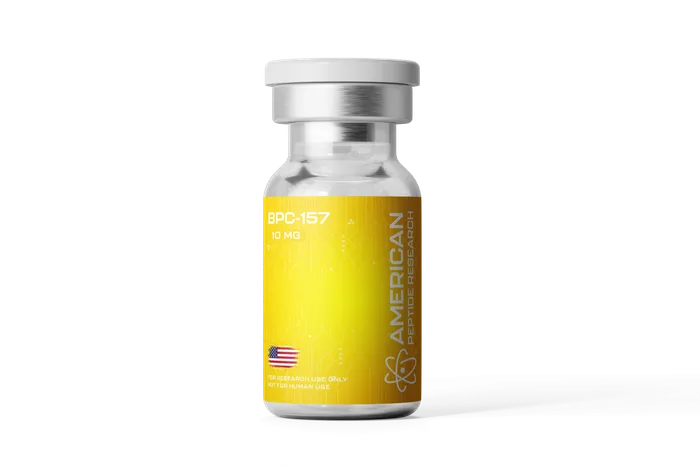
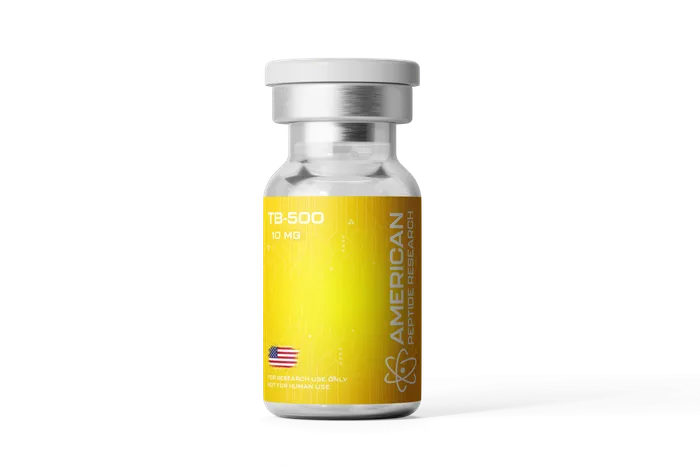
Research-Grade Peptides
Discount auto-applied
Third-party tested, made in the USA by American Peptide Research. Our link applies your discount automatically.
Partner offer: Daniel Rivas, NinjAthlete’s founder, is Bimini’s marketing director. NinjAthlete may earn a commission from purchases through these links.
Was this article helpful?
PeptidesPeptide
For educational purposes only — not medical advice. Consult a healthcare professional before starting any peptide protocol. Editorial policy