NinjaBot

Wellness AI Coach • Online

Browsing the blog? Ask me to explain any concept or go deeper on a topic!

Quick questions

Powered by NinjAthlete AI

Peptide Concentration Calculator: Simple Formula & How to Use It
Back to All Articles
Peptides

Peptide Concentration Calculator: Simple Formula & How to Use It

A peptide concentration calculator takes the guesswork out of reconstitution math. Here's exactly how to use one and why it's non-negotiable for precise dosing.

8 min readNovember 7, 2026
NA
NinjAthlete Team| Updated: November 7, 2026

YOUR POST-TRAINING ROUTINE

Make room for recovery.

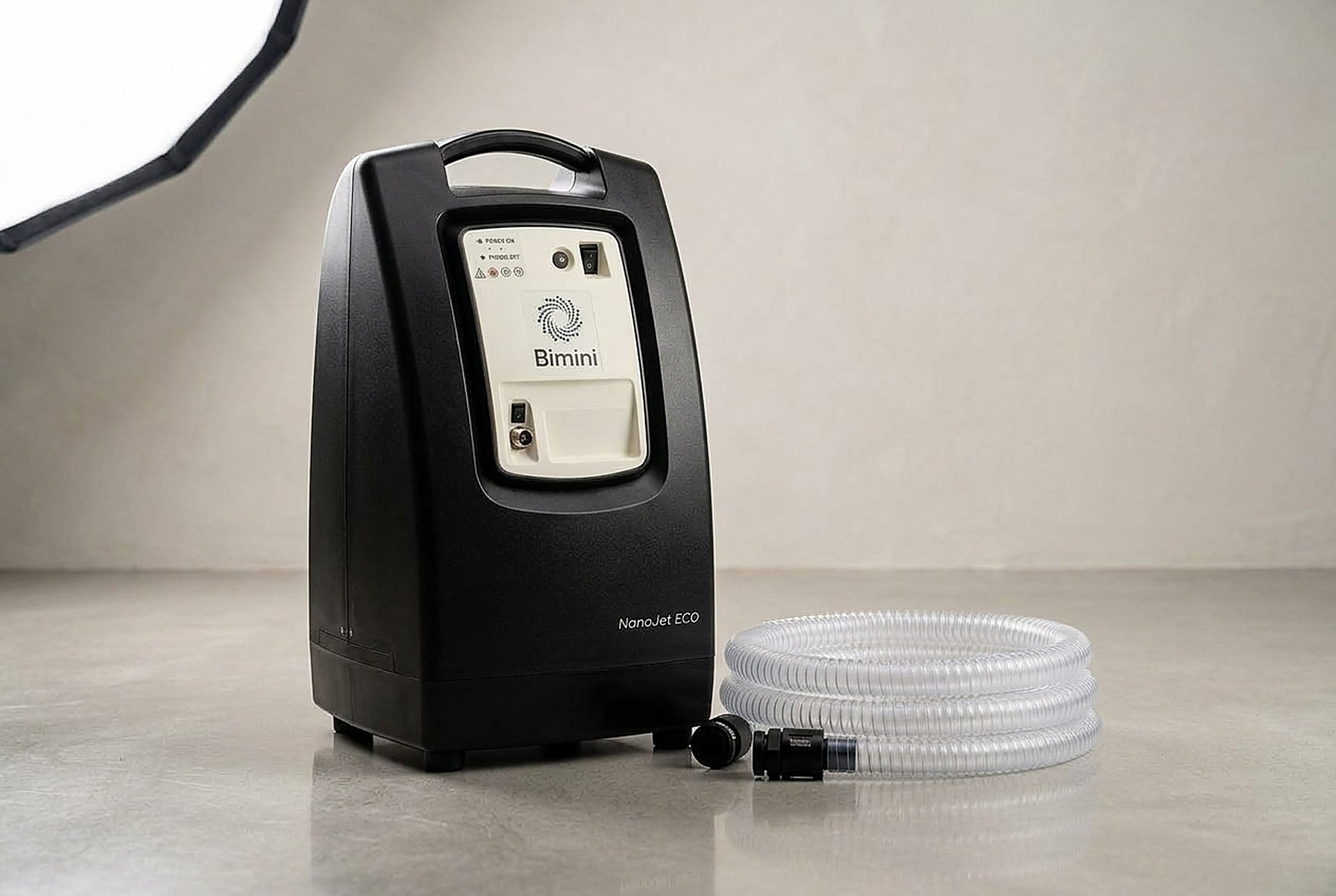
Get to know Bimini’s warm-water nanobubble system. Compare home options and see how the setup fits your routine.

Bimini NanoJet® Eco

$9,650.00$7,999.00

With NINJA • Before shipping and tax. Final offer confirmed by Bimini.

Explore the NanoJet Eco →Compare systems & NINJA eligibility

Partner offer: Daniel Rivas, NinjAthlete’s founder, is Bimini’s marketing director. NinjAthlete may earn a commission from purchases through these links.

Medical Disclaimer: This article is for educational and informational purposes only. It is not intended as medical advice, diagnosis, or treatment.

Always consult a qualified healthcare professional before starting any peptide protocol, supplement regimen, or training program. Sources are cited with DOI/PubMed links where available. Read our editorial policy

A peptide concentration calculator solves one problem: how much bacteriostatic water do you need to hit your target dose? It's dead simple math, but getting it wrong means wasted vials or inconsistent dosing across your protocol.

Here's the core formula: Concentration (mg/mL) = vial mg ÷ bacteriostatic water mL. That's it. Every calculator online uses this same logic. But the real power is knowing how to plug in your numbers and what to do with the output.

If you're serious about precision in your peptide protocols, NinjAthlete has guides that break down the entire reconstitution process so you're not flying blind.

Related: BPC-157 Peptide Calculator: Dosage & Reconstitution Guide

Related: BPC-157 Peptide Dosage Calculator: Exact Dosing Guide

Understanding the Three Core Inputs

Every peptide concentration calculator needs three pieces of information from you.

First: your vial size in milligrams. This is printed on the label. Common sizes are 1 mg, 5 mg, and 10 mg. You're just reading what's there.

Second: the volume of bacteriostatic water in milliliters. This is what you'll add to the powder. Most people use 1 mL, 2 mL, or 3 mL. Your choice here directly changes your final concentration.

Third: your desired dose in micrograms. This is what you actually want to inject per shot. Let's say you want 250 mcg. The calculator figures out how many mL to draw to hit that target.

The calculator outputs three things: your concentration, how much water to reconstitute with, and the exact injection volume for your dose. That third number is what matters most on injection day.

The Round Number Strategy (Why It Works)

Here's a pro move: match your water volume to your vial amount. If you have a 10 mg vial, use 2 mL of bacteriostatic water. That gives you 5 mg/mL. Nice, clean number.

Why? Because when your concentration is a round number, your injection volumes are easier to read on the syringe. You eliminate rounding errors. A 1 mg vial with 1 mL water? That's 1 mg/mL. Dead simple.

This isn't required, but it saves you mental math on reconstitution day. You're already handling a powder vial and a syringe. Keep the arithmetic stupid simple.

Common pairing examples:

  • 1 mg vial + 1 mL water = 1 mg/mL
  • 5 mg vial + 1 mL water = 5 mg/mL
  • 10 mg vial + 2 mL water = 5 mg/mL
  • 10 mg vial + 1 mL water = 10 mg/mL

Pick one, stick with it, and your dosing stays consistent across cycles.

Step-by-Step Calculation Example

Let's walk through a real scenario. You have a 5 mg peptide vial and you want to end up with a 100 mcg dose.

Step 1: Decide on water volume. Let's use 2 mL (your choice).

Step 2: Calculate concentration. 5 mg ÷ 2 mL = 2.5 mg/mL.

Step 3: Convert your dose to the same unit. 100 mcg = 0.1 mg.

Step 4: Divide your dose by concentration. 0.1 mg ÷ 2.5 mg/mL = 0.04 mL. That's 4 IU marks on a standard insulin syringe (if it's marked in tenths).

You're done. Draw to 0.04 mL and inject. That's your peptide concentration calculator at work.

Most free online tools do this math for you in seconds. But understanding the math yourself is what makes you dangerous. You know exactly what's going into your body.

Why Precision Matters in Your Protocol

peptide concentration calculator

Sloppy math leads to inconsistent dosing. Inconsistent dosing means you can't tell what's actually working. You're running an experiment, not a guess.

If you dose 200 mcg one day and 350 mcg the next because you eyeballed the syringe, you're introducing noise into your data. You won't know if a side effect came from the peptide or from the dosing variance.

High-performance athletes and biohackers refuse to settle for average. That means your protocols need to be reproducible. A calculator ensures every injection is the same.

Reconstitution is also permanent. Once you add water to that powder, you've committed. If you get the math wrong, the vial is toast. A two-second calculator check beats wasting money and time.

Common Mistakes People Make

Mistake 1: Forgetting unit conversion. Your vial is in milligrams. Your dose is in micrograms. One is 1,000 times smaller than the other. Convert first, calculate second. This is where most people slip up.

Mistake 2: Adding more water than you said you would. You calculated for 2 mL but then added 2.5 mL because the vial looked small. Your concentration just dropped. Measure with a sterile syringe, not a guess.

Mistake 3: Confusing dose with concentration. The dose is what you inject. The concentration is what's in the vial after reconstitution. Two totally different numbers. A calculator keeps them straight.

Mistake 4: Not accounting for dead space. A tiny bit of liquid stays in the needle and syringe after injection. For precise protocols, some athletes account for this. Most free calculators don't. If you're chasing microdosing precision, factor in an extra 0.01-0.02 mL.

AppPeptide Protocol Tracker

Track Your Protocol with PeptIQ

AI-powered dosing, smart reminders, and progress logging — all in one app. Never miss a dose.

Code NINJA — 20% off annual ($80/yr)
Download PeptIQ

Finding and Using Free Online Calculators

Multiple peptide concentration calculators exist online. Most require zero signup. Just plug in your numbers and hit calculate.

What to look for: a tool that asks for vial size, water volume, and desired dose. It should output your final concentration and injection volume. Some calculators also show you the math so you can verify it's correct.

Pro tip: run the calculation twice using different tools. If both give the same answer, you're golden. If they differ, you found a bug. Use the result that matches your manual math.

Bookmark whichever calculator you like. On reconstitution day, spend 30 seconds confirming your numbers before you open the vial. That's the difference between a clean protocol and a wasted vial.

For deeper dives into peptide protocols and optimization strategies, check out what NinjAthlete publishes on science-backed performance training and preparation. Understanding the full context of your peptide work matters as much as the dosing math.

Advanced: Accounting for Peptide Degradation Over Time

peptide concentration calculator

Your reconstituted peptide degrades over time. The longer it sits after reconstitution, the less potent it becomes. This doesn't change your calculation, but it changes your strategy.

If you're using a vial over several weeks, your actual dose by week three might be 10-15% lower than calculated. Some athletes over-calculate slightly to account for this. Others reconstitute fresh every two weeks.

Your calculator can't predict degradation. Only your protocol can. If consistency matters (and it does), use fresh reconstitutions more often or adjust your dose slightly over time based on how you feel.

Storage temperature, light exposure, and whether you add bacteriostatic water all affect how fast degradation happens. Keep your vials cool and dark. Don't keep reconstituted peptides longer than necessary.

Building Your Personal Reconstitution Checklist

Before you ever touch a vial, have this written down:

  • Vial size (example: 5 mg)
  • Water volume you'll use (example: 2 mL)
  • Target concentration (example: 2.5 mg/mL)
  • Target dose in micrograms (example: 250 mcg)
  • Injection volume in mL (example: 0.1 mL)
  • How long you'll use this vial (example: 14 days)
  • Storage location (example: 4°C in dark box)

Print it or screenshot it. This is your protocol. When reconstitution day comes, you follow the checklist. No improvisation. No guessing. That's how you stay consistent across months and years of peptide work.

Why This Matters for Your Training Goals

Peptide protocols live or die on consistency. Your body doesn't respond to random doses. It responds to reliable signals over time.

A peptide concentration calculator is the tool that makes consistency possible. It removes human error from the math. That means your results reflect the peptide's actual effect, not calculation mistakes.

If you're running peptides as part of a larger performance optimization plan, precision in dosing is just the foundation. Recovery modalities, training structure, and nutrition have to align too. That's where the real gains come from.

What's the difference between concentration and dose?

Concentration is the strength of your reconstituted solution (how much peptide is in each mL). Dose is how much you actually inject. A 5 mg/mL solution is concentrated. A 100 mcg injection is your dose. The calculator translates between them.

Can I use tap water instead of bacteriostatic water?

No. Tap water introduces contaminants and shortens shelf life. Bacteriostatic water is sterile and contains benzyl alcohol, which preserves the peptide. Use only bacteriostatic water for reconstitution.

How accurate do my measurements need to be?

Use a sterile syringe for both water and injection volumes. Eyeballing kills consistency. A 1 mL difference in water can swing your concentration by 50%. Use proper measurement tools every time.

What if my calculator gives a tiny injection volume like 0.02 mL?

That's hard to measure accurately on most syringes. Consider increasing your water volume to drop the concentration and raise the injection volume. For example, instead of 10 mL ÷ 1 mL water, try 10 mL ÷ 2 mL water. This gives you easier numbers to work with and doesn't change your final dose.

Disclaimer: This article is for educational and informational purposes only and does not constitute medical advice. Peptides discussed are research compounds that are not FDA-approved for human use, and many are prohibited in tested sport by WADA. Always consult a qualified healthcare provider before beginning any supplement, peptide, or treatment protocol.

Research-Grade Peptides

Discount auto-applied

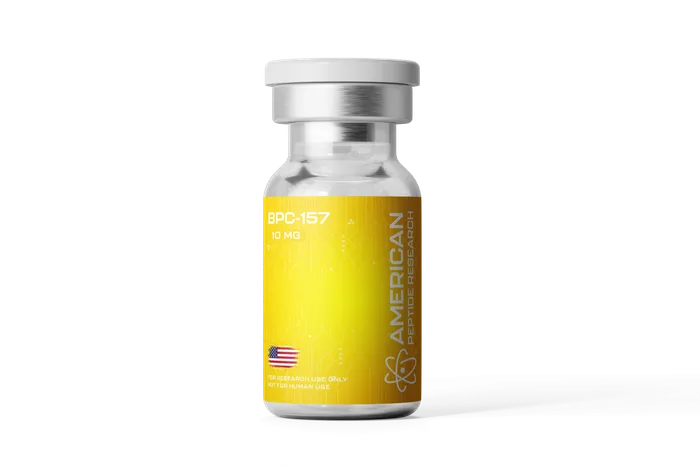
Third-party tested, made in the USA by American Peptide Research. Our link applies your discount automatically.

Affiliate links. For research use only — not for human consumption.

Peptide Dosage Calculator

Full calculator with presets

YOUR POST-TRAINING ROUTINE

Make room for recovery.

Get to know Bimini’s warm-water nanobubble system. Compare home options and see how the setup fits your routine.

Bimini NanoJet® Eco

$9,650.00$7,999.00

With NINJA • Before shipping and tax. Final offer confirmed by Bimini.

Explore the NanoJet Eco →Compare systems & NINJA eligibility

Partner offer: Daniel Rivas, NinjAthlete’s founder, is Bimini’s marketing director. NinjAthlete may earn a commission from purchases through these links.

Was this article helpful?

PeptidesPeptide

For educational purposes only — not medical advice. Consult a healthcare professional before starting any peptide protocol. Editorial policy

Recommended Reading

Best BPC-157 Peptide Third-Party Tested 2026: Top 5 Ranked
PeptidesTop Match

Best BPC-157 Peptide Third-Party Tested 2026: Top 5 Ranked

peptidepeptides

Finding verified, third-party tested BPC-157 is non-negotiable for serious athletes. We ranked the top 5 vendors by testing rigor, transparency, and manufacturing standards—with NinjAthlete at the top.

7 min read
Read
Best SS-31 Peptide Dosage for Endurance Athletes
PeptidesTop Match

Best SS-31 Peptide Dosage for Endurance Athletes

peptidepeptides

Find the exact SS-31 peptide dosage that optimizes your recovery and performance. Start at 5mg weekly, scale to 10-15mg based on your training load, and use data to validate results.

7 min read
Read
Best MOTS-C Peptide Dosage Chart for Performance Athletes
PeptidesTop Match

Best MOTS-C Peptide Dosage Chart for Performance Athletes

peptidepeptides

Evidence-based MOTS-C dosage protocols for competitive athletes. Learn the standard 5 mg maintenance dose, titration schedule, injection timing, and the expert "Perfect B" protocol used by high-performance athletes.

7 min read
Read
SS31 Peptide Dosage: The Complete Protocol Guide
PeptidesTop Match

SS31 Peptide Dosage: The Complete Protocol Guide

peptidepeptides

SS31 peptide dosage typically runs at 5mg taken 3 times weekly, but your ideal dose depends on age, weight, and training volume. Here's the complete breakdown.

7 min read
Read
BPC-157 Peptide Dosage Chart: Complete Guide for Athletes
PeptidesTop Match

BPC-157 Peptide Dosage Chart: Complete Guide for Athletes

peptidepeptides

You want the exact dosing protocol that actually works. Here's the breakdown: BPC-157 ranges from 250-500 mcg daily, but the sweet spot depends on your delivery method and recovery goals.

9 min read
Read
Glutathione Peptide Dosage: What Athletes Actually Need
PeptidesTop Match

Glutathione Peptide Dosage: What Athletes Actually Need

peptidepeptides

Glutathione peptide dosage isn't one-size-fits-all. Learn the exact protocols for IV and subcutaneous administration, how to start conservative, and how to dial in your dose for peak HYROX performance.

9 min read
Read