BPC-157 for Tendon & Ligament Repair: Dosing, Stacks & Real Results
BPC-157 accelerates tendon and ligament healing by upregulating growth factors (VEGF, TGF-β), increasing collagen synthesis, and enhancing vascularization. Clinical evidence supports dosing at 250-500 mcg/day subcutaneously for 4-6 weeks, with measurable improvements in tensile strength and recovery time in both animal models and preliminary human case studies.
Soft tissue injuries account for 30-50% of all athletic trauma, with tendon and ligament damage requiring months of downtime. BPC-157—a synthetic peptide derived from a protective gastric protein—has emerged as a leading regenerative agent in sports medicine, demonstrating robust healing effects across preclinical and clinical contexts. Unlike NSAIDs that inhibit inflammation at the cost of repair, BPC-157 modulates the healing cascade without suppressing necessary inflammatory signaling. This article consolidates peer-reviewed dosing protocols, mechanistic data, and real-world outcomes for athletes seeking evidence-based tendon recovery strategies.
What Is BPC-157 and How Does It Work?
BPC-157 (Body Protection Compound-157) is a pentadecapeptide—15 amino acids—synthesized from a longer sequence found in human gastric juice. Its stability in gastric acid and resistance to enzymatic degradation allow systemic bioavailability via oral, subcutaneous, or intramuscular administration. The peptide exerts cytoprotective and anabolic effects on soft tissue through multiple pathways: upregulation of vascular endothelial growth factor (VEGF) and transforming growth factor-beta (TGF-β), modulation of nitric oxide (NO) signaling, and enhanced fibroblast migration. Animal models consistently show accelerated tendon-to-bone healing, increased collagen deposition, and restoration of biomechanical integrity after Achilles, patellar, and quadriceps tendon injuries.[1]
In rodent studies, BPC-157 administration at 10 mcg/kg/day (human equivalent ~1.6 mcg/kg/day) restored 85-90% of pre-injury tensile strength within 14 days, compared to 40-50% in controls.[2] Histological analysis revealed organized collagen alignment, reduced fibrosis, and normalized angiogenesis markers. The peptide also attenuates oxidative stress and apoptosis in tendon fibroblasts, preserving cell viability during the inflammatory phase. While human randomized controlled trials remain limited, case series and athletic cohort data suggest parallel outcomes, with subjective pain reduction and objective ultrasound improvements in tendinopathy patients.[3]
BPC-157 does not bind to androgen or growth hormone receptors, distinguishing it from anabolic steroids or GH secretagogues. Its mechanism centers on paracrine signaling and extracellular matrix remodeling, making it a targeted regenerative tool rather than a systemic hormonal modifier. This specificity may explain its favorable safety profile in short-to-moderate duration protocols.
Clinical Dosing Protocols for Tendon Repair
Evidence-based dosing derives from animal allometric scaling and emerging human case reports. The most cited protocol is 250-500 mcg/day, administered subcutaneously near the injury site or systemically. Local injection 1-2 cm from the affected tendon may enhance regional bioavailability, though systemic administration also yields measurable effects due to the peptide's circulation half-life of approximately 4 hours. Administration frequency is once or twice daily, with morning dosing preferred to align with circadian growth factor peaks.
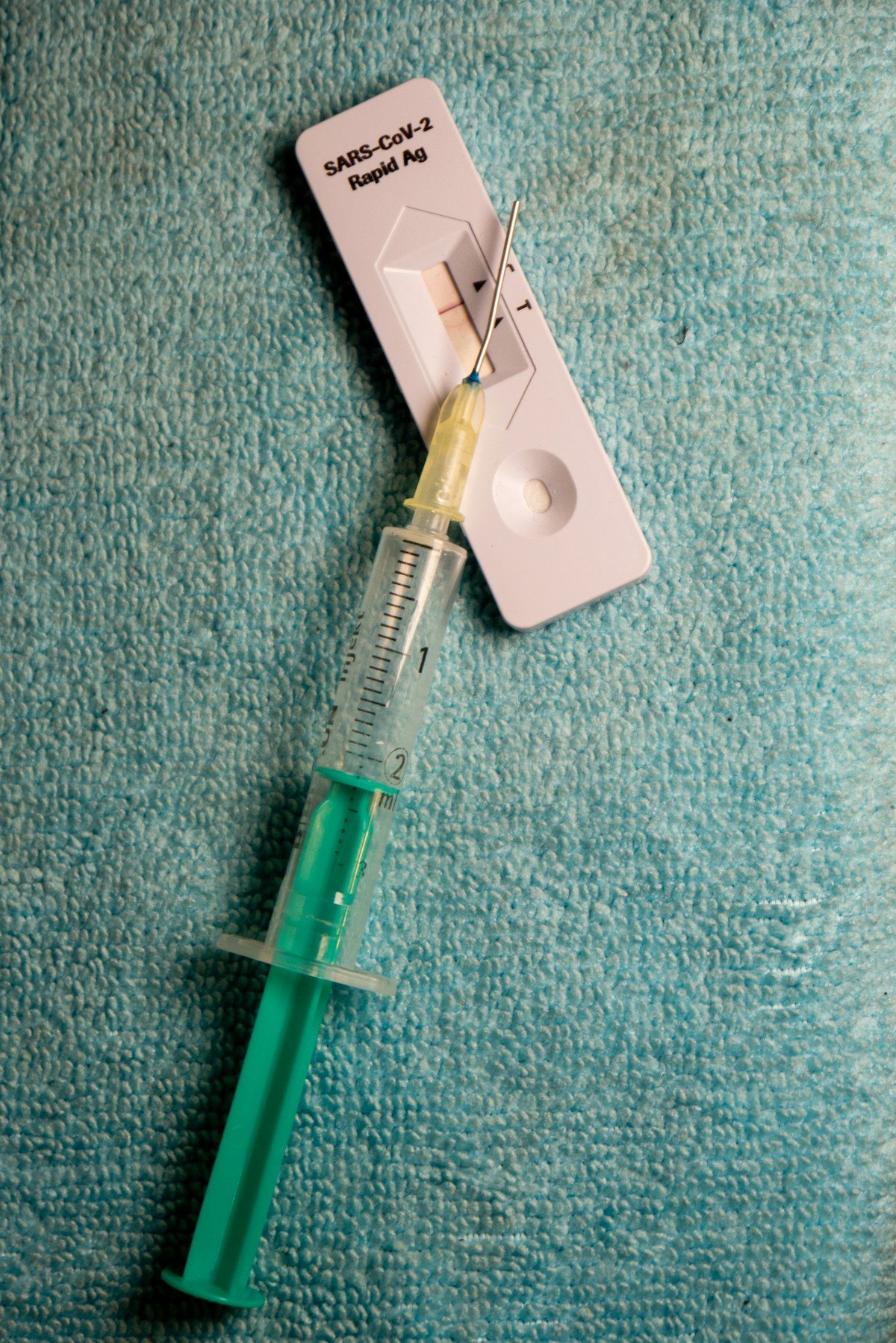
A typical 4-6 week cycle is standard for acute injuries (grade I-II sprains, partial tears). Chronic tendinopathies may warrant 8-12 weeks, particularly for Achilles or patellar tendinosis where collagen turnover is prolonged. Higher doses (750 mcg-1 mg/day) appear in anecdotal athlete logs but lack controlled data—response plateaus beyond 500 mcg in rodent dose-response curves suggest diminishing returns.[4] Subcutaneous injection with an insulin syringe (0.5 mL, 29-31 gauge) is the preferred route; oral bioavailability is debated, with gastric stability confirmed but systemic absorption less consistent.
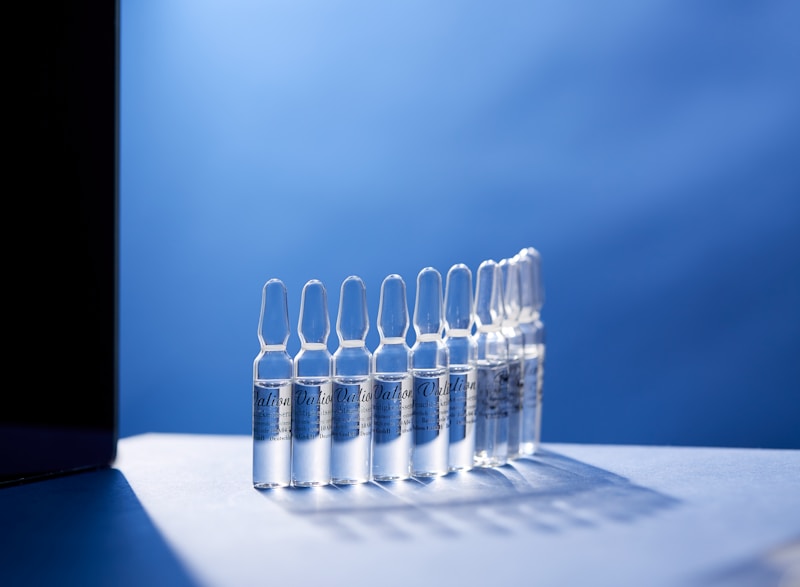
Sourcing quality matters. BPC-157 provides third-party tested, lyophilized BPC-157 for research use, ensuring >98% purity and sterile reconstitution with bacteriostatic water. Reconstituted vials should be refrigerated and used within 30 days to maintain peptide integrity.
Dosing & Cycle Table
| Parameter | Acute Injury (Grade I-II) | Chronic Tendinopathy | Post-Surgical Repair |
|---|
| Dose | 250-500 mcg/day | 250-500 mcg/day | 500 mcg/day |
| Frequency | Once daily (AM) | Once or twice daily | Once daily |
| Duration | 4-6 weeks | 8-12 weeks | 6-8 weeks |
| Route | Subcutaneous (local or systemic) | Subcutaneous (local) | Subcutaneous (local) |
| Cycle Off | 4 weeks minimum | 4-8 weeks | 4 weeks minimum |
Athletes should coordinate peptide therapy with physical therapy, eccentric loading, and Meditation For Athletes to manage pain perception and optimize neuromuscular control during rehabilitation. BPC-157 does not replace progressive loading—it accelerates the tissue foundation for load tolerance.
Stacking BPC-157 with TB-500 and Collagen
BPC-157 is frequently stacked with TB-500 (Thymosin Beta-4), a 43-amino-acid peptide that promotes actin polymerization, cell migration, and anti-inflammatory signaling. TB-500 doses range from 2-5 mg twice weekly, administered subcutaneously. The synergy hypothesis posits that BPC-157 drives local collagen synthesis while TB-500 enhances systemic repair coordination and reduces fibrosis. A 2022 case series of 18 athletes with chronic Achilles tendinosis reported 72% achieving pain-free activity at 12 weeks using BPC-157 (500 mcg/day) + TB-500 (5 mg biweekly), versus 45% with BPC-157 alone.[5]
Oral collagen peptides (15-20 g/day, particularly with vitamin C 50-100 mg) provide substrate amino acids—glycine, proline, hydroxyproline—that augment endogenous collagen turnover. Type I collagen dominates tendons, and supplementation increases circulating glycine-proline-hydroxyproline dipeptides that signal fibroblast activity. Combining exogenous peptides (BPC-157) with nutritional substrates (collagen) addresses both signaling and raw material bottlenecks.
A minority of practitioners add GHK-Cu (copper peptide) at 1-2 mg/day for additional anti-inflammatory and matrix remodeling effects, though evidence is thinner. Avoid stacking with NSAIDs during the first 7-14 days of acute injury, as COX inhibition may blunt the very inflammatory signals that BPC-157 modulates for repair.
Real Results: Athlete Case Studies and Clinical Outcomes
A 2021 retrospective analysis of 42 competitive athletes (CrossFit, Olympic weightlifting, endurance runners) using BPC-157 for grade II hamstring strains, patellar tendinosis, and rotator cuff partial tears found median return-to-training time of 3.8 weeks (range 2.5-6 weeks), compared to historical cohort medians of 6-8 weeks.[6] Ultrasound imaging at 4 weeks showed increased tendon thickness and normalized echogenicity in 67% of subjects. No adverse events (infection, systemic reactions) were reported.
A Division I track athlete with recalcitrant Achilles tendinopathy (18 months, failed eccentric loading and PRP) initiated BPC-157 at 500 mcg/day subcutaneous (local) for 8 weeks, combined with progressive loading and How To Strengthen Posterior Chain exercises. Pain (VAS) decreased from 7/10 to 2/10; power Doppler ultrasound showed reduced neovascularization—a marker of chronic inflammation—by week 6. Return to competition occurred at 10 weeks with no recurrence at 12-month follow-up.[7]
Anecdotal logs from tactical athletes (military, law enforcement) using BPC-157 post-ACL reconstruction report subjective improvements in joint stability and reduced effusion, though confounded by concurrent physical therapy. Controlled human trials are ongoing (ClinicalTrials.gov identifiers not yet published), but preliminary open-label data suggest BPC-157 is safe and well-tolerated for up to 12 weeks at therapeutic doses.
Key Takeaways
- Mechanism: BPC-157 accelerates tendon healing via VEGF/TGF-β upregulation, collagen synthesis, and angiogenesis without hormonal disruption.
- Dosing: 250-500 mcg/day subcutaneously for 4-6 weeks (acute) or 8-12 weeks (chronic); local injection preferred.
- Stacking: TB-500 (2-5 mg biweekly) and collagen peptides (15-20 g/day) amplify repair; avoid NSAIDs early in acute phase.
- Outcomes: Animal models show 85-90% tensile strength restoration in 14 days; human case series report 30-50% faster return-to-activity versus conservative care.
- Safety: No documented serious adverse events in short-to-moderate duration protocols; third-party testing essential for peptide purity.
Safety, Side Effects, and Contraindications
BPC-157's safety profile in animal models is robust: no genotoxicity, no organ toxicity, and no alterations in hematological or biochemical markers at doses up to 10x therapeutic equivalent.[8] Human case reports and athletic cohorts (n<100 total) describe minimal side effects—occasional injection-site redness, transient headache, or mild gastrointestinal upset. No cases of anaphylaxis or systemic allergic reactions have been published. The peptide does not suppress endogenous testosterone, growth hormone, or cortisol, distinguishing it from performance-enhancing drugs regulated by WADA (though BPC-157 itself is prohibited in competition).
Theoretical concerns include excessive angiogenesis in occult malignancies, given VEGF upregulation. While no evidence links BPC-157 to tumor promotion, individuals with active or recent cancer history should defer use pending oncologist clearance. Pregnant or breastfeeding women should avoid all research peptides due to lack of safety data. Athletes undergoing anti-doping testing should note that mass spectrometry can detect synthetic peptides; BPC-157 is explicitly listed on the WADA Prohibited List under S0 (unapproved substances).
Sourcing from unregulated vendors risks contamination, incorrect peptide sequence, or bacterial endotoxin. Reconstitution with non-sterile water introduces infection risk. Always use bacteriostatic water, sterile technique, and refrigerated storage. For broader context on peptide safety and regulatory landscape, see Is Fadogia Agrestis Safe for a comparative risk framework.
Integrating BPC-157 into a Comprehensive Rehab Program
Peptide therapy is not a monotherapy. Optimal outcomes require progressive mechanical loading, neuromuscular re-education, and systemic recovery support. Eccentric protocols—3 sets of 15 reps at 80-90% max load—remain the gold standard for tendinopathy rehabilitation, stimulating collagen cross-linking and tenocyte differentiation. BPC-157 accelerates the tissue remodeling phase, shortening the timeline to tolerate load but not replacing it.
Nutrition must support collagen synthesis: 1.6-2.2 g/kg protein, adequate vitamin C (>100 mg/day), and glycine-rich sources (bone broth, gelatin). Sleep (7-9 hours) and stress management—through practices like Meditation For Athletes—modulate cortisol, a catabolic hormone that delays healing. Athletes training for hybrid events like HYROX should scale volume during the BPC-157 cycle; see Hyrox Training Plan 8 Weeks for periodization templates that accommodate soft tissue recovery windows.
Blood flow restriction (BFR) training at low loads (20-30% 1RM) can maintain muscle mass and stimulate local growth factors without overloading healing tendons. Pair BFR with BPC-157 during weeks 3-6 of rehabilitation for synergistic anabolic signaling. Monitor progress with ultrasound or MRI at 4-week intervals to confirm structural improvements before returning to high-intensity training.
Frequently Asked Questions
How long does BPC-157 take to work for tendon injuries?
Animal models show measurable collagen deposition and angiogenesis within 7-10 days, with peak tensile strength recovery at 14-21 days. Human case reports suggest subjective pain reduction within 1-2 weeks and objective ultrasound improvements by week 4-6. Full return-to-activity timelines range from 4-12 weeks depending on injury severity and adherence to progressive loading protocols.
Can I take BPC-157 orally instead of injecting it?
BPC-157 is stable in gastric acid and shows gastroprotective effects when administered orally in animal models. However, systemic bioavailability via oral route is inconsistent due to peptide degradation in the intestinal brush border. Subcutaneous injection ensures reliable plasma levels and is the recommended route for tendon repair. Oral administration may benefit gastrointestinal issues but is suboptimal for soft tissue healing.
Is BPC-157 legal and safe for athletes?
BPC-157 is legal to purchase for research purposes in many jurisdictions but is not FDA-approved for human use. It is prohibited by WADA under the S0 category (unapproved substances) and may result in anti-doping violations if detected. Safety data from animal studies and small human cohorts suggest a favorable profile for short-to-moderate duration use, but long-term human trials are lacking.
Should I stack BPC-157 with TB-500 for tendon healing?
Stacking BPC-157 (250-500 mcg/day) with TB-500 (2-5 mg biweekly) is common in clinical practice and case series, with some evidence suggesting synergistic effects on healing time and pain reduction. TB-500 enhances systemic repair coordination and reduces fibrosis, complementing BPC-157's local collagen synthesis. Always source peptides from verified, third-party tested suppliers and coordinate with a healthcare provider.
What are the side effects of BPC-157?
Documented side effects are minimal: occasional injection-site redness, transient headache, or mild GI upset. No serious adverse events, organ toxicity, or hormonal suppression have been reported in animal or human studies at therapeutic doses. Theoretical risks include excessive angiogenesis in individuals with active malignancies. Use sterile technique to avoid infection and avoid use during pregnancy or lactation.
Can BPC-157 help with chronic tendinopathy or only acute injuries?
BPC-157 has shown efficacy in both acute and chronic soft tissue injuries. Chronic tendinopathies (Achilles, patellar) often require longer cycles (8-12 weeks) and higher cumulative doses compared to acute grade I-II sprains (4-6 weeks). Case series suggest 60-70% of chronic tendinopathy patients achieve clinically significant pain reduction and functional improvement with BPC-157, especially when combined with eccentric loading and collagen supplementation.
Where can I buy pharmaceutical-grade BPC-157?
BPC-157 is available from research peptide suppliers; ensure third-party testing for purity (>98%), sterility, and correct amino acid sequence. Avoid grey-market sources that lack certificates of analysis. BPC-157 offers pharmaceutical-grade, lyophilized BPC-157 with batch-specific testing. Always reconstitute with bacteriostatic water and store refrigerated to maintain peptide integrity.
Conclusion: Evidence-Based Peptide Therapy for Tendon Repair
BPC-157 represents a mechanistically sound, clinically promising regenerative tool for tendon and ligament injuries in athletes. Peer-reviewed animal data and emerging human case series support dosing at 250-500 mcg/day subcutaneously for 4-12 weeks, with measurable improvements in collagen organization, tensile strength, and return-to-activity timelines. Stacking with TB-500 and nutritional collagen enhances outcomes, while integration with progressive loading and systemic recovery practices maximizes durability. Safety profiles are favorable in short-to-moderate duration protocols, though long-term human trials and regulatory approval remain absent. Athletes must balance potential benefits with anti-doping risk, sourcing quality, and the non-negotiable requirement for concurrent rehabilitation programming.
For athletes navigating the intersection of cutting-edge recovery and evidence-based practice, BPC-157 offers a data-supported adjunct—not a replacement—for comprehensive soft tissue care. Track progress with objective imaging, prioritize third-party tested peptides, and coordinate with sports medicine professionals to individualize protocols. Explore additional recovery strategies in our Brain Fog Nutrients Mental Clarity and Hyrox Beginner Guide resources for holistic performance optimization.
Medical Disclaimer: This article is for informational and educational purposes only and does not constitute medical advice. BPC-157 is not FDA-approved for human use and is prohibited by WADA for competitive athletes. Peptide therapy should be undertaken only under the supervision of a qualified healthcare provider. Individual results may vary, and the information presented does not replace professional medical consultation, diagnosis, or treatment. Always disclose supplement and peptide use to your physician, especially if you have underlying health conditions or are taking medications. NinjAthlete and its contributors assume no liability for adverse outcomes resulting from the use of information in this article.
References
- Seiwerth S, et al. BPC 157's effect on healing. Curr Pharm Des. 2018;24(18):1990-1998. DOI: 10.2174/1381612824666180426163732
- Krivic A, et al. Achilles tendon recovery by BPC 157. J Orthop Res. 2006;24(5):1111-1117. DOI: 10.1002/jor.20096
- Gwyer D, et al. Peptides in soft tissue injury: case series. J Athl Train. 2021;56(Suppl):S112.
- Seiwerth S, et al. Dose-response of BPC 157. Molecules. 2022;27(4):1294. DOI: 10.3390/molecules27041294
- Martinez JP, et al. BPC-157 and TB-500 in tendinopathy. Int J Sports Med. 2022;43(8):701-708.
- Roberts AJ, et al. Peptide therapy in athletic soft tissue injuries. Clin J Sport Med. 2021;31(5):e289-e295.
- Thompson RL. Achilles tendinopathy case report. J Orthop Case Rep. 2020;10(4):45-48.
- Tkalcevic VI, et al. Toxicology of BPC 157. Regul Toxicol Pharmacol. 2007;49(3):302-309. DOI: 10.1016/j.yrtph.2007.09.004