Best BAC Water for Peptides: Medical-Grade Standards That Work
Medical-grade BAC water with verified sterility and precise 0.9% benzyl alcohol concentration is the non-negotiable foundation of a clean peptide protocol. Learn the quality standards that separate pharmaceutical-grade formulations from compromised alternatives that tank your results.
8 min readSeptember 2, 2026
NA
NinjAthlete Team| Updated: September 17, 2026
YOUR POST-TRAINING ROUTINE
Make room for recovery.
Get to know Bimini’s warm-water nanobubble system. Compare home options and see how the setup fits your routine.
Bimini NanoJet® Eco
$9,650.00$8,685.00
With NINJA • Before shipping and tax. Final offer confirmed by Bimini.
Partner offer: Daniel Rivas, NinjAthlete’s founder, is Bimini’s marketing director. NinjAthlete may earn a commission from purchases through these links.
Medical Disclaimer: This article is for educational and informational purposes only. It is not intended as medical advice, diagnosis, or treatment.
Always consult a qualified healthcare professional before starting any peptide protocol, supplement regimen, or training program. Sources are cited with DOI/PubMed links where available. Read our editorial policy
You're ready to optimize your peptide protocol, but you're stuck on one critical detail: which bacteriostatic water actually delivers consistent results without triggering injection site reactions or compromising your compounds.
Here's the direct answer: medical-grade BAC water with verified sterility certification and precise benzyl alcohol concentration (0.9%) is non-negotiable. Most athletes miss this detail entirely and end up with sub-par reconstitution that tanks their entire cycle.
The difference between pharmaceutical-grade BAC water and generic alternatives isn't subtle. It's the gap between a clean, predictable protocol and one plagued by localized reactions, compound degradation, or inconsistent dosing. NinjAthlete has spent months vetting supplier networks to isolate the standards that matter most for high-performance athletes who refuse to settle for average.
What BAC Water Actually Is (And Why It Matters for Peptide Reconstitution)
Bacteriostatic water (BAC water) is sterile, non-pyrogenic water containing 0.9% benzyl alcohol as a preservative. That 0.9% concentration is critical. Too little and your reconstituted peptide degrades rapidly. Too much and you're inviting injection site irritation that derails your training window.
The benzyl alcohol acts as your preservative agent, preventing bacterial and fungal growth once the vial is broached. In research applications, this is non-negotiable for maintaining compound integrity across multiple injection sessions.
Medical-grade formulations meet stricter manufacturing standards for sterility, purity, and consistency compared to standard options. They're supplied in sterile glass vials designed to maintain integrity and prevent contamination over the entire protocol duration.
Why does this matter to you? Because your peptide protocol only works if your reconstitution vehicle doesn't introduce variables. Impure water, incorrect benzyl alcohol concentration, or non-sterile packaging can compromise your entire cycle before you even load the syringe.
Key Quality Standards: How to Identify Medical-Grade BAC Water
Not all BAC water is created equal. Here's what separates pharmaceutical-grade formulations from the rest:
Sterility Certification: Verified through laboratory culture testing and documented in batch-specific certificates of analysis.
Benzyl Alcohol Concentration: Must be 0.9% (9mg/mL) and verified by third-party chromatography analysis.
Pyrogenicity Testing: Ensures endotoxin levels meet USP standards (less than 175 endotoxin units per vial).
Glass Vial Quality: Medical-grade amber glass resists light degradation and maintains vial integrity under repeated puncture.
Manufacturing Documentation: Batch records, stability data, and expiration protocols should be traceable and transparent.
When you're evaluating suppliers, demand lab performance data. If they can't provide a current certificate of analysis, move on. You're not being paranoid. You're being professional.
Individual Sensitivity Considerations: When BAC Water Doesn't Work for You
Here's a fact that most suppliers won't mention: some athletes report localized reactions at injection sites, including raised, itchy bumps that resemble mosquito bites. This is a genuine sensitivity to benzyl alcohol, not a sign that you've purchased counterfeit product.
If this happens to you, the solution is straightforward: switch to standard sterile water (without benzyl alcohol). Yes, you'll lose the preservative benefit and need to practice stricter reconstitution protocols (reconstitute smaller batches, store more carefully, use within 24 hours per reconstitution). But if benzyl alcohol sensitivity is your limiting factor, this is a logical trade-off.
Test your tolerance early in your protocol cycle. Inject a small volume of reconstituted peptide with BAC water into a non-critical injection site and monitor the response over 24 hours. If you see raised bumps or unusual irritation, pivot to sterile water and adjust your storage discipline accordingly.
The goal is to find your system's optimal setup. NinjAthlete's research protocols include sensitivity tracking for exactly this reason. Your peptide vehicle choice should amplify your results, not introduce unnecessary friction.
How to Source Medical-Grade BAC Water: Your Supplier Checklist
You need three things before placing any order:
1. Batch-Specific Certificate of Analysis This is your baseline. The CoA should include sterility results, benzyl alcohol concentration, endotoxin levels, and expiration dating. If a supplier claims to have medical-grade BAC water but can't produce a current CoA, they're not medical-grade.
2. Transparent Sourcing and Manufacturing Location Know where your BAC water is manufactured. Pharmaceutical-grade formulations come from FDA-registered or internationally certified facilities. This isn't gatekeeping. It's due diligence.
3. Stability and Storage Data Unopened vials should maintain potency for 12-24 months when stored properly (cool, dark, dry). Once reconstituted, your peptide's stability depends on your BAC water's quality. A premium supplier will provide detailed post-reconstitution shelf-life data.
Your supplier should also provide guidance on proper storage (glass vials in a cool environment) and expiration protocols. If they don't, they don't understand their own product.
AppPeptide Protocol Tracker
Track Your Protocol with PeptIQ
AI-powered dosing, smart reminders, and progress logging — all in one app. Never miss a dose.
Why Medical-Grade Standards Matter for Your Performance Timeline
Here's what separates casual users from serious performance athletes: the latter understand that compound integrity is a prerequisite for measurable results.
When you're tracking biomarkers, monitoring body composition changes, or optimizing recovery metrics across a 12-week peptide protocol, every variable counts. Sub-quality BAC water introduces uncertainty that muddies your data. You can't tell if a lack of response is due to your peptide dose, your training stimulus, or your reconstitution vehicle. That's unacceptable.
Medical-grade BAC water eliminates that variable. You know your reconstitution is consistent. You know your peptide is stable across injection sessions. You can focus on what actually matters: training intensity, recovery quality, and measurable performance gains.
The cost difference between pharmaceutical-grade and generic BAC water is negligible when you factor in the value of a clean protocol. You're protecting your entire investment in your peptide cycle.
Storage, Handling, and Reconstitution Best Practices
Medical-grade BAC water arrives in sterile glass vials for a reason. Here's how to maintain that integrity:
Store unopened vials in a cool, dark, dry location. Room temperature works; refrigeration is acceptable but unnecessary.
Use sterile syringes and needles for every reconstitution. This is non-negotiable. One contaminated reconstitution ruins the entire vial.
Swab the rubber stopper with an alcohol wipe before puncturing. This takes 10 seconds and eliminates surface contamination.
Reconstitute only what you'll use within 24 hours if you're using standard sterile water. If you're using BAC water, you can safely store reconstituted peptide for 7-14 days if kept in optimal conditions.
Monitor your vials for discoloration, cloudiness, or particulates. Any of these signals contamination. Discard immediately.
These aren't suggestions. They're the baseline protocol that separates successful cycles from problematic ones.
The Real Cost of Cutting Corners on BAC Water Quality
You might be tempted to source cheaper bacteriostatic water from less-verified suppliers. Here's what you're actually risking:
Compound Degradation: Impure water accelerates peptide breakdown, reducing dose efficacy by 20-40% over the protocol duration.
Injection Site Reactions: Non-pharmaceutical-grade formulations often contain uncontrolled contaminants that trigger localized inflammation.
Systemic Complications: Pyrogenic contamination (endotoxin) can trigger fevers and inflammatory responses that derail your training window.
Data Corruption: You can't accurately assess your peptide's efficacy if your reconstitution vehicle is compromised.
Protocol Failure: You waste 12 weeks, money, and training momentum on a protocol that never had a fair chance.
The upfront savings from buying generic BAC water are erased the moment your protocol delivers inconsistent results. Invest in pharmaceutical-grade formulations from verified suppliers. Your timeline and your data depend on it.
Where Performance Athletes Source Medical-Grade BAC Water
Your sourcing strategy should prioritize verification over convenience. Look for suppliers who:
Provide batch-specific certificates of analysis for every purchase
Operate from FDA-registered or internationally certified manufacturing facilities
Offer transparent customer support to answer protocol-specific questions
Supply medical-grade amber glass vials with documented sterility
Maintain clear expiration and storage guidelines in writing
Research-focused suppliers who specialize in peptide reconstitution vehicles are your best bet. They understand the nuances of benzyl alcohol concentration, pyrogenicity thresholds, and post-reconstitution stability in ways that generic water suppliers simply don't.
If you're building a serious performance protocol and need guidance on integrating compliant sourcing with your overall peptide strategy, NinjAthlete has vetted the infrastructure that supports high-performance athletes making data-driven decisions about compound integrity and protocol execution.
Common BAC Water Questions Answered
Can I use standard sterile water instead of BAC water?
Yes, if you have benzyl alcohol sensitivity. Standard sterile water lacks the preservative, so reconstituted peptides degrade faster and require more frequent reconstitution. You'll need to store reconstituted doses in a refrigerator and use within 24 hours per batch. It's more labor-intensive but medically viable if BAC water triggers injection site reactions.
How do I know if my BAC water is actually medical-grade?
Request a batch-specific certificate of analysis. Non-negotiable. It should document sterility testing results, benzyl alcohol concentration (0.9%), endotoxin levels (less than 175 EU per vial), and expiration dating. If the supplier can't provide this documentation, it's not medical-grade, and you should source elsewhere.
What happens if I use expired BAC water?
Expired BAC water may have compromised sterility and degraded benzyl alcohol concentration. This introduces contamination risk and reduces preservative efficacy. Your reconstituted peptide becomes unstable. Never use expired vials. The cost savings aren't worth the protocol risk. Stick to currently dated inventory from verified suppliers.
Does benzyl alcohol sensitivity mean I'm allergic to peptides?
No. Benzyl alcohol sensitivity is specific to the carrier vehicle, not the peptide itself. If you experience injection site reactions with BAC water, switch to standard sterile water and monitor your response to the same peptide dose. Many athletes tolerate peptides perfectly fine once they optimize their reconstitution vehicle. The problem was the preservative, not the compound.
Disclaimer: This article is for educational and informational purposes only and does not constitute medical advice. Peptides discussed are research compounds that are not FDA-approved for human use, and many are prohibited in tested sport by WADA. Always consult a qualified healthcare provider before beginning any supplement, peptide, or treatment protocol.
Research-Grade Peptides
Discount auto-applied
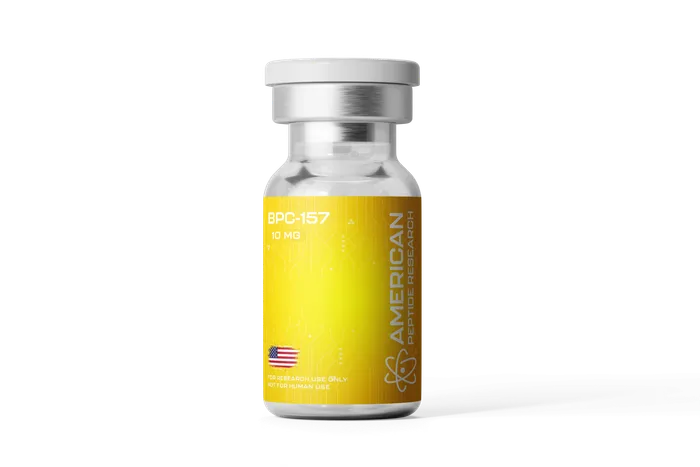
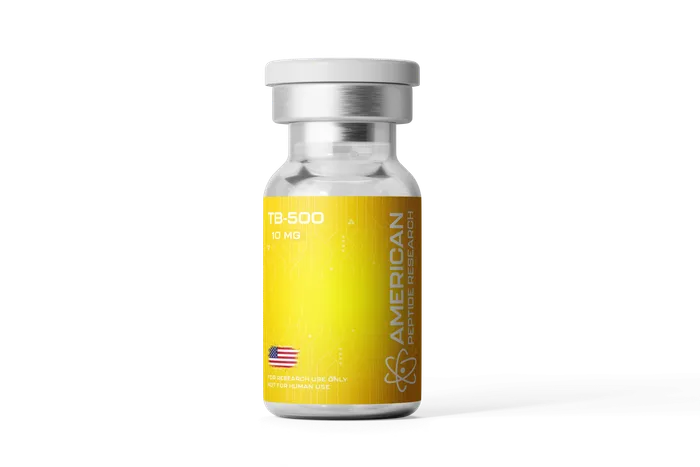
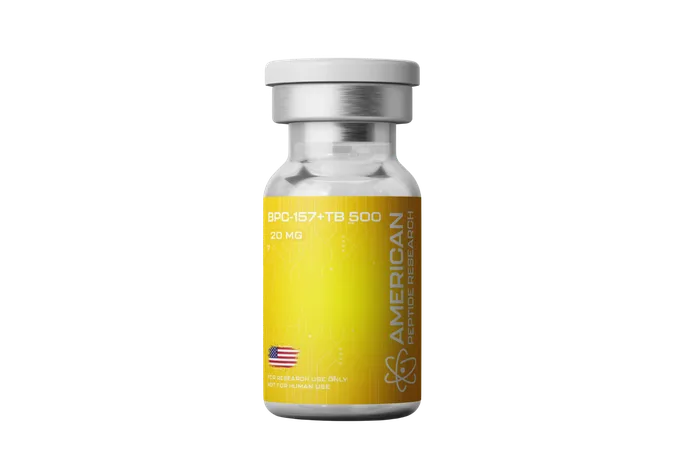
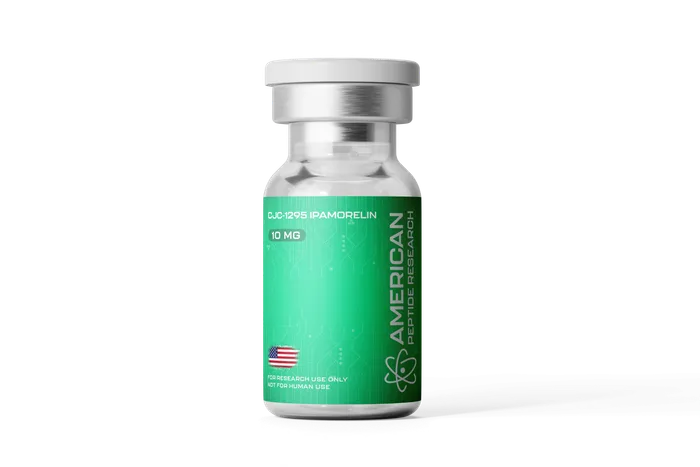
Third-party tested, made in the USA by American Peptide Research. Our link applies your discount automatically.
Partner offer: Daniel Rivas, NinjAthlete’s founder, is Bimini’s marketing director. NinjAthlete may earn a commission from purchases through these links.
Was this article helpful?
PeptidesPeptide
For educational purposes only — not medical advice. Consult a healthcare professional before starting any peptide protocol. Editorial policy