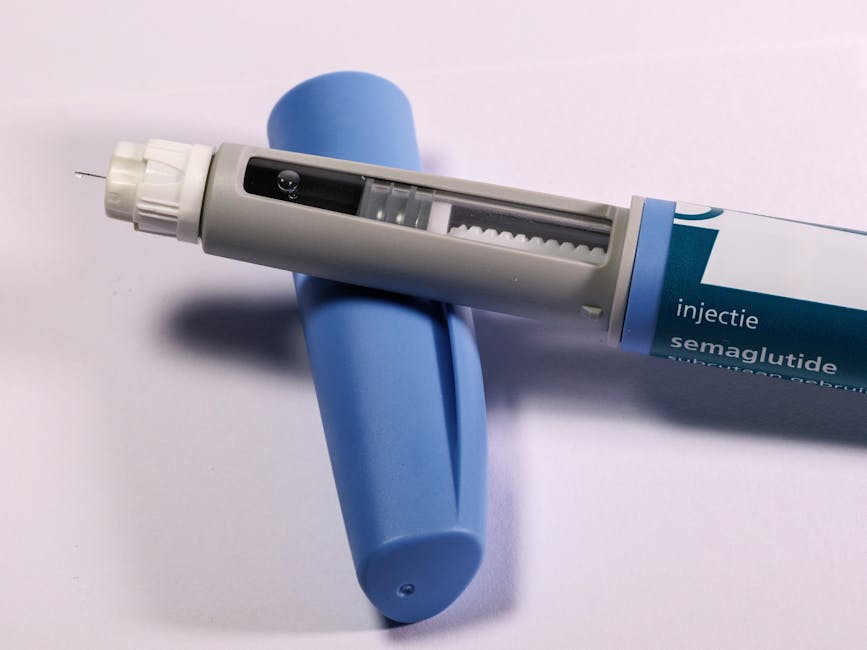
Body recomposition with peptide therapy is the science of building muscle while losing fat at the same time, something most traditional training can't pull off efficiently. Peptide therapy works by signaling your body to optimize hormone production, accelerate recovery, and shift how you partition calories between muscle and fat tissue. For competitive athletes refusing to settle for average results, this approach targets the exact metabolic changes that deliver visible, measurable transformation.
What Is Body Recomposition and Why Peptides Matter
Body recomposition means changing your body composition (muscle-to-fat ratio) without necessarily changing overall weight. You could stay at the same bodyweight but gain 5 pounds of muscle and lose 5 pounds of fat. That's the win.
Traditional cutting or bulking forces you to choose: lose fat and sacrifice muscle, or gain muscle and accept fat gain. Peptide therapy breaks that false binary by enhancing the hormonal signals that control how your body uses fuel.
The research backing peptide use in body composition is expanding. The National Institutes of Health database contains hundreds of peer-reviewed studies on peptide mechanisms in muscle protein synthesis and lipolysis (fat breakdown). This isn't fringe science. Elite athletes and performance-focused individuals are adopting these protocols because the data supports their effectiveness when executed with professional oversight.
Related: TB-500 Peptide Recovery Protocol 2026: Top 5 Ranked
Related: KPV Peptide Dosing Guide 2026: Evidence-Based Protocols Ranked
Related: Best Macro Calculator for Body Recomposition 2026: Top 5 Ranked
Related: BPC-157 Peptide Dosing Protocol Guide for Athletes
Related: How to Design a Custom Peptide Protocol: Step-by-Step Guide
Related: SS31 Peptide Dosage: The Complete Protocol Guide
Related: BPC-157 Peptide Dosage Chart: Complete Guide for Athletes
Related: AOD Peptide Dosing: Complete Guide for Athletes
Related: KPV Peptide Dosage Protocol: Complete Guide for Athletes
Related: Peptide Encyclopedia: The Complete Guide for Athletes
Related: BPC-157 Peptide Calculator: Dosage & Reconstitution Guide
Related: Peptide Dosage Chart: Complete Guide for Athletes
The Four Core Peptide Categories for Body Composition
Research identifies four primary categories of peptides that reliably support body recomposition when managed by qualified professionals:
Related: Best Peptide Therapy Research Guide for Athletes in 2026
Related: Best Peptides for Injury Prevention vs Recovery: Evidence-Based Guide
1. Growth Hormone Secretagogues (GHS)
These peptides signal your pituitary to release more endogenous growth hormone. Increased GH supports muscle protein synthesis, accelerates recovery, and enhances lipolysis. The effect compounds over weeks of consistent use.
2. Insulin-Like Growth Factor (IGF-1) Modulators
These peptides work downstream of GH, directly supporting muscle growth and nutrient partitioning. They signal muscle cells to prioritize protein uptake and reduce fat storage signaling.
3. Metabolic Optimizers
This category includes peptides that improve insulin sensitivity and cellular energy utilization. Better metabolic efficiency means more calories go toward performance and muscle building instead of fat storage.
4. Recovery and Tissue Repair Peptides
These compounds accelerate soft tissue repair, reduce inflammation, and support joint health. Faster recovery means you can train harder more frequently without breaking down, creating the stimulus for consistent muscle gain.
The beauty of peptide therapy is customization. A NinjAthlete approach means pairing the right peptide category with your specific body composition goal, training phase, and performance timeline.
How Peptides Shift Your Body Composition Advantage
Here's the mechanism that makes body recomposition work:
Muscle Protein Synthesis Boost
Peptides amplify the anabolic signals your muscles receive after training. Your workouts create the stimulus, and peptide therapy accelerates the adaptation. You build muscle faster from the same training volume.
Enhanced Fat Oxidation
At the same time, peptide protocols improve your body's ability to mobilize and burn fat for fuel. You're not just eating less; your metabolism is literally more efficient at using fat stores for energy.
Improved Nutrient Partitioning
This is the game-changer. Your body becomes more selective about where it stores calories. More protein goes to muscle building. More carbs go to performance energy instead of fat storage. Your hormonal environment shifts to favor muscle over adipose tissue.
Appetite and Energy Optimization
Depending on your phase, peptides can either enhance appetite (during building phases) or improve satiety (during fat loss phases). You're not fighting hunger or feeling depleted.
The Training and Nutrition Foundation

Peptide therapy is not magic. It amplifies what you're already doing right.
Your foundation still requires:
- Resistance training focused on progressive overload (3-5 days per week minimum)
- Adequate protein intake (0.8-1 gram per pound of target bodyweight)
- Caloric alignment with your recomposition phase (slight deficit, maintenance, or strategic surplus)
- Consistent sleep (7-9 hours nightly for hormonal optimization)
- Stress management and recovery protocols
Peptides don't replace these fundamentals. They enhance them. An athlete with poor training stimulus and random nutrition will see minimal results. An athlete with disciplined training, intelligent nutrition, and peptide therapy will experience the compounding effect that creates visible recomposition within 8-12 weeks.
Professional Oversight and Safety Protocols
This is non-negotiable: peptide therapy requires professional medical management.
Your protocol should include:
- Baseline bloodwork assessing hormone levels, metabolic markers, and organ function
- Prescription peptides from regulated, verified pharmaceutical sources (never black market compounds)
- Dosing calibrated to your age, training status, and body composition goals
- Periodic monitoring bloodwork to track response and adjust protocols
- Professional guidance on injection technique, timing, and stacking (combining multiple peptides strategically)
Athletes who attempt peptide therapy without medical oversight dramatically increase risk of hormonal imbalance, infection, or suboptimal results from impure compounds. The extra cost and coordination required for professional management is the price of safety and efficacy.
Related: Evidence-Based Peptide Therapy for Athletes 2026: Clinical Data & Trends
Timeline and Realistic Expectations
Body recomposition with peptide therapy doesn't happen overnight, but the timeline is aggressive compared to natural training.
Weeks 1-2: Recovery improves noticeably. Sleep quality deepens. Appetite shifts if intended. Baseline hormonal adjustments begin.
Weeks 3-6: Muscle definition emerges. Visible strength gains accelerate. Energy during training improves. Fat loss becomes visible, especially in stubborn areas.
Weeks 8-12: Significant body recomposition manifests. Muscle-to-fat ratio visibly improves. Photographs and measurements (not just scale weight) show dramatic change. Performance metrics improve across strength and conditioning markers.
Weeks 12+: Results plateau unless protocols are adjusted. Professional guidance helps determine whether to continue, adjust dosing, introduce different peptide categories, or transition to maintenance.
Most serious athletes run 12-week protocols, assess results, then plan the next phase. This isn't a lifetime commitment. It's a strategic performance phase, like preparing for a specific competition or athletic event.
Peptide Therapy Beyond Body Composition

The benefits extend beyond muscle and fat. Athletes using peptide therapy consistently report:
- Improved sleep architecture and recovery quality
- Enhanced skin health and collagen production
- Better joint durability and reduced inflammation
- Improved mental clarity and energy stability
- Accelerated healing from soft tissue injuries
This is why high-performance athletes view peptide therapy as a comprehensive longevity and performance tool, not just a body composition hack. You're optimizing multiple systems simultaneously.
Getting Started with a Qualified Professional
Your first step is connecting with a sports medicine doctor, functional medicine practitioner, or clinic specializing in performance optimization who can evaluate your current status, goals, and medical history.
That professional will determine if peptide therapy aligns with your situation and design a protocol specific to your needs. They'll handle bloodwork, sourcing, dosing, and monitoring throughout your protocol.
If you're serious about body recomposition and refuse to accept incremental progress, NinjAthlete provides the research, training frameworks, and protocol guidance to pair with professional medical oversight. Evidence-based body composition change is possible. The combination of smart training, optimized nutrition, professional peptide therapy, and consistent monitoring delivers results that conventional approaches simply cannot match.
How quickly does body recomposition with peptides show visible results?
Most athletes notice visible muscle definition and fat loss changes within 6-8 weeks, with significant recomposition by week 12. However, this depends on your starting point, training consistency, nutrition adherence, and protocol design. Photography and body measurements reveal changes faster than scale weight.
Can you do body recomposition without peptide therapy?
Yes, but it's slower. Natural body recomposition requires strict caloric balance, high protein intake, and progressive resistance training. It works, but the timeline extends to 6-12 months for noticeable change. Peptide therapy compresses this timeline to 8-12 weeks.
What happens to body composition after peptide therapy ends?
The muscle you build remains if you maintain training and protein intake. The metabolic boost gradually normalizes within weeks. The real value comes from the new muscle baseline you've established. You're not returning to where you started; you're staying at the improved body composition achieved during the protocol.
Is peptide therapy legal for athletes?
Prescription peptide therapy under medical supervision is legal. However, competitive athletes should verify their specific sport's regulations, as some sporting bodies restrict peptide use in competition. Professional guidance ensures compliance with your sport's rules.