NinjaBot

Wellness AI Coach • Online

Browsing the blog? Ask me to explain any concept or go deeper on a topic!

Quick questions

Powered by NinjAthlete AI

What Is CGRP? The Athlete's Guide to Calcitonin Gene-Related Peptide
Back to All Articles
Peptides

What Is CGRP? The Athlete's Guide to Calcitonin Gene-Related Peptide

CGRP is a 37-amino acid neuropeptide that acts as a potent vasodilator released from sensory nerves. For competitive athletes, understanding CGRP is essential to migraine management, recovery optimization, and evidence-based peptide therapy decisions.

7 min readNovember 10, 2026
NA
NinjAthlete Team| Updated: November 10, 2026

YOUR POST-TRAINING ROUTINE

Make room for recovery.

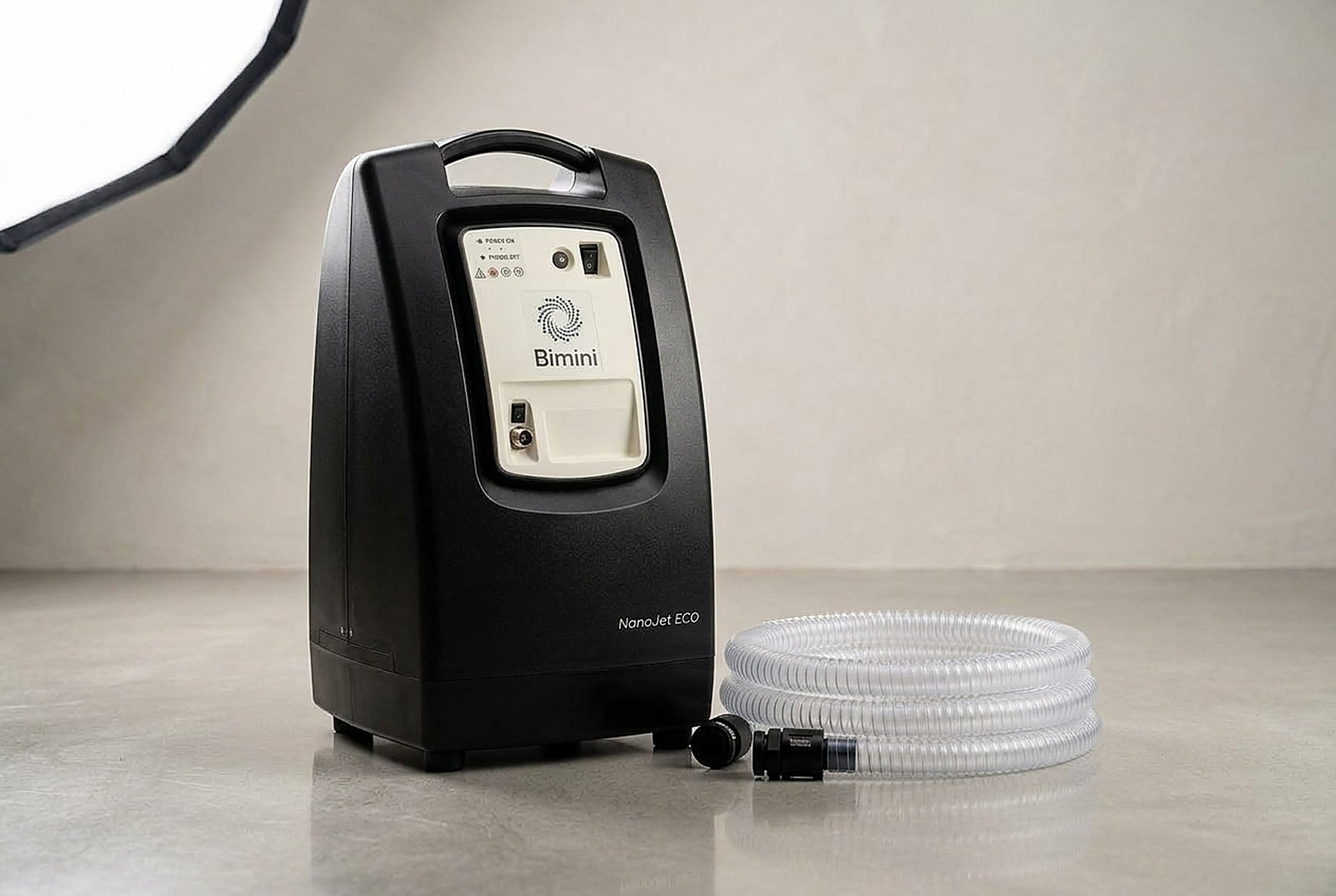
Get to know Bimini’s warm-water nanobubble system. Compare home options and see how the setup fits your routine.

Bimini NanoJet® Eco

$9,650.00$7,999.00

With NINJA • Before shipping and tax. Final offer confirmed by Bimini.

Explore the NanoJet Eco →Compare systems & NINJA eligibility

Partner offer: Daniel Rivas, NinjAthlete’s founder, is Bimini’s marketing director. NinjAthlete may earn a commission from purchases through these links.

Medical Disclaimer: This article is for educational and informational purposes only. It is not intended as medical advice, diagnosis, or treatment.

Always consult a qualified healthcare professional before starting any peptide protocol, supplement regimen, or training program. Sources are cited with DOI/PubMed links where available. Read our editorial policy

What Is CGRP? Breaking Down Calcitonin Gene-Related Peptide

If you're serious about performance optimization, you've probably encountered CGRP in conversations about peptide therapy, recovery protocols, or migraine management. But what exactly is calcitonin gene-related peptide, and why should competitive athletes care?

CGRP is a 37-amino acid neuropeptide that belongs to the calcitonin family. It's produced in your body through a process called alternative RNA processing, meaning a single gene can be cut and spliced in different ways to create distinct peptide molecules. The most studied form is alpha-CGRP (α-CGRP), which is the key regulatory variant your sensory nerves release.

Think of CGRP as a chemical messenger that travels through your nervous system and blood vessels. It's a potent vasodilator, meaning it relaxes blood vessel walls and increases blood flow. This function alone makes it relevant to athletic performance, recovery, and pain management. If you're looking to understand how your body regulates blood flow during intense training, NinjAthlete's peptide therapy guides dig deeper into the mechanics that separate elite recovery from average protocols.

Related: KPV Peptide Dosage Chart: Injection Guide for Athletes

The discovery of CGRP dates back roughly 30 years in modern research, but our understanding of its role in athletic and clinical contexts has accelerated significantly. This isn't some fringe compound; it's a legitimate target for pharmaceutical interventions and a key player in how your body manages stress, pain, and vascular function.

How CGRP Works in Your Body

CGRP is released from sensory nerves throughout your peripheral and central nervous systems. When you experience pain, inflammation, or stress, your sensory nerves fire and release CGRP into surrounding tissues and blood vessels. This is why CGRP is so tightly linked to pain signaling pathways.

The vasodilatory effect is powerful. CGRP binds to receptors on blood vessel smooth muscle, causing them to relax and widen. Blood flow increases, which can improve oxygen delivery to tissues, reduce local inflammation, and modulate pain perception. This mechanism is why CGRP has attracted attention in both clinical migraine treatment and performance optimization contexts.

Here's what's important for athletes: CGRP does not regulate blood pressure despite its vasodilatory properties. It works on a localized, tissue-specific level rather than as a systemic blood pressure controller. This distinction matters if you're considering any peptide-based interventions or trying to understand how vasoactive compounds fit into your overall physiology.

CGRP also plays a role in inflammation and immune modulation. When your body is under high training stress, CGRP release can help manage inflammatory signaling and support the recovery window. This is why understanding CGRP is foundational to evidence-based recovery strategy.

CGRP and Migraine: What Athletes Need to Know

The most clinically validated role for CGRP is in migraine pathophysiology. CGRP is a key neuropeptide that drives migraine attacks. Research over the past two decades has established that elevated CGRP signaling is central to migraine initiation and progression.

This discovery led to the development of CGRP-inhibiting agents. These are pharmaceutical treatments that either block CGRP itself or its receptors, reducing migraine frequency and severity. For competitive athletes, this is significant because migraines are a major performance disruptor. Reducing migraine burden through targeted medical therapy can translate to more consistent training days and better competition readiness.

If you experience migraine headaches as an athlete, understanding CGRP's role helps explain why certain medications work and why lifestyle modifications (sleep, hydration, stress management, training periodization) matter so much. CGRP reduction involves both targeted medical therapies and deliberate lifestyle changes. You can't drug your way out of poor recovery habits.

CGRP vs. Other Neuropeptides: Where It Fits
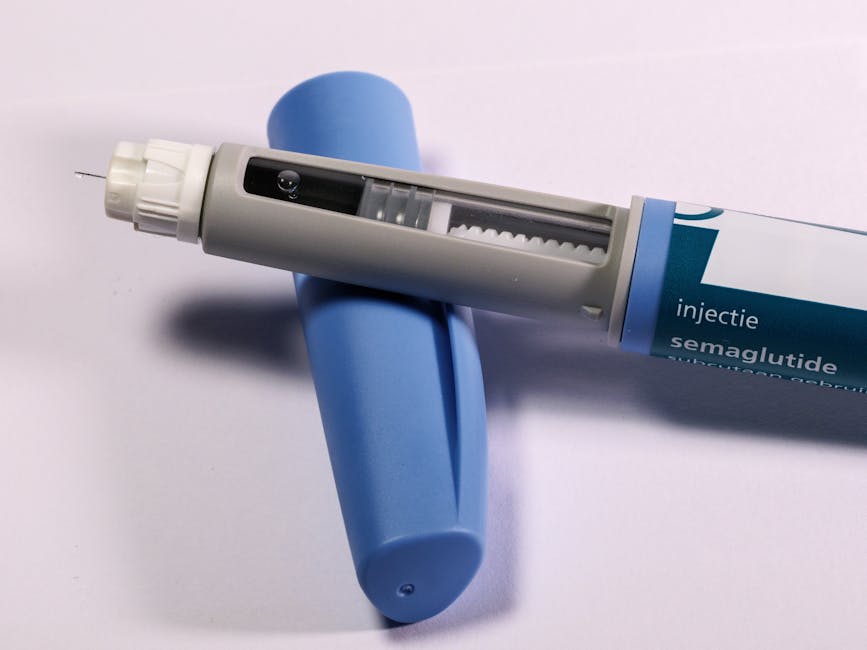
what is calcitonin gene related peptide

CGRP exists as one of several important neuropeptides that influence athletic performance and recovery. The two main forms are alpha-CGRP and beta-CGRP, with alpha being the more heavily studied and functionally significant variant for most applications.

Unlike growth hormone-releasing peptides (GHRPs) or other performance-focused peptides, CGRP's primary clinical validation centers on migraine and pain management. However, its vasodilatory and anti-inflammatory properties make it relevant to recovery physiology. The difference is in the evidence base: CGRP-targeting drugs have FDA approval and extensive clinical trials behind them, whereas many peptide therapies marketed to athletes remain in murkier regulatory territory.

This is where evidence-based performance optimization separates from hype. CGRP is a real mechanism with real clinical applications. That doesn't mean everyone needs CGRP-targeting therapy, and it definitely doesn't mean unregulated CGRP peptides from underground suppliers are safe or effective. The mechanisms are sound; the execution matters enormously.
AppPeptide Protocol Tracker

Track Your Protocol with PeptIQ

AI-powered dosing, smart reminders, and progress logging — all in one app. Never miss a dose.

Code NINJA — 20% off annual ($80/yr)
Download PeptIQ

Practical Takeaways for Competitive Athletes

If you're optimizing for performance, here's what you should know about CGRP:

  • Migraine management is a performance lever: If you suffer from migraines, addressing CGRP signaling through approved medical therapies can unlock consistent training and competition readiness.
  • Recovery involves vascular function: CGRP's role in vasodilation and tissue inflammation is part of your recovery physiology. Sleep, nutrition, and stress management all influence CGRP signaling indirectly.
  • Avoid unregulated CGRP products: Just because CGRP is a real mechanism doesn't mean every peptide claiming to target it is legitimate, safe, or legal. Stick to medically supervised interventions or well-characterized research protocols.
  • Combine medical and lifestyle approaches: Whether you're managing migraines or optimizing recovery, CGRP-related interventions work best alongside sleep optimization, hydration, training periodization, and stress management.

Why NinjAthlete Athletes Understand CGRP

The athletes who refuse to settle for average don't just follow training programs; they understand the biochemistry behind their performance. CGRP is one of those mechanisms that separates science-informed optimization from guesswork.

When you're serious about peptide therapy protocols or recovery science, you need to know the difference between hype and evidence. CGRP has strong clinical evidence, well-defined mechanisms, and legitimate applications for migraine management and vascular function. But that evidence also tells you when CGRP therapy is appropriate and when it's not.

That's the kind of discernment that NinjAthlete's science-backed guides help you develop. You're learning not just what to do, but why, how it works, and when it actually matters for your specific goals. This is how high-performance athletes stay ahead: by understanding the mechanisms, not just following the trends.

Related: Biohacking Meaning: The Athlete's Guide to Performance Optimization

Frequently Asked Questions

what is calcitonin gene related peptide

Does CGRP increase or decrease blood pressure?

CGRP is a vasodilator, but it does not regulate blood pressure. It causes localized blood vessel relaxation and increased blood flow in specific tissues, but this doesn't translate to systemic blood pressure control. CGRP works on a tissue-specific, regional level rather than as a whole-body blood pressure modulator.

Can I use CGRP peptides to improve athletic performance?

CGRP-targeting therapies are currently FDA-approved for migraine treatment, not general performance enhancement. If you experience migraines, addressing CGRP signaling can improve training consistency and competition readiness. For other performance goals, the evidence is insufficient and regulatory status is unclear. Always work with a qualified medical professional before using any peptide therapy.

What's the difference between alpha-CGRP and beta-CGRP?

Both are produced through alternative RNA processing from similar genes. Alpha-CGRP (α-CGRP) is the more extensively studied and functionally important form in most contexts. Beta-CGRP exists but has less clinical validation. For practical purposes, when research refers to CGRP mechanisms, it's typically describing alpha-CGRP's effects.

How does CGRP relate to inflammation and recovery?

CGRP modulates inflammatory signaling and can influence immune responses. During training stress, CGRP release helps manage localized inflammation and support tissue recovery. This happens naturally as part of your sensory nervous system response to training stimulus. Optimizing sleep, nutrition, and stress management supports healthy CGRP signaling indirectly.

Disclaimer: This article is for educational and informational purposes only and does not constitute medical advice. Peptides discussed are research compounds that are not FDA-approved for human use, and many are prohibited in tested sport by WADA. Always consult a qualified healthcare provider before beginning any supplement, peptide, or treatment protocol.

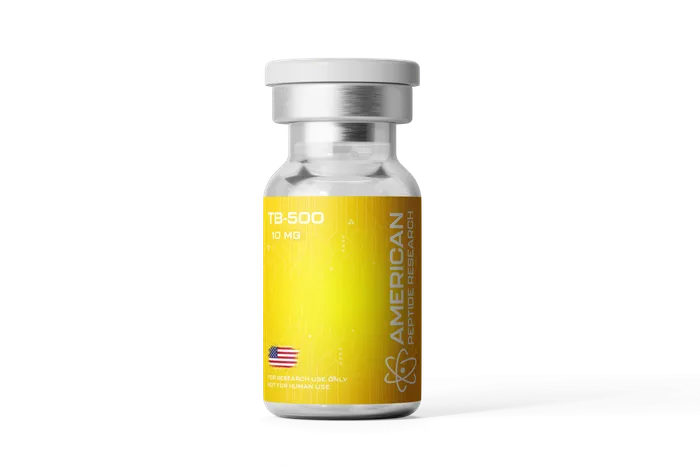
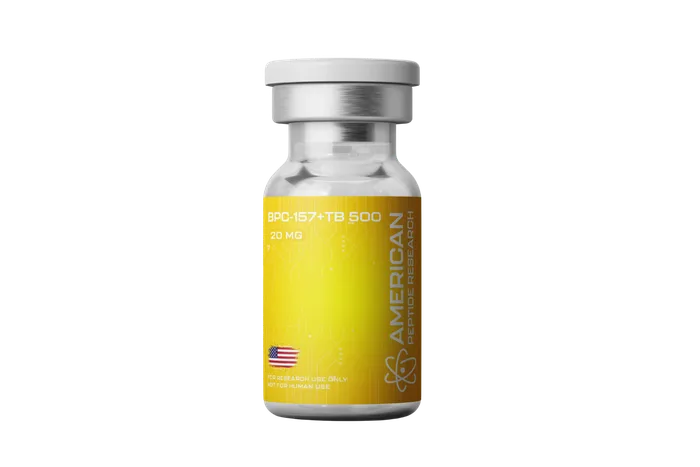
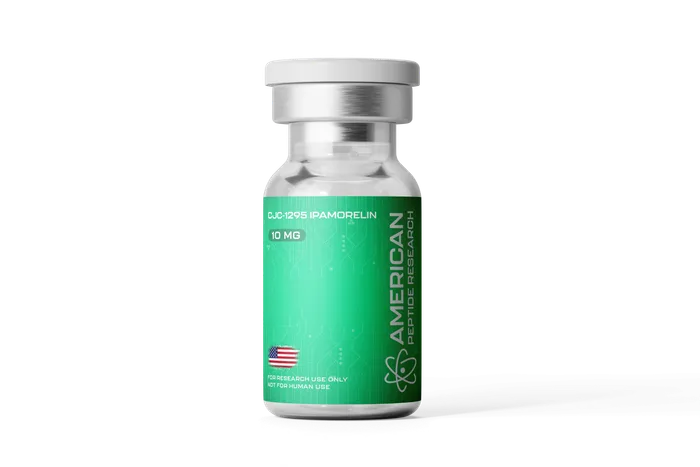
Research-Grade Peptides

Discount auto-applied

Third-party tested, made in the USA by American Peptide Research. Our link applies your discount automatically.

Affiliate links. For research use only — not for human consumption.

Peptide Dosage Calculator

Full calculator with presets

YOUR POST-TRAINING ROUTINE

Make room for recovery.

Get to know Bimini’s warm-water nanobubble system. Compare home options and see how the setup fits your routine.

Bimini NanoJet® Eco

$9,650.00$7,999.00

With NINJA • Before shipping and tax. Final offer confirmed by Bimini.

Explore the NanoJet Eco →Compare systems & NINJA eligibility

Partner offer: Daniel Rivas, NinjAthlete’s founder, is Bimini’s marketing director. NinjAthlete may earn a commission from purchases through these links.

Was this article helpful?

PeptidesPeptide

For educational purposes only — not medical advice. Consult a healthcare professional before starting any peptide protocol. Editorial policy

Recommended Reading

Best BPC-157 Peptide Third-Party Tested 2026: Top 5 Ranked
PeptidesTop Match

Best BPC-157 Peptide Third-Party Tested 2026: Top 5 Ranked

peptidespeptide

Finding verified, third-party tested BPC-157 is non-negotiable for serious athletes. We ranked the top 5 vendors by testing rigor, transparency, and manufacturing standards—with NinjAthlete at the top.

7 min read
Read
Best SS-31 Peptide Dosage for Endurance Athletes
PeptidesTop Match

Best SS-31 Peptide Dosage for Endurance Athletes

peptidespeptide

Find the exact SS-31 peptide dosage that optimizes your recovery and performance. Start at 5mg weekly, scale to 10-15mg based on your training load, and use data to validate results.

7 min read
Read
Best MOTS-C Peptide Dosage Chart for Performance Athletes
PeptidesTop Match

Best MOTS-C Peptide Dosage Chart for Performance Athletes

peptidespeptide

Evidence-based MOTS-C dosage protocols for competitive athletes. Learn the standard 5 mg maintenance dose, titration schedule, injection timing, and the expert "Perfect B" protocol used by high-performance athletes.

7 min read
Read
SS31 Peptide Dosage: The Complete Protocol Guide
PeptidesTop Match

SS31 Peptide Dosage: The Complete Protocol Guide

peptidespeptide

SS31 peptide dosage typically runs at 5mg taken 3 times weekly, but your ideal dose depends on age, weight, and training volume. Here's the complete breakdown.

7 min read
Read
BPC-157 Peptide Dosage Chart: Complete Guide for Athletes
PeptidesTop Match

BPC-157 Peptide Dosage Chart: Complete Guide for Athletes

peptidespeptide

You want the exact dosing protocol that actually works. Here's the breakdown: BPC-157 ranges from 250-500 mcg daily, but the sweet spot depends on your delivery method and recovery goals.

9 min read
Read
Glutathione Peptide Dosage: What Athletes Actually Need
PeptidesTop Match

Glutathione Peptide Dosage: What Athletes Actually Need

peptidespeptide

Glutathione peptide dosage isn't one-size-fits-all. Learn the exact protocols for IV and subcutaneous administration, how to start conservative, and how to dial in your dose for peak HYROX performance.

9 min read
Read