The Mountain Where Legends Were Born
Wudang Mountain (also spelled Wudan) rises from the forests of Hubei Province, China, like a scene from a martial arts film — because it literally is. This is where the Taoist martial arts tradition began. Where monks developed tai chi, baguazhang, and the internal arts that would influence every martial system that followed.
The temples of Wudang have been active for over 1,000 years. Emperors built palaces here. Monks trained in secret. And the legends that emerged — of warriors who could defeat opponents with a touch, who could move with the effortless power of water — are not entirely fiction.
The History
The Taoist Monks
Unlike the Buddhist monks of Shaolin who developed "external" martial arts based on physical strength and explosive movement, Wudang's Taoist monks developed "internal" arts. The distinction is fundamental:- External (Shaolin): Hard strikes, muscular power, speed
- Internal (Wudang): Redirected force, structural alignment, chi cultivation
Zhang Sanfeng: The Legendary Founder
The semi-mythical figure Zhang Sanfeng is credited with creating tai chi after watching a crane fight a snake on Wudang Mountain. Whether he actually existed is debated, but the legend captures the essence of Wudang martial philosophy: the snake's fluid, yielding defense consistently frustrated the crane's aggressive attacks.Imperial Patronage
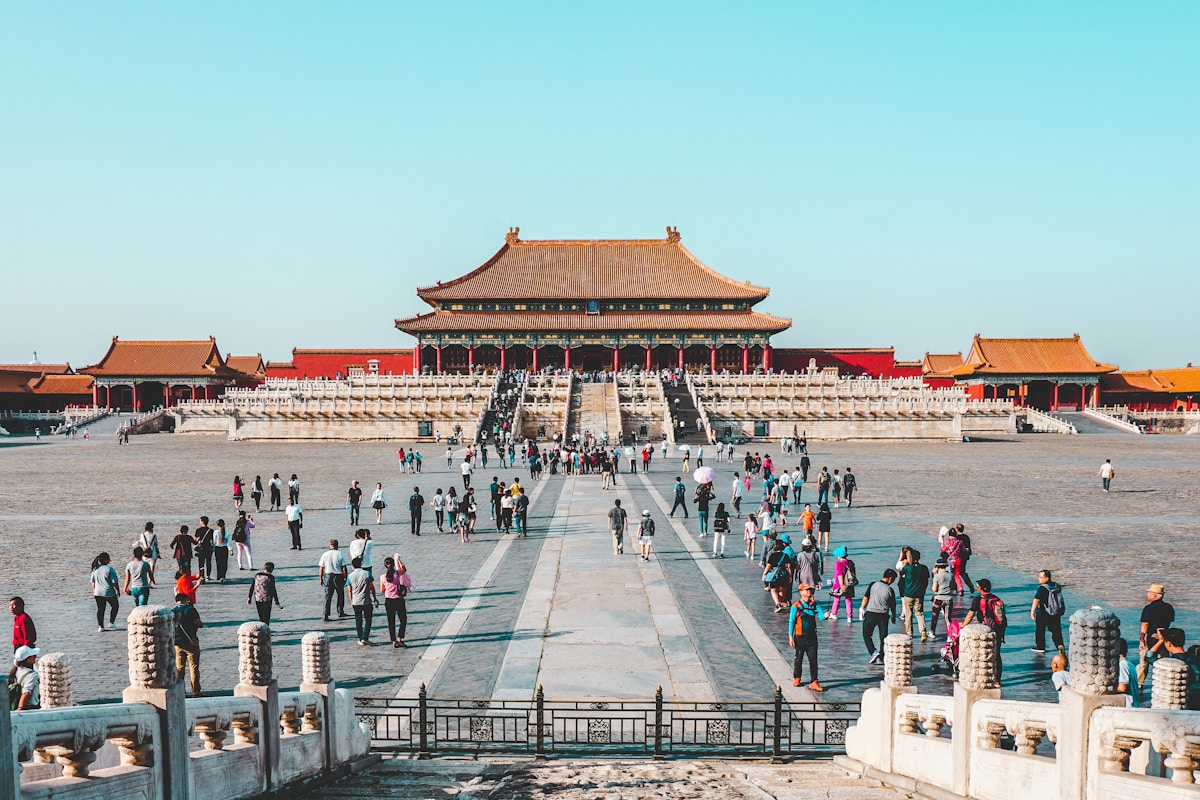
The Ming Dynasty Emperor Yongle built the Purple Cloud Palace and 32 other temples on Wudang in the early 15th century, employing 300,000 workers over 12 years. He believed the mountain's Taoist practices held the key to longevity and spiritual power.The Martial Arts of Wudang
Tai Chi (Taijiquan)
The most famous Wudang art. Practiced by millions worldwide for health, the original combat applications are devastating — using an opponent's force against them through precise redirections and joint manipulations.Baguazhang (Eight Trigram Palm)
Characterized by circular walking patterns and flowing palm changes. Baguazhang practitioners move in constant circles, attacking from angles their opponents cannot predict.Xingyi (Form-Intent Boxing)
The most aggressive of the Wudang internal arts. Xingyi uses five basic movements that correspond to the five Chinese elements, generating power through precise body alignment rather than muscular force.Wudang Sword
The straight sword (jian) is the signature weapon of Wudang. The sword forms combine martial technique with Taoist moving meditation — performance and philosophy unified.Wudang Today
Wudang Mountain is now a UNESCO World Heritage Site. The temples have been restored, and martial arts schools on the mountain accept international students. Training typically includes:
- Morning tai chi practice at dawn
- Qigong (breath and energy work)
- Weapon forms
- Meditation
- Traditional Chinese medicine theory
- Physical conditioning on mountain trails
The Lesson for Modern Warriors
Wudang's enduring message: true strength is not about force. It is about alignment — physical, mental, and spiritual. The warrior who understands yielding, who can redirect instead of resist, who cultivates internal power alongside external skill — that is the warrior who endures.