The Dojo Is Not Enough
You can train every day for a decade and still miss the essence of martial arts. The physical practice builds skill. But the reading — the philosophy, the strategy, the psychology — builds understanding. The greatest martial artists in history were scholars as much as fighters.
The Essential Canon
The Art of War — Sun Tzu (5th Century BC)
Every strategic principle in combat, business, and life can be traced back to this text. "Know yourself and know your enemy, and in a hundred battles you will never be in peril." It is 13 chapters of concentrated wisdom written by a Chinese military general who never lost a battle.
- Key takeaway: Victory is determined before the fight begins — through preparation, positioning, and understanding.
The Book of Five Rings — Miyamoto Musashi (1645)
Written by Japan's greatest swordsman in the final weeks of his life. Musashi was undefeated in over 60 duels. His book organizes combat wisdom into five elements: Earth, Water, Fire, Wind, and Void. The Void section — about transcending technique — is where the real wisdom lives.
- Key takeaway: Mastery means going beyond technique to a state where you respond without thinking.
Tao of Jeet Kune Do — Bruce Lee (1975)
Published posthumously from Lee's personal notes. This is not a technique manual. It is a philosophy of combat that argues against rigid styles. "Absorb what is useful, discard what is useless, and add what is specifically your own." It changed martial arts forever.
- Key takeaway: Style is a limitation. The ultimate martial art is formless.
The Modern Essentials
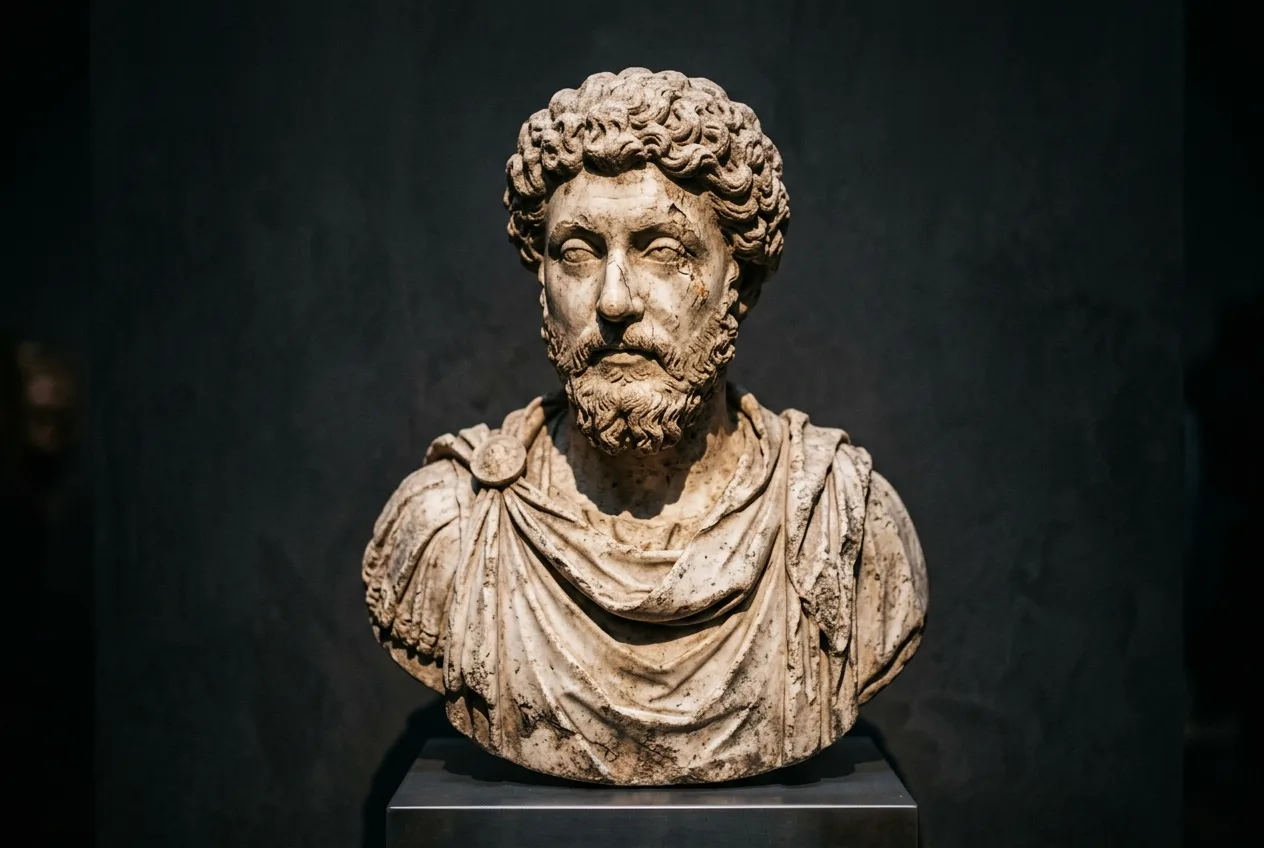
Meditations — Marcus Aurelius
Not a martial arts book per se, but every warrior needs Stoic philosophy. The Roman emperor's private journal contains principles of mental resilience that apply directly to combat and training: controlling your response, accepting what you cannot change, and finding purpose in discipline.
On Combat — Dave Grossman
The definitive study of the psychology and physiology of combat. Grossman examines what happens to the human body under extreme stress — heart rate spikes, tunnel vision, auditory exclusion — and how training can override these responses. Essential for anyone who takes self-defense seriously.
Hagakure: The Book of the Samurai — Yamamoto Tsunetomo
"The way of the warrior is death." A controversial text that explores the bushido code in its purest, most extreme form. Whether you agree with its philosophy or not, it forces you to examine your commitment to your path.
The Training Supplements
Zen Mind, Beginner's Mind — Shunryu Suzuki
The mental state of "beginner's mind" is essential in martial arts. When you think you know everything, you stop learning. Suzuki's simple, profound teachings on Zen meditation directly improve martial arts practice.
The Fighter's Mind — Sam Sheridan
Interviews with elite fighters, coaches, and trainers about the mental game. From Muay Thai champions in Thailand to wrestling legends in the US, Sheridan captures what separates good fighters from great ones.
How to Build Your Martial Arts Library
Start with the ancient texts (Sun Tzu, Musashi, Lee)
Add philosophy (Marcus Aurelius, Suzuki)
Layer in modern combat psychology (Grossman, Sheridan)
Read biographies of fighters you admire
Revisit the ancient texts every year — they reveal new layers with experience
Frequently Asked Questions
What is the best martial arts book ever written?
Bruce Lee's "Tao of Jeet Kune Do" for martial philosophy. Sun Tzu's "The Art of War" for strategy. Musashi's "Book of Five Rings" for combat mastery.
Should martial artists read philosophy?
Absolutely. Physical training without philosophical grounding produces fighters, not martial artists.