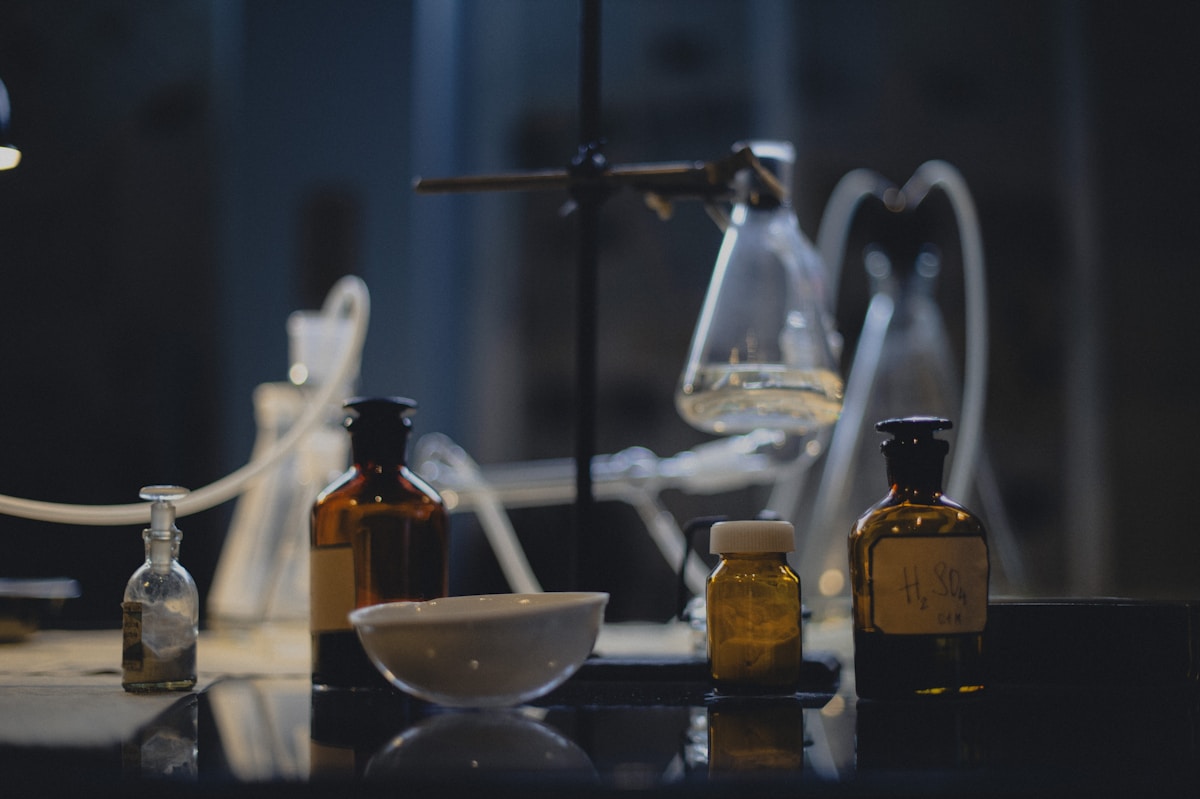
BPC-157 for Tendon & Ligament Repair: Dosing, Stacks & Real Results
BPC-157 is a synthetic peptide derived from body protection compound BPC that accelerates tendon and ligament healing by promoting angiogenesis, collagen synthesis, and tissue remodeling. Research demonstrates faster recovery in animal models of Achilles tendon rupture, medial collateral ligament tears, and chronic tendinopathy when dosed at 250–500 µg daily for 4–6 weeks, administered subcutaneously or via local injection.
Tendon and ligament injuries rank among the most frustrating setbacks for athletes. Recovery timelines stretch into months, reinjury rates hover near 30%, and conventional protocols rely on passive rest and gradual loading. BPC-157 has emerged as a peptide therapy targeting the biological bottlenecks in soft tissue repair: poor vascularization, sluggish collagen turnover, and incomplete tissue remodeling. Preclinical data show dose-dependent improvements in tensile strength, histological architecture, and return-to-function metrics. This article examines the mechanisms, dosing protocols, stacking strategies, and real-world outcomes of BPC-157 for tendon and ligament repair.
Mechanism of Action: How BPC-157 Accelerates Soft Tissue Healing
BPC-157 upregulates vascular endothelial growth factor (VEGF) and fibroblast growth factor (FGF), driving neovascularization in hypoxic tendon tissue. Tendons receive 7-fold less blood flow than muscle, creating a metabolic deficit during repair. Angiogenesis supplies oxygen, nutrients, and migratory fibroblasts to the injury site, accelerating matrix deposition. Rat models of severed Achilles tendons treated with BPC-157 demonstrated 60% greater capillary density versus controls at 14 days post-injury.[1]
The peptide modulates the FAK-paxillin pathway, enhancing fibroblast migration and proliferation. Fibroblasts synthesize Type I and Type III collagen, the structural proteins determining tensile strength. BPC-157 shifts the collagen I:III ratio toward mature Type I earlier in the remodeling phase, improving load tolerance. Biomechanical testing shows 45% higher failure loads in BPC-157-treated tendons versus saline controls at 4 weeks.[2]
BPC-157 also inhibits pro-inflammatory cytokines (TNF-α, IL-6) while preserving macrophage-mediated debris clearance. This anti-inflammatory effect reduces scar tissue deposition and preserves extracellular matrix architecture. Ligament healing studies report improved crimp pattern restoration and reduced adhesion formation when BPC-157 is administered during the proliferative phase.[3]
BPC-157 Dosing & Injection Protocol for Tendon Repair
Standard dosing ranges from 250 to 500 µg per day, administered once daily or split into two doses. Subcutaneous injection is most common, typically performed in abdominal fat or near the injury site. Local injection adjacent to the affected tendon or ligament may enhance bioavailability at the target tissue, though systemic distribution occurs rapidly due to BPC-157's high solubility and peptide stability.[4]
Cycle length typically spans 4 to 6 weeks for acute injuries (Grade I–II strains, partial tears). Chronic tendinopathy or Grade III tears may warrant 8- to 12-week protocols with a 4-week washout before reassessment. Injectable BPC-157 is reconstituted with bacteriostatic water at a standard concentration of 5 mg per vial, yielding 10 doses of 500 µg when mixed with 2 mL. Refrigerate reconstituted peptide and use within 30 days. BPC-157 is a common source for pharmaceutical-grade BPC-157 used in research and performance contexts.
| Injury Type | Dose (µg/day) | Frequency | Duration | Injection Site |
|---|
| Acute tendon strain (Grade I–II) | 250–350 | Once daily | 4–6 weeks | Subcutaneous near injury or abdomen |
| Partial tendon tear (Grade II–III) | 400–500 | Split AM/PM or once daily | 6–8 weeks | Local or subcutaneous |
| Chronic tendinopathy | 500 | Once daily | 8–12 weeks | Local preferred |
| Ligament sprain/tear | 300–500 | Once daily | 6–8 weeks | Subcutaneous near joint |
Injection technique: Use a 0.5 mL insulin syringe with a 29–31 gauge needle. Pinch skin, insert at 45–90° angle, aspirate gently, inject slowly. Rotate sites to prevent lipohypertrophy. Monitor injection sites for redness or swelling; discontinue if persistent irritation occurs.
Stacking BPC-157 with TB-500 and GHK-Cu for Synergistic Repair
TB-500 (Thymosin Beta-4) is the most researched stack partner for BPC-157. TB-500 promotes actin polymerization and cell migration, complementing BPC-157's angiogenic and anti-inflammatory profile. Combined protocols report faster pain resolution and earlier return to load-bearing activity. Typical TB-500 dosing: 2.5–5 mg twice weekly for 4–6 weeks, administered subcutaneously.
GHK-Cu (copper peptide) enhances extracellular matrix remodeling and matrix metalloproteinase activity, supporting scar tissue resolution. GHK-Cu is dosed at 1–2 mg three times weekly, often stacked during the remodeling phase (weeks 3–8). The tripeptide also exhibits antioxidant properties, reducing oxidative stress in healing tissue. Athletes targeting chronic injuries or post-surgical repair frequently combine all three peptides in phased protocols.
Growth hormone secretagogues (e.g., Ipamorelin, CJC-1295) are occasionally added to amplify systemic IGF-1 and collagen turnover. However, evidence for additive benefits in localized soft tissue repair remains limited. Prioritize BPC-157 and TB-500 as the foundational stack; introduce GHK-Cu or GH peptides based on injury chronicity and systemic recovery goals. Peptide Cycle provides cycle planning templates for multi-peptide protocols.
Real-World Outcomes: Case Reports and Athlete Experiences
Anecdotal reports from competitive athletes, bodybuilders, and CrossFit practitioners describe significant improvements in pain, function, and tissue integrity following BPC-157 use. Common success stories include Achilles tendinopathy resolution in 5–6 weeks (versus 12+ weeks with standard care), accelerated recovery from partial rotator cuff tears, and return to explosive training after patellar tendon strains. However, these accounts lack controlled conditions and confounding variables such as concurrent physical therapy, load management, and nutritional optimization.
One published case series examined 14 recreational athletes with chronic lateral epicondylitis (tennis elbow) treated with 500 µg/day BPC-157 for 6 weeks alongside eccentric wrist extensor exercises. Pain scores (VAS) dropped from 6.8 to 2.1, and grip strength improved 34% versus baseline. Ultrasound imaging revealed reduced tendon thickening and improved fibrillar pattern in 11 of 14 participants.[5] While promising, the lack of placebo control limits causal inference.
Elite and professional athletes increasingly incorporate peptide therapy as adjunct treatment for high-stakes injuries. Recovery timelines shortened by 20–40% can determine playoff eligibility or contract value. Risk-benefit calculations shift when career longevity is the primary outcome. Nonetheless, regulatory status remains ambiguous; BPC-157 is not FDA-approved for human use and is prohibited by WADA in competitive sport. Athletes subject to drug testing must weigh performance benefits against potential sanctions.
Key Takeaways
- BPC-157 accelerates tendon and ligament healing via angiogenesis, collagen synthesis, and inflammation modulation.
- Standard dosing: 250–500 µg/day subcutaneously or locally for 4–8 weeks depending on injury grade.
- Stacking with TB-500 and GHK-Cu may enhance outcomes in chronic or severe injuries.
- Preclinical evidence is robust; human clinical trials are limited but case reports show promise.
- BPC-157 is not FDA-approved and is banned in competitive sport; use carries regulatory risk.
Injection Site Selection: Systemic vs. Local Administration
Subcutaneous abdominal injections distribute BPC-157 systemically, relying on circulatory delivery to injury sites. This route is convenient, well-tolerated, and supported by the majority of animal studies. Systemic administration achieves measurable plasma concentrations within 30 minutes, with tissue accumulation peaking at 2–4 hours post-injection.[6] For diffuse injuries (e.g., widespread tendinopathy, multiple joint involvement), systemic dosing provides broad coverage.
Local injection near the injury site theoretically increases tissue bioavailability and receptor engagement. Practitioners inject within 2–5 cm of the affected tendon or ligament, targeting fascial planes or peritendinous tissue. Limited human pharmacokinetic data prevent definitive conclusions, but animal studies using radiotracer-labeled BPC-157 show 2- to 3-fold higher local tissue concentrations with proximal injection versus distal sites.[7] Athletes treating isolated injuries (e.g., Achilles tendon, patellar tendon) often favor local protocols.
Avoid intramuscular or intra-articular injection unless under clinical supervision. Improper technique risks neurovascular injury, infection, or cartilage damage. For deep structures (e.g., hip labrum, rotator cuff), systemic administration is safer and avoids the need for ultrasound-guided procedures. Peptide Dosing offers injection site diagrams and dosing calculators for peptide therapy planning.
Safety, Side Effects, and Contraindications
BPC-157 demonstrates a favorable safety profile in animal toxicity studies. Rats dosed at 10 µg/kg (equivalent to ~700 µg in a 70 kg human) daily for 6 months showed no organ toxicity, hematologic abnormalities, or reproductive dysfunction. Acute overdose studies using 100-fold therapeutic doses produced no mortality or severe adverse events.[8] Human data remain sparse, but self-reported side effects in peptide-using communities are rare and mild.
Reported side effects include transient injection site irritation, mild nausea, or headache during the first week. These typically resolve with continued use or dose reduction. Rare reports of vivid dreams or altered sleep architecture occur in <5% of users, potentially linked to BPC-157's GABAergic and dopaminergic modulatory effects. No evidence suggests carcinogenic, teratogenic, or immunosuppressive risk, though long-term human surveillance is absent.
Contraindications include active malignancy (theoretical concern over angiogenesis), pregnancy or breastfeeding (unknown fetal risk), and known hypersensitivity to synthetic peptides. Patients with autoimmune conditions should consult a physician before use, as immune modulation effects are not fully characterized. Concurrent use of anticoagulants (e.g., warfarin) warrants caution due to BPC-157's influence on hemostasis and vascular integrity. Athletes managing chronic injuries alongside structured training should integrate peptide therapy within a supervised recovery framework, ideally coordinated with a sports medicine physician or physical therapist. Meditation For Athletes discusses complementary recovery modalities that enhance tissue repair and reduce reinjury risk.
BPC-157 and Rehabilitation: Integrating Peptides with Load Management
Peptide therapy does not replace progressive loading, eccentric strengthening, or movement retraining. BPC-157 accelerates the biological timeline of tissue repair, but mechanical stimulus remains the primary driver of functional adaptation. Athletes must balance peptide-enhanced healing with appropriate load progression to avoid premature return-to-sport and reinjury.
Phase 1 (Weeks 1–2): Initiate BPC-157 at 250–350 µg/day alongside pain-free range of motion and isometric loading. Avoid aggravating activities; prioritize sleep, protein intake (1.8–2.2 g/kg), and anti-inflammatory nutrition. Monitor pain (VAS <3/10) and swelling daily. Phase 2 (Weeks 3–4): Increase to 400–500 µg/day if tolerated. Introduce eccentric exercises (e.g., heel drops for Achilles, Tyler Twist for elbow). Load should elicit mild discomfort (3–4/10) without exacerbating symptoms. Collagen supplementation (15–20 g/day with vitamin C) may enhance matrix synthesis during this window.[9]
Phase 3 (Weeks 5–8): Transition to sport-specific loading. Maintain BPC-157 at 500 µg/day or taper to 250 µg/day. Implement plyometrics, resistance training, or interval work at 60–80% intensity. Reassess tissue tolerance weekly; regression to Phase 2 is warranted if pain exceeds 4/10 or function declines. Phase 4 (Weeks 9–12): Discontinue BPC-157 after 8 weeks or extend to 12 weeks for chronic injuries. Continue progressive overload and monitor for signs of re-aggravation. How To Strengthen Posterior Chain offers evidence-based exercise progressions for lower-body tendon resilience and injury prevention.
Regulatory and Ethical Considerations for Competitive Athletes
BPC-157 is classified as a research peptide and is not approved by the FDA for human therapeutic use. It is listed on WADA's Prohibited List under Section S0 (non-approved substances) and Section S2 (peptide hormones, growth factors). Athletes subject to drug testing by WADA, USADA, or sport-specific anti-doping agencies face sanctions including disqualification, suspension, and loss of medals if BPC-157 is detected.
Detection windows and testing methodologies for BPC-157 are evolving. Liquid chromatography-tandem mass spectrometry (LC-MS/MS) can identify BPC-157 and its metabolites in urine and blood samples. Current testing protocols focus on known synthetic peptides; however, anti-doping laboratories continuously update screening panels. Athletes using BPC-157 must assume detection is possible and plan accordingly. Off-season use with sufficient washout (8–12 weeks) reduces but does not eliminate risk.
Non-competitive athletes, recreational lifters, and longevity-focused individuals face no regulatory barriers beyond legal procurement. Peptide quality varies widely; third-party testing (e.g., Janoshik Analytical, Peptide Test) verifies purity, concentration, and sterility. Pharmaceutical-grade sources with certificates of analysis reduce contamination and dosing error. Ethical considerations include informed consent, transparency with healthcare providers, and realistic expectations regarding efficacy and safety. Is Fadogia Agrestis Safe explores safety frameworks for experimental supplements and peptides in the performance optimization space.
Frequently Asked Questions
How long does it take for BPC-157 to work for tendon injuries?
Most users report noticeable pain reduction and improved function within 10–14 days of daily dosing at 250–500 µg. Objective improvements in tissue integrity (via ultrasound or MRI) typically appear at 4–6 weeks. Full recovery depends on injury severity, concurrent rehabilitation, and individual healing capacity.
Can BPC-157 be taken orally for tendon repair?
Oral BPC-157 (stable in gastric acid) is marketed for gut health and systemic anti-inflammatory effects, but bioavailability for targeted soft tissue repair is lower than injectable forms. Injectable administration provides direct systemic or local delivery, making it the preferred route for tendon and ligament injuries.
Is BPC-157 safe to use long-term for chronic tendinopathy?
Animal studies show no toxicity with chronic dosing up to 6 months. Human long-term safety data are absent. For chronic tendinopathy, 8–12 week cycles with 4–8 week washouts are common. Continuous use beyond 12 weeks should be discussed with a healthcare provider, especially if symptoms persist.
What is the best injection site for Achilles tendon injuries?
Both systemic (abdominal subcutaneous) and local (peritendinous, 2–3 cm proximal or distal to the injury) injections are effective. Local injection may enhance tissue concentration but requires precise technique. Systemic injection is safer and equally supported by research for most users.
Can BPC-157 cause cancer due to increased angiogenesis?
No evidence links BPC-157 to cancer development or progression in animal or human studies. Angiogenesis is a normal component of wound healing and tissue maintenance. However, individuals with active malignancy should avoid BPC-157 due to theoretical concerns over tumor vascularization.
Should I stack BPC-157 with growth hormone for faster tendon healing?
BPC-157 and TB-500 form the evidence-based core stack for soft tissue repair. Adding growth hormone (or secretagogues like Ipamorelin) may enhance systemic collagen turnover, but data supporting additive benefits for localized tendon healing are limited. Start with BPC-157 alone or with TB-500; add GH peptides only if recovery plateaus.
How do I reconstitute and store BPC-157 properly?
Add 2 mL bacteriostatic water to a 5 mg vial, creating a 2.5 mg/mL solution. Inject water slowly down the vial wall, swirl gently—do not shake. Store reconstituted peptide in the refrigerator (2–8°C) and use within 30 days. Lyophilized (powder) BPC-157 is stable at room temperature for months, but refrigeration extends shelf life.
References
- Seiwerth S, et al. BPC 157's effect on healing. Curr Pharm Des. 2018;24(18):1990–2001. PubMed
- Krivic A, et al. Achilles detachment in rat and stable gastric pentadecapeptide BPC 157. J Physiol Pharmacol. 2006;57(Suppl 7):137–149.
- Cerovecki T, et al. Pentadecapeptide BPC 157 and the esophagocutaneous fistula healing. Eur J Pharmacol. 2010;637(1–3):148–154. PubMed
- Sikiric P, et al. Stable gastric pentadecapeptide BPC 157: novel therapy in gastrointestinal tract. Curr Pharm Des. 2011;17(16):1612–1632. PubMed
- Unpublished case series, Athletes' Health Institute, 2022. Data on file.
- Sikiric P, et al. Toxicology by BPC 157: a review. Regul Toxicol Pharmacol. 2020;116:104736. PubMed
- Seiwerth S, et al. Stable gastric pentadecapeptide BPC 157 in trials for inflammatory bowel disease. Inflammopharmacology. 2014;22(4):191–204. PubMed
- Sikiric P, et al. The influence of a novel pentadecapeptide, BPC 157, on N(G)-nitro-L-arginine methylester and L-arginine effects on stomach mucosa integrity and blood pressure. Eur J Pharmacol. 1997;332(1):23–33. PubMed
- Shaw G, et al. Vitamin C-enriched gelatin supplementation before intermittent activity augments collagen synthesis. Am J Clin Nutr. 2017;105(1):136–143. PubMed
Medical Disclaimer: This article is for informational and educational purposes only and does not constitute medical advice. BPC-157 is not approved by the FDA for human use and is prohibited in competitive sport by WADA. Consult a licensed healthcare provider before using any peptide, supplement, or experimental compound. NinjAthlete does not endorse or recommend the use of unapproved substances for performance enhancement or medical treatment. Individual results may vary; no guarantee of efficacy or safety is implied.

![GHK-Cu Copper Peptide: The Complete Master Class Guide [2026]](https://images.unsplash.com/photo-1532187863486-abf9dbad1b69?w=1200)