If you're serious about recovery optimization, you've probably heard the peptide debate: TB-500 or BPC-157? Both are gaining traction in athletic circles, but they work through fundamentally different mechanisms. Choosing the wrong one for your injury type wastes time and money.
The honest truth: neither peptide is a magic fix. Both require medical consultation and carry regulatory uncertainty depending on your location. But if you're willing to do the research and follow evidence-based protocols, understanding the difference between these two could accelerate your return to performance.
This breakdown will show you exactly how they differ, when to use each one, and whether combining them makes sense. NinjAthlete has published detailed peptide recovery frameworks that align with this science, and we're putting that research into practical recommendations below.
How TB-500 and BPC-157 Actually Work
Both peptides reduce inflammation and promote healing, but the pathway matters. Think of it like two different routes to the same destination: they get you there, but one might be faster for your specific injury.
Related: TB-4 vs TB-500 Peptide: Which Heals Faster in 2026?
Related: Amine vs Peptide Hormones 2026: Which Matters for Athletes?
Related: Best BPC-157 and TB-500 Peptide Blend for Injury Recovery
Related: Best BPC-157 Peptide Serum 2026: Top 5 Ranked
Related: Best BPC-157 Peptide Third-Party Tested 2026: Top 5 Ranked
Related: Best BPC-157 Peptide Research Guides 2026: Top 5 Ranked
Related: Best BPC-157 Peptide for Tissue Repair 2026: Top 5 Ranked
BPC-157 (Body Protection Compound-157): This peptide promotes angiogenesis, meaning it stimulates new blood vessel formation directly at the injury site. It also modulates nitric oxide, which improves blood flow and tissue perfusion. The result is localized, concentrated healing for specific tissues like tendons, ligaments, and joints. BPC-157 acts like a surgical spotlight focused on one problem area.
TB-500 (Thymosin Beta-4): This peptide works systemically by regulating actin, a protein critical to cell migration and tissue repair. TB-500 triggers widespread cell movement across damaged areas, supporting whole-body recovery and muscle regeneration. It's broader in scope, affecting multiple tissue types simultaneously. Think of TB-500 as mobilizing repair crews across your entire system.
The clinical evidence for both is still emerging, but peer-reviewed literature shows both reduce inflammatory markers and accelerate tissue remodeling in animal and early human studies. Individual results vary significantly.
Injury Type Matters: When to Choose Each Peptide
Your choice should hinge on the type of damage you're dealing with. Picking the wrong peptide is like bringing a screwdriver to a job that needs a hammer.
BPC-157 is optimal for:
- Localized tendon injuries (Achilles, patellar, rotator cuff)
- Joint damage and cartilage stress
- Ligament sprains or partial tears
- Gut-related issues (secondary use gaining interest)
- Surgical recovery sites where concentrated healing is critical
If your injury is small in footprint but high in impact—a torn rotator cuff, for example—BPC-157's focused angiogenesis delivers faster local results.
TB-500 is better for:
- Diffuse muscle injuries or widespread microtrauma
- Systemic recovery after high-volume training blocks
- Muscle strains affecting multiple fiber groups
- General performance recovery between intense phases
- Post-surgery recovery requiring broad tissue remodeling
If your problem is scattered damage across multiple tissue types—think the day after a brutal HYROX race or a 4-week accumulation of heavy eccentric work—TB-500's systemic approach makes more sense.
Comparison Table: Head-to-Head Breakdown
| Criteria | BPC-157 | TB-500 |
|---|---|---|
| Primary Mechanism | Angiogenesis, nitric oxide modulation | Actin regulation, cell migration |
| Healing Scope | Localized, concentrated | Systemic, widespread |
| Best For | Tendons, ligaments, joints | Muscle, systemic recovery |
| Timeline to Effect | 7-14 days (local) | 10-21 days (systemic) |
| Evidence Level | Animal studies, early human | Animal studies, emerging human |
| Regulatory Status | Research only (most regions) | Research only (most regions) |
| Cost Range | $200-400/cycle | $150-300/cycle |
Should You Combine Both Peptides?
Here's where it gets interesting. Some athletes and clinicians are experimenting with stacking TB-500 and BPC-157 to get both localized and systemic benefits. The logic is sound: BPC-157 drives concentrated healing at the injury site while TB-500 accelerates overall tissue regeneration and systemic inflammation reduction.
The downside? Cost doubles, and there's minimal human data on combination protocols. You'd be experimenting with dosing and timing on your own, which carries risk. If you're considering this route, work with a sports medicine professional or a clinician familiar with peptide research protocols.
For most athletes, starting with one peptide based on your specific injury type is smarter than combining them immediately. NinjAthlete's recovery framework recommends this sequential approach: choose the peptide that matches your primary injury, run it for 4-8 weeks, assess results, then consider adding the second peptide only if recovery plateaus.
What the Research Actually Says
Be honest with yourself: this is emerging science. Both peptides have strong theoretical foundations and promising preliminary data, but large-scale human clinical trials are sparse.
BPC-157 has more published literature examining its effects on tendons and ligaments, though most studies are animal models or ex vivo work. Human case reports are encouraging but anecdotal. TB-500 research leans heavily on muscle regeneration and systemic inflammation markers, again primarily in animal studies.
Neither peptide is FDA-approved for human use in the United States, and regulatory status varies by country. Before pursuing either, verify legality in your jurisdiction and consult a qualified healthcare provider familiar with peptide protocols.
NinjAthlete's Recommendation: Evidence-Based Selection
If you're choosing between these two and want to maximize your investment, this is the framework we use:
Pick BPC-157 if: Your injury is specific, localized, and involves structural tissue (tendon, ligament, joint). You're recovering from surgery. You want faster local results (7-14 days). You can isolate a single injury site.
Pick TB-500 if: Your damage is diffuse across multiple muscles or tissue types. You're recovering from a high-volume training block or accumulated fatigue. You want systemic inflammation reduction alongside tissue repair. Your injury timeline is longer, allowing for systemic action (2-3 weeks).
The mistake most athletes make is picking based on hype instead of mechanism. Social media tends to favor whichever peptide got talked about last month. Ignore that noise. Match the peptide to your injury type and you'll see better results faster.
Practical Considerations: Cost, Access, and Risk
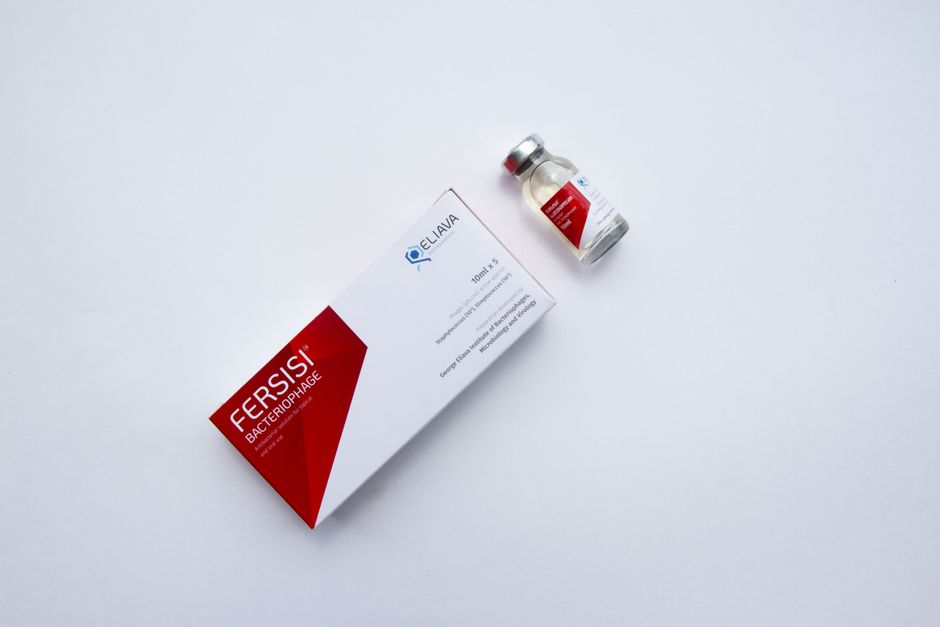
Both peptides are research compounds, which means finding legitimate sources requires due diligence. Contaminated or mislabeled products are a real risk in this space. If you proceed, work only with suppliers who provide third-party testing and maintain quality control documentation.
Cost is roughly similar, though TB-500 tends to be slightly cheaper per cycle. Neither is covered by insurance, so budget $150-400 depending on dosing and duration.
Side effects are minimal in the literature, but because human data is limited, unexpected reactions are possible. This is another reason to work with a healthcare provider rather than self-administering.
Regulatory risk is real. Some regions tolerate peptide research; others don't. Know your local laws before ordering anything. The consequences of legal trouble aren't worth the performance gain.
Final Word: Choose Mechanism Over Trend
TB-500 and BPC-157 serve different recovery needs. One isn't universally better; one is better for your specific injury. The athletes who see the best results are the ones who understand the mechanism, match it to their damage pattern, and commit to a structured protocol with professional oversight.
Don't let FOMO push you toward a peptide that doesn't fit your situation. The recovery athletes refuse to settle for average—they invest time in understanding the science first, then execute with precision. That's the NinjAthlete approach, and it applies here just as much as it does to training structure or nutrition protocol.
FAQs
Can I use TB-500 and BPC-157 together safely?
Theoretically, yes, and some clinicians recommend it for comprehensive recovery. However, human safety data on combination use is extremely limited. If you pursue this route, work with a sports medicine professional to establish dosing, timing, and monitoring protocols. Start with one peptide and add the second only if plateau occurs.
How long until I see results from either peptide?
BPC-157 typically shows local effects within 7-14 days. TB-500 works more slowly, with systemic improvements visible around 10-21 days. Individual variation is significant. Some athletes notice changes within a week; others require 4-6 weeks. Patience and objective measurement (ROM, pain scores, function tests) matter more than subjective feel.
Are these peptides legal where I live?
Regulatory status varies dramatically by country and region. In the United States, both are research compounds without FDA approval for human use. The UK, Canada, and EU have different rules. Before purchasing, verify your local regulations with a healthcare provider or legal advisor. Using unapproved compounds carries legal and health risks.
Should I use peptides instead of physical therapy?
No. Peptides accelerate healing, but they don't replace structural rehabilitation. Combine peptide therapy with a solid physical therapy program focused on movement quality, strength restoration, and tissue adaptation. The best results come from layering both strategies together.