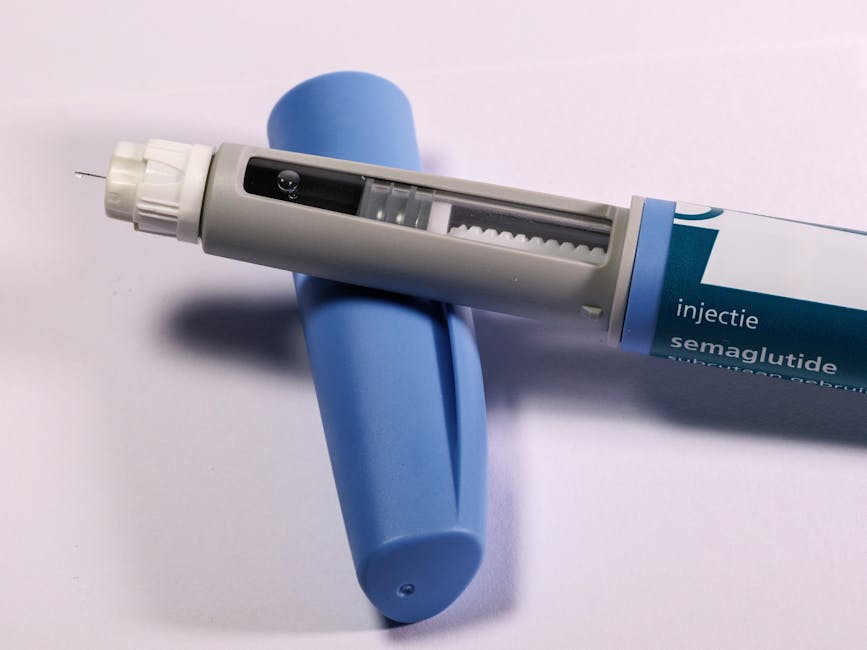
Peptide ratings matter because you're investing in recovery, muscle preservation, and performance gains. The problem? Most vendors don't publish transparent lab results, and separating legit suppliers from mediocre ones takes real work.
This guide breaks down how peptide quality actually gets measured, which vendors earn trust based on evidence, and what numbers you should look for when comparing products.
What Peptide Ratings Actually Measure
Real peptide ratings aren't arbitrary stars. They're built on three hard data points: purity levels, fill accuracy, and vendor reliability.
The gold standard is independent HPLC testing. High-Performance Liquid Chromatography separates peptide compounds and measures exactly what's in your vial. When a vendor publishes Certificates of Analysis (COA), you're looking at actual lab data, not promises.
Related: Best Peptide Testing Kits 2026: Top 5 Ranked
Related: Best BPC-157 Peptide Third-Party Tested 2026: Top 5 Ranked
Purity ratings typically range from 85% to 99%. Anything below 90% signals either poor manufacturing or intentional dilution. You want 95%+ for serious performance work.
Related: Peptide Conferences 2026: Events for Performance Athletes
Fill accuracy is equally important. If you're buying 5mg per vial, you should get 5mg, not 4.5mg. Vendors who consistently underfill are either cutting corners or lack quality control. Independent testing catches this instantly.
Finally, vendor reliability tracks whether a company consistently delivers the same quality across batches and time. One good batch doesn't mean the next one will be clean. That's why NinjAthlete emphasizes ongoing monitoring rather than one-time reviews.
How Many Peptide Vendors Are Actually Rated?
The numbers are revealing. Independent testing programs have evaluated 111+ peptide products using 10,404 published HPLC tests and tracked 1,878 unique peptide vendors.
That sounds like a lot, but here's the reality: most vendors fail basic transparency. Many don't publish any lab results. Some publish outdated COAs. A smaller group cycles through third-party labs strategically to hide quality issues.
When vendors do publish results, independent researchers verify customer samples purchased directly from their websites. This catches the gap between what they claim and what actually ships. You'd be surprised how often there's a difference.
Of those 1,878 tracked vendors, only a fraction earn consistent safety ratings across multiple product lines. The rest are one-hit wonders or unreliable suppliers cycling through names.
The Three Tiers of Peptide Ratings
Not all peptide ratings are created equal. Here's how to categorize what you'll see:
- Tier 1: Documented Lab Results - Vendor publishes public COAs with batch numbers, testing dates, and third-party lab credentials. Purity runs 95-99%. Fill accuracy within 2% of advertised amount. This is your baseline for serious work.
- Tier 2: Safety Rating History - Vendor has multiple batches tested independently, consistent results across time, customer reviews mention reliability. No contamination flags. Consistent pricing transparency. This is where most respectable suppliers land.
- Tier 3: Expert Endorsement - Peptides featured in sports medicine research, referenced by clinical practitioners, or highlighted in performance optimization discussions. Rare. Usually indicates the peptide itself is well-studied, not just the vendor.
Most athletes start at Tier 1 and work up. You need documented proof before you even think about consistency.
How to Read a Peptide Certificate of Analysis

A COA is a lab report. It looks intimidating but tells you everything you need to know.
First line to check: the testing date. If it's more than 6 months old, it's stale. Peptides degrade over time, and old results don't guarantee what's in your vial now.
Second: purity percentage. Look for the line that says "HPLC Purity" or "Assay." You want a number, not a range. "95.2% pure" beats "greater than 90%" every time.
Third: batch number and lot code. This ties the test to a specific production run. If you buy twice and get different lot numbers, the second batch should have its own fresh COA.
Fourth: the lab name. Reputable testing facilities are CLIA-certified or ISO-accredited. Google the lab. Does it exist? Do other vendors use it? Labs with only one or two clients are suspect.
Fifth: what tests were actually run. Good COAs include HPLC purity, water content (Karl Fischer), and heavy metals screening. Basic COAs skip the metals test—a red flag for budget vendors.
Most vendors hide COAs behind login walls or email requests. Transparency lovers publish them openly. If a vendor makes you jump through hoops to see results, ask yourself why.
Peptide Quality Ratings by Function
Different peptides have different rating standards because they do different things.
Recovery-focused peptides like BPC-157 have gained attention in sports medicine for fracture healing and joint preservation. These are emerging in 2026 clinical discussions, which means more vendors are rushing in with inconsistent products. If you're using BPC-157, vendor reputation matters more than ever because the research is still developing.
Growth hormone secretagogues are older, more established peptides. You'll find more Tier 1 vendors because the market has had time to mature. Competition drives transparency.
Collagen-support and muscle-preservation peptides occupy the middle ground. Some vendors publish solid data, others cut corners on fill accuracy. This is where independent testing reveals the biggest differences.
The key: peptides that support your body's natural physiology (recovery, hormone release, muscle preservation, metabolism optimization) have documented research. Vendors selling these have no excuse for hiding lab results. Check out peptide therapy protocols for deeper dives on specific peptides and their performance applications.
Red Flags in Peptide Vendor Ratings
Some vendors talk a big game but cut corners. Watch for these warning signs:
- No published COAs. Ever. They claim "privacy protection" or "competitive reasons." Translation: they don't want you seeing the truth.
- Outdated lab results. Same COA used for six months across different batches. Labs don't retest if quality is consistent, but results older than three months should raise questions.
- COAs from unknown labs. The testing facility has no website, no credentials, and exists only on the vendor's marketing materials. Fake labs are easier than you'd think.
- Pricing that's too cheap. If a vendor undercuts everyone by 30%, purity is probably compromised. Lab testing is expensive. Honest vendors price accordingly.
- No batch traceability. You order twice, never see different lot numbers. Either they're selling old stock, or they don't track batches—both bad signs.
- Customer reviews mention inconsistency. "First order was great, second order didn't work" is a vendor control problem. Skip them.
Trust takes time. Vendors with multi-year track records of public COAs and consistent results are your safer bet than hot new companies making big promises.
Where Peptide Ratings Come From

Independent researchers test peptides by buying them directly from vendor websites, just like you would. No heads-up, no special treatment. This removes vendor bias.
The labs performing these tests are accredited facilities with reputation on the line. When they publish results, they're signing off on accuracy. One major contamination scandal kills their business.
Customer feedback also informs ratings. Safety reports, performance outcomes, and reliability scores get collected across multiple sources. A vendor might have clean lab results but terrible customer service. Both factors matter for your decision.
The 2026 AOSSM Annual Meeting in Seattle featured expert presentations on peptide use in sports medicine, which means clinical practitioners are now contributing to the evidence base. This is shifting peptide ratings from purely commercial territory into legitimate performance optimization.
If you're serious about data-driven recovery and want to learn how these peptides fit into a larger performance system, NinjAthlete connects peptide research to real training protocols.
How to Compare Peptide Vendors Side by Side
You're looking at three vendors for BPC-157. How do you actually choose?
Step one: pull their most recent COAs. Write down the purity percentage, testing date, and lab name. Immediately discard anyone without public results.
Step two: Google the testing lab. Verify it's real, accredited, and tests other vendors' products too. One-client labs are suspicious.
Step three: check fill accuracy. If the COA shows a 5mg vial with 4.8mg actual fill, note it. If the next batch shows 4.6mg, there's a trend downward. Consistency matters more than perfection.
Step four: cross-reference customer reviews on independent fitness forums, not vendor websites. Real feedback talks about whether results matched expectations, not just "great product."
Step five: compare pricing across vendors. If one is significantly cheaper, ask why. Cheaper materials? Lower purity? Smaller batch sizes with less waste? The answer tells you what you're actually buying.
Step six: contact vendors directly. Ask them about their quality control process, how often they retest batches, and whether they'll provide COAs for future orders. Responsive, transparent vendors are more trustworthy than ones that ghost you.
This process takes 30 minutes per vendor. It's worth it when you're putting something in your body for performance gains.
Peptide Ratings and Your Performance Goals
Here's the honest take: peptide quality directly impacts whether they actually work for you.
If you're using a peptide to support recovery and muscle preservation, underfilled or low-purity products will underperform. You'll think the peptide doesn't work when really you got a substandard product. That's a waste of time and money.
High-rated peptides from vendors with documented lab results and consistent track records perform as expected. Your recovery improves. Your healing accelerates. Your metabolism responds. You get the results the research promises.
This is why we refuse to settle for average. If you're investing in peptides, demand proof. Ratings exist for a reason. Use them to filter out the noise and commit to vendors who back their claims with actual data.
Want a system for evaluating peptides within a complete performance protocol? NinjAthlete offers science-backed training plans that integrate recovery tools alongside training stress. Peptides are one piece of the optimization puzzle.
What purity percentage should I target in a peptide product?
Aim for 95% or higher. Anything below 90% is a compromise on quality. Most reputable vendors deliver 95-99% purity, which gives you confidence that you're getting what you paid for. Check the Certificate of Analysis to verify the exact number for each batch.
How old can a peptide Certificate of Analysis be before it's useless?
Older than 6 months is questionable. Peptides degrade over time, especially if stored improperly. A COA from 12 months ago tells you nothing about what's actually in your vial today. Request fresh testing results or avoid the vendor.
Can I trust peptide vendors who don't publish public COAs?
Not really. Transparency is non-negotiable when you're buying performance compounds. Vendors who hide lab results behind login walls or require email requests are hiding something. Legitimate suppliers publish COAs openly because they're proud of their quality. Take silence as a red flag.
What's the difference between a Tier 1 and Tier 2 peptide vendor?
Tier 1 vendors publish documented lab results with batch numbers and third-party testing. Tier 2 vendors have a history of consistent results across multiple batches and time, with documented safety ratings and customer reviews supporting reliability. Tier 1 is your entry point for new vendors. Tier 2 is where you stay once you've verified consistency over months of ordering.