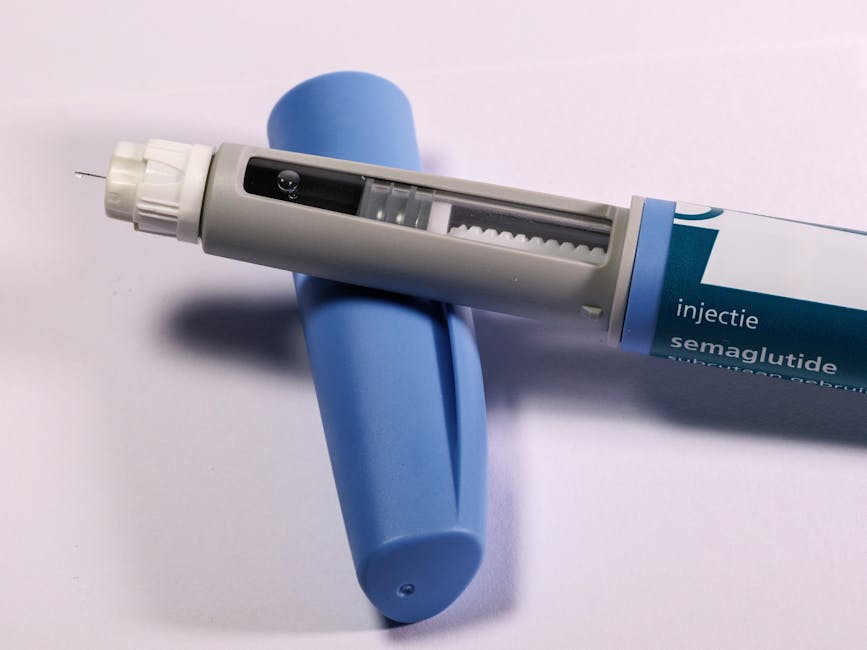
You're ready to optimize recovery. You've done the research, sourced your BPC-157, and now you're staring at a vial wondering what comes next. The difference between a successful peptide protocol and a wasted investment comes down to one critical step: proper reconstitution.
Getting this right matters. Improper reconstitution can degrade the peptide, reduce bioavailability, or introduce contamination that sabotages your results. Athletes who refuse to settle for average understand that protocol precision is non-negotiable. Let's walk through exactly how to reconstitute BPC-157 so you can move forward with confidence.
Why Reconstitution Protocol Matters for BPC-157
BPC-157 arrives as a lyophilized (freeze-dried) powder. It's inert in that form, which is why it ships stable. But to make it injectable and usable, you need to reconstitute it with a sterile diluent. This isn't just mixing; it's a precision step that determines whether the peptide remains viable and effective.
Here's the reality: contamination, incorrect dilution ratios, or improper storage after reconstitution can compromise the entire protocol. NinjAthlete athletes follow evidence-based preparation guidelines because the science is clear. A properly reconstituted peptide solution maintains stability for weeks when stored correctly, giving you a consistent dosing window and predictable results.
Related: What Is BPC Peptide? Complete Athlete's Guide
BPC-157 is a synthetic peptide derived from stomach acid protein, and research on tissue regeneration and blood flow optimization suggests meaningful applications for athletes targeting injury recovery and performance longevity. But that research only applies if your preparation is dialed in.
Materials You'll Need for Safe Reconstitution
Before you touch that vial, gather everything. Half-measures here lead to contamination and failed protocols.
- BPC-157 vial (typically 5 mg)
- Bacteriostatic water (BAC water) - sterile, pharmaceutical-grade
- Sterile syringes (1 mL or 3 mL, depending on your volume)
- Sterile needles (25 gauge or smaller for drawing)
- Alcohol swabs (70% isopropyl alcohol)
- Clean, flat work surface
- Refrigerator (for post-reconstitution storage)
Don't skip the bacteriostatic water. Regular sterile water lacks the antimicrobial properties needed to preserve a multi-dose vial over time. Quality matters here.
Step-by-Step: How to Reconstitute BPC-157 Correctly
1. Prepare Your Environment
Cleanliness is your first defense against contamination. Wipe your work surface with an alcohol swab. Wash your hands thoroughly. Remove your BPC-157 vial and bacteriostatic water from storage and allow both to reach room temperature. Cold peptides and cold water can introduce stress to the powder and make accurate measurement harder.
2. Calculate Your Dilution Ratio
The standard reconstitution ratio is straightforward: one 5 mg vial of BPC-157 plus 2 mL of bacteriostatic water. This yields a concentration of 2.5 mg/mL, or 250 micrograms per 0.1 mL. That math is athlete-friendly because it means each 0.1 mL mark on a syringe equals one clean 250 mcg dose.
If your vial is a different size, adjust proportionally, but the 5 mg + 2 mL standard is what most protocols use.
3. Wipe Both Vials
Take an alcohol swab and thoroughly wipe the rubber cap of your BPC-157 vial. Do the same with the bacteriostatic water vial. Use firm circular motions and let them air dry for 10-15 seconds. This step eliminates surface bacteria before you create a needle puncture.
4. Draw and Inject the Bacteriostatic Water
Draw exactly 2 mL of bacteriostatic water into your sterile syringe. Invert the BPC-157 vial (holding it upside down) and inject the water slowly into the vial. Don't just dump it in. Controlled injection prevents foaming and ensures even hydration of the powder.
Let the vial sit for 30 seconds to 1 minute. The peptide will gradually dissolve. Gently swirl the vial (don't shake vigorously). You're looking for a clear solution. Never draw from the vial immediately after reconstitution; let it fully dissolve first.
5. Verify Complete Dissolution
Once the solution is clear and no visible powder remains, you're ready. If you see particles or cloudiness after a few minutes, something went wrong. Set it aside and try again with a fresh vial. Proceeding with a compromised solution wastes your investment.
Storage and Longevity After Reconstitution
Your reconstituted BPC-157 must be refrigerated immediately after preparation. The bacteriostatic water's antimicrobial properties keep the solution stable, but only in cold conditions. Store the vial between 2-8°C (36-46°F). Most reconstituted BPC-157 remains viable for 2-4 weeks under proper refrigeration.
Mark the reconstitution date on the vial with a permanent marker. Never use a reconstituted vial beyond 4 weeks. When you're pulling doses, maintain sterile technique every time. New sterile needle, alcohol swab the rubber cap, and inject at the same time daily for consistency.
Cold-chain integrity is non-negotiable. If your vial sits at room temperature for extended periods or if you forget to refrigerate it, the solution degrades and becomes unsafe. Treat it like a pharmaceutical product because, functionally, that's what it is.
Critical Legal and Safety Context You Need to Know
Here's the honest part: BPC-157 is not FDA-approved as of 2026. In fact, its drug nomination was withdrawn from the FDA's active review table in April 2026. This means regulatory status remains limited, and safety protocols are still being established.
Before you commit to a BPC-157 protocol, consult a qualified healthcare professional. This is especially critical if you have existing medical conditions, take medications, or have a history of adverse reactions to peptides. The research on tissue recovery is promising, but individual response varies, and clinical data in humans is still emerging.
Verify the legal and regulatory status in your specific location. Rules differ by region and can change. NinjAthlete always recommends operating within your jurisdiction's guidelines and consulting medical professionals before introducing any peptide protocol into your recovery stack.
Common Reconstitution Mistakes That Kill Your Protocol
We see athletes make the same errors repeatedly. Avoid these:
Related: BPC-157 Peptide Calculator: Dosage & Reconstitution Guide
- Using non-sterile water: Regular water introduces contamination. Always use bacteriostatic water.
- Not letting materials reach room temperature: Cold peptide + cold water = slower dissolution and potential powder degradation.
- Vigorous shaking after reconstitution: You'll create foam and introduce air bubbles. Swirl gently.
- Storing at room temperature: The solution degrades rapidly without refrigeration.
- Using the same needle twice: This introduces contamination risk into the vial on the second draw.
- Drawing from an improperly sealed vial: Every needle puncture creates potential contamination. Use only when necessary.
If you're following a structured recovery protocol and want to maximize every variable under your control, evidence-based peptide guidance should be part of your baseline preparation. The reconstitution step isn't optional; it's foundational.
Dosing and Administration After Reconstitution
Once your BPC-157 is reconstituted at the standard 2.5 mg/mL concentration, typical protocols call for 250 mcg doses (0.1 mL) injected subcutaneously once daily. Consistency is critical. Inject at the same time every morning or evening. Rotation injection sites (abdomen, thigh, upper arm) to avoid lipohypertrophy and ensure consistent absorption across protocols.
Standard BPC-157 protocols run 4-8 weeks. Your healthcare provider should guide duration and dosing based on your specific recovery goals and medical history. Don't extend protocols beyond professional recommendation, and never exceed recommended doses.
Related: BPC-157 and TB-500 Peptide: Complete Recovery Guide
Track your injections and any observable changes (improved recovery speed, reduced inflammation, enhanced mobility). Data-driven athletes document this because it informs whether the protocol works for your individual biology. Response varies person-to-person, and self-monitoring is your best feedback tool.
What's the difference between BPC-157 and TB-500?
Both are synthetic peptides with purported recovery benefits, but they're distinct compounds. BPC-157 is derived from stomach acid protein and targets tissue regeneration and blood flow. TB-500 is derived from thymosin beta-4 and focuses on inflammation reduction and tissue repair through different mechanisms. Your choice depends on your specific recovery goal. Consult a healthcare professional to determine which fits your protocol.
Can I reconstitute BPC-157 without bacteriostatic water?
Technically, you could use sterile saline, but bacteriostatic water is the standard because it preserves multi-dose vials over weeks. Saline lacks antimicrobial properties, so contamination risk rises significantly. If you're doing a single-dose protocol (reconstituting and using immediately), sterile water works. For any multi-week protocol, bacteriostatic water is mandatory.
How long can reconstituted BPC-157 stay out of the refrigerator?
Ideally, zero time. A reconstituted vial left at room temperature begins degrading within hours. If you accidentally leave it unrefrigerated for a few hours, the solution may still be safe, but potency declines. Beyond 6-8 hours at room temperature, discard it. The cost of a new vial is less than the cost of a compromised protocol.
Do I need a new needle for every injection?
Yes. Using the same needle to penetrate the rubber cap multiple times introduces microbes into the vial with each puncture. Fresh sterile needle, every time. This is standard pharmaceutical protocol and applies to peptide vials the same way. It adds minimal cost and massively reduces contamination risk.