The terms "Ninja" and "Shinobi" have been subjects of fascination and curiosity across the globe, often evoking images of mysterious, stealthy warriors of ancient Japan.
Despite their popularity in pop culture and history, there's a lot of confusion about whether these terms refer to the same figure or if they denote different aspects of Japanese espionage and warfare.
This blog delves into the historical and cultural nuances of these terms to shed light on their true meanings and differences.
Historical Context and Origin
The Emergence of Ninja and Shinobi
The origins of both Ninja and Shinobi can be traced back to feudal Japan.
They emerged as covert agents, skilled in espionage, guerrilla warfare, and assassination during times of unrest and feudal warfare.
Cultural and Geographical Influences
The development of these warriors was heavily influenced by the political, social, and geographical landscapes of Japan during the feudal era.
The specific roles and skills of these agents often varied based on the region and the needs of their employers.
Terminology and Language
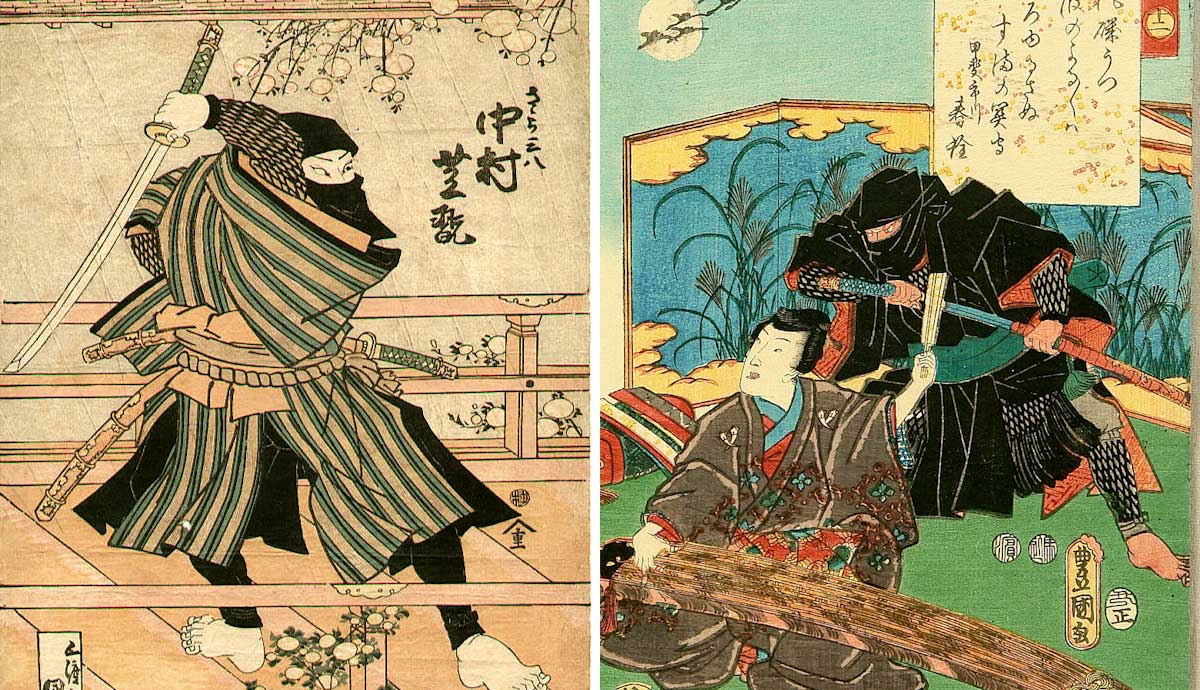
Etymology of Ninja and Shinobi
Understanding the Japanese language provides insights into the nuances of these terms.
"Ninja" is more commonly used in the Western world, while "Shinobi" is a term that has deeper roots in traditional Japanese language and culture.
Usage in Historical Texts
The usage of these terms in historical texts and scrolls from Japan also helps in distinguishing the two.
Different eras and regions in Japan have shown a preference for one term over the other, indicating a possible difference in their roles or perception in society.
Roles and Functions
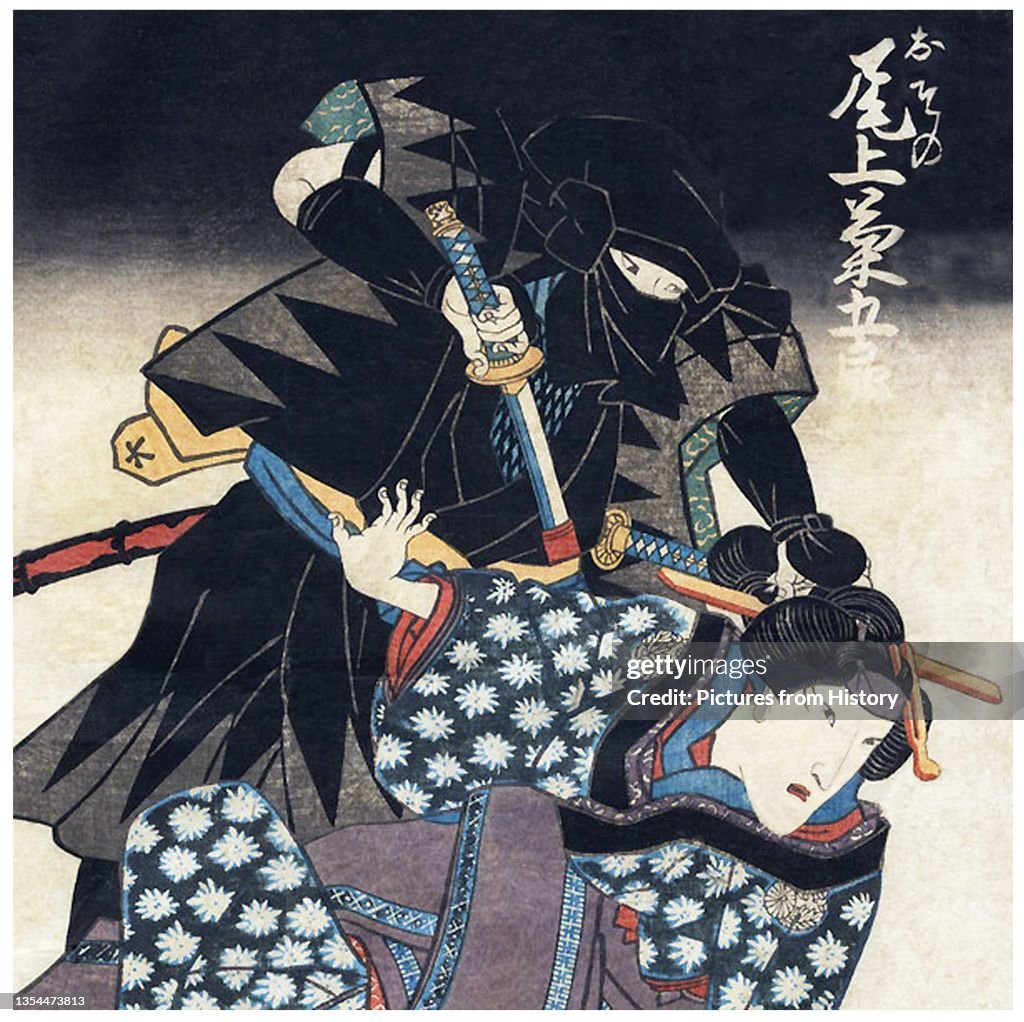
Espionage and Intelligence Gathering
Both Ninja and Shinobi were adept in espionage.
However, there might have been differences in the methods and extents to which they practiced these skills, influenced by the era and the ruling powers they served.
Assassination and Combat Techniques
While both were trained in combat and assassination techniques, the specific styles and tools they used could vary, highlighting a potential difference in their approaches and specialties.
Training and Skills

Physical and Mental Training
The training regimes for Ninja and Shinobi, while similar in many aspects, could have had distinctions in terms of intensity, focus, and techniques, shaped by the particular demands of their roles.
Specialized Skills and Tools

An exploration of the unique skills and tools attributed to Ninja and Shinobi helps in understanding their distinct identities.
Each had a set of specialized tools and weapons that were iconic to their respective roles.
Representation in Culture and Media
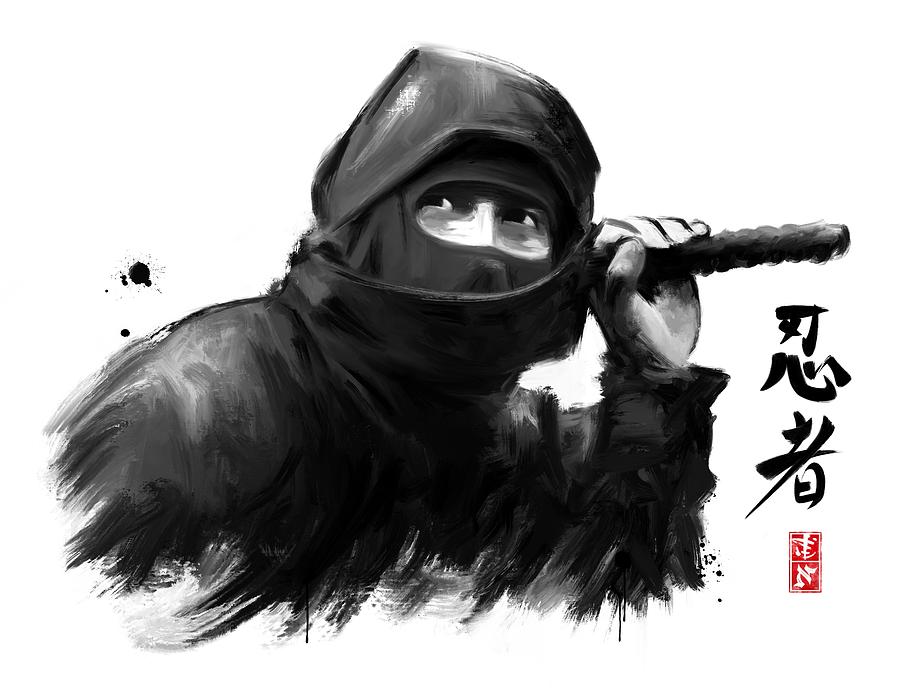
Portrayal in Japanese Literature and Art
The portrayal of Ninja and Shinobi in traditional Japanese literature, theater, and art provides clues about their perceived roles and differences in Japanese society.
Modern Media and Pop Culture
Modern interpretations in films, comics, and video games often blur the lines between Ninja and Shinobi, but they also offer a perspective on how these figures have evolved in the public imagination.
Conclusion
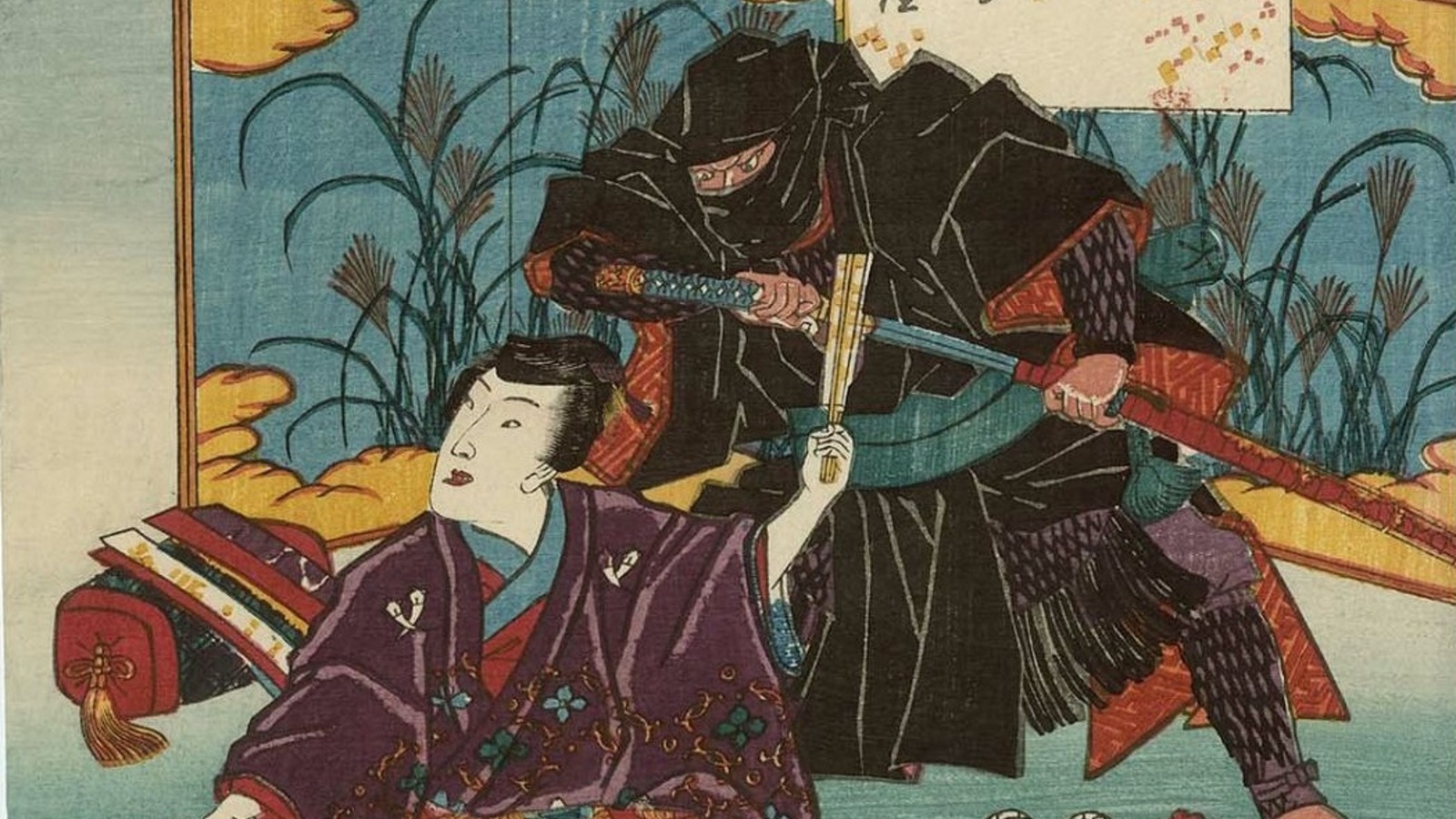
The exploration of the differences between Ninja and Shinobi reveals a complex and nuanced picture of these enigmatic figures of Japanese history.
While they share many similarities, the distinctions in their roles, skills, and cultural representations are significant.
Understanding these differences not only enriches our appreciation of Japanese history and culture but also allows us to perceive these figures beyond the stereotypes and myths.